@daraobriain Reading it there was just a litany of names in my head, friends and family who were students in the various schools across the country. What kind of country were/are we?
@MarkRavenhill2 I think the habit of learning is strongest in youth but the hunger/need to learn hits later. Maybe a few years when the cross over? Now I just accept I am slower to learn but more receptive to it than I have ever been.
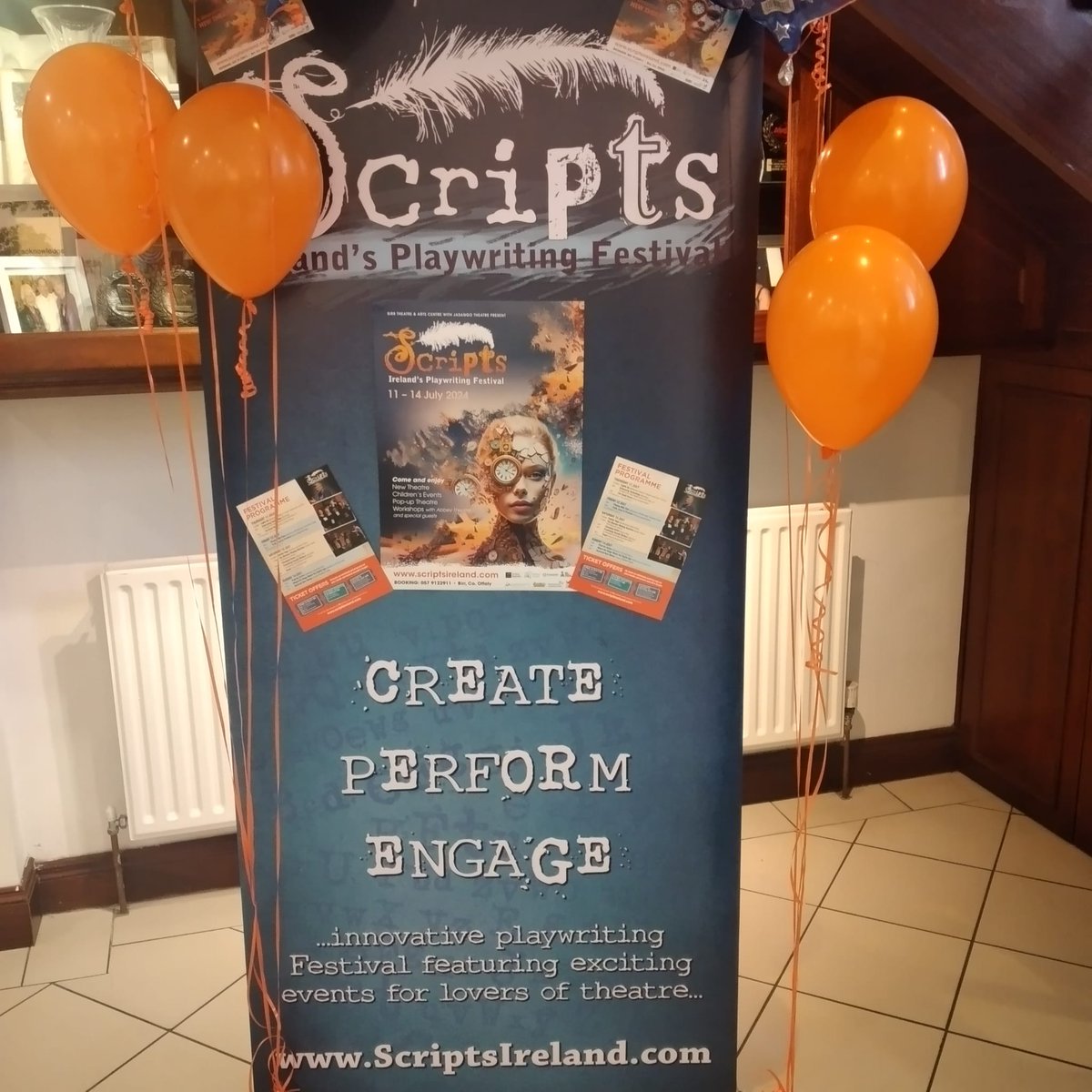
Friends you can read here the first of my FREE twice weekly emails ‘101 exercises for playwrights’. Thanks to those who’ve already subscribed - check your junk if not in your box ! A retweet would be fab. https://t.co/6a3f72lHUs
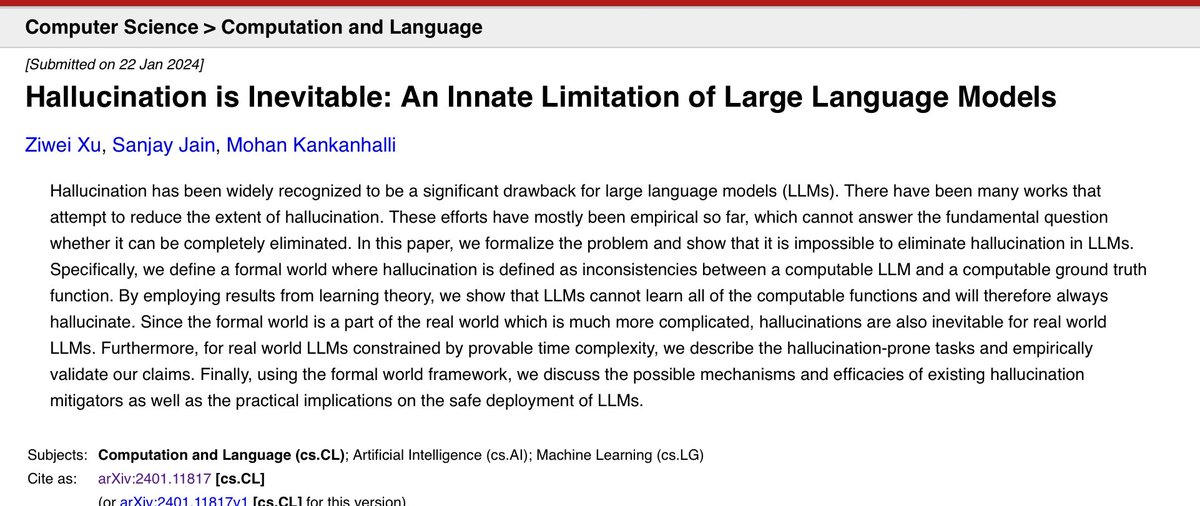
What if one could *prove* that hallucinations are inevitable within LLMs?
Would that change
• How you view LLMs?
• How much investment you would make in them?
• How much you would prioritize research in alternatives?
New paper makes the case: https://t.co/mL9MgDsOMX
h/t @mtyka
Support is growing for the #StandTogether march 🔥🙌🏿🙌🏾🙌🏽🙌🏼🙌🏻
If you or your group wants to get involved, contact us via https://t.co/LNdqdS0WQT
Spread the word ✊🏾
📆Sat, March 2nd
⏰1:30pm
📍Parnell Sq
#DiversityNotDivision#StandTogether
Event link:
https://t.co/RTsLstvAQt
The more I work on AI policy questions and interact with policy makers in Washington, Brussels, London, and Ottawa, the more conviction I have that THE MOST CRITICAL MISSING VOICES ARE FICTION WRITERS. I've come to believe that novelists will be more important in the coming decade than at any other point in my lifetime. The reason is that they have developed a unique muscle that we need now more than ever: the ability to imagine worlds in general equilibrium.
Civilization is about to experience the greatest technological shock in our history and we don't know how to prepare for the transition. We need to imagine the possibilities and anticipate the tradeoffs in order to increase our chances of effectively planning for a good outcome.
Most people, including economists, think in partial equilibrium. It's easier. Less cognitive load. When something changes, like lowering the cost of generating humanlike text, we imagine how it might effect something else, like the demand for verification services that evaluate whether an email is fake.
General equilibrium thinking, on the other hand, explores how supply and demand balance out across all markets in the economy simultaneously, considering the interactions between different sectors and goods. This is so much harder. Almost nobody is good at it - except fiction writers. That's their craft.
We're going to explore this on Tuesday next week (Feb 20 - 8pm ET) at the @creativedlab Reading Group. If you'd like to join, then self-nominate here: https://t.co/DiJByhoaJG
We'll read these three short pieces.
1. Good Stories by @kyliu99 from The Digital Aesthete anthology
https://t.co/oxz2SkCOTo
2. The Big Four vs. ORWELL by Jeff Hewitt for Slate
https://t.co/jizLzB2bQ8
3. The Imitation Game by @kyliu99, an essay responding to Hewitt's story
https://t.co/5WeElo7Z4E
99 years of a New Years Eve tradition in Cobh. My 80 year old father-in-law has played for the last 53 yrs - his father for the previous 46. 200+ steps climbed to get to the 49 bell carillon in the Cathedral to ring in the new year with Auld Lang Syne. Happy new year everyone.