To the many wonderful people who have followed me from my old handle @DavidJoffe64
Thank you from the bottom of my heart
😊😊💕👋🏻
I can only re-follow a limited number at a time... Please don't feel offended..
This App is FUBAR 🤬🤬
@LauraMiers Not more than previous
We are certainty seeing a shit ton of Aspergillus and Candida. The other are often seen in those working with wood
I'm not across our numbers for C. Auris. That's gonna be a massive future issue
2023 “Pulmonary histoplasmosis is common in immune-comprised patients; therefore, immune dysregulation, chiefly lymphopenia in SARS2 Covld-19, may increase the risk for the progress of pulmonary histoplasmosis.”
https://t.co/K7gt4OKO7e
@LauraMiers Sadly, the death of the CDC at the hands of the Worm Brain, coke snorting toilet Dude has allowed no meaningful response as previous
It's also landed in a largely immune damaged population
Seems we're it's new BFF 🤦🏻♂️
@LauraMiers Histoplasmosis is very uncommon in Australia, by and large.
Cryptococcus on the other hand isn't. We see it in immune competent people (Nocardia too). Eucalyptus trees and certain local hardwoods are the vector
Yes Zdenek
You can't say I've not been vocal about my clinical observations and increasing concerns
RBD -> PD = 80% at 14 years
We're only at year 7‼️
24 people with long COVID, 24 age matched healthy controls. Lower signal in all three regions. Magnitude comparable to mild-to-moderate PD - and the putamen sits at the level you see in RBD (REM sleep behaviour disorder, most specific early precursor to synucleinopathy). @DavidJoffe64_2
What a tragic reminder of the costs of Long C-19 to many in their working prime
☠️ Dead people don't shop
☠️ Sick people cannot work
Long C-19 is now very much an economic burden
The cost "Normalizing" a novel virus is biting those who argued for Freedumb
Today, I shared with the OpenAI team that I have decided to leave my full-time role at OpenAI and transition to being a part-time advisor.
Three months ago, I had to go on medical leave after a severe exacerbation of a chronic illness I’ve lived with for seven years. During that time, it became clear that the road to recovery would be much longer and more complex than I had anticipated—and that I needed to focus on it fully.
When I went on leave, many people told me I was courageous for prioritizing my health. The truth is that I am only making this decision now because I failed to make it many times before.
Over the years, doctors, friends, colleagues, and loved ones encouraged me to slow down. Two years after I got sick, Facebook offered me the opportunity to take a full year of medical leave. I didn’t even pause to consider it. I immediately said no. At the time, Zuck told me I should play the long game. I wish I had listened.
Looking back, I realize that a lot of what made me successful also made this decision incredibly difficult.
I grew up believing that opportunities were precious and that when they appeared, you grabbed them with both hands. That mindset carried me from a small town in southern France to opportunities I never could have imagined. By the time I turned 40, I had already gotten to do more than I’d ever dreamed possible as a kid growing up in Sète.
I love building. My work has always given me a deep sense of purpose. OpenAI in particular felt like a role that my entire career had been building toward, which made this decision even harder.
But what I’m learning now is that grit and endurance are not the only skills required to have impact over decades. Sometimes the harder thing is to stop, listen, and trust that taking care of yourself today makes it possible to contribute for much longer tomorrow.
This experience has also strengthened my conviction about why this work matters.
It has been a jarring experience to spend my days helping build the future while simultaneously navigating a disabling disease that still has no cure.
Over the last seven years, I’ve spent countless hours in doctors’ offices, dealing with symptoms, treatments, insurance, uncertainty, and all the invisible work that comes with being a patient. Like millions of others living with chronic illness, I’ve experienced firsthand how difficult healthcare can be to navigate, even when you have every possible advantage.
More than ever, I believe that some of the most important opportunities for AI lie in helping people solve real problems in their daily lives: their health, their finances, their time and the everyday burdens that shape human experience.
In particular, curing disease is the most important thing AI could accomplish. I’m excited to continue working towards cures through OpenAI but also through my work with @ChronicleBioAI and @CODA_research.
I’m deeply grateful to @sama, @gdb and the OpenAI board for their support during this time and for offering a way for me to continue contributing to the mission without sacrificing my chances of recovery. I’m also so thankful to my team and the many extraordinary colleagues I’ve had the privilege to build alongside.
For now, my focus is recovery. But my belief in the potential of technology to solve deeply human problems has never been stronger.
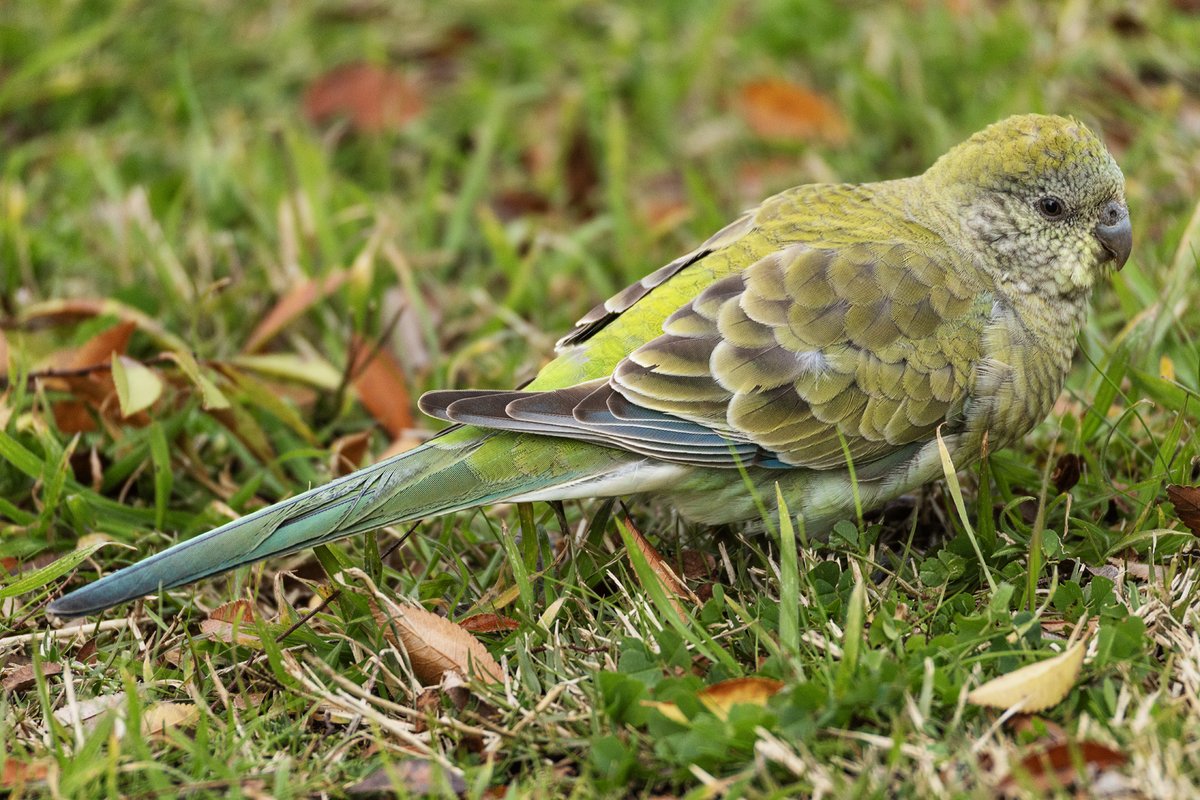
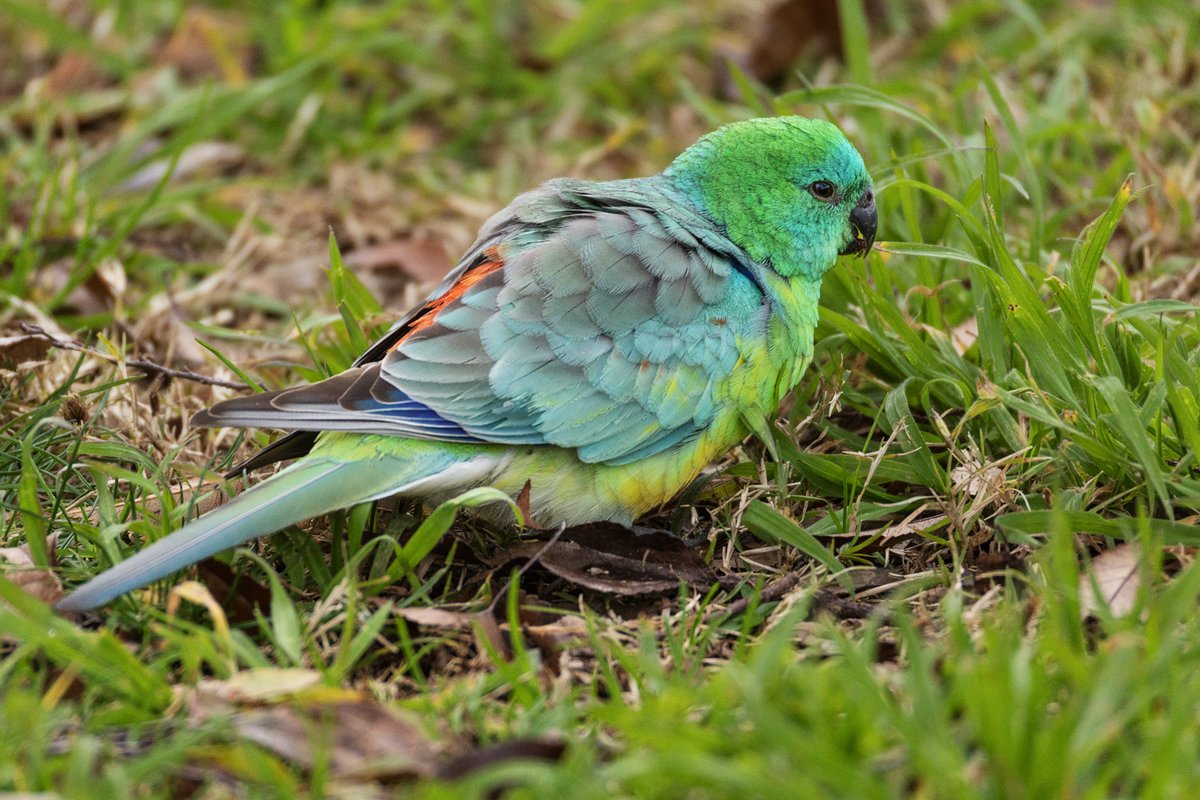
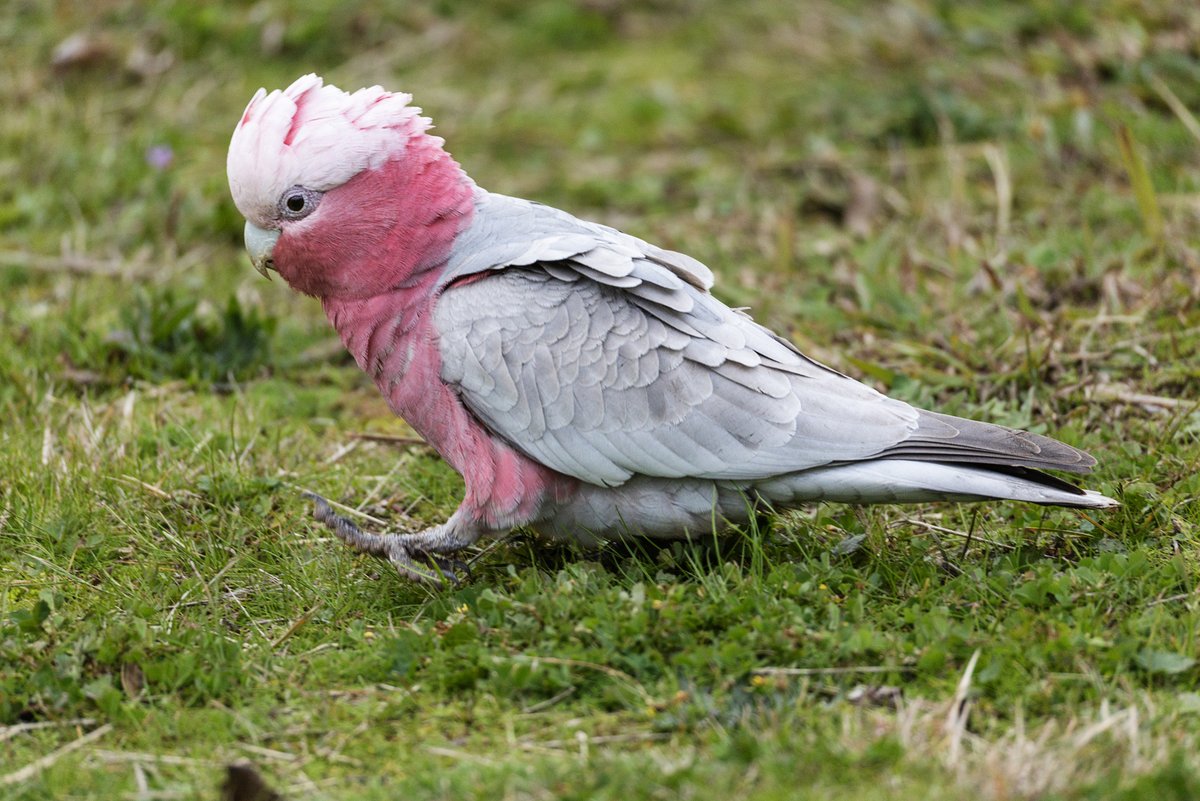
These fantastic photos of Australia's unique bird life is one huge reason to be bloody terrified that HPAI has finally made it to our special Island
☣️☣️☣️
I was only able to walk my camera briefly today - it was cold, leading to a late bike ride and even later bird-bothering (which was cold too 🥶).
I did see some Red-Rumped Parrots and some cheeky Galahs.
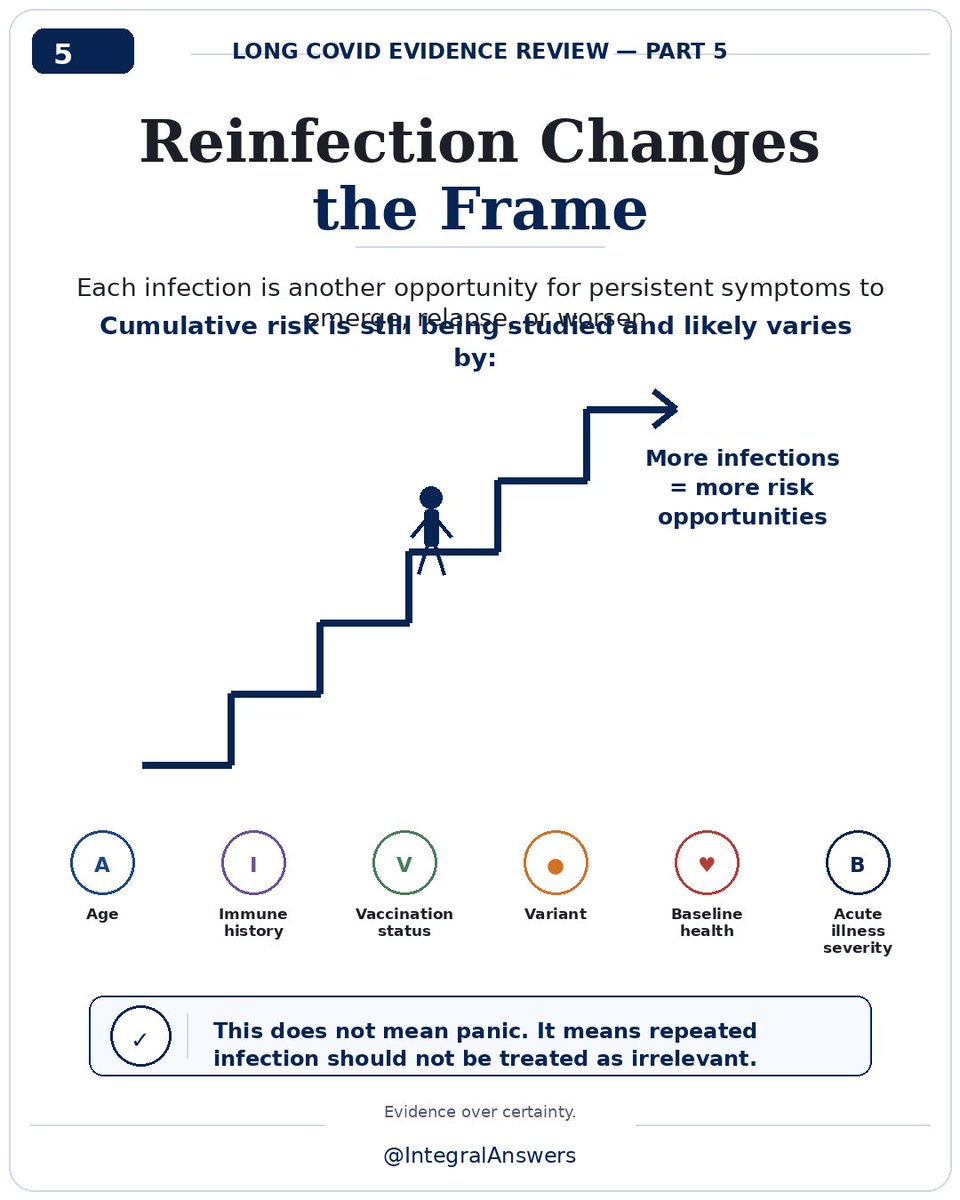
5/ Reinfection Changes the Frame
One infection is one risk event.
Repeated infections change the public-health frame.
The exact cumulative risk remains an active research question, and it likely differs by age, immune history, vaccination status, variant, baseline health, and acute illness severity.
But the basic logic is straightforward:
Each SARS-CoV-2 infection is another opportunity for persistent symptoms to emerge, relapse, or worsen.
That does not mean panic.
It means repeated infection should not be treated as irrelevant.
Risk reduction still matters.
@atranscendedman
The vast number of papers, many of which you have kindly contributed to my library (🙏🏻) would suggest it's these and other pathways that drive Neuro-Cøvid
There's also the mitochondrial dysfunction and the gut-brain axis - likely involving the vagus too.
Griffith University reviewed evidence that viral persistence, blood brain barrier damage, immune cell entry and microvascular injury may drive Long COVID brain fog.
Long term causality remains unproven.
https://t.co/ccvHTz7QUz
There's clear evidence in humans that direct viral invasion and neuronal cell senescence are in play
We aren't mice, @atranscendedman but this model is still hugely valuable when looking at pathways to address the neuro-inflammatory therapies
My 10 cents 🙏🏻
IRTA-CReSA studied 120 mice.
After SARS-CoV-2, survivors developed lasting behavioral changes, brain and lung immune disruption, and a smaller vagus nerve despite no detectable brain virus, pointing to immune and autonomic injury.
https://t.co/bhIjxMI6nF
@kasza_leslie@ActualNosferatu@crwequine I looked at it when it was first posted. Intrinsically it makes sense, but like nasal Cøvid vaccines - The hype has not met the reality
Public Health died with the minimising of Cøvid to nothing but an inconvenience
It was then cremated by the ascent of the Anti-Vaxxer in Chief to lead the Health portfolio
UdoU isn't public health... It's economics
Public health can’t protect people if it stops communicating.
Measles. H5N1. A multistate Cyclospora outbreak. Ebola.
In the past, the @CDCgov would have issued a Health Alert Network advisory to rapidly inform clinicians what to look for, who to test, and how to respond. Those alerts help frontline providers recognize outbreaks earlier and improve patient care.
Where is that communication now?
Outbreaks don’t become less important because we stop talking about them. Timely, transparent communication from public health is one of the most powerful public health tools we have—and we should be using it.
1/ A Network Disorder, Not a Single Cause
Long COVID may be less like one broken switch and more like a dysregulated network.
Possible contributors include:
immune dysregulation
viral persistence or residual antigen
endothelial / microvascular dysfunction
autonomic nervous system dysfunction
altered energy metabolism
neuroinflammatory or CNS-related changes
latent virus reactivation
microbiome disruption
The important caveat:
A pathway can be real in some patients without explaining every patient.
That is the core idea.
I would be fascinated to see an overlapping map of the major FIFA World Cup playing cities, @michael_hoerger
For that and Cøvid, of course
When you've paid $7k for a ticket... A "Cold" probably won't stop you attending
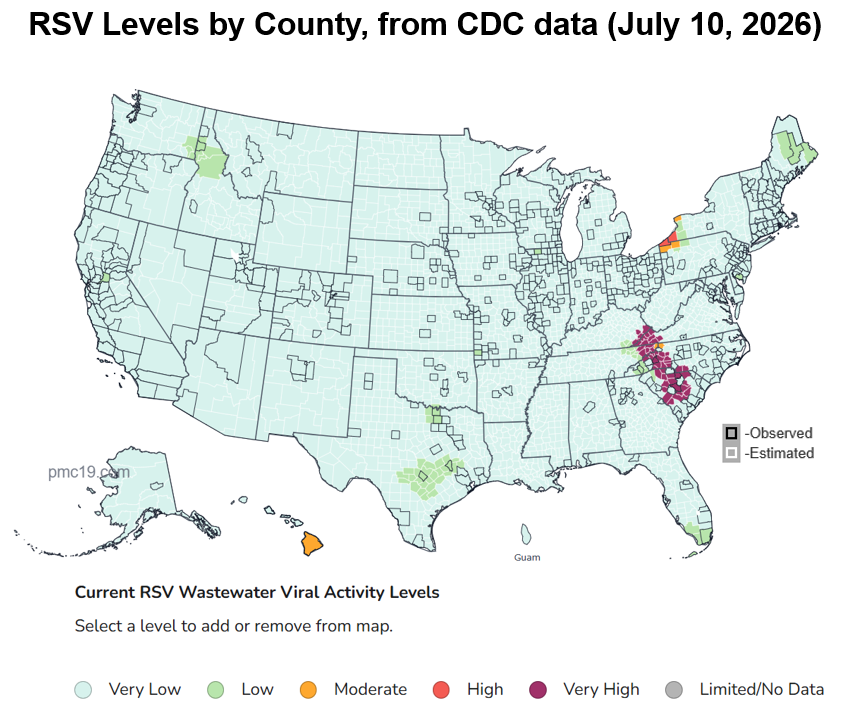
🚨RSV🦠
Here's the RSV heat map using the PMC methodology.
That hot spot is driven by McDowell (NC) and Richland & Lancaster (SC), all WVAL values >150.
Values >11 are "Very High."
Stay home if you're sick, and avoid sick people, especially if you have infants/toddlers.
I would suggest that it's not the domain of those susceptible that may develop Parkinson's
REM Behaviour Disorder in some LC patients as young as 16-17 and the enormous burden of anosmia would suggest EVERYONE is potentially at risk
I'm a Clinician
I've been warning for 5 years
Another study linking Parkinson's to COVID..
New PET imaging study shows clear dopamine system injury in long COVID patients ... lower markers across the striatum linked to fatigue/motivation loss, slowed movement, and memory issues.
Fits with the inflammation/unmasking picture from the larger studies that I just showed.
Brains already vulnerable can get pushed by post-viral effects.
Important context: https://t.co/G6AwX0DgFT
@atranscendedman
They are often a more honest evaluation of the conclusions before they are watered down by reviewers
It's reassuring to know they are still really robust
Question: How long from pre-print to publication? 🧐
72,644 studies. Researchers found that 90% of biomedical preprints kept the same main conclusions or changed only slightly after peer review.
Most revisions made claims more cautious, suggesting preprints are often more reliable than many assume.
https://t.co/RxIbLLcUW8
This is Kanye West’s new Yeezy Cyber truck which costs over $1.2 million dollars and there’s only three of them made in this Country. Who else thinks it’s ugly?