If the Fed hikes rates into an oil shock, it won’t stop higher energy prices.
It’ll just pile a credit shock on top of an energy shock — hitting housing, small business, and manufacturing in the process.
READ @FoxNews ⬇️
https://t.co/FpUUvLQsax
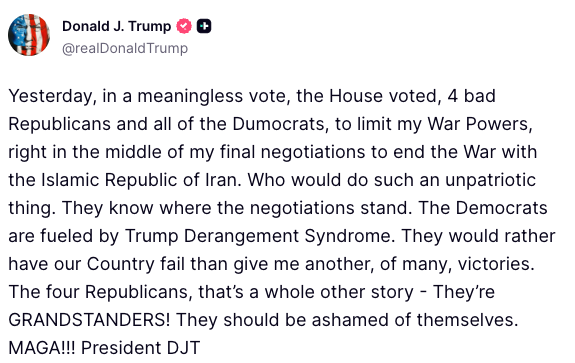
BREAKING: "Who would do such an unpatriotic thing?"
President Trump blasting Democrats and Republicans in the House who voted to limit his war powers on Iran, saying the lawmakers are undermining the U.S. at a critical moment.
"They know where the negotiations stand. The Democrats are fueled by Trump Derangement Syndrome."
According to the internet, this is the US 89th Infantry Division (US 89 ID), US VIII Corps, 3rd US Army.
The Division was activated July 1943, trained for one year and arrived in France (ETO) 22 Jan 1945.
In 3 months of combat, of 5,200 assigned Infantryman, the Division would lose 1,000 casualties.
When President-elect Nixon met with President Johnson at the White House, LBJ gave him a warning.
Johnson told Nixon that one of his own biggest mistakes was giving the Soviets the impression “that we wanted peace and would pay almost any price to get it."
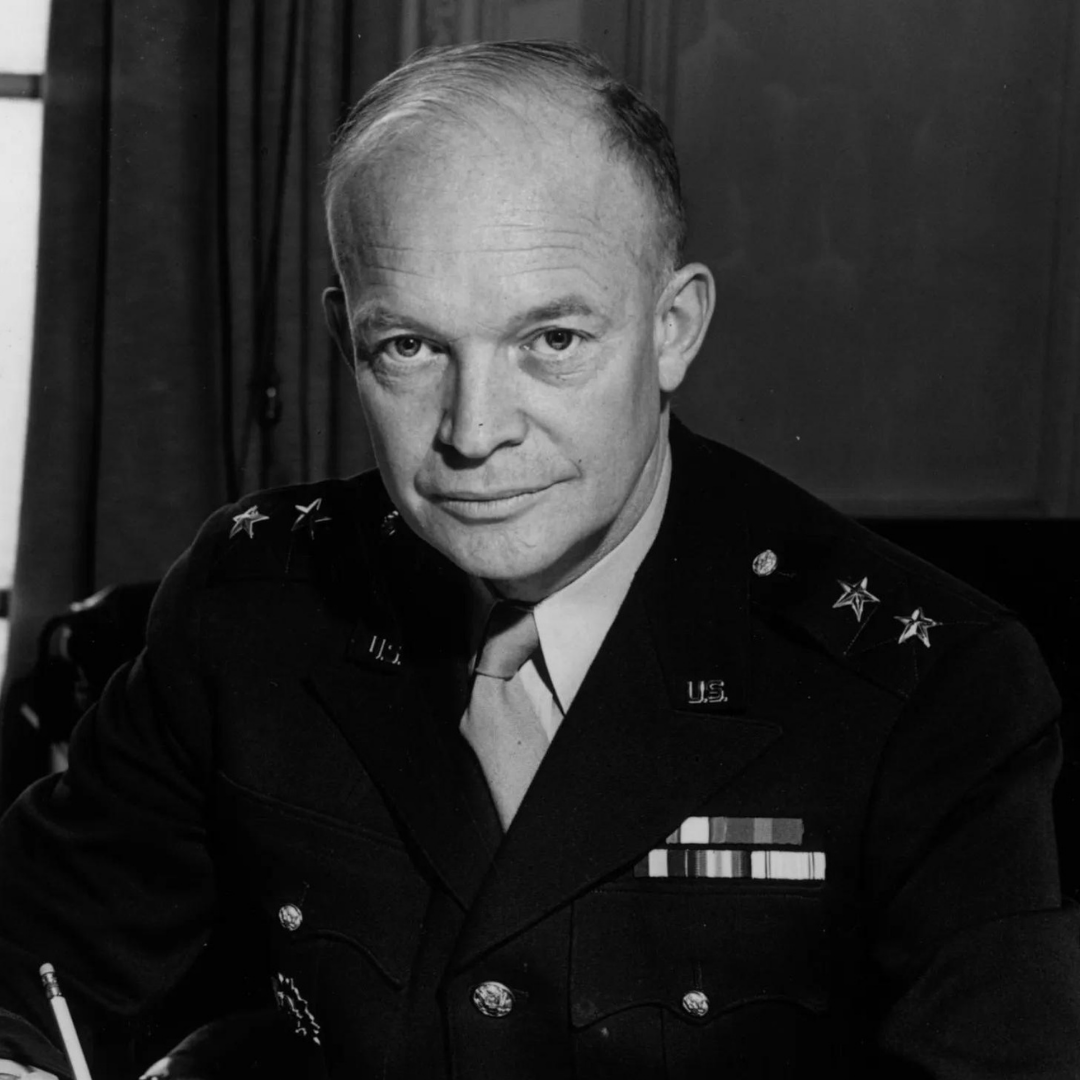
Nixon studied his predecessors closely:
“One of the advantages Ike had was that the Russians were afraid of Ike - afraid of him because he had been the great commander in World War II... they knew that beneath that exterior was a very cold, tough fellow."
The End of the Standoff: Trump Forces the Theocrats into a No-Win Corner
The Iranian regime is currently trapped between its revolutionary identity and an economic reality that is rapidly becoming unsustainable.
While Tehran hopes to outlast American pressure, President Donald Trump’s multifaceted strategy ensures that any concession by the theocracy would effectively end its existence as a global threat, argues Victor Davis Hanson on this week’s edition of “Victor Davis Hanson: In a Few Words.”
Full video: https://t.co/NnxK7tociS
@VDHanson
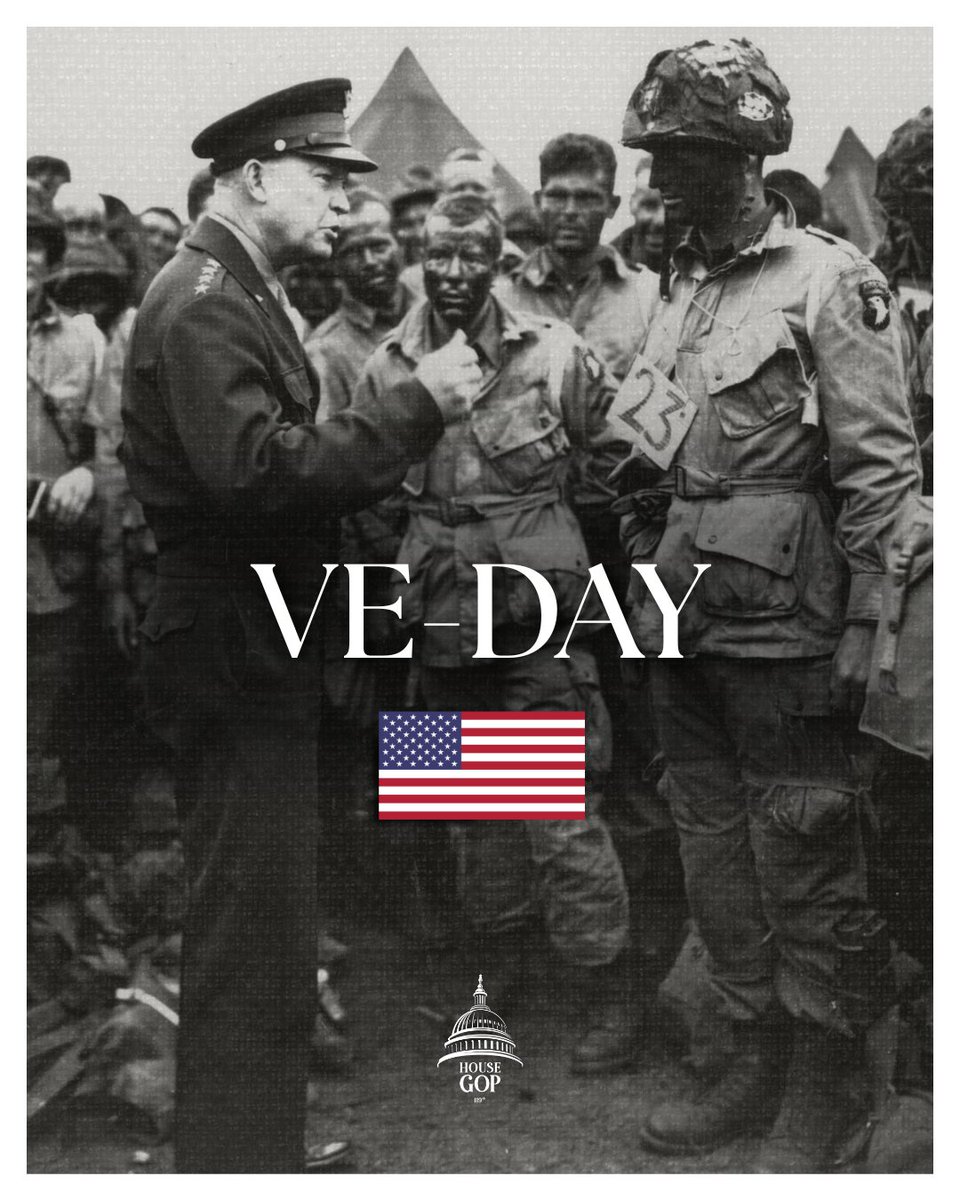
Today marks the 81st anniversary of Allied victory in Europe, bringing an end to World War II on the continent.
At the World War II Memorial, stone and bronze honor the millions who served, remember those who never came home, and mark a turning point in the fight to restore freedom.
As the generation who lived this history grows smaller, places like this ensure their stories endure. We honor their courage, their service, and the sacrifice that made victory possible. 🇺🇸
Photo by Carol M. Highsmith
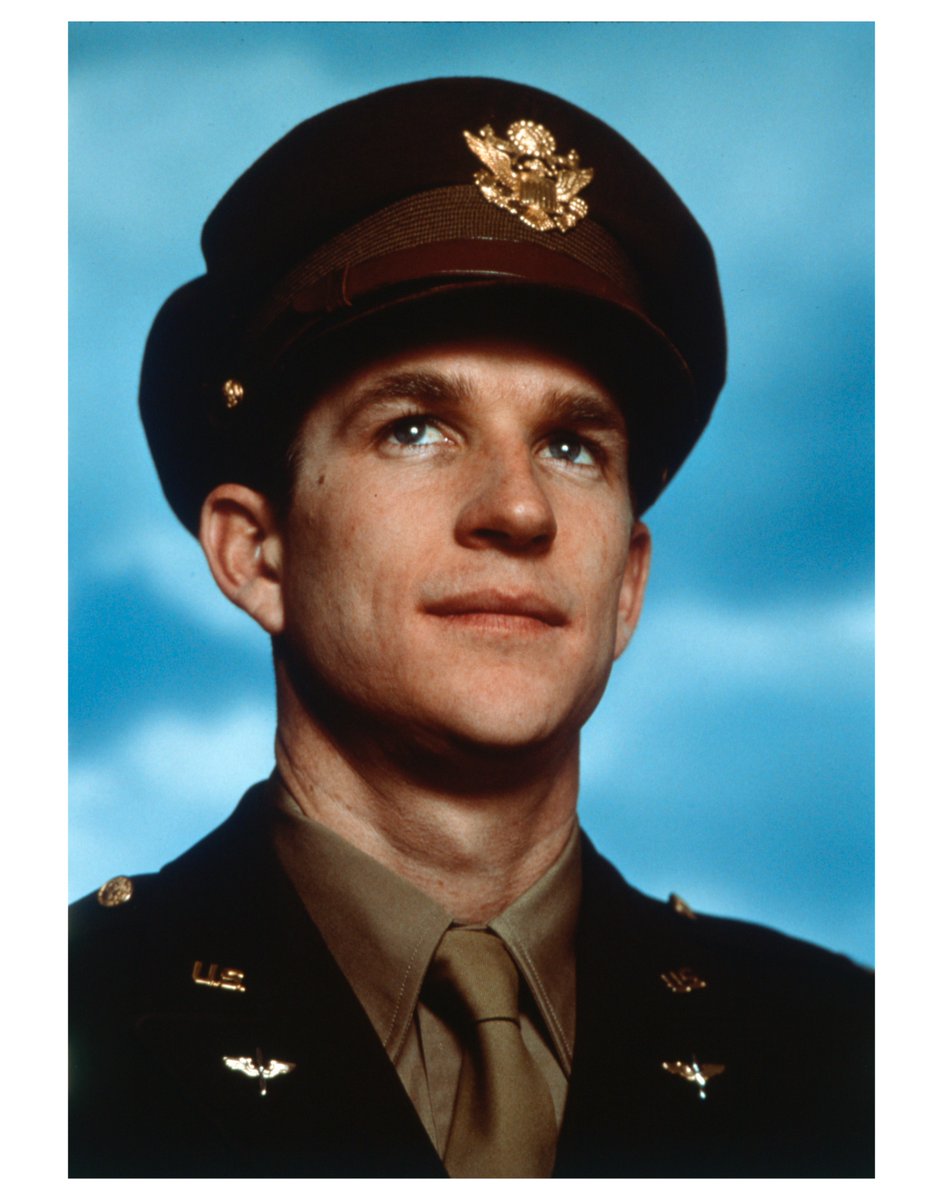
My uncle, Captain Wylder Modine, was a real B-17 "Flying Fortress" pilot during WWII. After returning from a bombing mission, he got hit by anti-aircraft fire and almost had his right arm taken off. He had his crew bail, but his co-pilot was shot up really bad and couldn’t parachute, so my uncle, with one arm, landed the heavily damaged B-17 in a field behind enemy lines. He was awarded the Air Medal and Purple Heart. I talked with him before making MEMPHIS BELLE in 1989. He gave me his dress uniform to wear in the film and said, “when you put that on, don't disrespect it.”
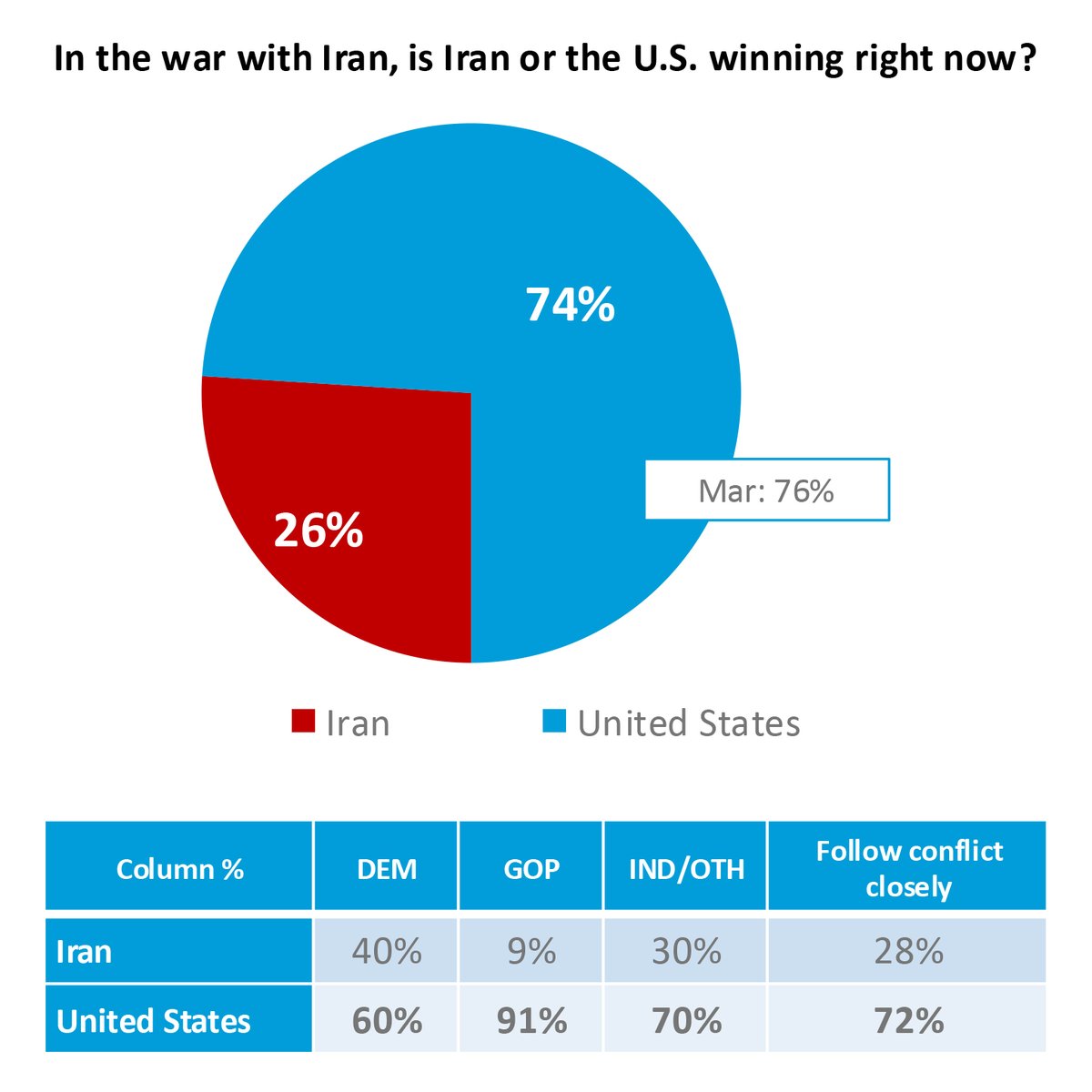
POLL: Nearly three-quarters of Americans — including 91% of Republicans and 70% of Independents — say the U.S. is winning against Iran.
40% of Democrats side with Iran.
On today’s edition of “Victor Davis Hanson: In His Own Words” Victor and Sami Winc argue the Iran war has been highly asymmetrical and strategically successful, rejecting media claims about Iran’s remaining capabilities and urging sustained pressure to force concessions while oil dynamics shift, including UAE talk of leaving OPEC and the potential for prices to fall.
https://t.co/dIpC8lnCUf
In honor of America’s 250th birthday, we’re giving back to our military and veterans.
250 recipients will receive up to 4 tickets each to shows this year.
👉 Sign up and request tickets through https://t.co/w7UAogiMW8
Thank you for your service 🇺🇸
#America250 #SupportOurTroops #Veterans #VetTix
In consultation with @SecWar, we will EXTEND the A-10 “Warthog” platform to 2030. This preserves combat power as the Defense Industrial Base works to increase combat aircraft production.
Thank you to @POTUS for your unwavering support of our warfighters and quick, decisive leadership as we equip our force. More to come.
WW2, Red Army: Organizational Effectiveness.
(The question is how did the Red Army in WW2 with 6 million troops against 3 million German troops generate four times more combat power? The Red Army outnumbered the German Wehrmacht 2- 1 in manpower, 6 million versus 3 million, but was able to operationally generate 4- 1 combat power.)
Force Structure.
In June 1941, the Russian army had 5 million men in 194 rifle divisions and 45 cavalry, armor divisions. During the German invasion, the Russians lost 147 rifle divisions and lost 9 million men, but were able to raise 372 rifle divisions (6 million men), a net increase of 225 rifle divisions.
By 1943, the Red Army on the Eastern Front had 394 combat divisions and 6 million men, (4 million divisional troops, 1 million non- div. combat troops (artillery, engineers, AA) and 1 million field troops (supply, ordinance, etc.) in 55 field armies. This large organization allowed the Red Army to consume 50,000 tons of logistics a day, fire 135,000 artillery rounds a day (2,500 tons), and provided 200,000 infantry replacements a month. Further, the Red Army had 1.6 million infantrymen, 8,000 tanks, 40,000 artillery and 600,000 trucks (300,000 from US Lend Lease).
On the Eastern Front, the German OB East with 3 million troops, and the Russian army groups with 6 million troops, both sides used 40,000- 60,000 tons of logistics a day. A Russian rifle division used 100 tons a day and tank corps (TC) used 300 tons a day.
While the US Army required 1.67 million support troops to move 53,400 tons of logistics a day (31 soldiers to move 1 ton), the Germans used 1.15 million support troops (69% of US figure) to move 40,000 tons (75%), 28.75 soldiers per ton. It appears that with 1,000,000 support troops, the Russians required 20 troops to move 1 ton, and the number was more likely 10 troops to move one ton of logistics. Overall, in WW2, the US had 59,000 men per division (89 divisions), the Germans had 27,000 troops per division (255 divisions), and the Russians had 15,200 per division (525 divisions).
By July of 1943, the Soviet rifle division reached its final form. Manpower remained at around 10,000, but an increase in firepower was accomplished by the increase in submachine gunners. Also, by late in the war, the introduction of self-propelled gun gave the rifle division an increase in direct artillery fire. While the production of 10,000 SU-76/85 assault guns, 30 in a regiment, one regiment per rifle division, seemed like an extravagant use of resources, it greatly assisted offensive tactics by giving firepower to the infantry and the ability to maintain offensive momentum against German defenses.
Planning & Logistics.
Only 12.5% of the Russian field army personnel were dedicated to logistics, 17% for the German army and 24% for the US Army. This was a conscience decision made by Russian planners to generate more immediate combat power. As a result of prioritizing combat units over support units, Russians artillery units had only three units of fire (400 rounds- 76mm) and two units of fuel for their tanks. Consequently, most Russian artillery was expended in the first three days in a campaign (one day’s expenditure, 1 million rounds represented one week of artillery ammunition production of the annual production of 50 million rounds). 400 rounds for 20,000- 76mm guns was 8 million rounds, 52,000 tons, 116 supply trains or 20,800 truckloads. Further, Russian motorized units could not exploit more than 200 kilometers. Historically, Russian units could not advance more than 120 kilometers from their rail lines.
For example, a Russian T-34 weighing 30 tons with a 500hp engine had a range of 200- 300 kilometers (cross country/road). A T-34/85 carried 150 gallons of fuel. 6,000 tanks for the Russians (100 tank brigades or 30 tank corps) required a total of 2,700 tons a day of fuel. This was in addition to 300,000 supply trucks which required another 3 million gallons, or 9,000 tons a day, the equivalent of 20 supply trains.
With the Russians having just two units of fuel, 300 gallons (0.9 tons) per T-34, means that a Russian tank corps could probably advance no more than 400 kilometers during an offensive and exploitation operation. Historical evidence shows this to be the case. Even the Germans in May 1940 and the US 12th Army Group in Sept 1944 had to pause after advancing 400 kilometers across France.
In June 1944, the Russians opened up with Operation Bagration against German Army Group Center in Belorussia. In a classic account of deep operations doctrine, the Soviets massed overwhelming forces to achieve a decisive breakthrough of the German army group. The Russians had 110 rifle divisions and 2,400 tanks against 48 German divisions and 600 tanks; overall, the Russians had a 6.3 to 1.0 ratio.
Prior to June 1944, the Russian Belorussian Army Group (four fronts with 154 rifle divisions and 12 tank corps/mech corps) received 74,800 rail cars of supplies (748,000 tons). For a 30 day campaign, the Belorussian Army Group received 24,933 tons for 131 tons for each rifle division and 394 tons for each tank corps/mech corps. This is equivalent to 1,660 supply trains or 55 trains a day.
Six months later, in January 1945, on the Vistula River in Poland, the Belorussian and the Ukraine Army Groups together had 2.2 million men in 130 rifle divisions and 16 tank corps (3,200 tanks) with 600,000 rear service troops for a figure of 4,000 service troops per division.
Further, both Army Groups received 132,000 rail cars of supplies (1.3 million tons) for a 45 day campaign, 29,300 tons a day or 14,500 tons per army group (162 tons per division and 488 tons per TC). This is the equivalent to 2,930 supply trains or 98 supply trains a day. Both Russian army groups had 9 million artillery rounds for 31,000 arty and mortars, 58,500 tons (290 rpg, 116 rpg for the artillery preparation). And further, both army groups had 30 million gallons of fuel (90,000 tons of fuel, 9,000 rail cars) for 100,000 vehicles.
Tactics.
What greatly helped the Russians was their artillery. While the Germans had on average 50 artillery guns per division (7,000 total), the Russians had 120 artillery guns per division, half assigned to army level (40,000 total). By doctrine, this artillery greatly increased the relative combat power of the Russian rifle divisions, half of the Russian combat power was in artillery. Further, the Russian artillery at corps- army level, 160 of the 200 guns per kilometer, can be estimated to have increased Russian combat power by giving the Russians a 4- 1 ratio.
According to historian Martin van Creveld, the Red Air Force with an “air army” of 400 planes per Front headquarters, had a 3- 1 numerical superiority over the Germans and was used as an extension of Russian artillery which further contributed to the Russians achieving an overall 4-1 ratio.
Conclusion.
A standard Russian army group (Front) with 40 rifle divisions and 6 tank corps (1,200 tanks) attacked on a 200 kilometer frontage with 10 percent of the front, 20 kilometers, as the breakthrough sector, and received one rifle division, 5,000 infantry per kilometer, and half of the front’s artillery and most of the tank support. This resulted in 200 Russian guns and 30 Russian tanks per kilometer of breakthrough which was usually defended in depth by a German infantry battalion with 300 riflemen, 40 MG42s, 4- 82mm mortars and 3 PAK40 75mm anti-tank guns. Even taking into account that a prepared, entrenched defense doubles the defender’s combat power and assuming the Russians attacked in echelon with half of their combat power forward, this is clearly a 4- 1 attack ratio.
This is the true doctrinal definition of Mass: “Superior combat power must be concentrated at the decisive place and time in order to achieve decisive results.” (FM 100-5, Operations.)