New Phage Bites episode!
We speak with @lperestrelom about her recent Nature Communications study on the directed evolution of phages in biofilms and how this approach can improve the control of Pseudomonas aeruginosa.
https://t.co/G1DFC4yIdd
New episode out!
In this new episode we are so excited to share our interview with Prof. @JeremyJBarr (again!)
We speak about his innovative approach on studying the gut virome, tune in if you wanna hear the phage study that made it into Nature.
In this episode, we speak with @luisadesordi (Sorbonne University) about her research on gut phages and their role in Crohn’s disease. We discuss whether phages can cross the intestinal barrier into the bloodstream and how this differs in healthy individuals vs. Crohn’s patients.
🎙️New episode out!
This month, we talked with @rafapinilla92 (Univ. of Copenhagen) about bacterial immunity:
• CRISPR diversity & anti-CRISPRs
• Bacteria–phage arms race
• Bioinformatics, ML & HGT
• Rafa’s career journey & advice for ECRs
https://t.co/i2bxR2MX0x
New episode out!
We had the pleasure of talking with Grégory Resch (@CHUVLausanne ) about phage - antibiotic combination against endocarditis.
Our conversation ranges from detecting single phage lysis with microfluidics, to combining phages with antibiotics to tackle S. aureus.
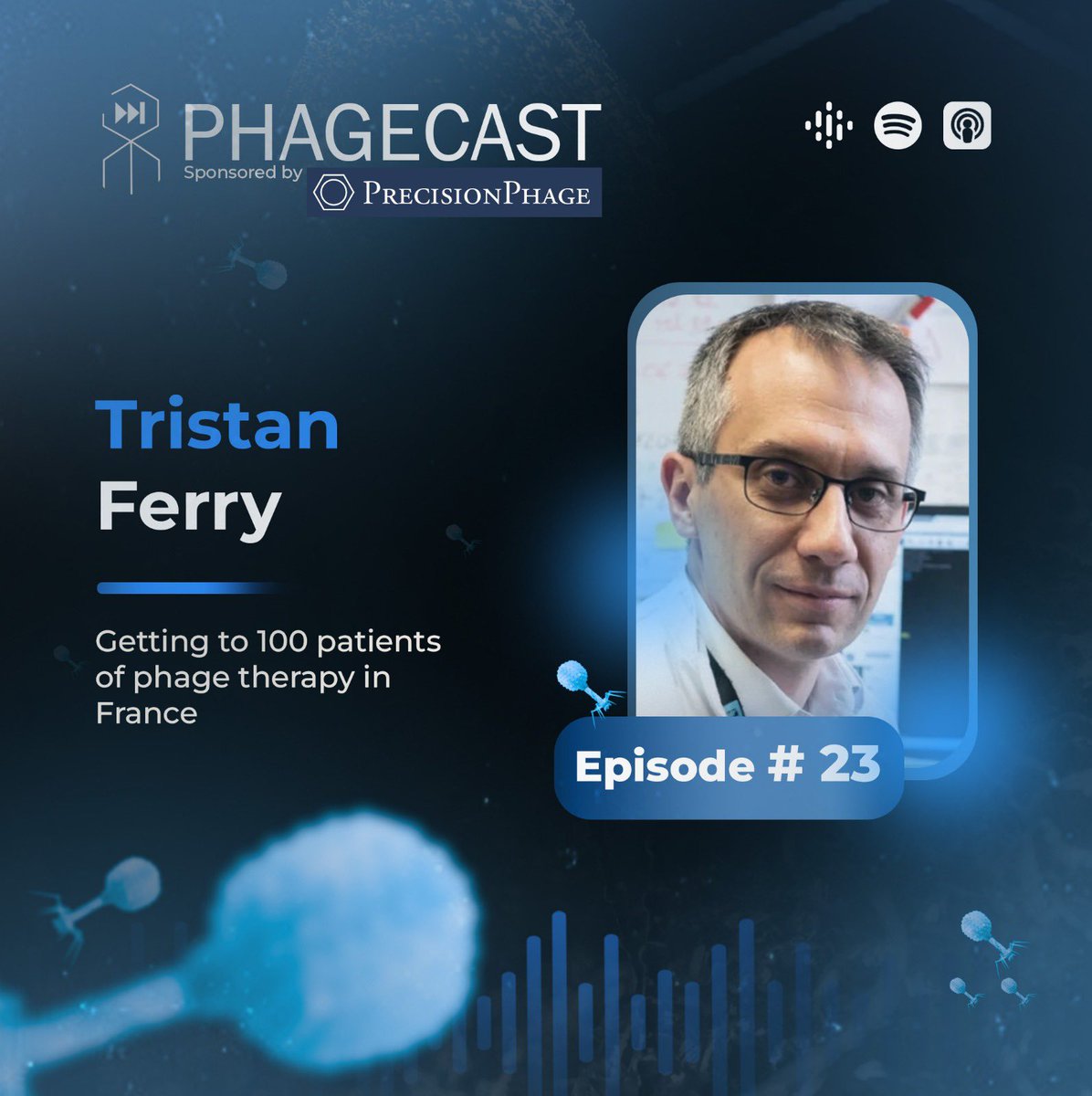
🎙️We are happy to share our most recent episode with @FerryLyon
We talk about how phage therapy is managed in France and focus on how phages are used against implant-associated infections, what are the pathogens involved and what is the best phage administration route.
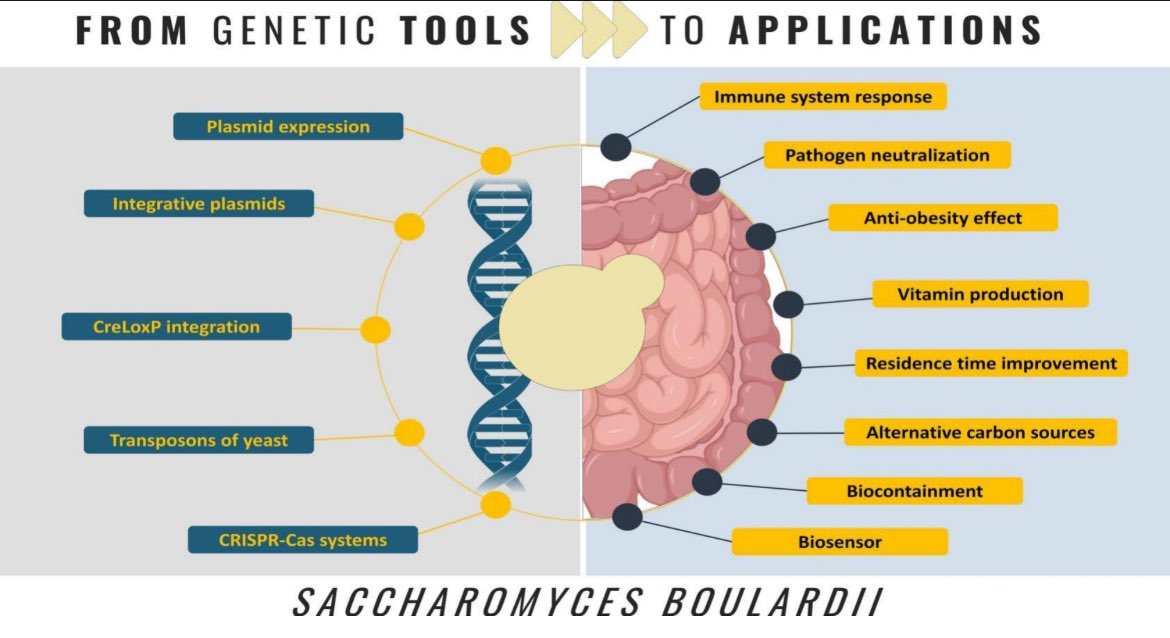
We are happy to share our most recent publication, the title says it all. Genetic engineering of Saccharomyces boulardii: Tools, strategies and advances for enhanced probiotic and therapeutic applications.
#probiotic#engineering
Find it in https://t.co/xoiHjytZ03
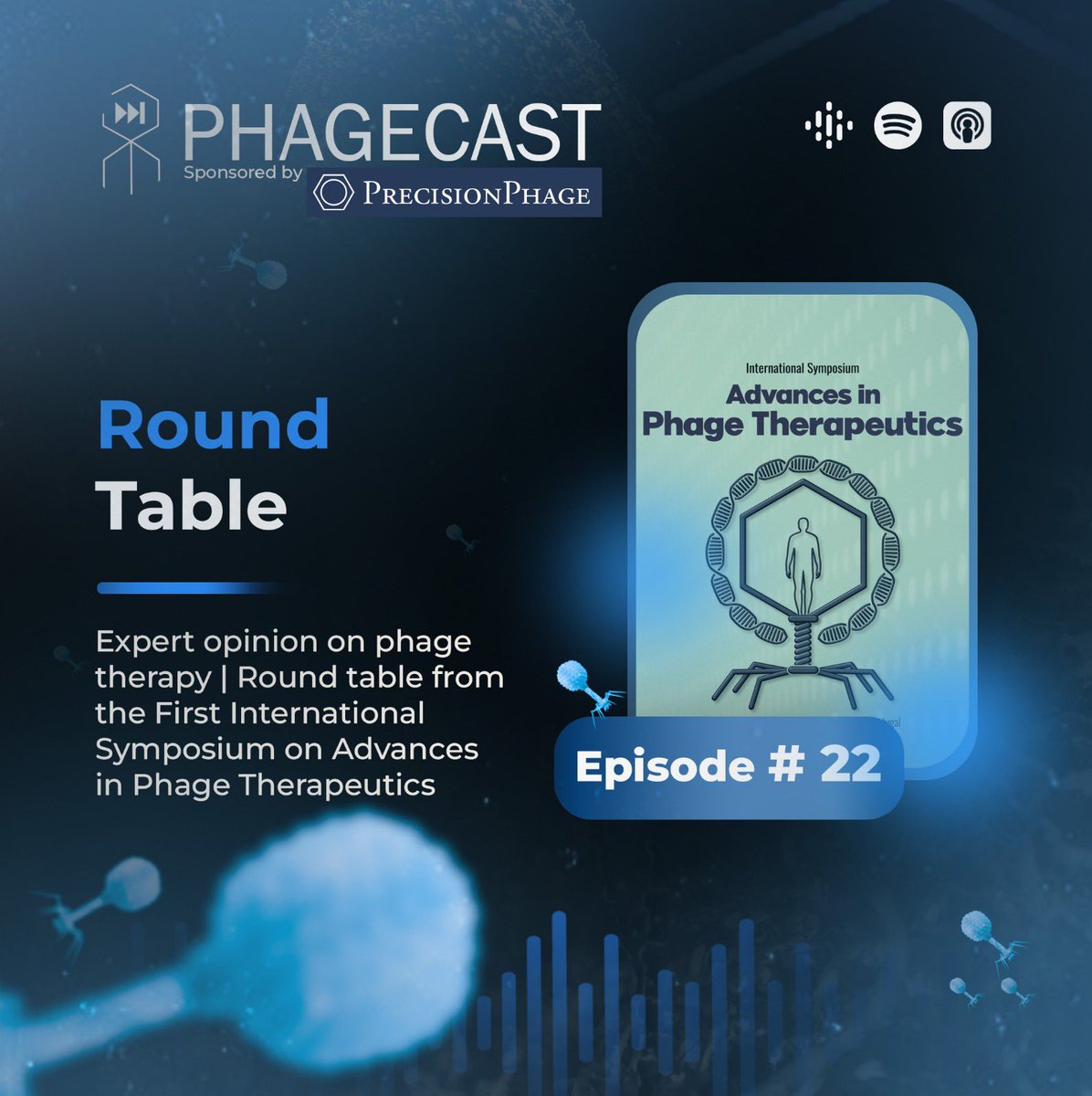
🎙️ New episode out!
This time it´s not us speaking, you will hear experts opinion on phage therapy, a round table from the First International Symposium on Advances in Phage Therapeutics @AzeredoLab
All the open questions about phage therapy discussed in one place! Enjoy!
Science is a road of failure- and those failures always bring lessons.
In our 2nd anniversary special episode, we revisit the best answers to one of our favourite career questions:
“Was there any failure that set you up for future success?”
“Do you have a favourite failure?”
We are pleased to announce the most recent publication of our lab with @AzeredoLab and @TomohisaHasunu1 lab from Kobe University.
Find out how we engineered yeast to display and secrete the endolysin Ply511 against Listeria monocytogenes: https://t.co/uGfbgSzXgS
@DavidSaezMo
🎙️New episode! We interview @bollyky , MD, PhD, PI of the Bollyky Lab at Stanford Medicine.
He shares insights on phage biology and its impact on the immune system!
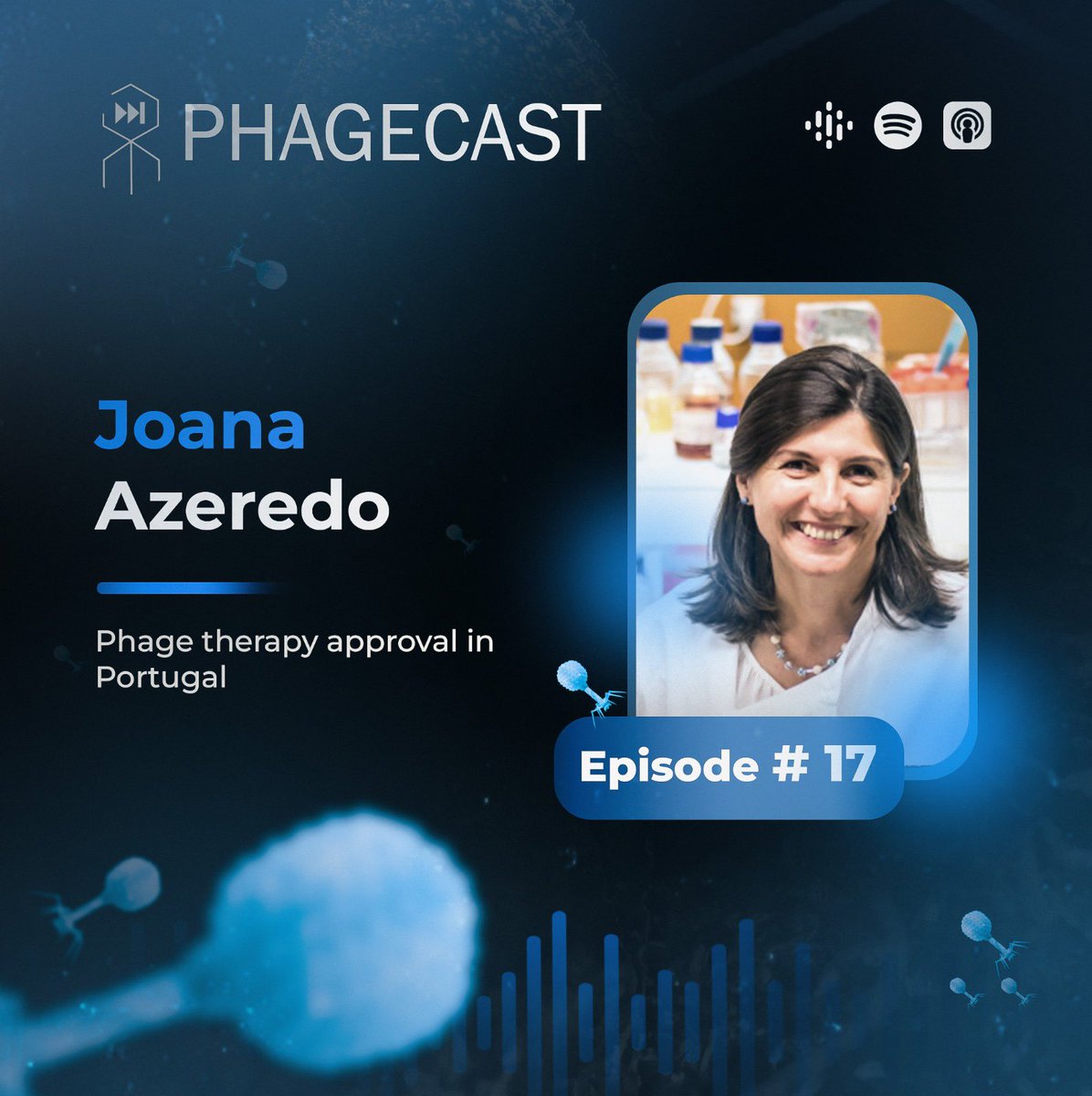
We are very proud to anounce this month’s Podcast Episode: Phage Therapy in Portugal & Upcoming Symposium
In this episode, we speak with @azeredo_joana (@AzeredoLab) about the recent approval of phage therapy in Portugal and what it means for hospitals, doctors, and patients.
Excited about the future of phage therapy? 🌟
Join leading experts at the 1st International Symposium on Advances in Phage Therapeutics!
🗓️ 16-17 June 2025, Braga, Portugal
📋 Abstract deadline: 15 Feb 2025
Details: [https://t.co/ldFXO2VyLT]"
We built a 3phage-cocktail against 143 APEC strains, with one of the widest host ranges reported to date. We analyzed their genomes, resistance to pH and Temperature. We also tested their activity against #biofilms formed on biotic and abiotic surfaces.
Second part coming soon!
Really happy to share a result of a long-time collaboration with the phage team in Wroclaw University of Environmental and Life Sciences.
This is special for me since this was the group were I got my first contact with #phages (2018!).
The paper:
https://t.co/if1I90mlIw
Did you know that capsid capacity can be an issue when doing #phage engineering? Peter Braun explains this during the recent episode we published together.
Head to this episode chapter: phage engineering for the detection of Klebsiella
https://t.co/rHYtsRPj6I
#phage#klebsiella










![AzeredoLab's tweet photo. Excited about the future of phage therapy? 🌟
Join leading experts at the 1st International Symposium on Advances in Phage Therapeutics!
🗓️ 16-17 June 2025, Braga, Portugal
📋 Abstract deadline: 15 Feb 2025
Details: [https://t.co/ldFXO2VyLT]" https://t.co/PRtLD3zz1z](https://pbs.twimg.com/media/GhMLH3DWwAAKKIS.jpg)


