@LAnderson_Frank In Canada argument was that it was consequence of strict parking minimums and density bonuses? Not sure if Germany has similar regulations
@jo3hill Generally agree - but land is finite. So you need flexibility in programmes where one site can deliver many outcomes e.g. transit-oriented development
@LAnderson_Frank Pretty similar political economy and de facto planning system though? E.g. using discretionary planning to get a 'good deal' for local community
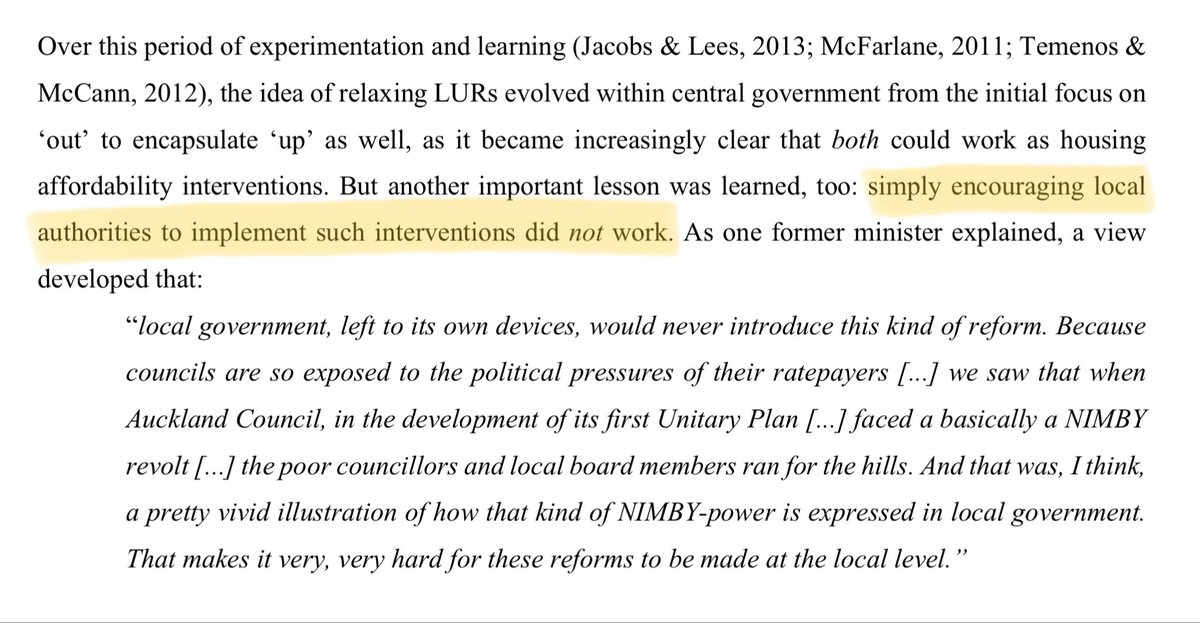
Fascinating read on the politics that enabled the New Zealand land use reforms. Especially interesting from the perspective of recent reforms in BC. And the central insight that breaking through NIMBY opposition requires intervention by higher levels of government.
@SMTuffy One (but not the only) factor here is the mandatory amortization of developer costs starting in 2022. Because of forced amortization, a lot of developer salaries fall to the bottom line as taxable phantom "income," which significantly raises the cost of employing developers.
A friend of mine is opening two warehouses 60 minutes from each other in similar neighborhoods. One in Washington State another in British Columbia.
The US one was built and operational in 3 months. The Canadian took 24 months *just* to get gov't approvals required.
@JenStDen @TomDavidoff Continually impressed with the Tyee's coverage thanks! Hopefully someone can mockup a new Kits Pool with wave-dissipating bio-enhancing structures
@JenStDen @TomDavidoff Great reporting. Just confused why the answer is being framed as elusive/impossible? Lots of ocean front lidos exist in far worse climates e.g. https://t.co/i18dKw46G4
Canadian physical retail generally does well.
Would guess that relatively slow online delivery is the cause. Amazon Prime here often means 4-7 day delivery...
@AnnaClarke_____@AntBreach There are a % where retrofit is risky and densification needed anyway, where demolish/rebuild could work.
Will take time to design incentives and grow market for that though
Big UK developers are thought to stifle competition and innovation.
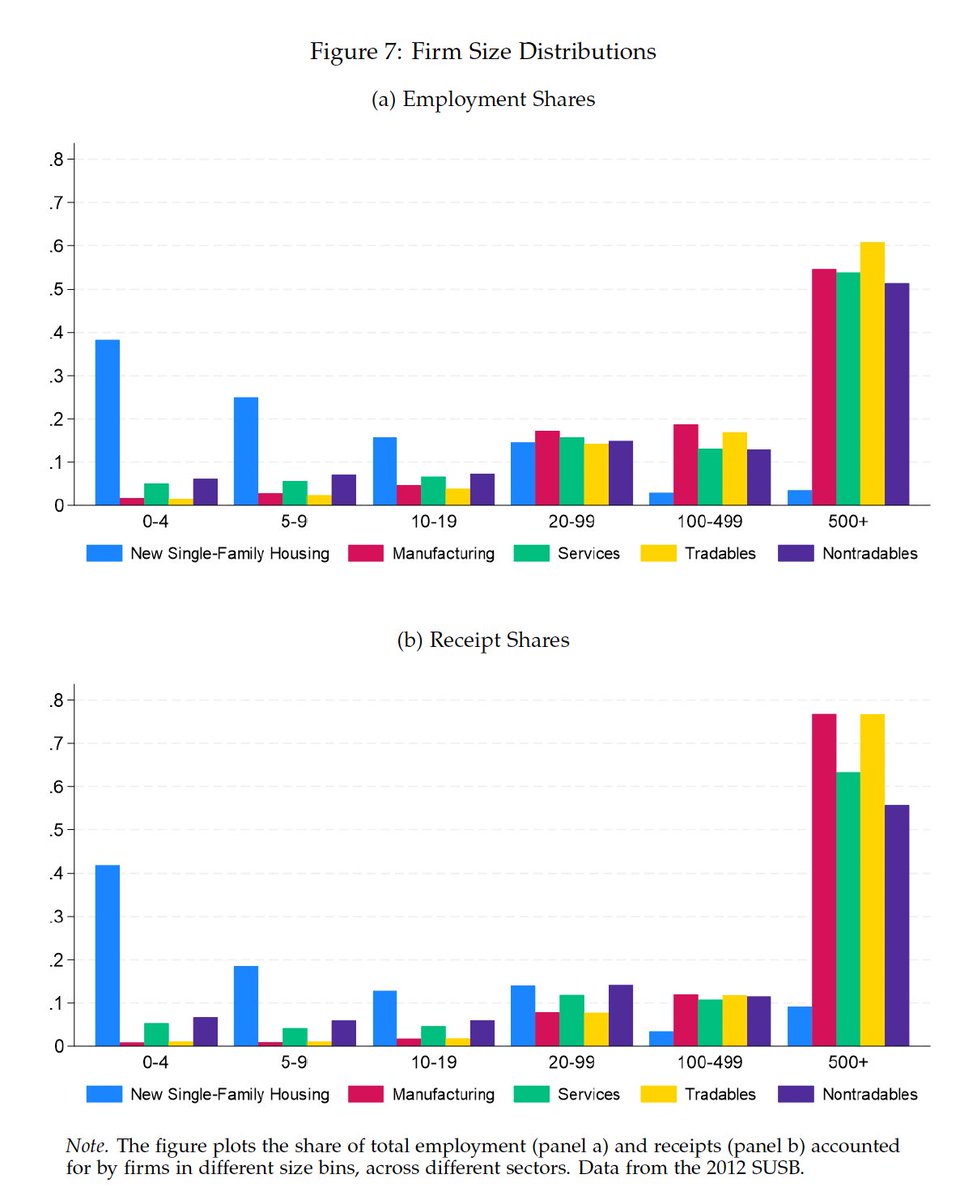
Construction firms being *too small*, also a UK dynamic, may also reduce investment and productivity.
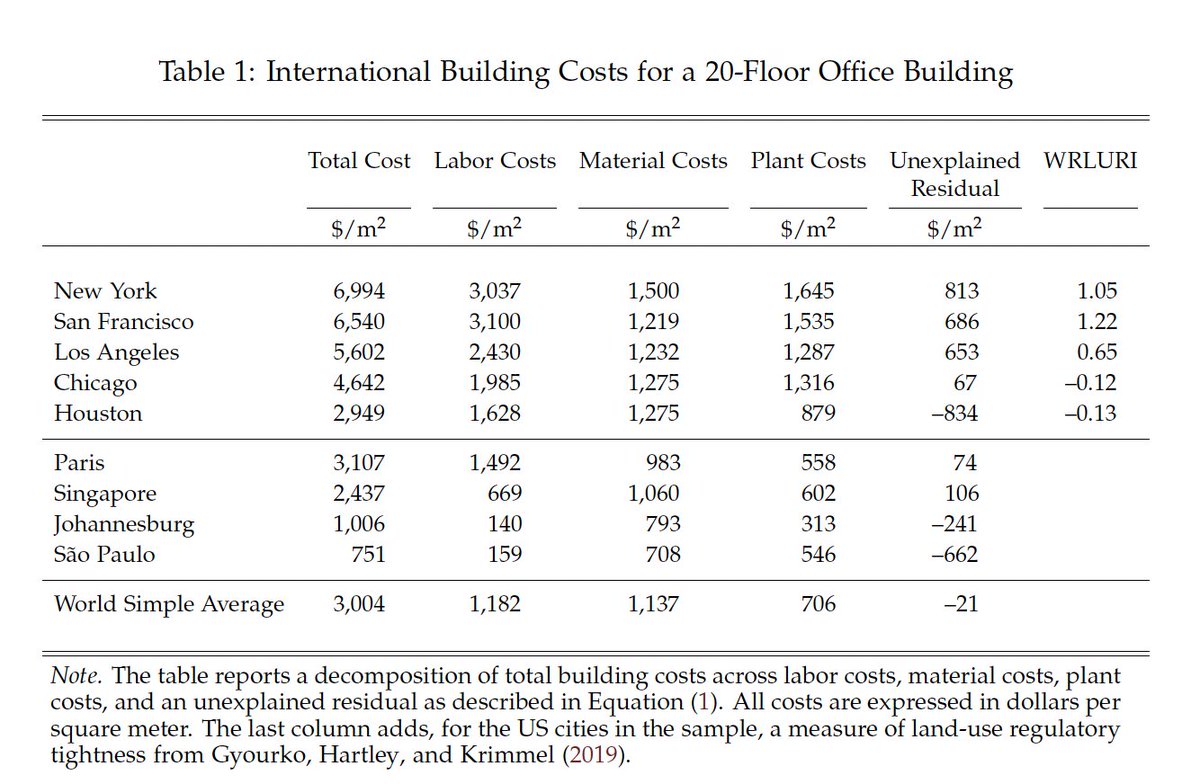
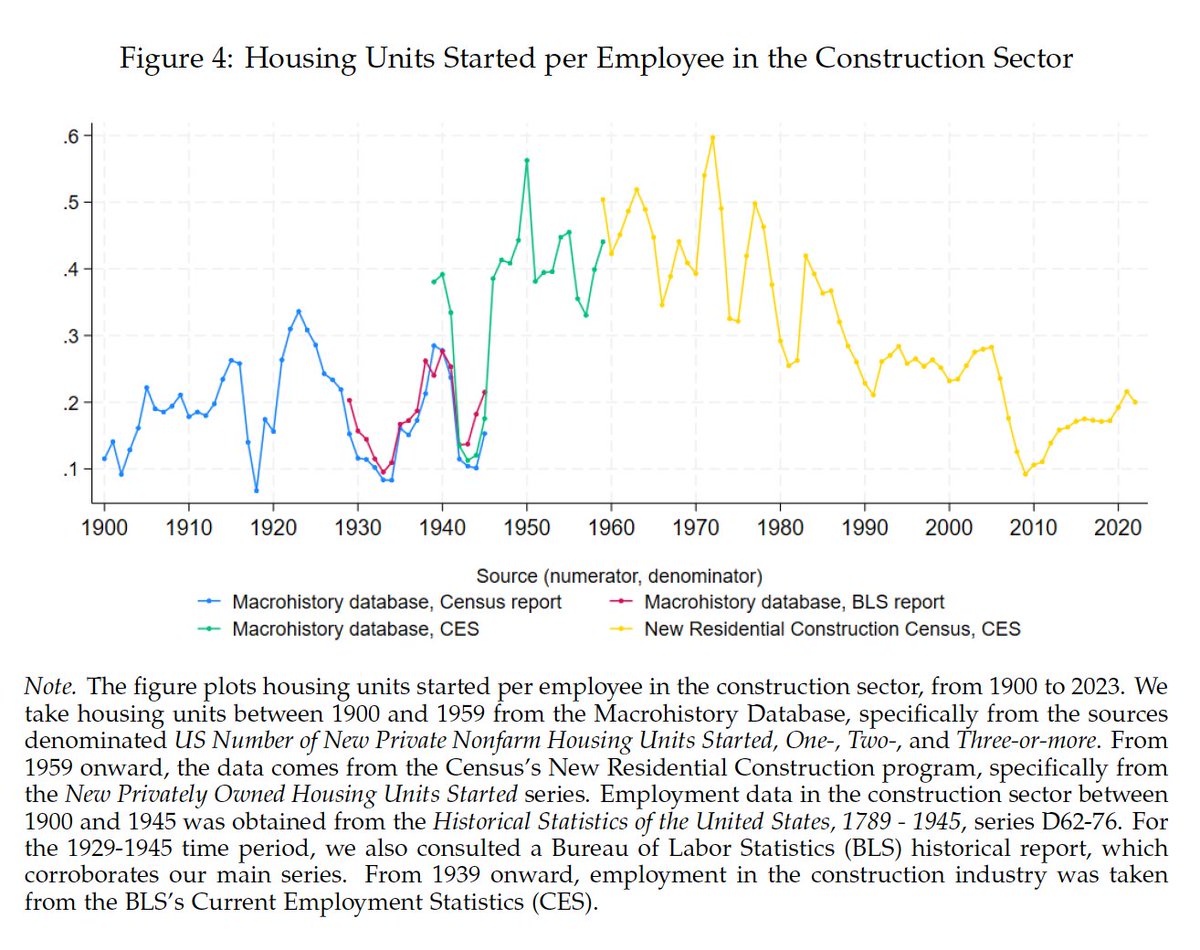
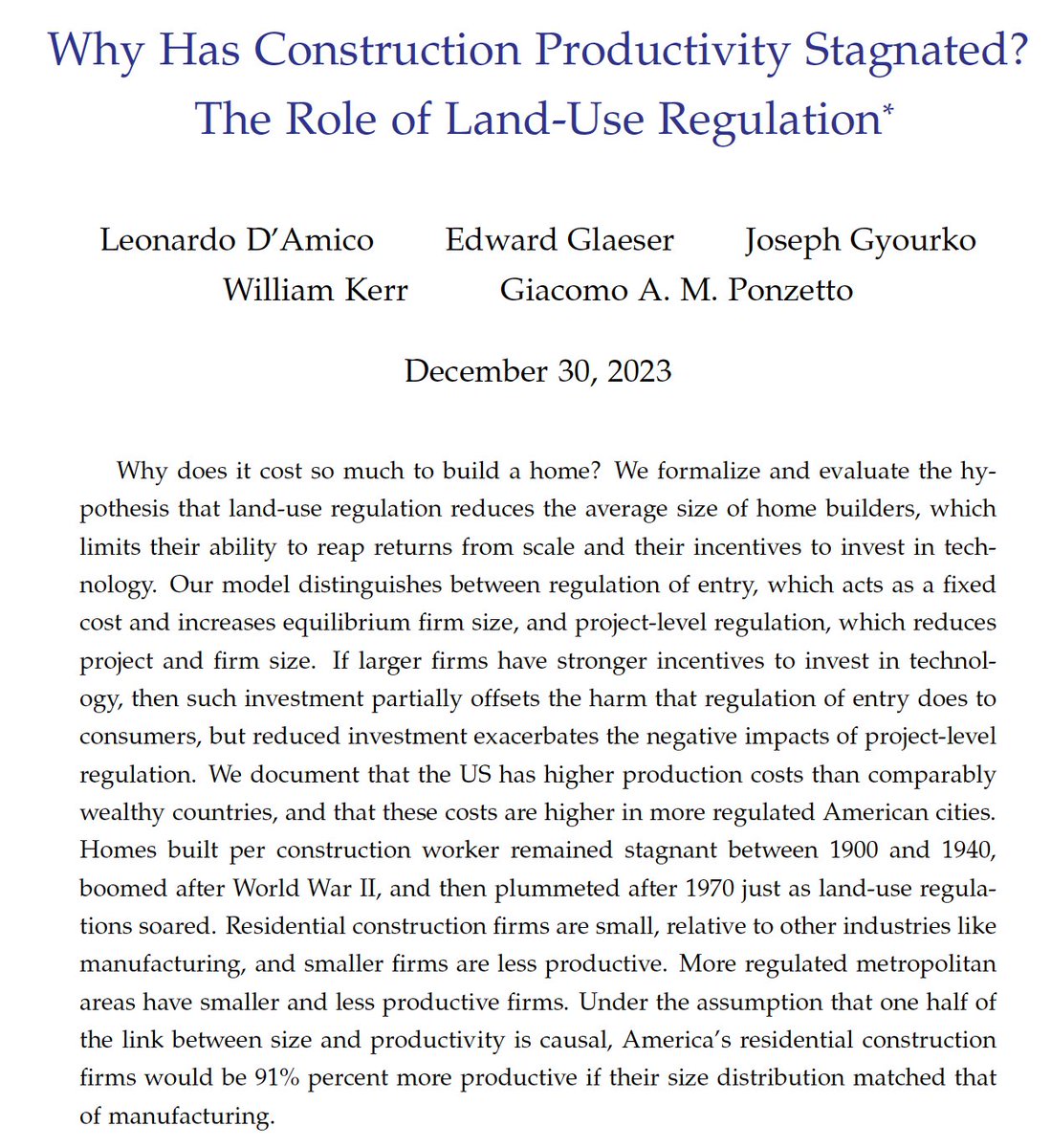
One of the biggest puzzles with housing affordability is why construction productivity growth is so low.
This paper by an all-star team suggests an answer: housing regulation lowers scale of builders, limiting incentives to invest in innovative technologies.