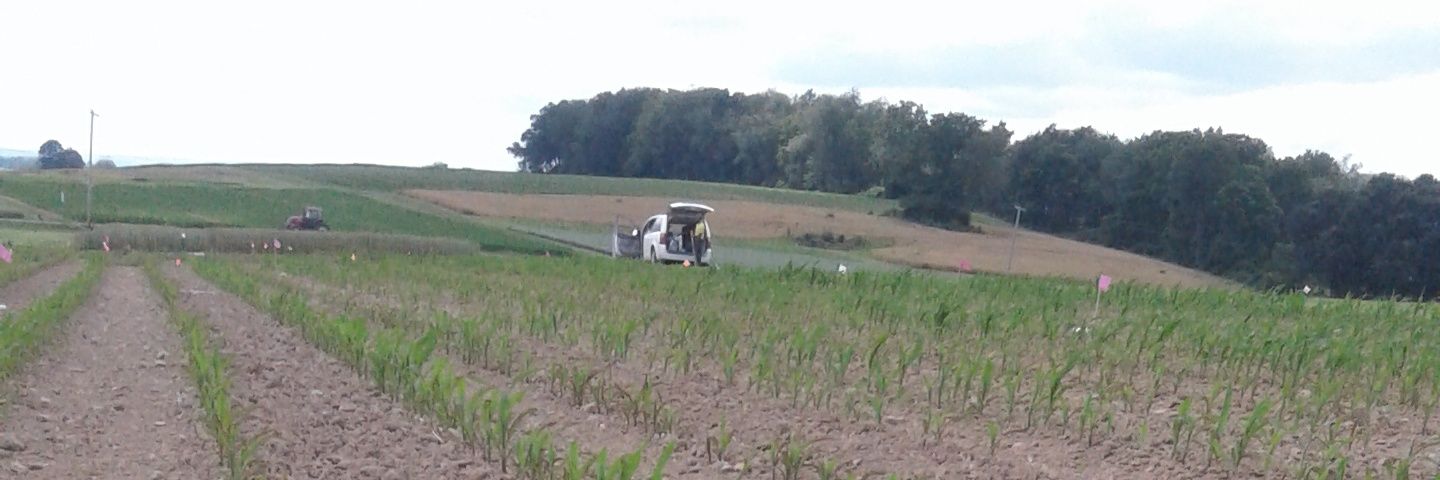
A new study by @DebSahas, @jashanjeet_kaur, @FacundoLussich, @USDA_NIFA, @UTIAg covers long-term cover cropping and nitrogen fertilization impacts on net global warming potential of continuous no-till cotton cropping systems.
Read it here: https://t.co/z6m0Yoqvlz
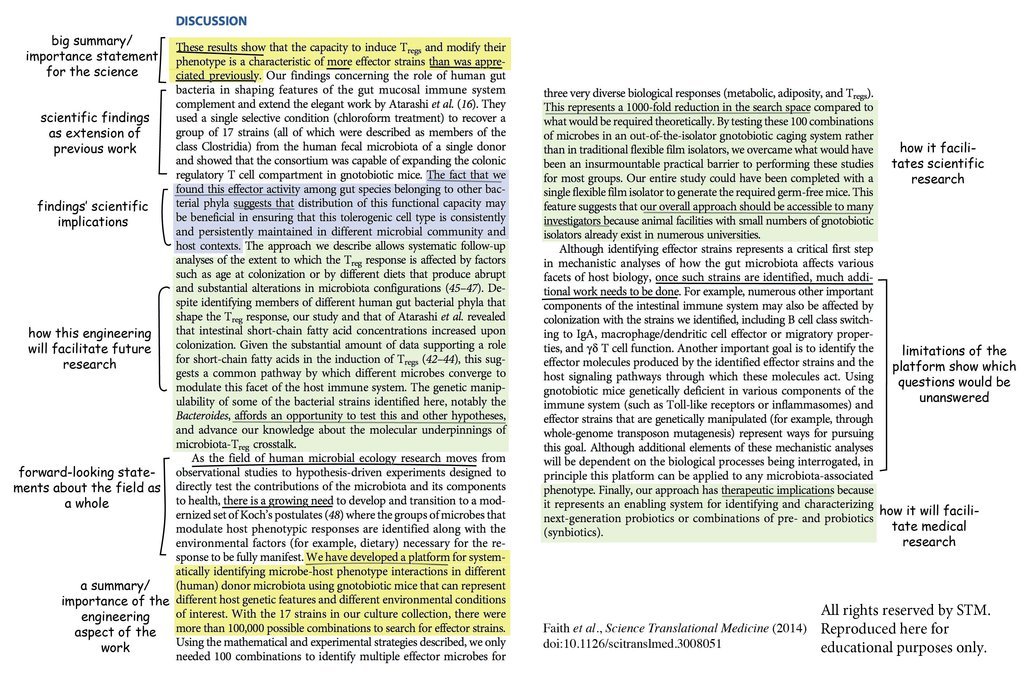
PhD Students - Here is an example of a good conclusion.
A good conclusion should have the following 6 parts.
𝟏. 𝐑𝐞𝐬𝐭𝐚𝐭𝐞 𝐭𝐡𝐞 𝐑𝐞𝐬𝐞𝐚𝐫𝐜𝐡 𝐏𝐫𝐨𝐛𝐥𝐞𝐦
Begin by revisiting the research problem or question that your paper addressed. This reminds the reader of the core focus of your study and sets the stage for summarizing your findings.
𝟐. 𝐒𝐮𝐦𝐦𝐚𝐫𝐢𝐳𝐞 𝐊𝐞𝐲 𝐅𝐢𝐧𝐝𝐢𝐧𝐠𝐬
Provide a brief summary of the main findings of your research. Highlight the most significant results and insights that emerged from your analysis. This should be concise and focused on the most impactful data.
𝟑. 𝐃𝐢𝐬𝐜𝐮𝐬𝐬 𝐭𝐡𝐞 𝐈𝐦𝐩𝐥𝐢𝐜𝐚𝐭𝐢𝐨𝐧𝐬
Explain the implications of your findings. Discuss how they contribute to the existing body of knowledge, their practical applications, or their relevance to future research. This helps to contextualize your work within the broader field.
𝟒. 𝐀𝐜𝐤𝐧𝐨𝐰𝐥𝐞𝐝𝐠𝐞 𝐋𝐢𝐦𝐢𝐭𝐚𝐭𝐢𝐨𝐧𝐬
Address any limitations of your study. Acknowledging these limitations demonstrates academic integrity and provides a balanced view of your research. It also opens the door for future research opportunities.
𝟓. 𝐒𝐮𝐠𝐠𝐞𝐬𝐭 𝐅𝐮𝐭𝐮𝐫𝐞 𝐑𝐞𝐬𝐞𝐚𝐫𝐜𝐡 𝐃𝐢𝐫𝐞𝐜𝐭𝐢𝐨𝐧𝐬
Based on your findings and limitations, propose areas for future research. This can inspire other researchers to explore related questions and expand on your work.
𝟔. 𝐄𝐧𝐝 𝐰𝐢𝐭𝐡 𝐚 𝐒𝐭𝐫𝐨𝐧𝐠 𝐂𝐥𝐨𝐬𝐢𝐧𝐠 𝐒𝐭𝐚𝐭𝐞𝐦𝐞𝐧𝐭
Conclude with a powerful statement that reinforces the importance of your research. This could be a call to action, a thought-provoking quote, or a reflection on the broader implications of your work. Anything you'd like to add?
For more, please subscribe my newsletter.
Newsletter Link: https://t.co/5t7Z1AIuh9
Anything you'd like to add?
#phd #research #conclusion
All rejected papers share one common flaw: a weak discussion section.
I know because I used to write them too.
If you're stuck on the discussion section,
wondering how to tie it all together,
this is for you:
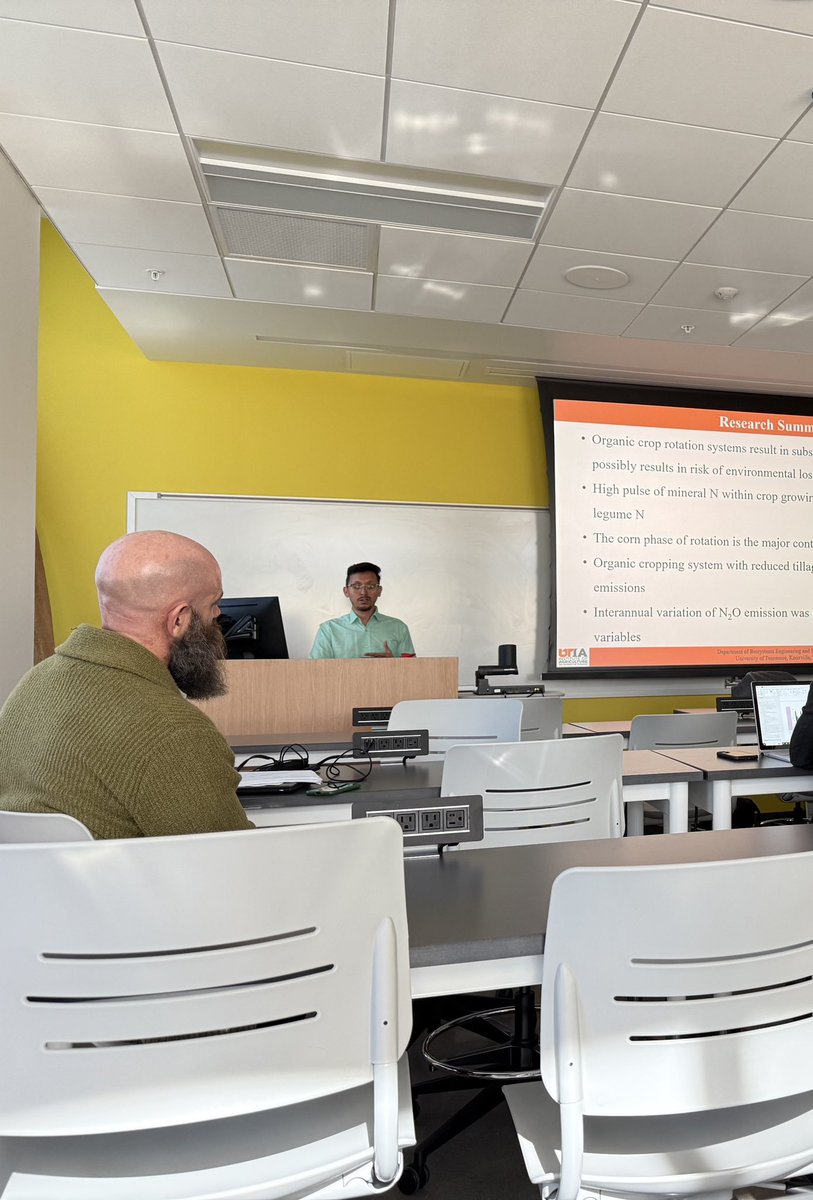
First lab graduate is always a special moment!
Congratulations Dr. Arjun Chhetri! It was wonderful to work with you. I look forward to see you flourish in your future career 👍
Thanks to the committee members @JagadammaSindhu @JennDeBruyn @DButlerUT#PhD#academia#mentorship
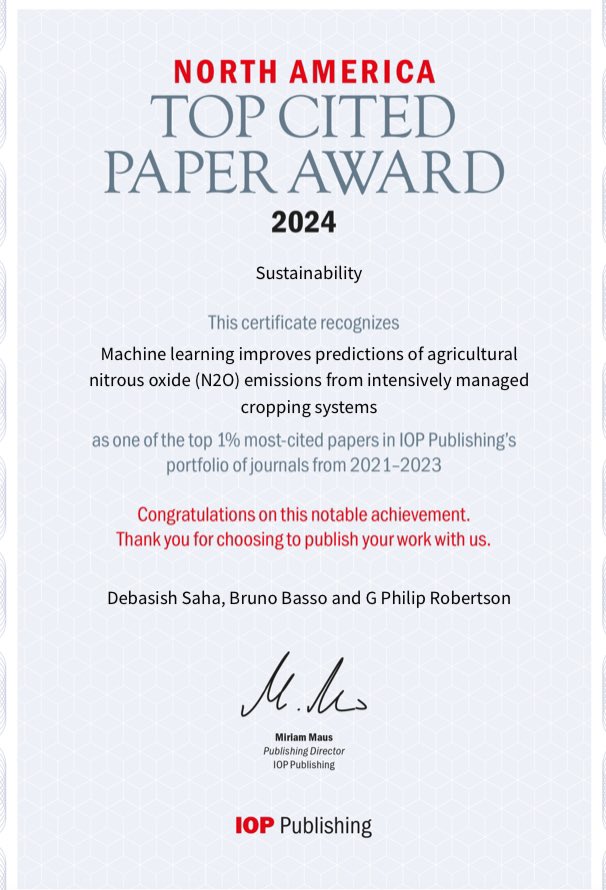
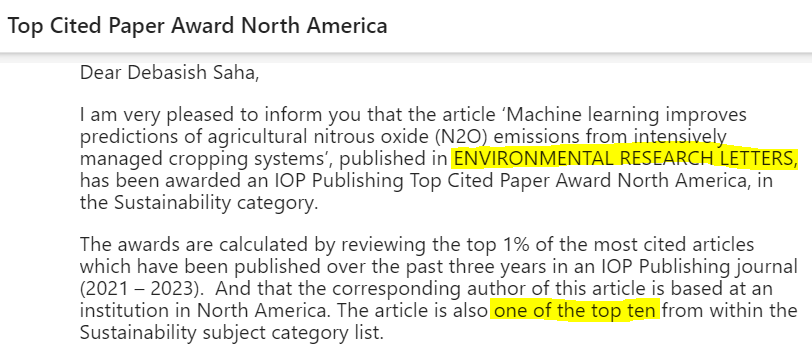
Top #citation Award: Exciting to see that researchers around the world found our paper (DOI 10.1088/1748-9326/abd2f3) useful in their research.
Best #recognition to have as a researcher!
@GLBioenergy@UTIAg@KBSLTER
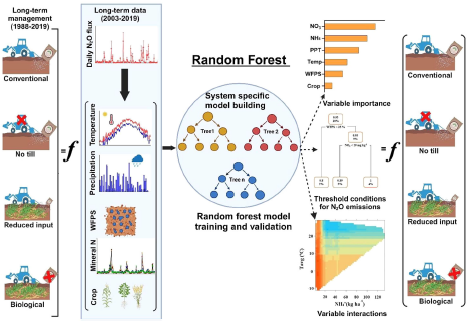
Differential drivers of #N2O under diverse long-term cropping systems #MachineLearning
We present 17-y data from @KBSLTER. Great work by @jashanjeet_kaur@dineshpanday
The original idea started in 2020 - some concepts take time to evolve! #persistent
https://t.co/5jWphOtkeR
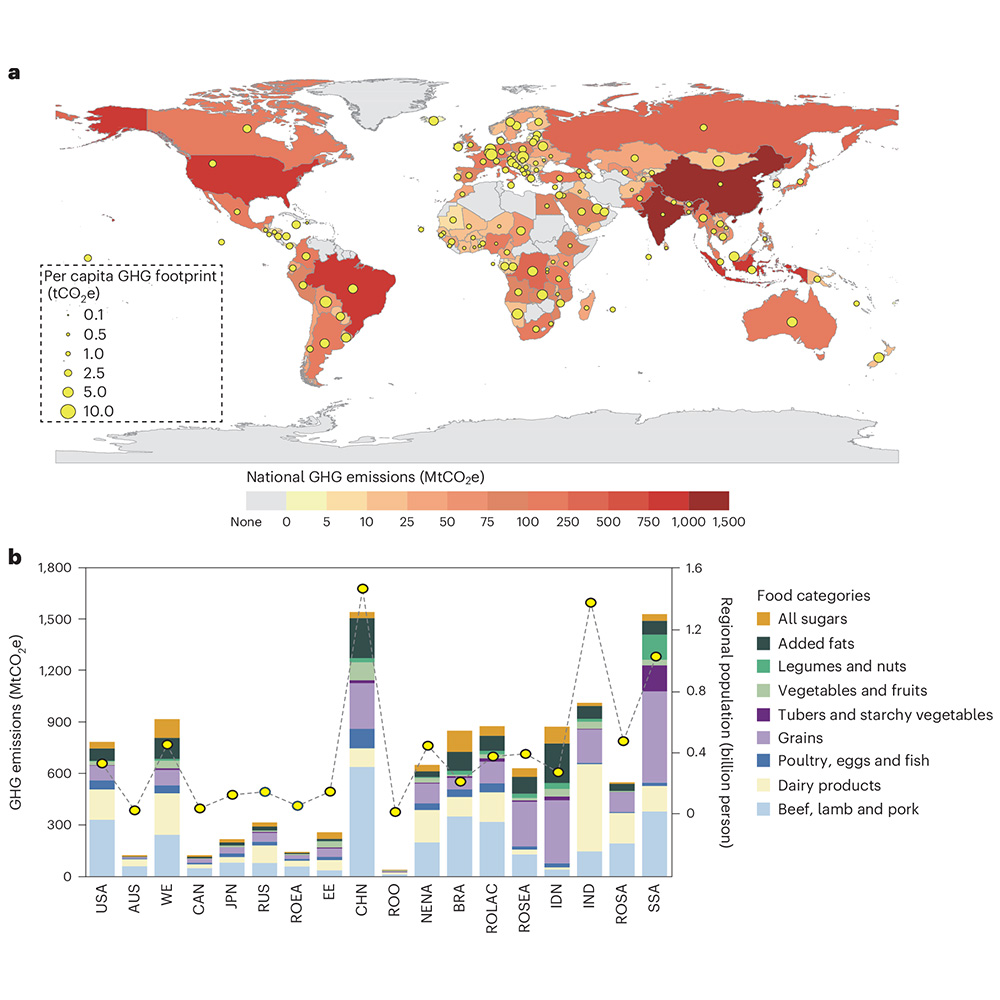
Greenhouse gas emissions associated with global food supply chains could fall by 17% if people change their food choices towards more plant-based diets, reports a study published in @NatureClimate. https://t.co/c0LWsjbvto
@XiaZhuBarker Did you check nitrate at those depths? I won’t be surprised to have nitrate >5ppm in corn in early July at those deeper layers. If so, that nitrate should be enough to produce N2O. The important question is how did it diffuse out from that deep soil!
Article alert!📢
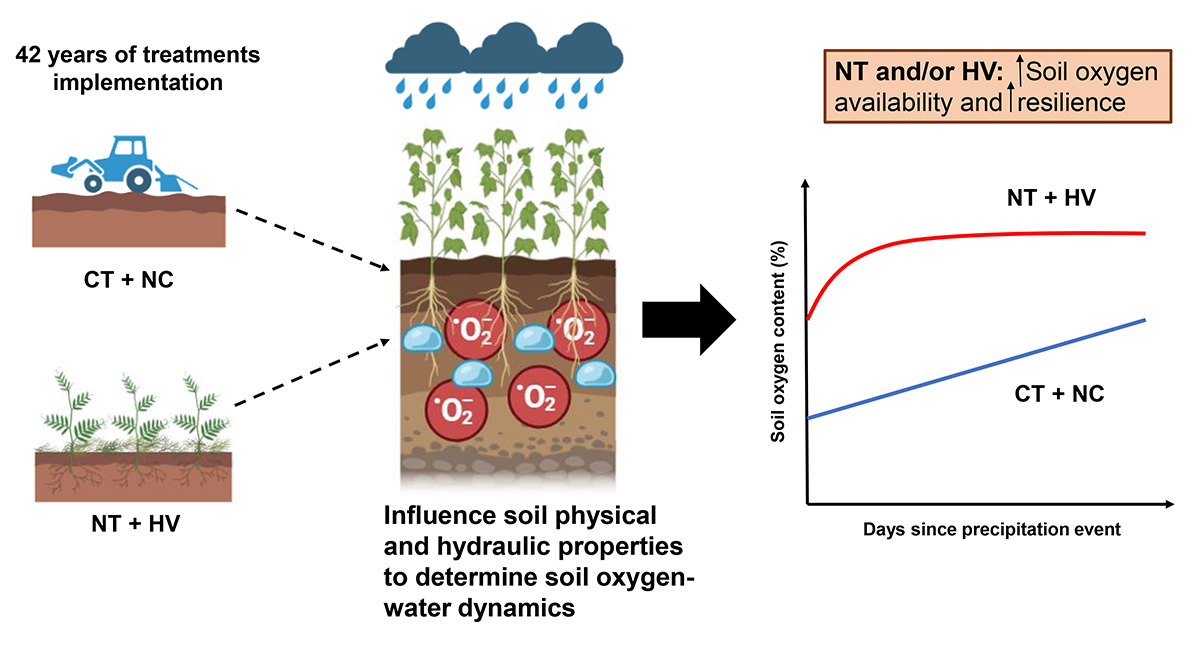
Forty-two years of no-tillage and cover cropping improved soil oxygen availability and resilience https://t.co/Um4uek8rn4
Research letter by Lussich & colleagues #OpenAccess@UT_Herbert@UTAgResearch@UTIAg