Fifty years ago, Dr. Robert Gallo and colleagues at NCI discovered IL-2, helping lay the groundwork for cancer #immunotherapy. Dr. Steven Rosenberg reflects on how that discovery changed what was possible.
Jack Little Symposium coming up.... Innovation in Radiation Sciences‼️
What a beautiful day to be listening to the one and only @rweichselbaum . The Q&A should be one for the ages😅
@HarvardChanSPH
Seminars in Radiation Oncology is pleased to share "Software Tools and Simulation Exercises for Radiation Oncology Cyber-Attack Resiliency" by Dr. Yevgeniy Vinogradskiy @JeffersonUniv & Dr. James Lamb @UofCalifornia
https://t.co/Zjg6QSgnlo
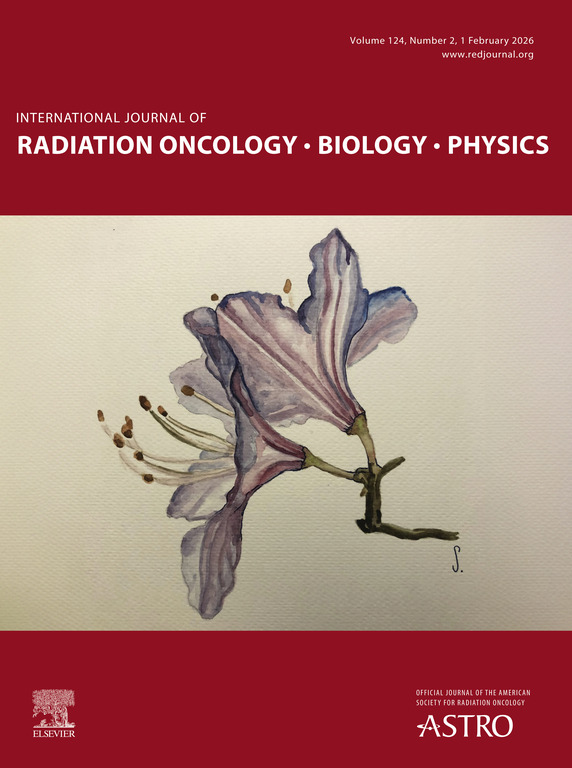
📢Check out the June 1 #RedJournal@IJROBP issue that comes with an appropriately summer-themed cover image & a whopping 5⃣ stellar #radbio articles💪
Ringing in (quote by @sueyom ) a "biology-dense" summer😀
➡️https://t.co/3xtRqZ5MP8
Stay tuned for a couple of amazing bio podcasts coming your way as well❤️❤️
HPV vaccines. CAR T. Checkpoint inhibitors.
So many of the advances we rely on today started with NCI-supported research. That long arc of investment matters. #AACR2026
Today, we’re launching an initiative we’re calling #YourNCI that highlights how valuable the public investment in cancer research is – and how it pays off in cancer prevention, screening, diagnosis, survivorship and better, more effective treatments.
We invite researchers, clinicians, and the broader community to share their perspectives. Your insights can help shape the future of cancer research and discovery. Share your thoughts below and be part of the conversation.
At #AACR26? Stop by booth #736 to share your perspective in person.
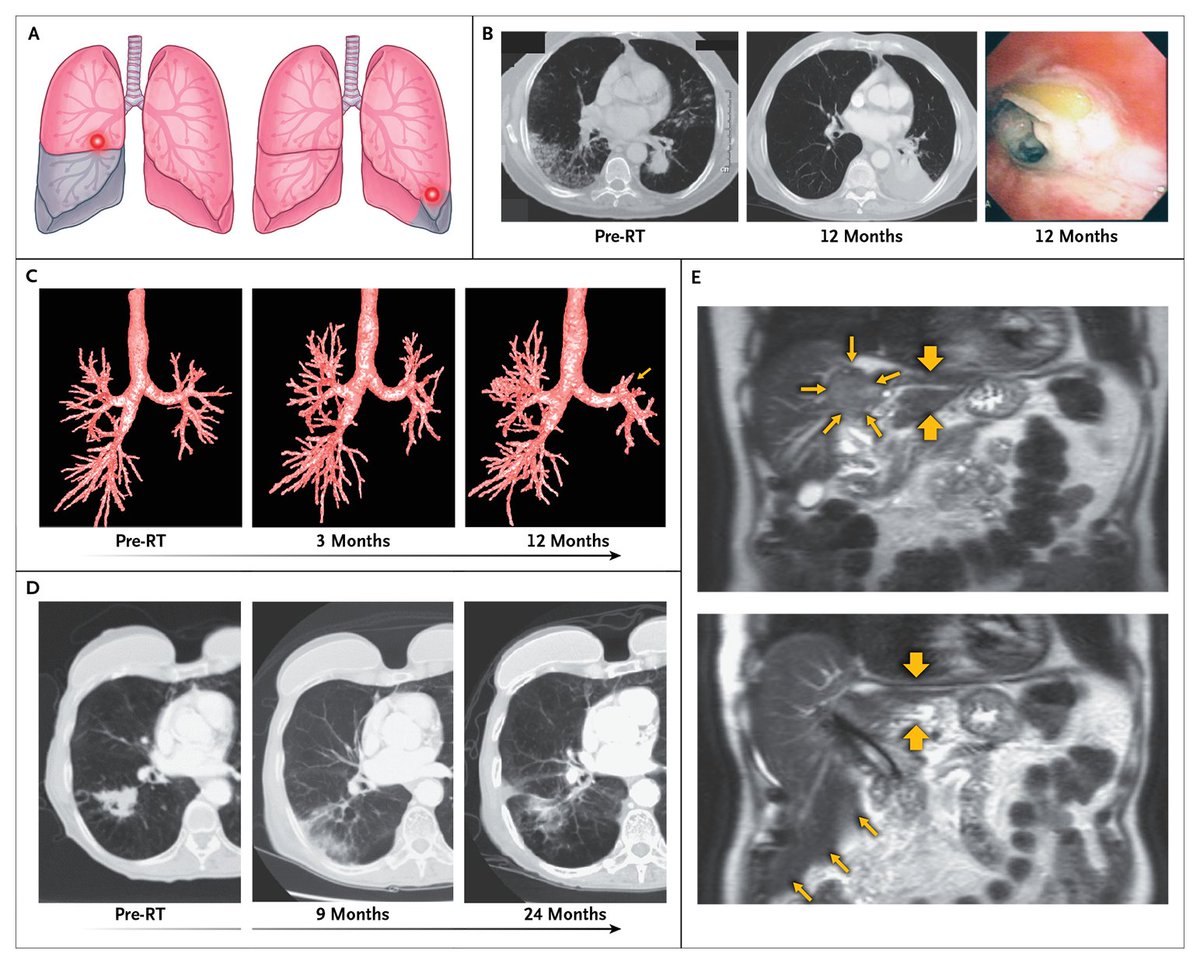
I am so honored to have had the opportunity to collaborate with @BobTimmermanMD to update the NEJM readership on the recent developments in our field that aim to increase efficacy and prevent/mitigate side effects.
𝗕𝗶𝗼𝗹𝗼𝗴𝗶𝗰 𝗨𝗻𝗱𝗲𝗿𝗽𝗶𝗻𝗻𝗶𝗻𝗴𝘀 𝗼𝗳 𝗦𝗶𝗱𝗲 𝗘𝗳𝗳𝗲𝗰𝘁𝘀 𝗼𝗳 𝗥𝗮𝗱𝗶𝗮𝘁𝗶𝗼𝗻
Radiobiologic models developed with the use of characteristics such as mitotic capacity, tissue hierarchy, and differentiation state can predict responses in normal tissue at the levels of the cell, tissue, and organ. For example, the interaction of the dose and volume of radiation with the risk of effects in normal tissue is tissue- or organ-specific and dependent on the organization of the smallest functional subunits (e.g., nephrons, neurons, or alveoli) within the tissue. For some organs in which the functional subunits are organized in parallel (e.g., nephrons in the kidney), approximately a third of the total volume of the organ must be spared from receiving a relatively low threshold dose to maintain functional organ viability. The remaining two thirds of the organ constitutes a functional reserve. In contrast, when functional subunits are arranged in series (e.g., spinal cord neurons), even a focal injury threatens organ function (e.g., spinal cord myelopathy). Tissues with parallel organization generally have a higher tolerance for radiation than tissues with serial organization. Ablative treatments such as stereotactic ablative radiotherapy are more likely to have an acceptable safety profile when applied in and around tissues with parallel organization or in tissues capable of compensatory hyperplasia after injury than in serially functioning tissues (seen in figure).
Learn more in the Review Article “Effects of Radiotherapy in Normal Tissue” by @DeborahCitrin, MD, and Robert D. Timmerman, MD (@BobTimmermanMD), from the National Cancer Institute and @UTSWMedCenter: https://t.co/glyNSgSazP
📢The February issue of the #RedJournal is out and it has soooo much great #radbio in it🔥🔥🔥
Where to begin❓
Highly timely review: Radiation-Induced Lymphopenia: From Mathematical Modeling Toward Mechanistic Learning ‼️
⚠️OPEN ACCESS https://t.co/YOB4EZyxAc
With accompanying commentary by @CGrassberger & Team🙏🙏🙏
⚠️https://t.co/YhBOI7xESO
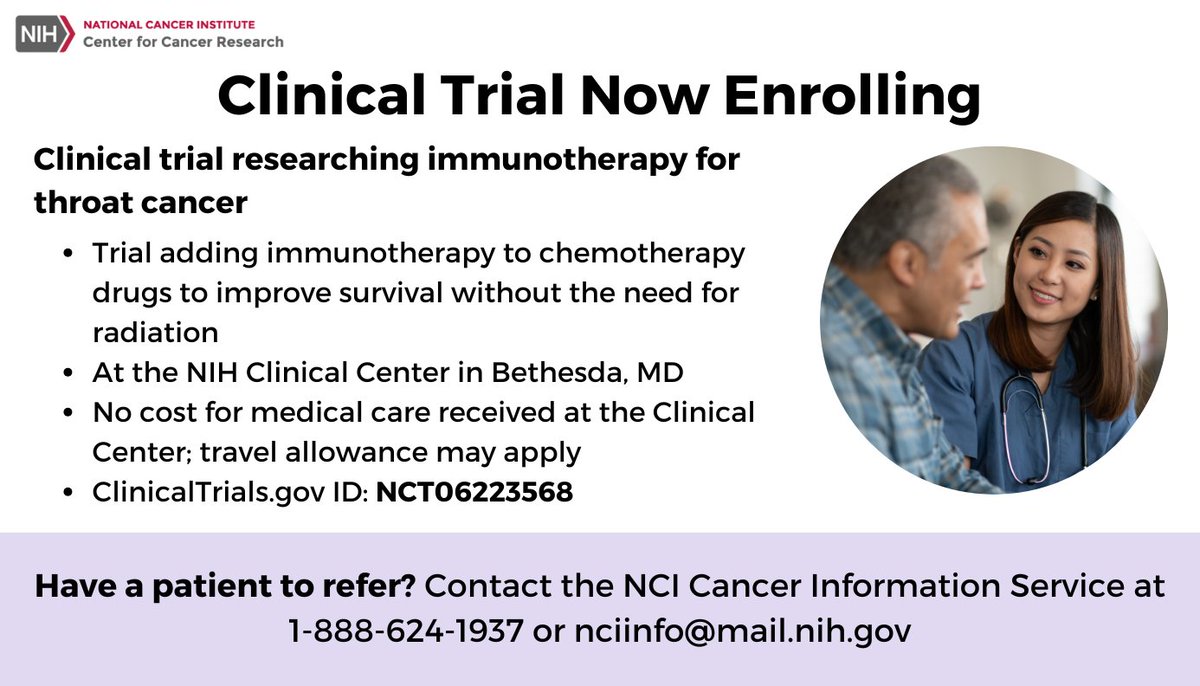
SEEKING PARTICIPANTS: An NCI #ClinicalTrial is researching immunotherapy for people with #ThroatCancer. The trial will take place at the @NIHClinicalCntr in Maryland, and there is no cost for medical care or participation. https://t.co/mTkKGCOliz #HeadAndNeckCancer
A randomized trial showed noninferiority of stereotactic body radiotherapy to conventionally or moderately hypofractionated radiotherapy in preventing biochemical recurrence in selected men with localized prostate cancer. Full PACE-B trial results: https://t.co/5mTbDkQsn9