With the UN Food Systems Summit around the corner, you will hear much about agricultural subsidies. This can be a complex topic, so here's an explainer! #foodsystems
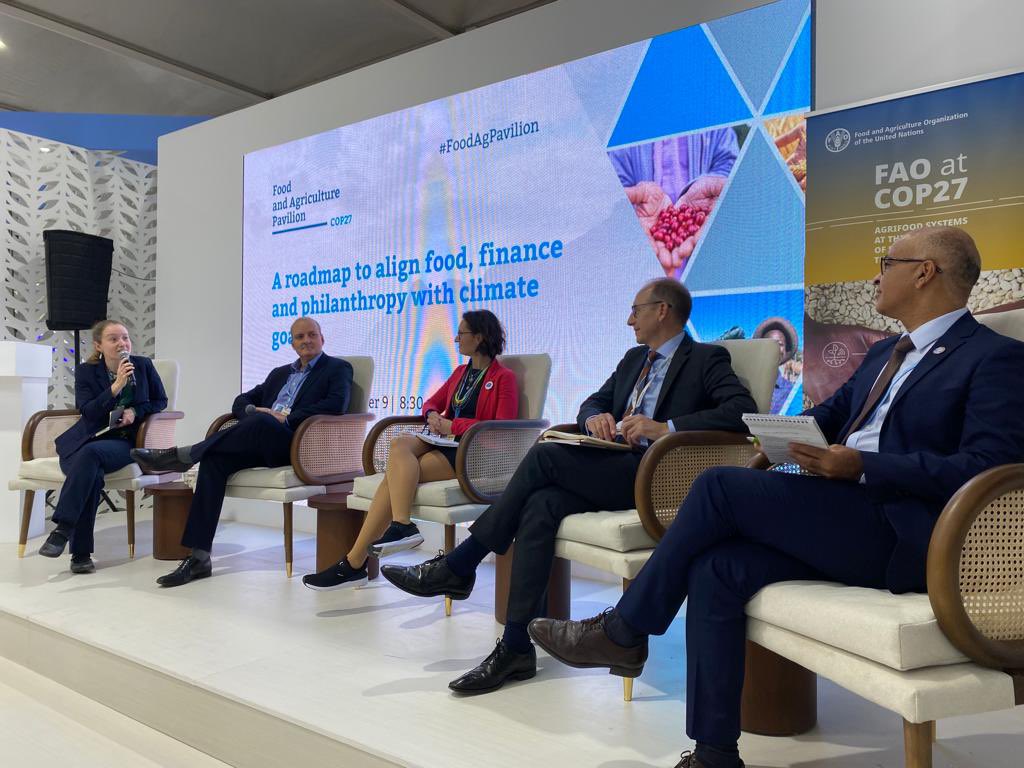
A FAIRR panel at #COP27 today discussed work on a 1.5C roadmap for global agriculture similar to the @IEA ‘Net Zero by 2050’ roadmap for energy. @ZitouniOuldDada, Deputy Director at FAO, confirmed work is underway at the FAO with the aim of publishing a roadmap by COP28.
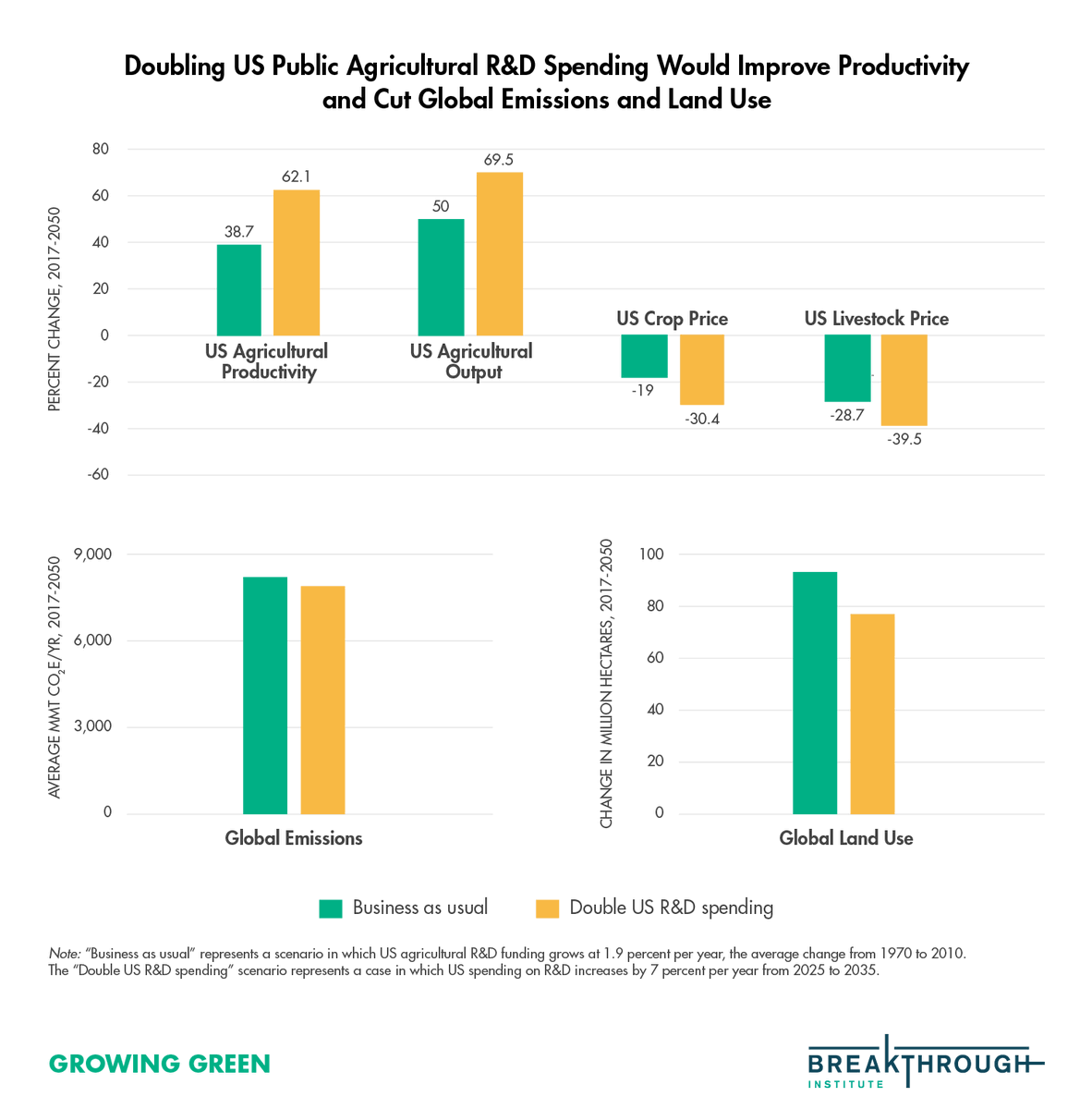
Federal & state agricultural R&D is key to long-term advances in productivity, reductions in food prices, and climate mitigation, as our new @TheBTI report with modeling from Uris Baldos @PurdueAgEcon details. https://t.co/3BjOQ28ok2
Love @ApolloSurveys' way of learning: a specialist identifies who & what to ask, then readers get to see the full range of scientific opinion.
Some Qs yield consensus with outliers, others a uniform distribution over a range, & some views are polarized (bimodal). That's science!
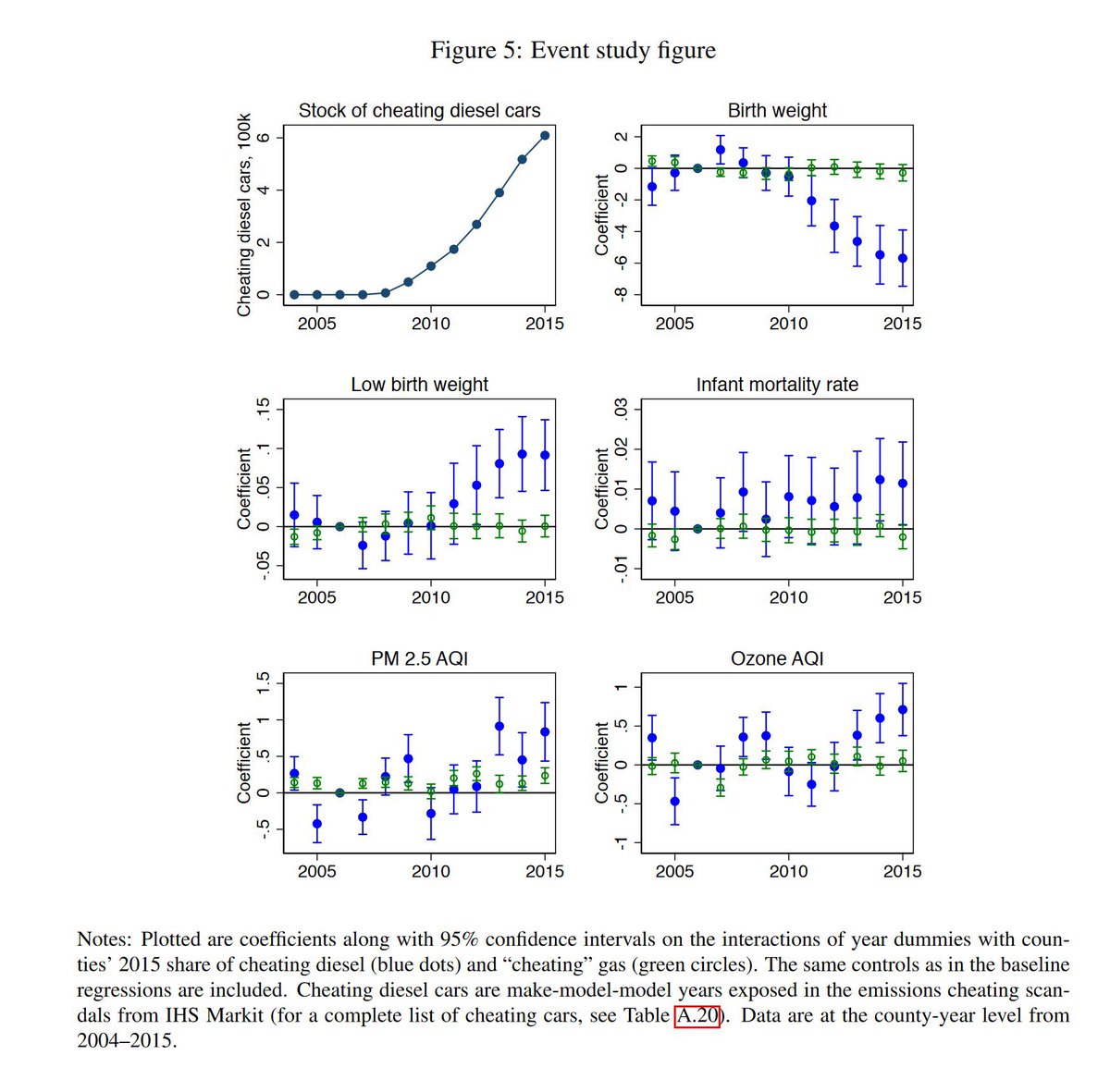
Air pollution from cars is terrifying. Just one Volkswagen diesel that cheated on emissions tests per 1,000 cars upped infant mortality by 1.7%!
It shows "moderate amounts of car pollution impair population health at all pollution levels and across the socioeconomic spectrum."
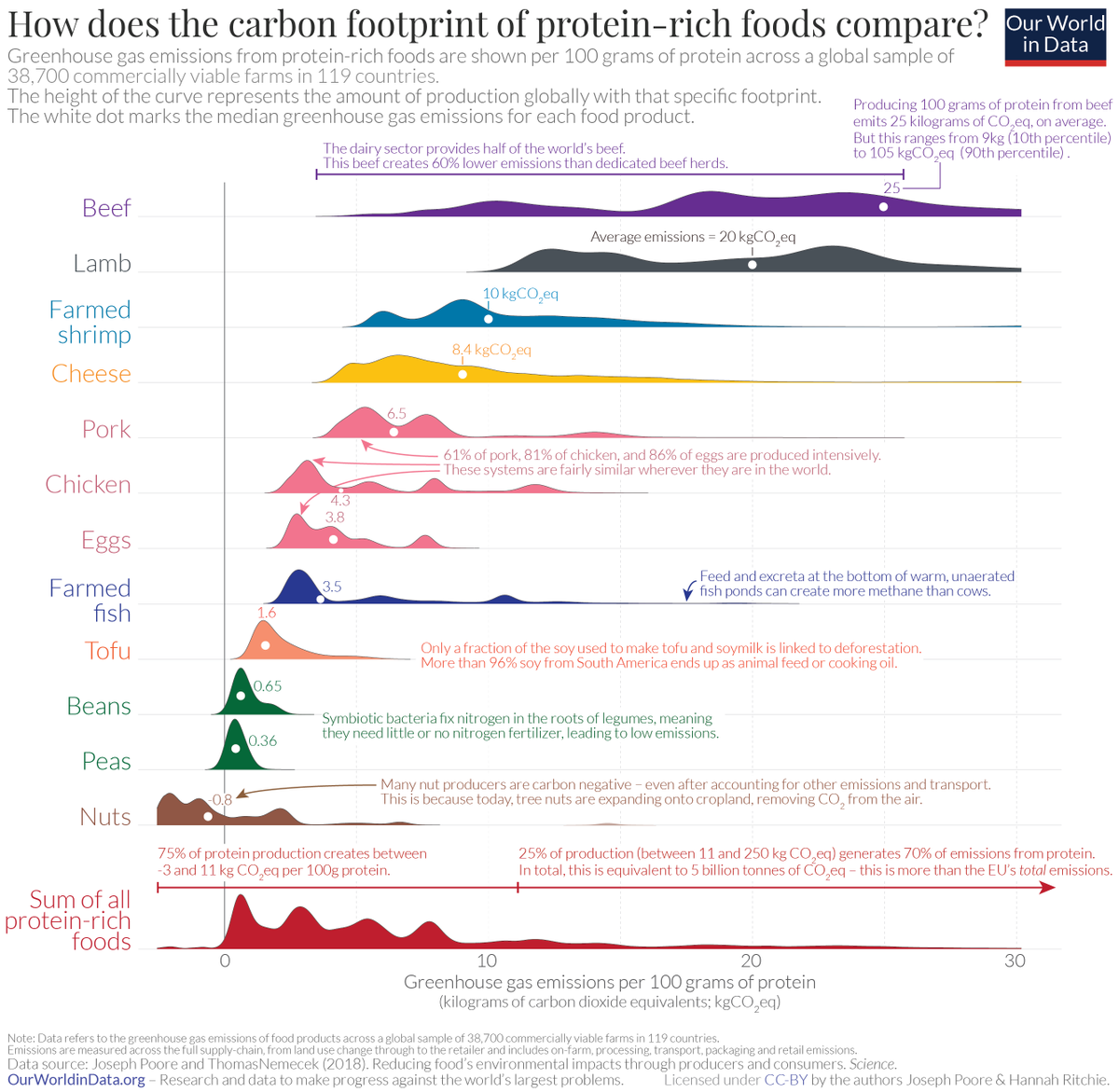
An issue when comparing the average carbon footprint of food is that it hides the variation *within* a given food.
But the key message doesn't change: the 'best' (lowest impact) meats still tend to emit more than the 'worst' plant-based foods.
https://t.co/xslz3mXDMg
A recent paper in @NatureFoodJnl claimed that 'global food miles' were 20% of food emissions.
And a move to local food was effective to address climate change.
But this is incorrect.
My article on the issues with this study & why this is not the case: https://t.co/ZEfgHAEODD