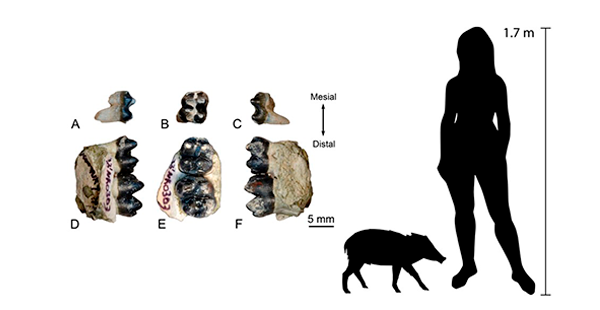
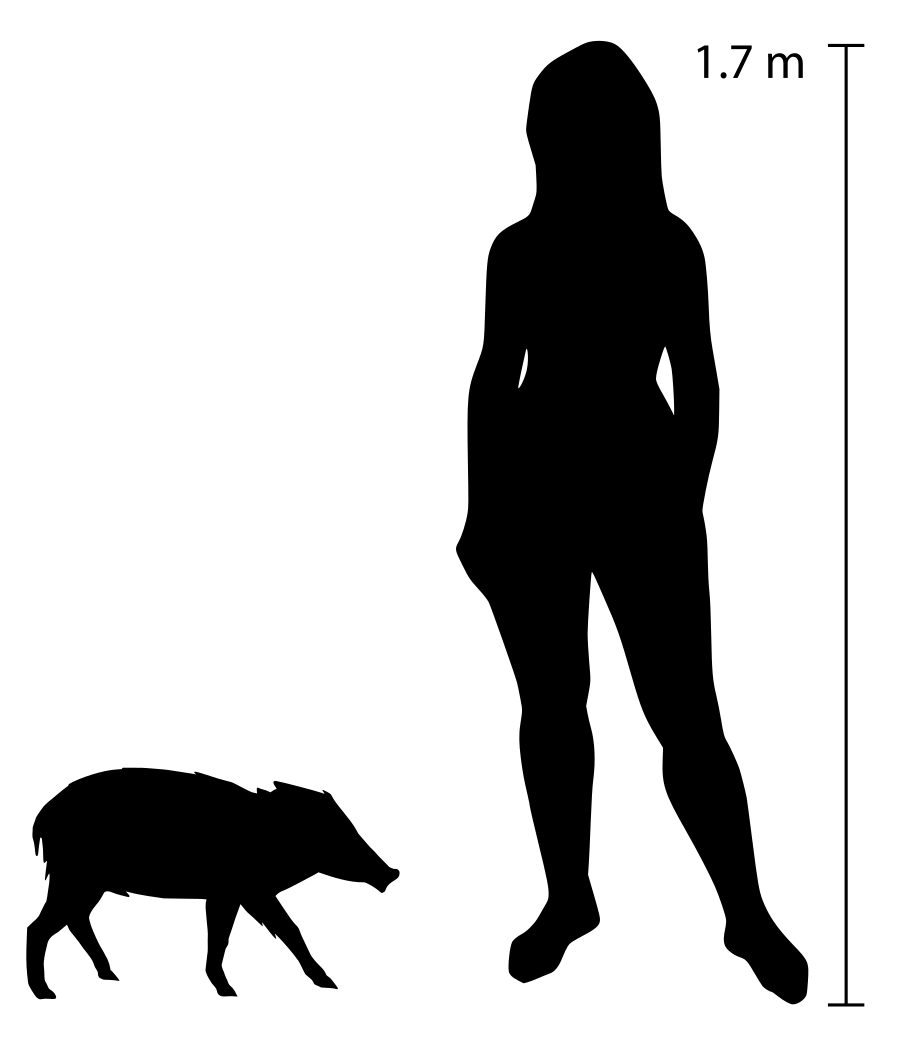
Mini pig cuteness🚨: we found fossils of a mini pig (Cainochoerus) in the southern Kenyan Rift, near Narok, the first reporting of Cainochoerus at the site (Lemudong’o). Link to the article @JVP_vertpaleo : https://t.co/3Tc1SGFq6N
Arctic sea ice has likely reached its maximum extent, at 14.29 million square kilometers (5.52 million square miles) on March 15, edging just below last year’s record and statistically tying for the lowest maximum in the 48-year satellite record. https://t.co/M96P0WRt26
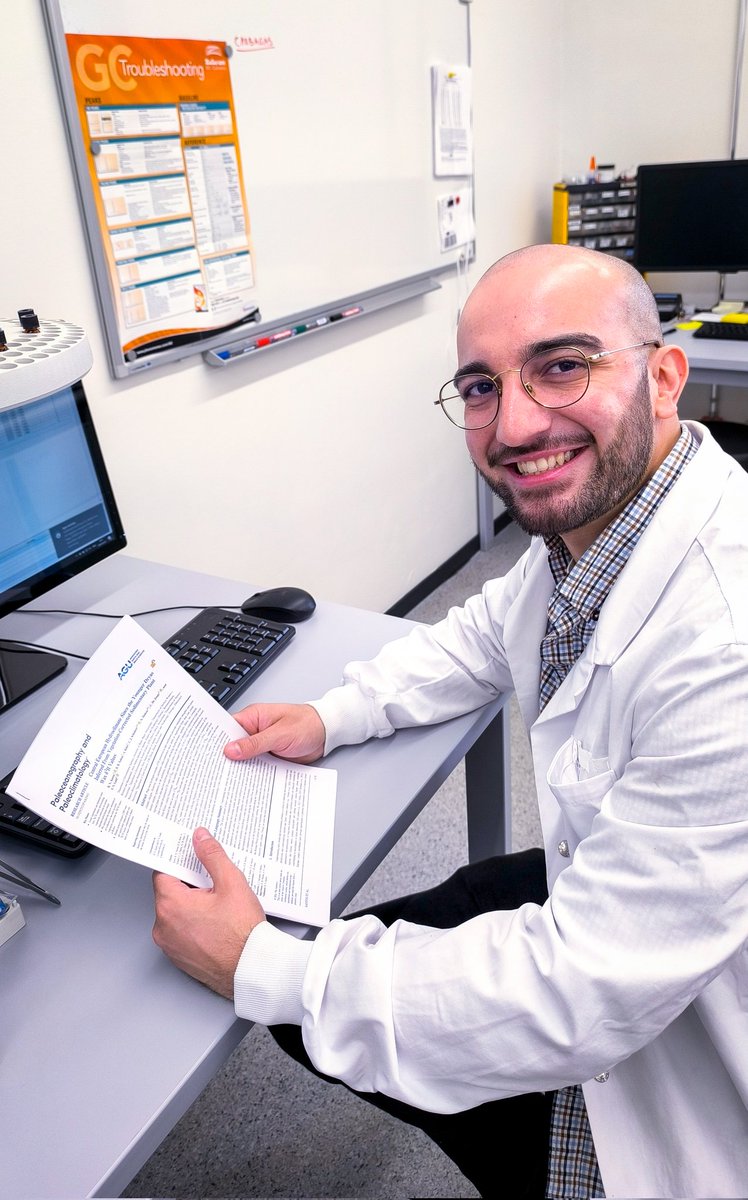
I’m delighted to share our new paper on sedimentary plant waxes and their use to assess past hydroclimate since the Younger Dryas in Central Europe:🍃👨🔬🌦️
https://t.co/RYPrVTeucD
These fossils help understand the composition of African ecosystems during the time when human ancestors were first evolving
Collaborative study by @MidwesternUniv, @museumsofkenya, @ICP_MCrusafont (@ashleyshammond), and others
DOI: https://t.co/x1qYvUCYI3
CERDO PREHISTÓRICO
Descubiertos en Kenia restos de una especie de pequeño cerdo (Cainochoerus) de hace 6 millones de años
📰https://t.co/6sNb0X7CL0
vía @ICP_MCrusafont#Mioceno#Mamiferos
📢📢📢Lectureships at Bristol!📢📢📢
We're hiring 3 x lecturers (=assistant professor) in Biological Sciences, across the discipline.
Great department, great colleagues, great building, great city
https://t.co/2km4EFiFPG
Check it out! We found the first evidence of mini-pigs at Lemudong’o, a 6 million-year-old site in southern Kenya. This is the first new species from Lemudong’o to be published in last 20 years. 🐷🐽🐷
And yes… Ashley Hammond loves little jamones! 🐖
🗞️Mini-pig with a big story: https://t.co/nYQmVqsbPl
New fossil discoveries document the presence of an extinct and unusually small pig, Cainochoerus, in eastern Africa during the late Miocene (~6 Ma). The species was far smaller than any living African pig
Our latest issue is live! https://t.co/V4FncPcgZk
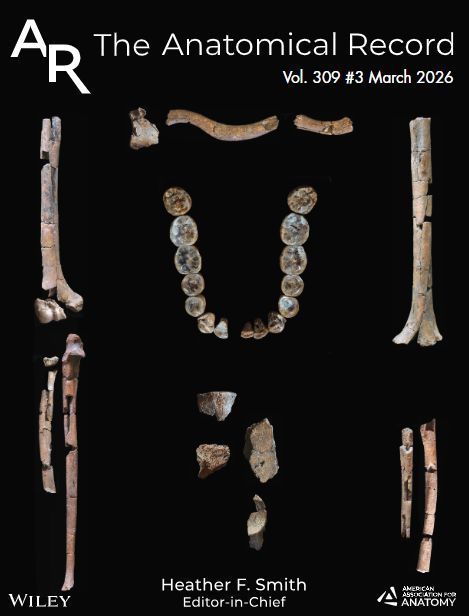
The cover features an exciting new Homo habilis specimen from Ileret by Fred Grine and colleagues: https://t.co/KqinUjikt1
Excellent write-up in @ScienceMagazine by Ann Gibbons (@evolutionscribe) of the exciting new Ileret Homo material: https://t.co/BlxnMwQ0kA
Check out the original AR article by Frederick Grine and colleagues here: https://t.co/KqinUjiSiz
1/ 🦴 Homo habilis skeleton KNM-ER 64061 unveiled – the oldest and most complete postcranial evidence known (~2.02–2.06 Ma). Key for understanding early human biology. #HomoHabilis#PaleoAnthro#ICP
KNM-ER 64061, most complete Homo habilis skeleton yet (Koobi Fora) shows primitive limb proportions: long forearms, thick cortices, small body mass (~31 kg) & ~160 cm stature. Upper limbs like early Homo, but proportions differ from H. erectus
Grine et al: https://t.co/KqinUjikt1
Mini pig cuteness🚨: we found fossils of a mini pig (Cainochoerus) in the southern Kenyan Rift, near Narok, the first reporting of Cainochoerus at the site (Lemudong’o). Link to the article @JVP_vertpaleo : https://t.co/3Tc1SGFq6N
🚨New Pub!🚨The first occurrence of Cainochoerus (Mammalia, Artiodactyla, Suidae) from the Late Miocene Lemudong’o Formation, Kenya🐷🇰🇪by Yang et al.
https://t.co/X9HxhG4aiz
🐾 Our #DownersGrove Campus has received state approval to offer a Doctor of Veterinary Medicine degree. The new Chicago College of Veterinary Medicine will include a teaching hospital for hands-on training, with the first class expected in 2028, pending accreditation.