New Research: Bottom up political movement to prevent radicalization: the role of campus organization https://t.co/BpHExWVmr3 #FrontiersIn#PoliticalScience
Bond markets sold off UK gilts this week, not because of fiscal recklessness, but because they fear Labour might elect a slightly more left-wing leader. That is not rational economic analysis. It is financial power being used to constrain democratic choice, but the media covered it as though it were the former. https://t.co/hEXWBpzsIf
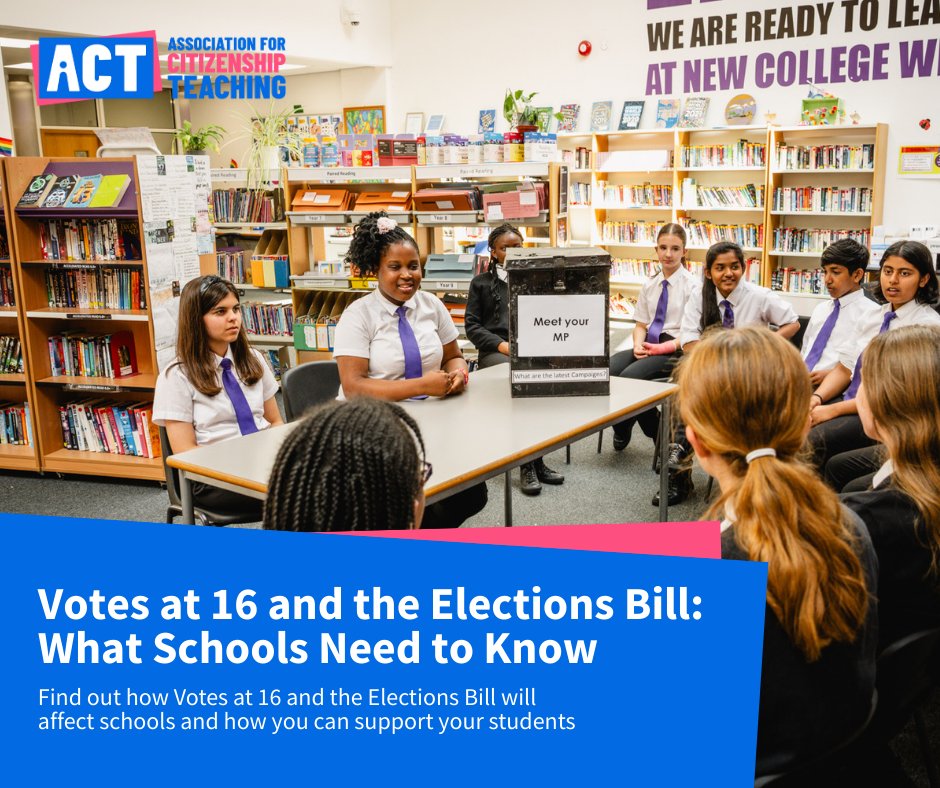
What do future voters think about #Votesat16? In Issue 60 of #TeachingCitizenship, Y9 student Ja’Mari shared his thoughts on why #CitizenshipEducation is crucial to help young people understand democracy and be active participants in society: https://t.co/gvFaPTyE6P
When people think their political system violates the moral rules they live by, they lose faith in democracy. Some withdraw from politics. Others turn to anyone who promises to “clean things up.”
https://t.co/isLiPqW6cM
The number of people who go bankrupt every year because of medical bills.
Norway - 0
UK - 0
France - 0
Spain - 0
Portugal - 0
Denmark - 0
Australia - 0
Iceland - 0
Italy - 0
Finland - 0
Ireland - 0
Germany - 0
Netherlands - 0
Sweden - 0
Japan - 0
Canada - 0
United States - 643k
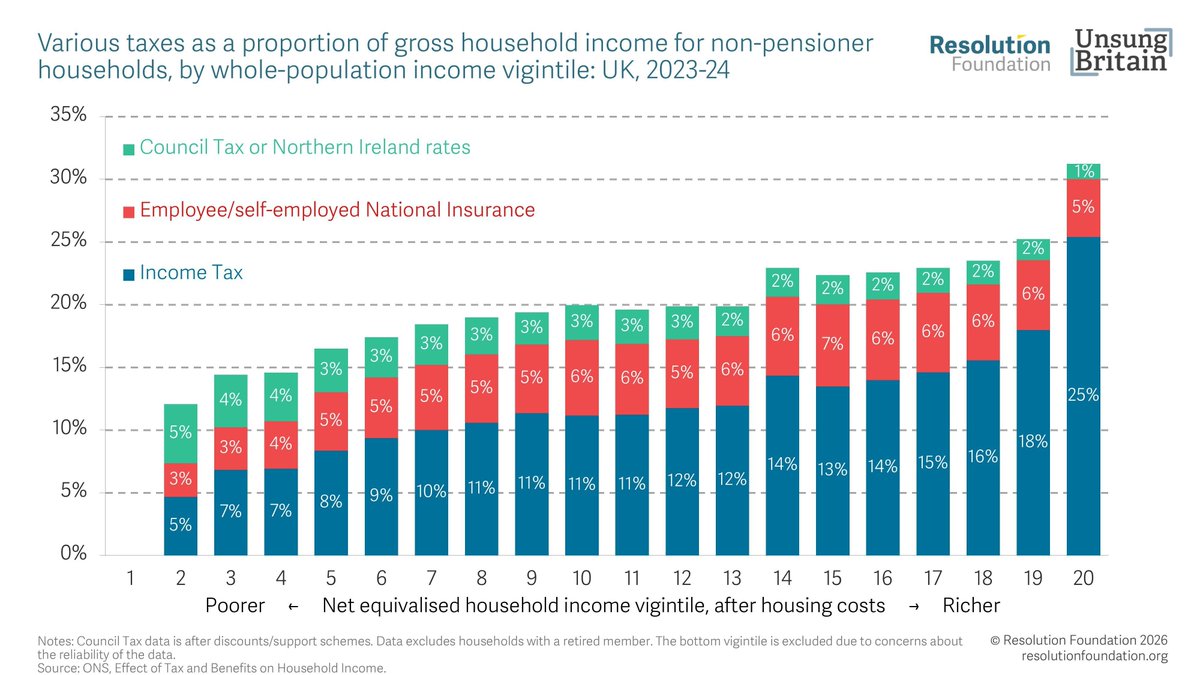
The totality of direct taxes in the UK is progressive; the very richest pay more than five times more in income tax than the poorest.
In contrast, Council Tax remains strongly regressive, absorbing only about 1 per cent of income at the very top, against nearly 5 per cent at the very bottom.
We asked people around the world to rate the morality and ethics of others in their country.
The U.S. is the only place we surveyed where more adults describe the morality and ethics of others living in the country as bad than good. See our full morality report here: https://t.co/qBtj1ycDkP
The #RepresentationofthePeopleBill has its 2nd reading in Parliament this week. If passed, the Bill would give 16- and 17-year-olds the right to vote in UK elections. Find out what the Bill means in practice, and how to prepare students for #Votesat16: https://t.co/y0BV69koCY
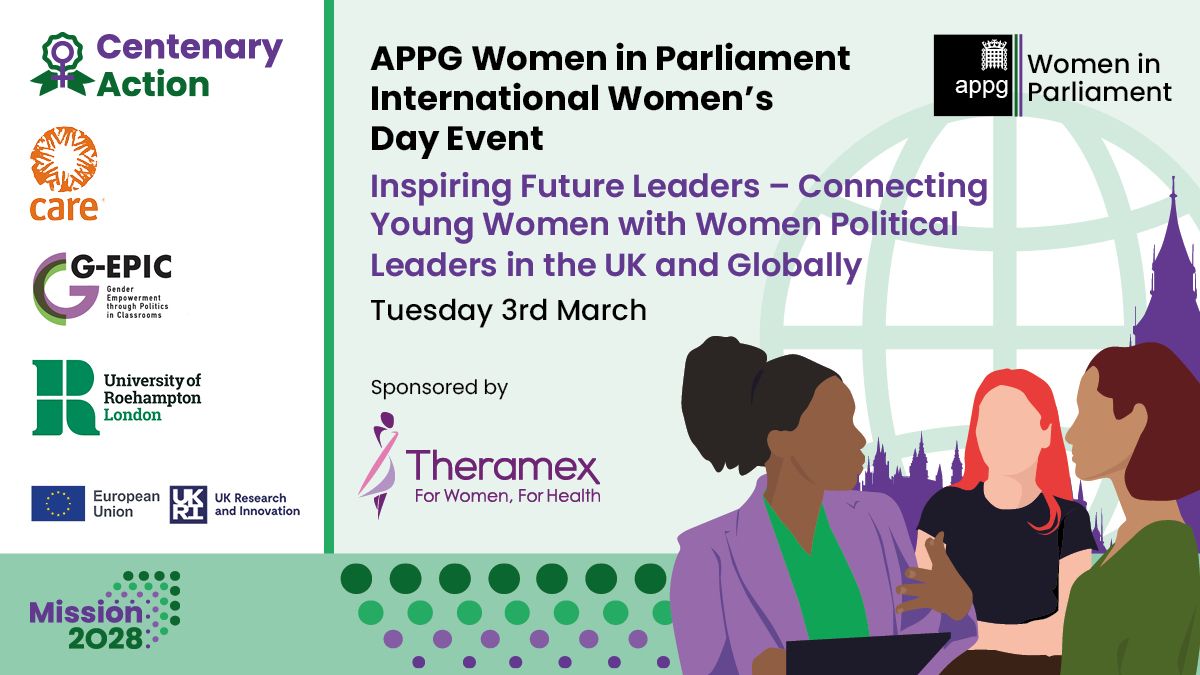
Great to be in Parliament this evening for the APPG Women in Parliament #IWD event.
ACT is proud to support this initiative & to take forward the resources from @GEpic_UK, helping schools continue to build girls’ political confidence.
@CentenaryAction@careintuk@RoehamptonUni
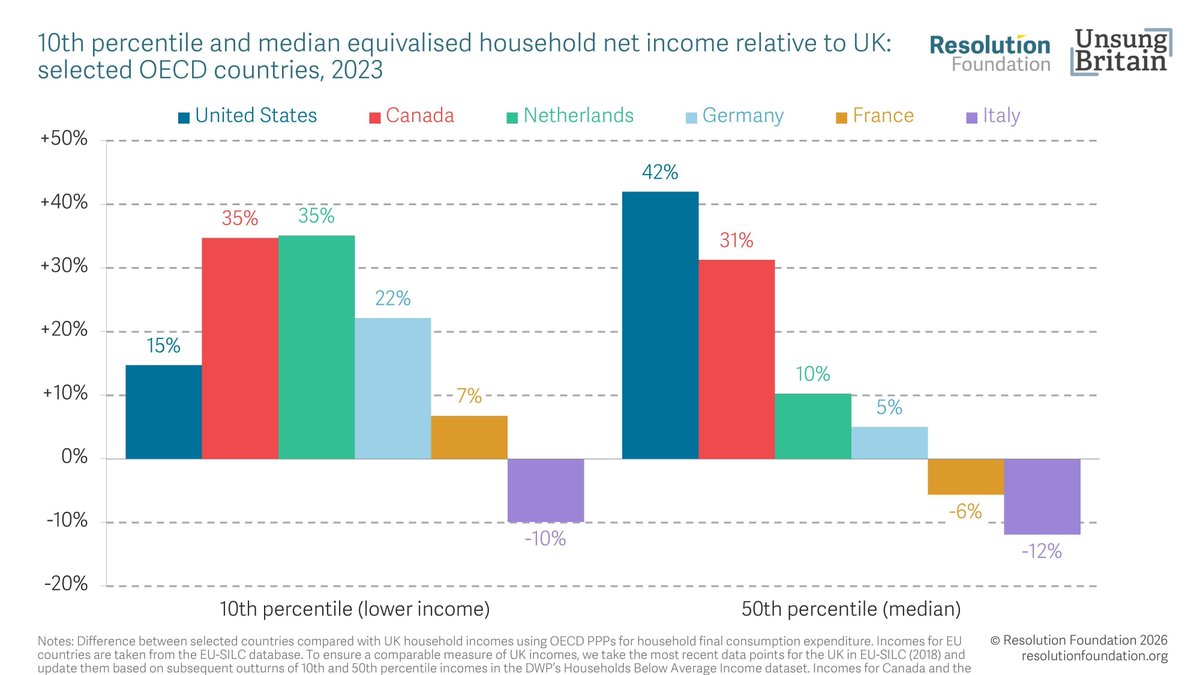
Squeezed Britons are worse-off than international counterparts.
And the international shortfall continues to afflict middle Britain as well as the bottom.
Read more in 'Unsung Britain' ➡️ https://t.co/rnI2C8eMNr
Only two weeks to go! If you are interested in polarization, disinformation, and democratic backsliding, please join our workshop taking place at Keio U Mita campus in Tokyo on January 31.
You can check the program details here:
https://t.co/ZVslbDiKkS
📝 New research by Kristin Surak and Johnathan Inkley offers an interstitial analysis of how wealthy individuals hide property ownership in the UK. They reveal three primary formations of offshore structuring and discuss implications for policy making.
https://t.co/KnYQhvAOp4
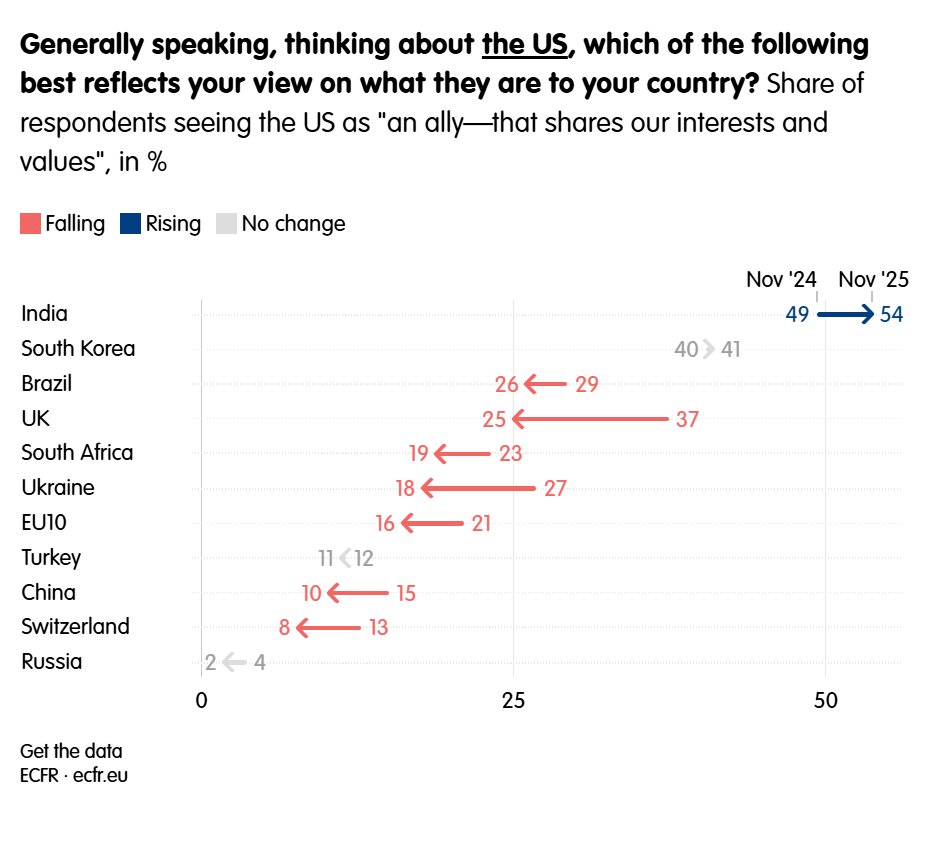
That's an incredible number: only 16% of EU citizens now consider the US an ally. Even in the UK it's down to a meagre 25%.
In fact perceptions of the U.S. as an ally are in complete collapse globally (only India is a very odd exception).
Src: https://t.co/P7cq2x9jZK
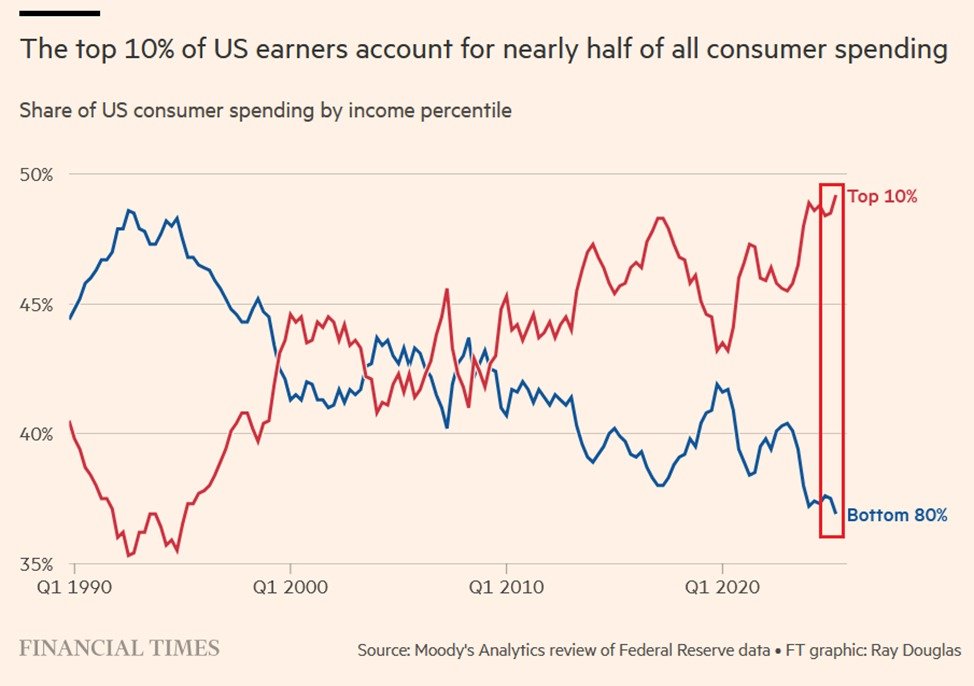
Shocking stat of the day:
The top 10% of US earners now reflect a record 49% of all consumer spending.
This percentage has risen +13 points over the last 30 years, marking a dramatic shift in spending power.
At the same time, the bottom 80% of earners represent just ~37% of total consumer expenditures, down -11 percentage points since 1995.
This means the top 10% account for a record 33% of US GDP, as personal consumer expenditures account for 68% of total economic output.
Meanwhile, the bottom 80% account for just 25% of the US economy.
Asset owners are the only winners in this economy.
About half of all jobs in capitalist economies are considered pointless and unproductive, i.e., they are socially useless, according to the people who hold them.
David Graeber argues that this is by design. In his book, Bullshit Jobs: A Theory, Graeber posited that the ruling class believes that if ordinary people have both enough free time and material security, it would inevitably lead to a social revolution.
Graeber refers to the 1960s in the United States, when the abovementioned condition was met, albeit briefly. During these few years, housing, healthcare and higher education were affordable, workers’ unions were strong, and gains from production and technology actually translated to security for the majority.
As a result, people had time on their hands. They used this time to engage in something very dangerous: thinking.
According to Graeber, many young people were being relieved of the need to worry about survival, which allowed them to start asking questions and to organise to change the world. This was the ultimate nightmare of the ruling classes. So, they reacted by deliberately creating a world based on work discipline.
In 1930, John Maynard Keynes had predicted that by 2030, people would be working 15 hours a week. Graeber explains that the reason we didn’t get anywhere close to the 15-hour workweek predicted by Keynes is that the gains from productivity were diverted into creating administrative hierarchies.
Graeber wrote that “Rather than allowing a massive reduction of working hours to free the world’s population to pursue their own projects, pleasures, visions, and ideas, we have seen the ballooning not even so much of the ‘service’ sector as of the administrative sector…It’s as if someone were out there making up pointless jobs just for the sake of keeping us all working.”
Millions of people hold jobs in which they are being paid to do nothing, but for that very reason, they are kept under constant surveillance and control. This explains why people feel busy but feel it is unnecessary.
This is neoliberalism, which, to Graeber, was a project of political control, rather than an economic efficiency project, to keep people busy in a world that no longer needed their labour as much as it used to.
To Graeber, a population that depends on meaningless work for survival is easier to govern than one with time to reflect.
This is because surveillance-heavy, low-autonomy jobs are training grounds for obedience, where work becomes a moral credential without contributing meaningfully to anything.
This helps explain why unemployment is somehow stigmatised even when jobs are useless, overwork is celebrated even when it destroys health, and why automation is resisted even when it could reduce toil.
In summation, modern capitalism no longer needs most people’s labour, but it still needs their compliance, and that’s what work has become.
Research on Democracy
These are some of the books I will be discussing in my graduate seminar on democracy this semester.
Many great minds have done much to help us understand what democracy is, why it is valuable, and why countries move toward and away from democracy.