a public utility in tennessee built a quantum network, added a quantum computer, and is inviting people to come use both. meanwhile, silicon valley is still debating what quantum computing is good for. incredible. https://t.co/BHzLuRort3
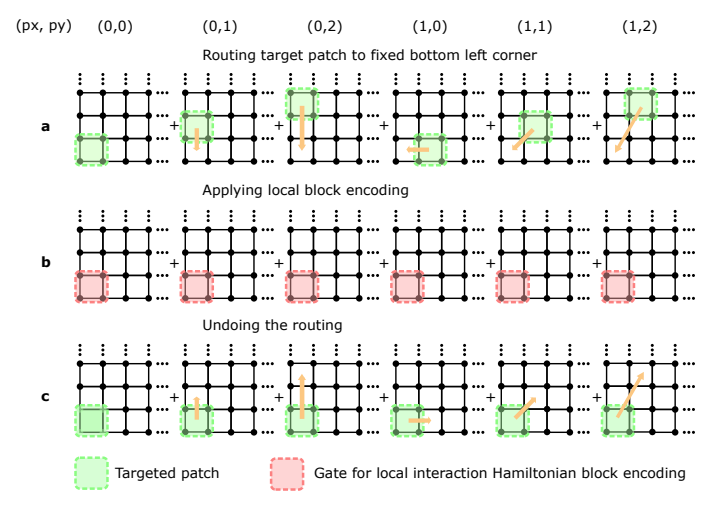
one of my favorite kinds of engineering is finding out that everyone has been doing something the expensive way for no good reason. ionq's researchers figured out how to take a costly operation that's repeated all over a quantum simulation, bring the relevant information to one place, do the work once, and send it back. in one benchmark, that cuts the estimated T-gate cost by 15–17x. that's an absurd amount of work to eliminate without adding a single qubit. it's still a paper result, so somebody needs to build it and prove the savings survive contact with actual hardware. but this is exactly the kind of trick that can change what a machine is capable of without changing the machine. https://t.co/g6XS4ZFrJO
ionq is now using its own quantum security technology to protect communications between its offices in switzerland and south korea. so that makes ionq its own customer. how hard was it to install? what does it take to keep running? every problem ionq finds and fixes now is one less problem for the next customer. https://t.co/Z7lHRJvgQH
@blackbirdbackin@QCWare detecting a threat earlier could help but some drones are still going to get shot down. what interests me is whether the remaining machines can adjust the plan fast enough for the commander to act on it.
anduril's october 8 patent is about helping commanders understand and evaluate what autonomous machines want to do. its october 22 patent is about keeping those machines operating when equipment fails or gets destroyed. now put the two together. a drone gets shot down, the remaining machines need a new plan, and the commander needs to know what changed before approving the next action. ionq says it's actively collaborating with anduril, and this is where i'd want to see what quantum computing can contribute. can it help find a better plan under those constraints, fast enough for the commander to make a decision while it still matters?
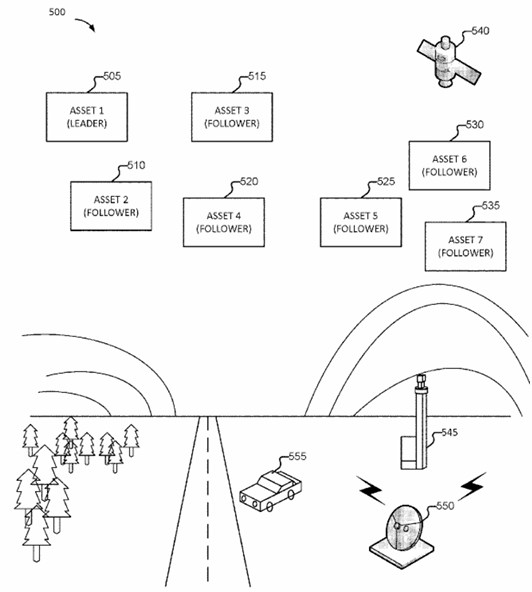
drones are going to get shot down. communications are going to fail. equipment is going to break. the question is whether the mission falls apart when that happens. anduril's october 22 patent describes a system where autonomous machines can choose new leaders, redistribute tasks, and keep operating when individual machines are lost. if the lead drone gets destroyed, another can take over without the entire mission having to start over. i think that's a much bigger deal than making any single drone smarter. the goal is to build a force that can take losses and keep doing its job. @PalmerLuckey https://t.co/YtGANEbmvw
autonomous weapons are going to make decisions faster than humans can keep up with. anduril's october 8 patent tackles a critical question: how does a commander know what those machines are doing and whether they're following orders? the patent describes a system that uses AI to explain proposed actions and help operators evaluate them against mission requirements. suppose a drone recommends attacking a target that falls outside its mission restrictions. the commander needs to understand what the drone is recommending, why, and whether the action is authorized. if a commander doesn't know why a machine wants to attack something, he has no business approving the attack. https://t.co/fxpWWL3nkA
i wish i could get the 10 best engineers from across ionq's companies into one room and ask them one question: what could you build together that nobody thinks is possible? i'd tell them you've got people who manipulate atoms, manufacture chips, connect quantum computers, and secure networks. forget the roadmaps and which company you came from. come back with something none of you could have built alone. i'd fund the craziest idea that doesnt violate the laws of physics and tell them to go build it.
chattanooga has an ionq quantum computer, a quantum network, and an electric utility with problems to solve. would love to see epb pick one problem and show us how it's solved today and whether quantum can do it better. even if quantum doesnt win, i'd want to see the results. https://t.co/mpWCkjXE29?