🚀 RAG Pipeline in 8 Steps (Explained Simply)
Retrieval-Augmented Generation (RAG) is how modern AI systems give accurate, context-aware answers instead of guessing.
Here’s how it works 👇
1️⃣ Data Collection – Gather raw knowledge (docs, APIs, databases)
2️⃣ Chunking – Break data into smaller, searchable pieces
3️⃣ Embedding – Convert text into numerical vectors
4️⃣ Vector Storage – Store embeddings for fast similarity search
5️⃣ Query Input – User asks a question
6️⃣ Retrieval – Fetch the most relevant chunks
7️⃣ Augmentation – Add retrieved context to the prompt
8️⃣ LLM Response – Generate a grounded, accurate answer
💡 Why RAG matters?
→ Reduces hallucinations
→ Improves accuracy
→ Uses your own data (not just pre-trained knowledge)
If you're building AI apps, RAG is no longer optional — it’s foundational.
𝗕𝗲𝗰𝗼𝗺𝗲 𝗯𝗲𝘁𝘁𝗲𝗿 𝗮𝘁 𝗔𝗜 𝗶𝗻 𝗷𝘂𝘀𝘁 𝟭 𝗺𝗶𝗻𝘂𝘁𝗲 𝗮 𝗱𝗮𝘆. 𝗝𝗼𝗶𝗻 𝗺𝘆 𝘄𝗲𝗲𝗸𝗹𝘆 𝗻𝗲𝘄𝘀𝗹𝗲𝘁𝘁𝗲𝗿 𝘄𝗵𝗲𝗿𝗲 𝗜 𝗱𝗼𝗰𝘂𝗺𝗲𝗻𝘁 𝘁𝗵𝗲 𝗿𝗲𝗮𝗹-𝘄𝗼𝗿𝗹𝗱 𝗷𝗼𝘂𝗿𝗻𝗲𝘆 𝗼𝗳 𝗔𝗜 𝘁𝗿𝗮𝗻𝘀𝗳𝗼𝗿𝗺𝗮𝘁𝗶𝗼𝗻.
👉 𝗦𝗶𝗴𝗻 𝘂𝗽 𝗳𝗿𝗲𝗲 now → https://t.co/Kj8zW959kp
Join Me On Youtube And Insta :
Youtube : https://t.co/45eggOTFzr
Instagram : https://t.co/cexIKa22Ux
Follow @AiswaryaVenkit1 for more such insights!!
GraphRAG Zero solves a fundamental challenge that has limited AI agents' ability to reach their full potential. It’s a technology for holistic discovery that reflects years of Microsoft research, transforming graph-based retrieval from an experimental technique into a deployable system. Optimized for real-world applications and agents, it enables organizations to explore connections across vast amounts of their own data, quickly and at low cost.
It’s available now in Foundry IQ and @github’s Repo Mind Light, supporting applications from scientific discovery to repository understanding. https://t.co/ISYptBSTiL
We’ve heard again and again that enterprises don’t want to pour all their valuable IP, data and tacit knowledge into someone else’s model. They want control of their own weights.
Java4Shell Vulnerability Explained in Simple Way : Part 1
Let's understand it from a Java developer's perspective, starting with Base64.
Java4Shell (CVE-2026-114938) is a newly disclosed vulnerability in OpenJDK's built-in Base64 decoder.
First, what is Base64?
Java provides a built-in Base64 utility class in the java.util package.
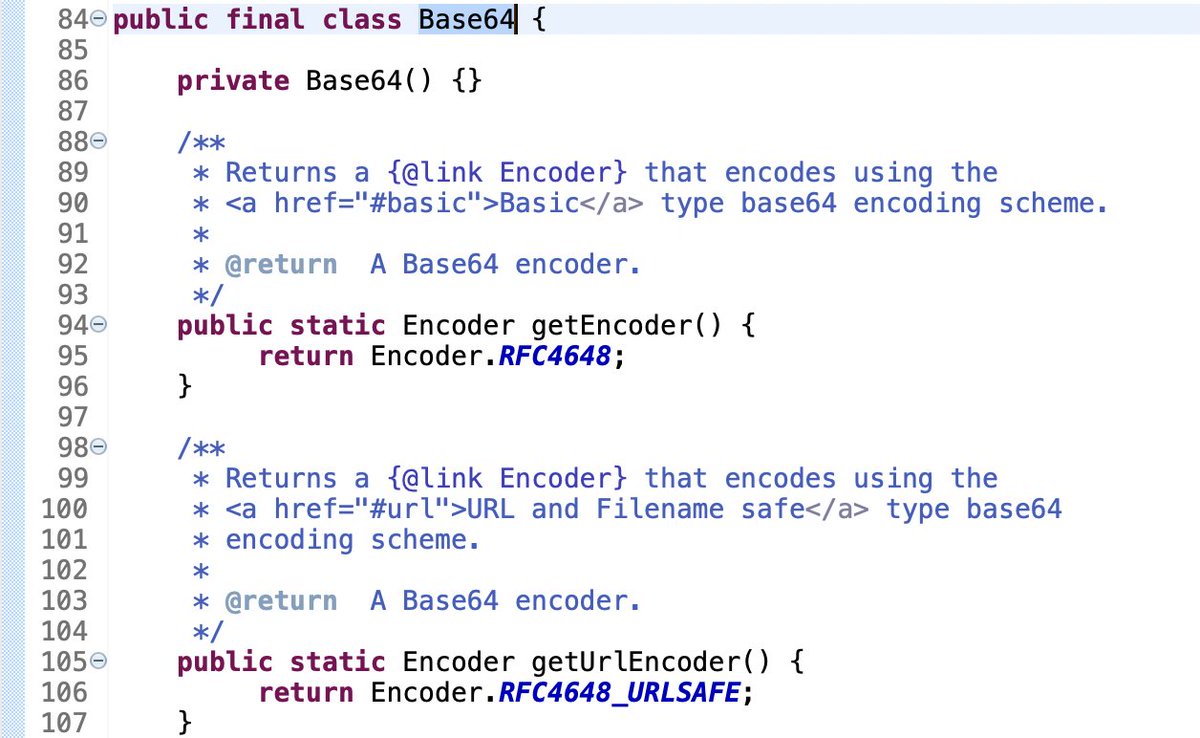
Base64 is a utility final class in Java. It has a private constructor and provides static factory methods to obtain its Encoder and Decoder instances.
It provides static Encoder and Decoder classes, whose instances are immutable and thread-safe.
When sending data in an HTTP request, we sometimes use Base64 encoding to represent data in a text-friendly format.
For example, HTTP Basic Authentication uses Base64-encoded credentials.
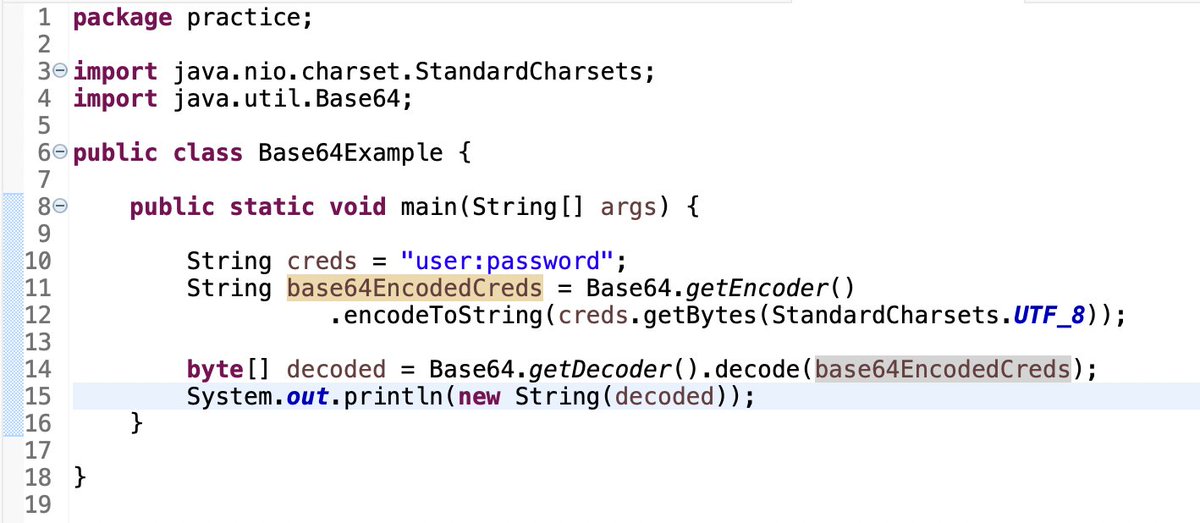
Let's see a Java example.
String creds = "user:password";
String base64EncodedCreds = Base64.getEncoder()
.encodeToString(creds.getBytes(StandardCharsets.UTF_8));
System.out.println(base64EncodedCreds);
Output: dXNlcjpwYXNzd29yZA==
To decode it:
byte[] decoded = Base64.getDecoder().decode(input);
System.out.println(new String(decoded));
Output: user:password
Important: Base64 is encoding, not encryption. It does not protect sensitive data by itself.
Where does Java4Shell come into the picture?
Java-based applications frequently decode Base64 input received from HTTP requests, authentication headers, tokens and file uploads.
The vulnerability exists in the implementation of:
Base64.getDecoder().decode(input);
Normally, the decoder does following:
Accepts Base64 input.
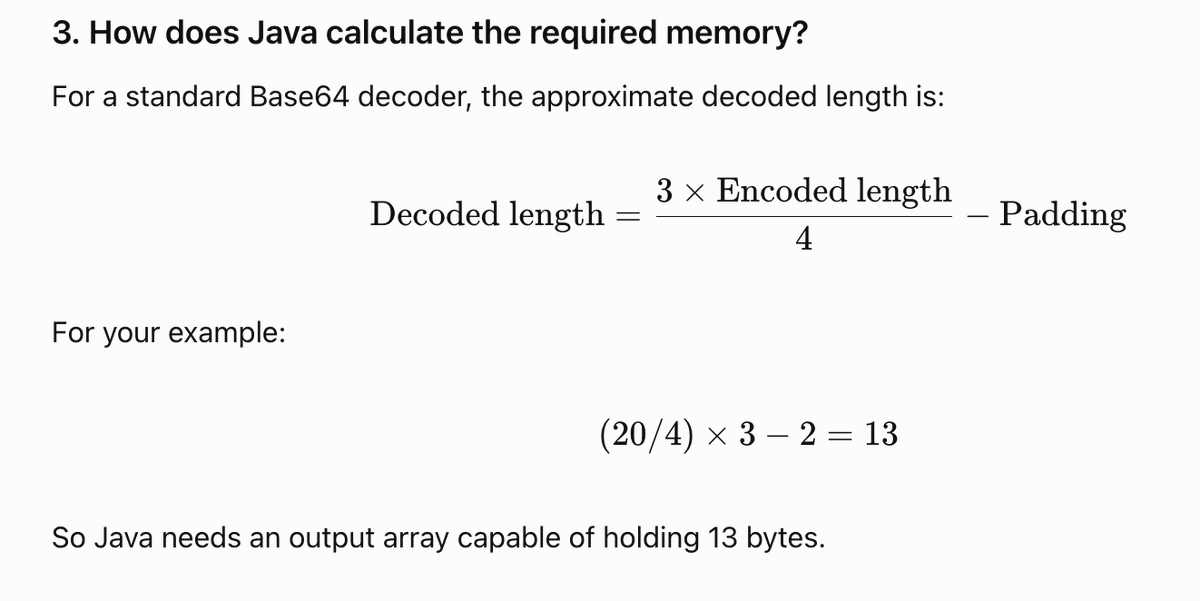
Calculates the required output size.
Allocates a byte array.
Decodes the input and writes the resulting bytes into that array.
What is the actual problem?
Java uses hardware-specific optimisations to make Base64 decoding faster.
On certain x86-64 processors, the JVM uses AVX-512 VBMI instructions for accelerated decoding.
Under a particular malformed, padded Base64 input condition, the optimised decoder incorrectly handles the final part of the input.
As a result, it can write beyond the allocated output array.
This is called a heap-based buffer overflow.
Why does Base64 padding matter here?
Base64 converts every 3 input bytes (24 bits) into 4 Base64 characters (6 bits each).
Padding (=) is used when the final input group contains fewer than 3 bytes.
For example:
3 input bytes → 4 Base64 characters
2 input bytes → 3 characters + =
1 input byte → 2 characters + ==
The vulnerability involves incorrect handling of certain malformed inputs in this final padded section.
What can happen because of this?
Writing beyond an allocated array can corrupt adjacent heap memory. Depending on the circumstances, this may result in:
JVM crashes and Denial of Service (DoS) and sensitive memory disclosure.
And that is what makes this vulnerability serious.
In Part 2, let's understand how this memory corruption could potentially lead to Remote Code Execution (RCE)
‼️ BREAKING: A 10-year-old flaw in #NGINX could let attackers execute code on servers — no login required.
Dubbed #nginx2root (CVE-2026-123007), the critical HTTP/2 vulnerability scores 9.2/10.
Public PoC available. Patches released.
Full details ↓ https://t.co/kNq60Lv5zx
L'histoire cyber totalement WTF du jour... 🍿😬
Le Danemark, champion de l'État numérique, vient de se faire siphonner les données de presque toute sa population... avec le mot de passe "123456". Là encore, accrochez-vous, vous allez halluciner 👇🏾
Les faits 👉🏾 Un pirate a eu accès au CPR -le registre central des personnes, l'équivalent danois de notre état civil- et a récupéré les données liées à environ 8,8M de numéros d'identification.
Noms, adresses, numéros personnels de personnes vivantes, parties à l'étranger et décédées.
Le hacker n'a pas piraté l'État dannois, mais il est passé par Pays ApS -une petite boîte informatique d'Odense qui avait un accès légal au registre pour vérifier les fichiers clients de ses propres clients-...
Cette entreprise n'a que 2 salariés, selon le registre des entreprises danois.
Là où ça devient totalement WTF 👉🏾
Selon le journal Politiken, au moins 3 comptes de cette entreprise utilisaient le mot de passe "123456", dont celui de l'administrateur ! OverJPP 🙄
Le pirate dit être entré avec le mot de passe fuité d'un ancien employé. Il a gardé l'accès 21 jours et 17 heures, et a lancé environ 14M de recherches automatisées entre le 10 et le 20 septembre...
Il affirme même que son programme pour récupérer les données a été écrit par une IA et qu'il n'a pas de compétences techniques particulières...
Le pirate assure ne vouloir ni vendre ni publier les données.
Et le meilleur 👉🏾 personne ne l'a détecté...
Le piratage a été découvert le 2 octobre, parce qu'un fonctionnaire a trouvé la facture anormalement élevée. Chaque recherche dans le registre est payante.
Pas de SOC, la cyber qui a donné l'alerte, mais la compta...
La ministre du numérique parle d'un incident "profondément grave".
Depuis, les Danois sont inquiets et régissent. Le nombre de citoyens ayant activé une alerte contre la fraude au crédit est passé d'environ 250 000 à près de 970 000 en une semaine.
La CPR a envoyé un rappel des règles de sécurité à 1039 entreprises qui ont accès au registre : banques, opérateurs télécom, cabinets d'avocats, syndicats, assureurs...
Il était temps !
Unz dinguerie quand même que d'avoir mille et une portes d'entrée sur l'identité de tout un pays !
*Pour aller plus loin, beaucoup d'États africains sont en train de numériser leur état civil et de confier des accès à des prestataires privés. Le Danemark vient de montrer que la sécurité d'un registre national réside dans celle du plus petit sous-traitant qui y a accès...
Cybèrement vôtre,
SaxX ¯\_(ツ)_/¯