A #privacy literacy collaboration of Alex Chisholm and Sarah Hartman-Caverly, librarians at Penn State Berks. Opinions ours // shares not always endorsements.
🎙️...is this thing on?
We're welcoming privacy enthusiasts to the National Forum for Privacy Literacy, March 10-11! Learn more and sign-up 👇
https://t.co/GggCH1TBcX
Thanks to @US_IMLS for supporting in-person travel costs and more!
#imlsgrant@psulibs@ISTatPENNSTATE@IFRT_ALA
119 - Privacy (and sex!) feat. @Digital_Shred
This week we're talking about privacy literacy. Instruction, workshops, and how your data ends up all over the place.
https://t.co/Z2XAxLCELA
#POV Listen to an interview with Sarah Hartman-Caverly and Alexandria Chisholm, advocates for information literacy and co-authors of Practicing Privacy Literacy in Academic Libraries: Theories, Methods, and Cases https://t.co/ZGfo1SEwyt
✍️@psulibs & @PennStateBerks's Sarah Hartman-Caverly writes for @insidehighered about how the Harvard doxing truck debacle lays bare the structural failure of FERPA.
Opinion | The Failure of FERPA
The Harvard doxing-truck debacle lays bare FERPA’s obsolescence in the digital age—and why protecting student privacy matters to their learning now more than ever, Sarah Hartman-Caverly writes. #HigherEd https://t.co/Bto8UrwndB
✍️@psulibs Sarah Hartman-Caverly writes in @insidehighered, "The systemic failure of FERPA matters because privacy matters to learning. Intellectual privacy enables students—and all of us—to explore ideas, ask questions, discuss preliminary conclusions with close confidants,..
“Authors using ChatGPT or similar AI tools for research should consider making this scrutiny of the primary sources a standard process. If the sources are real, accurate, and relevant, it may be better to read those original sources (…)” 1/ https://t.co/QffumgILWF
"The copyright symbol — which denotes a work registered as intellectual property — appears more than 200 million times in the C4 data set."
Appreciate this reporting from @nitashatiku & co
https://t.co/2xFYtLU9Ke
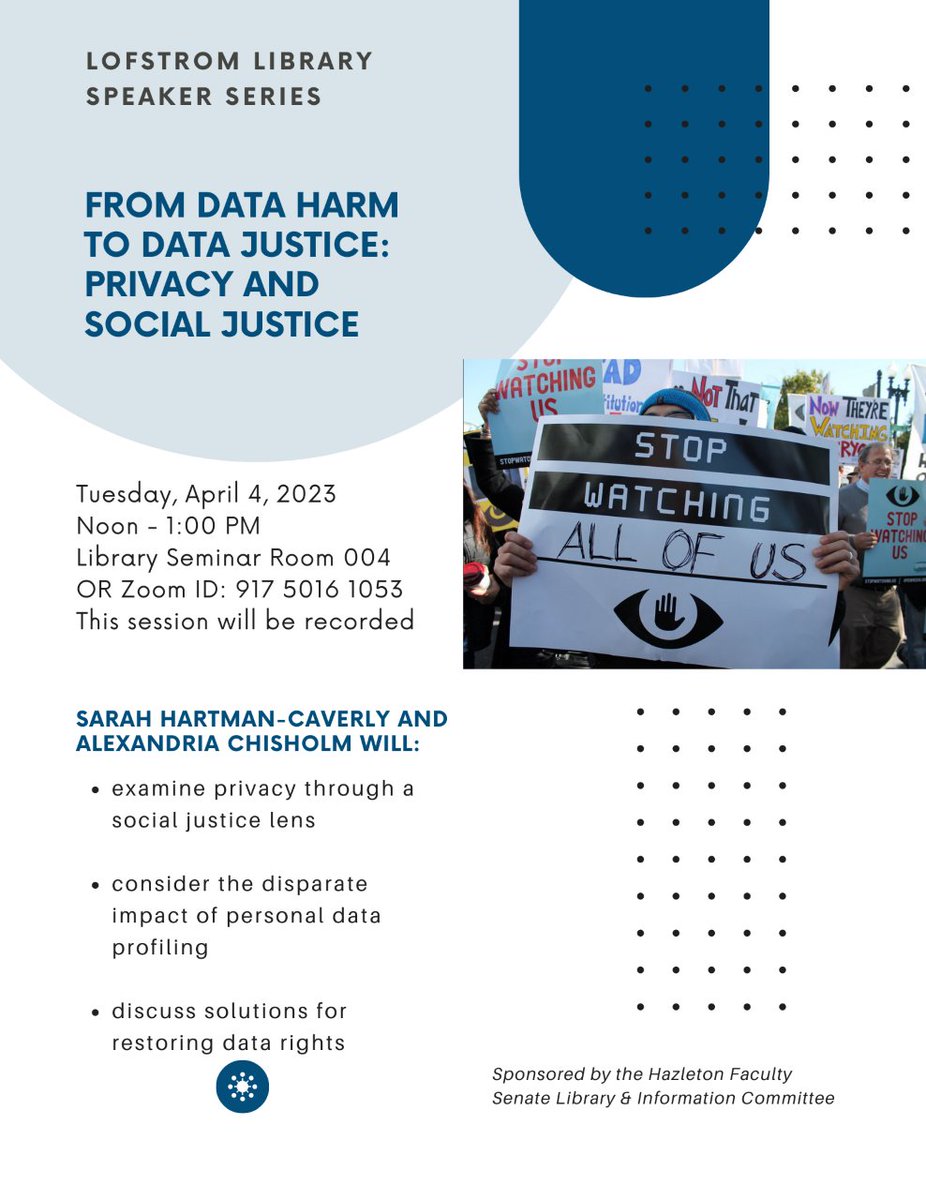
Join us T O M O R R O W for @psulibs Hazleton Library Speaker Series session, From Data Harm to Data Justice: Privacy and Social Justice!
👁🗨Tues. 4/4 noon-1pm ET via Zoom. More details:
https://t.co/kafgMf2KGb
From Data Harm 2Data Justice: Privacy & Social Justice Tues. April 4 noon-1pm ET. Join privacy literacy teacher-scholars Sarah Hartman-Caverly & Alexandria Chisholm 2explore role of privacy in social justice/discuss solutions 4restoring data rights/justice https://t.co/UT4iRwhZaQ
Asked for examples of sexual harassment at law schools, ChatGPT named a GW prof accused of touching a student on a class trip to Alaska, citing a WashPost story.
The prof is real. The rest was made up.
We wrote about what happens when AIs lie about you: https://t.co/mDKlgf9UBB
In one week, on April 4th, Turnitin will release a product that does not work: AI text detection. All current customers are affected, and no one can opt out.
Turnitin confidently purports that this tool will only have a 1% false positive rate. This claim is 100% false.
G E T C O M F Y! Happening now --
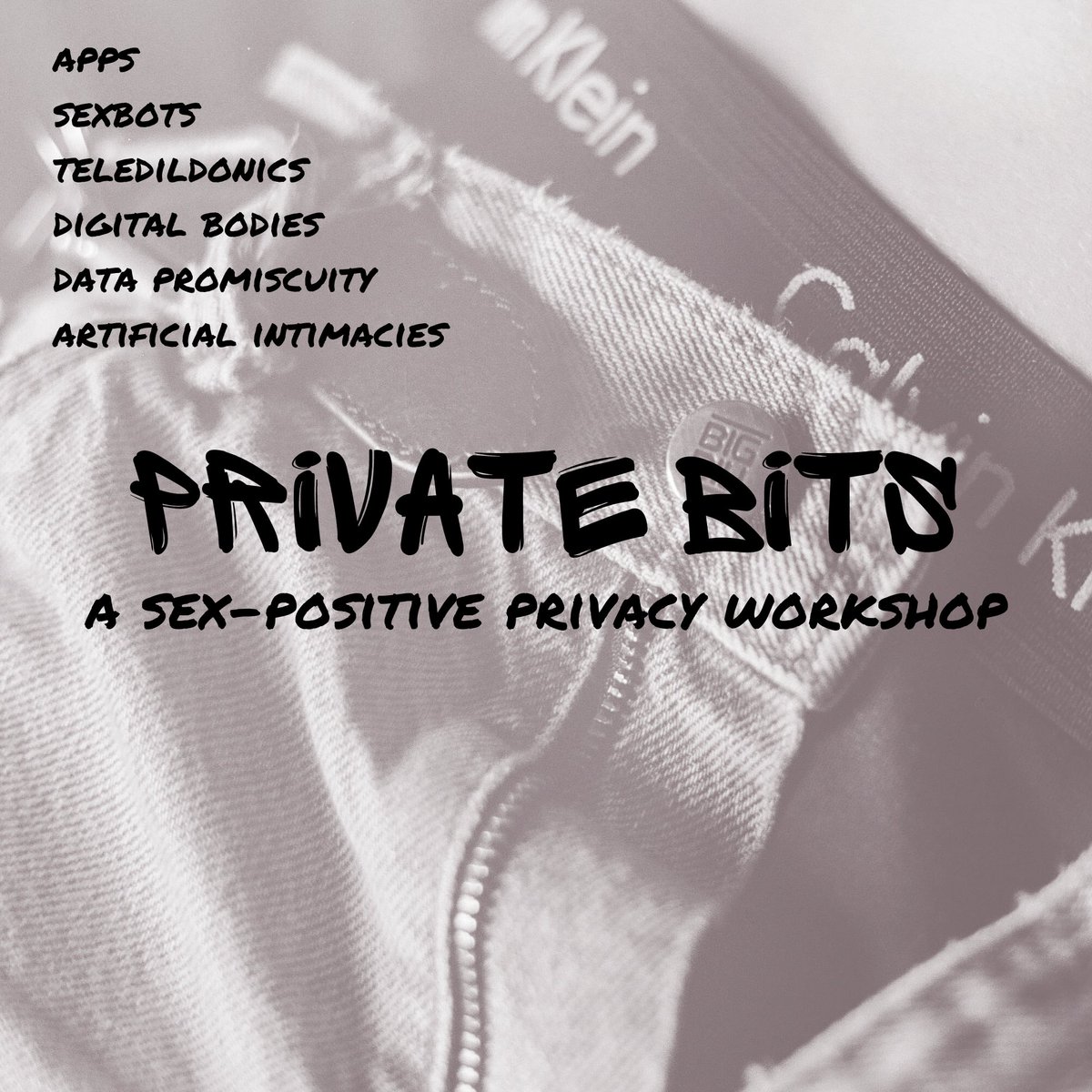
@PSUStartupWeek@PennStateBerks@psulibs @thunlibrary's Sarah and Alex explore the diverse entrepreneurs and startups driving the sex tech boom in the Private Bits Workshop!
https://t.co/fGruXzpGqz J O I N N O W! 2-3 ET
#PennStateStartup Week