Nu de staat zich eens te meer onbetrouwbaar heeft getoond door op een sneaky manier toch weer de afschuwelijke box 3 wetgeving door te willen drukken heb ik gister, in het vliegtuig naar Curaçao, uitgebreid de tijd gehad om na te denken waarom dit me zo mateloos irriteert. En waarom ik er zoveel tijd in heb gestoken om de desastreuse effecten zichtbaar te maken via https://t.co/w8cMjlLaRf.
Het is namelijk niet dat het mij enorm zal gaan raken. Ik heb ook een BV en het is relatief eenvoudig om box 3 bezittingen over te hevelen naar box 2, ook al krijg je dan weer andere nadelen terug.
Het is ook niet dat ik gebonden zit aan Nederland. Ik woon reeds een deel van het jaar ver weg, op een tropisch eiland. Ik kan overal naartoe met mijn gezin. Ik heb mijn leven en inkomen al zo ingericht dat ik behoorlijk flexibel ben.
Ik zal dus niet het grootste slachtoffer worden van deze box 3 diefstal.
Maar wat me waarschijnlijk het meest irriteert is dat het nooit stopt. Alhoewel ik libertarisch ben ingesteld en ik belastingheffing principieel diefstal vindt kan ik er nog enigszins mee leven als ik belast wordt op bijv. een stukje inkomen. Of dat ik BTW moet betalen over goederen en diensten die ik koop. Ik ben het er niet mee eens maar ik kan dat accepteren. Niet alles in het leven is perfect.
Maar waar ik als ondernemer altijd naar heb gestreefd is dat als ik in de eerste helft van mijn leven structureel grote risico's neem, lef toon en 'all in' ga om van mijn bedrijf een succes te maken, dat ik daar in het tweede deel van mijn leven de vruchten van kan plukken. Dat ik zelf mijn pensioen eerder bij elkaar zou kunnen verdienen. Ook om een stukje vrijheid voor mezelf op te bouwen. Zonder ooit een cent subsidie te hebben ontvangen, als werkgever voor heel veel mensen en gezinnen. Alles op eigen kracht, nadat ik reeds vele miljoenen euro's aan belasting heb bijgedragen.
Wat me dus het meeste steekt is dat dat je zelfs dat bij voorkeur onmogelijk wordt gemaakt in Nederland. Dat iets opbouwen bij voorbaat 'verdacht' is. Dat eigen bestuurlijke onkunde en financieel wanbeleid wordt afgewenteld op mensen die er wel wat van maken. Afpakken omdat dat 'eerlijk' is.
Dooddoeners als 'sterkste schouders, zwaarste lasten'. Uitgesproken door mensen die nog nooit zelf een euro hebben verdiend of enig risico hebben gelopen. Mensen waarbij hun goudgerande pensioenen gewaarborgd zijn en als het leven ook voor hen te duur wordt, dat ze gewoon even een forse indexering inbouwen op hun eigen salaris. Mensen die parasiteren op de productieven, de mensen die bijdragen aan het BBP. Aan de BV Nederland. Boeren, vissers, ondernemers, hardwerkende werknemers.
Een overheid zou in dienst moeten staan van het land en haar bevolking. De realiteit is dat dat allang omgedraaid is.
Nee, nadat je met pijn en moeite in het meest genivelleerde land ter wereld eindelijk iets hebt overgehouden nadat je geld al maximaal is belast over ontelbare fiscale schijven, en dat je dan de pijnlijke conclusie moet trekken dat zelfs dat je niet wordt toegestaan om daarmee wat vermogen en dus vrijheid op te bouwen... ja dan breekt er iets.
En dan kom je op een punt dat het gewoon genoeg is. Dan is het klaar. De spreekwoordelijke druppel. De kruik gaat zolang te water tot hij barst.
As a Dutch citizen
Sign these petitions
10k signatures media picks up
40k signatures is pressure
IF WE DON'T STOP THEM NOW
THEY WILL STOP AT NOTHING
Sign these petitions: https://t.co/LDCImhNFZR
And this petition: https://t.co/46rXLmLBEB
Reflections on this bill from a Dutch citizen who has closely followed this process for years.
First: the old system. It was pretty simple: the government assumed that you make ~5% return on your assets per year. That return is then taxed (~35%). Assets include savings, stocks, crypto, etc. There is an exemption of ~€55.000 per person. Assets are measured on the 1st of January every year.
Imagine you hold one bitcoin worth €75,000. Subtracting the exemption leaves €20,000 taxable. The government presumes a €1,000 return (5%), resulting in €360 tax (35%).
In summary, this system is:
- Very simple to understand
- Low administrative burden
- Advantageous to investors where ROI >5%
- Disadvantageous to investors where ROI <5%
Savers fall into that latter group. Years of sub-5% interest rates led the government to overestimate savers' returns.
In 2021, the Supreme Court ruled that this was unlawful and that this needed to change. The government should calculate taxes based on the actual return on investment instead of the assumed return.
At this point, I want to make a few things clear:
- I don't mind paying taxes
- I think the Supreme Court's decision was correct
What I do mind is:
- Tax on paper gains
- Added administrative complexity for tax filings
- The Government is not listening to the advice of the Netherlands’ highest advisory body on legislation
- That the Tax Authority is pressuring the legislative process to make a quick decision
- Making obviously bad legislative decisions
And these are exactly the things that are happening.
For some reason, the Government decided against a capital gains-like system and chose an unrealized capital gains system.
This means that you pay tax on the paper profit you made during the year.
Let's say you have one Bitcoin on January 1st, valued at €70.000. On December 31st, Bitcoin is at €115.000. A return of €45.000. Taxes to pay: €15.750 (35%). No exemption in the new bill.
The problem: all your money is in Bitcoin.
But that is not a problem! That is what I want! That is why I stacked every single Satoshi I could since 2016. The same goes for stocks, gold, silver, or real estate: the goal is to have as little fiat as possible!
But in the short term, I have to pay €15.750 in taxes. In this example, it means I have to sell some of my Bitcoin (0.137 BTC, to be precise). After the tax, I'm left with 0.863 BTC (€99.245).
So on paper I'm doing fine (from €70.000 to €99.245 in a year). But my underlying assets are diminishing (1BTC to 0.863 BTC). The amount of Bitcoin, stocks, and gold in my portfolio is decreasing each year.
This creates a dilemma: I don’t want to sell. I expect bitcoin, stocks, and gold to rise over time. But I have to, because the Government demands it.
The obvious better choice was to tax when people decide to take a profit. I don't really have a problem with paying taxes on my realized profit. When I decide to sell, instead of being forced to sell when I don't want to.
I'm not the only one who thinks there are better options. The Council of State (the Netherlands’ highest advisory body on legislation):
"Don't do it. It's too complex (for both the tax authority and the citizens). Look for alternatives."
And still, the government marches on. And the House of Representatives 'reluctantly agrees'. What the fuck does that even mean?
"Yeah, we also don't like this bill, but we still are going to sign it into law."
It's batshit crazy. But it's where we are. That's what the quoted tweet is about.
Not all is lost, though:
- House of Representatives (2e kamer) still has to approve this bill (quote tweet is wrong here).
- Senate (1e kamer) still has to approve.
- The Tax Authority is unable to comply with this bill (too complex)
- Complexity makes this bill filled with loopholes
So, to sum it up: hopefully, Parliament comes to their senses and stops this monstrosity of a bill, and chooses one of the better options instead.
Introducing: “What’s The Problem?”
Let’s help *everyone* get to the starting line.
Accessible to all, the story of Fiatello and the Big Red Button is something we can all send *before* the first Bitcoin book / podcast / video.
Please share it with everyone you care about (link below).
Thank you Bitcoin 🧡
@satmojoe
been working quietly on @crownyio — wanted to share a few exciting updates 🧐
we’ve been battling app store limitations for a while, since the way we reward users doesn’t really fit the mold of a typical ‘crypto’ app. after a lot of headaches, we finally cracked a solution: we’ve shifted to a fully mobile-enabled web app (think X/Twitter). this means we can push updates directly from our own domain, bypassing the delays and restrictions from the app stores, while still aiming for full distribution across all platforms. more control, more speed, less dependency
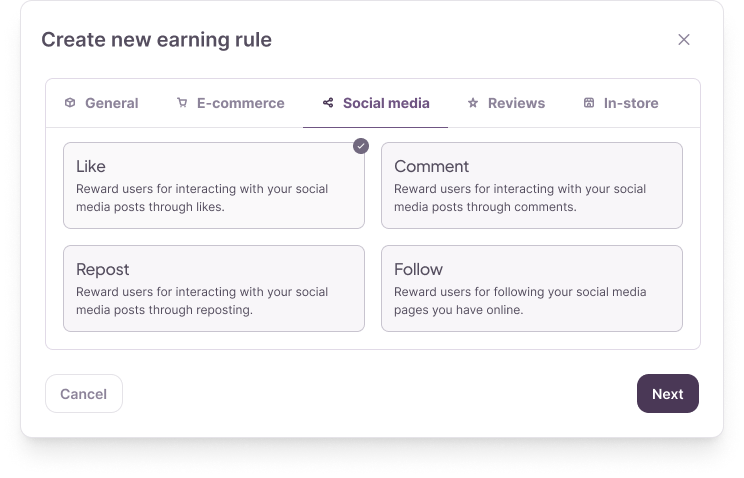
on top of that, we’ve been getting really strong feedback from some exciting brands on the social media module we built. what makes Crowny different? it integrates directly with social platforms, letting brands reward customers for things like user-generated content, likes, shares, comments and subscriptions — on top of standard loyalty features like spend-based rewards, birthday bonuses, tiered systems, referrals, etc. all while utilizing @solana in the backend for the rewards, where users won't even realize they are onchain
imagine Yotpo or Smile (biggest loyalty providers in e-com), but mobile-first and uniquely able to tie loyalty rewards directly to social engagement. it lets businesses use pre-filled earning rules to boost visibility in social algorithms, while also building meaningful post-purchase connections beyond checkout. i really believe this will be a big piece of the customer journey going forward.we’re also building a new website to make Crowny’s story even clearer for businesses. because at the end of the day: more business → more users → more rewards → more holders → stronger ev+ for $crwny
1/10 If you told someone in 2015 that Bitcoin would one day run Telegram bots, meme tokens, and DEXs - they'd laugh
But @opnetbtc is making that happen
On Bitcoin L1. Without forking it