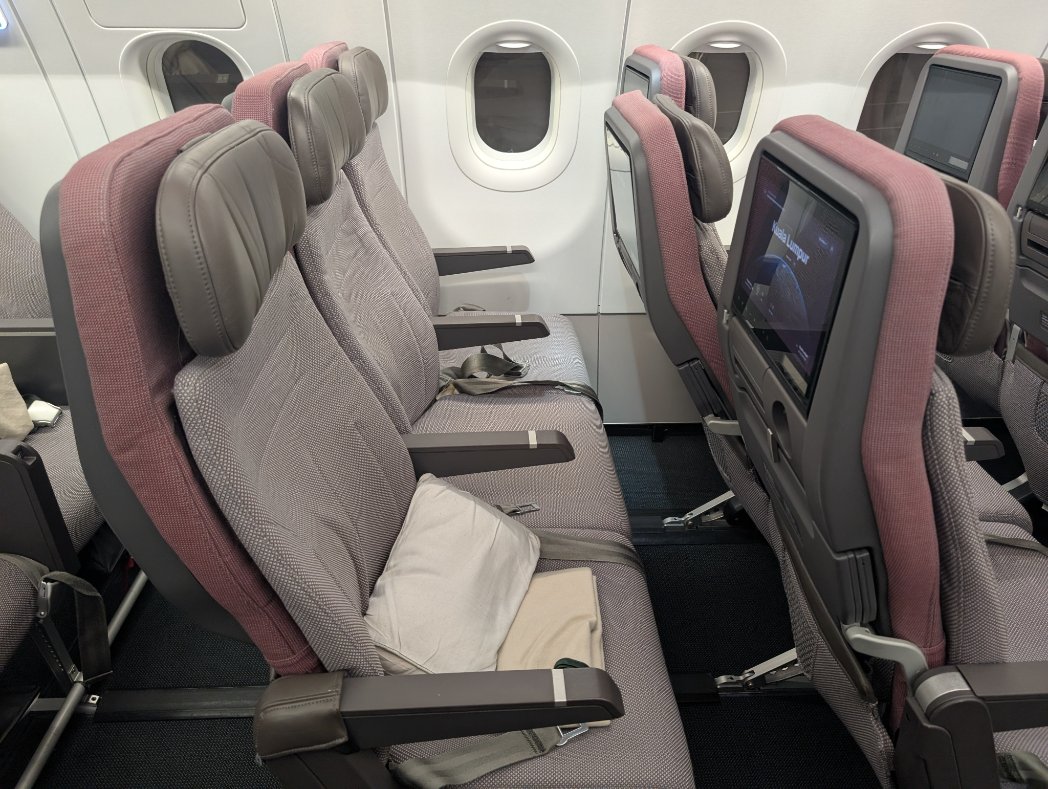
Cathay Pacific is refreshing and reconfiguring economy class on its 202-seat Airbus A321neos to offer a lower-density layout that enhances legroom.
The new interior, which will debut this summer, sees economy class capacity decrease from 190 seats to 183 seats. Business Class seat count remains the same at 12.
In executing on this refit, Cathay is addressing the chief complaint it receives from economy passengers who fly its A321neos: cramped legroom on account of the roughly 30” seat pitch.
“Your feedback is always invaluable which is why we are introducing an enhanced A321neo experience on regional flights — arriving summer this year,” the airline says, whilst sharing the LOPA (layout of passenger accommodations) for the new 195-seat A321neo.
“In our new Economy cabin layout, featuring fewer seats and more legroom, you will enjoy greater comfort, more thoughtful details and intuitive features, alongside a refreshed look — thoughtfully designed with well-crafted materials,” the carrier assures.
The new look will be progressively introduced on Cathay's brand new A321neos and also retrofitted to its existing fleet. https://t.co/sqXhF95KiV
@JTGenter Supposedly officially 30 inch of pitch unchanged . They are to remove one row of seat out of like what 32 rows?. Still gonna be shy of the 32 inch you seein the 350s
At what point do airlines run out of passenger space to cut? 🤔
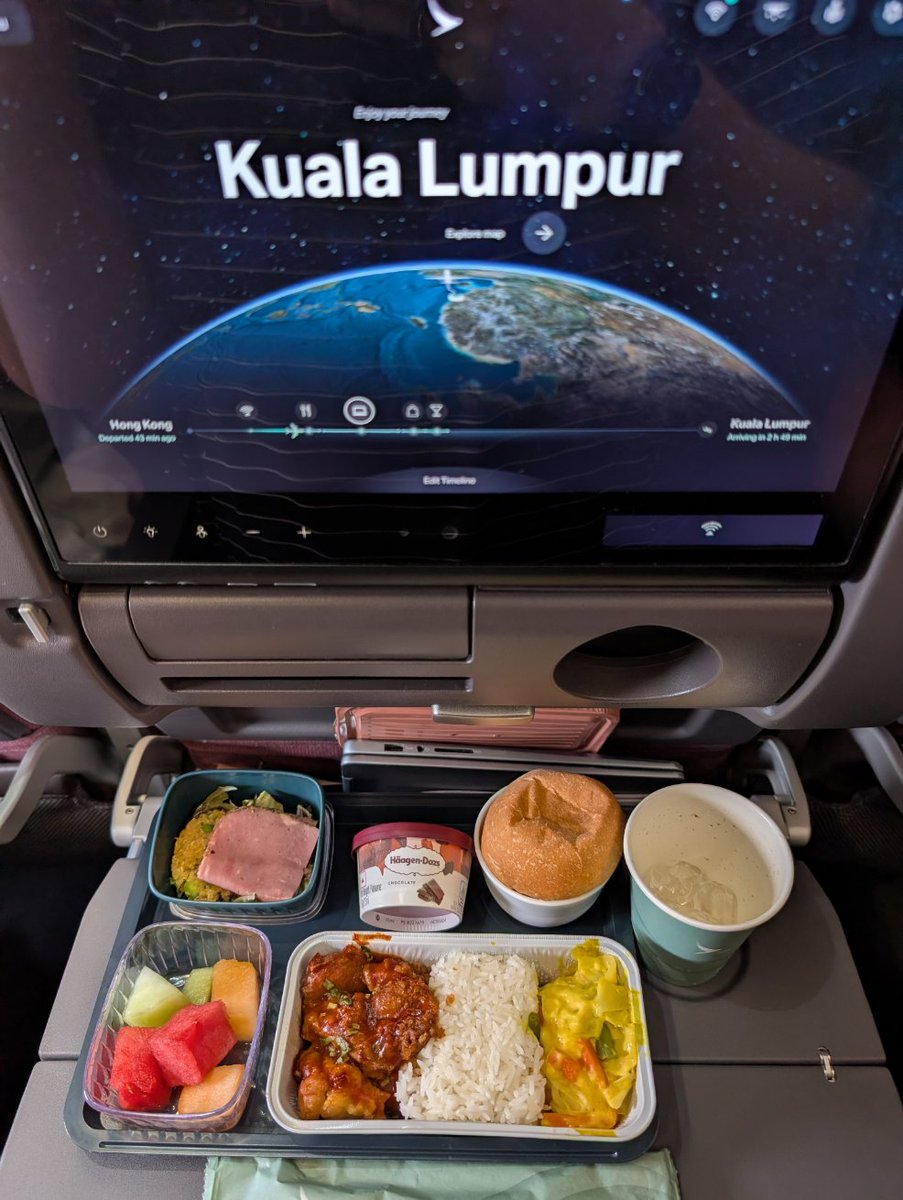
Flew a @cathaypacific A321neo aircraft on a 4-hour flight from HKG-KUL.
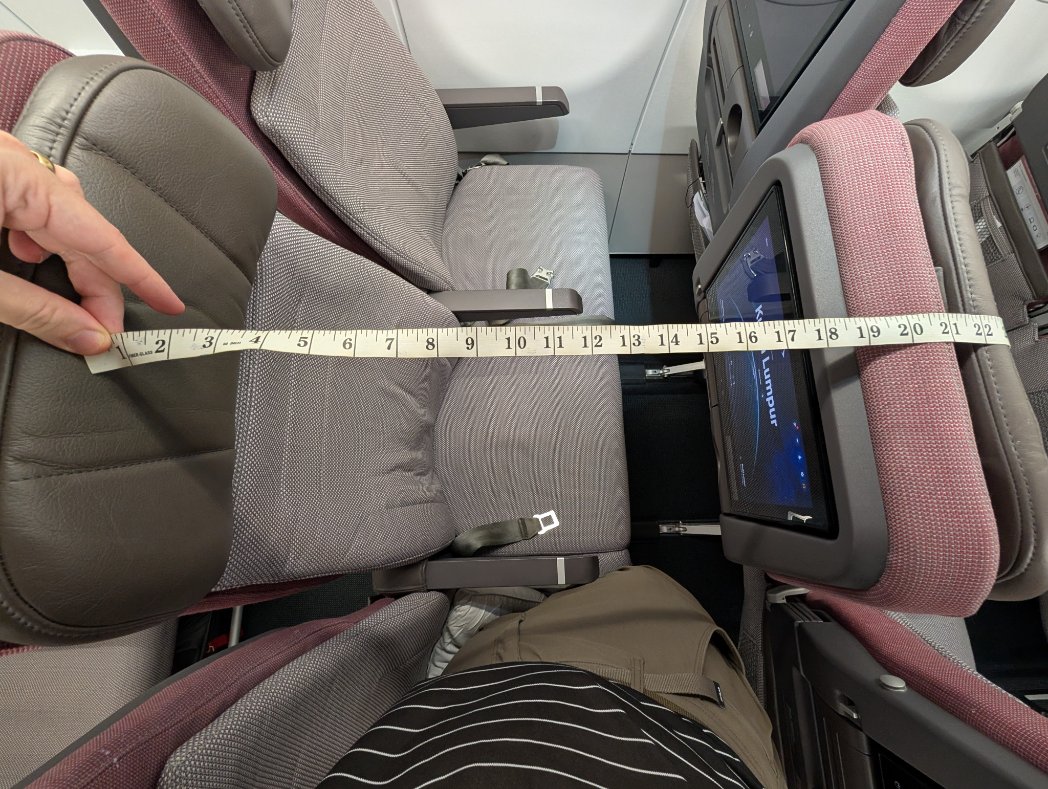
The passenger in front reclined the *entire* flight -- including meals.
That left just 18" between my headrest and the seatback in front 😬
BOFA SEES CHEAP GOLD STOCKS DESPITE HEADWINDS
Bank of America says gold equities are attractively valued even as a stronger dollar and hawkish Fed weigh on bullion. The bank notes gold stocks price in gold around $3,354/oz, about 19% below spot, with longer-term support from fiscal deficits, de-dollarization, and strong central bank buying. BofA maintains a constructive outlook, citing continued demand from emerging market central banks and significant upside in select miners despite near-term volatility.
Gold miners are now doing more share buybacks than at any other point in history.
We have never seen anything remotely close to the scale of what is happening today.
This is a direct consequence of the extraordinary profitability the sector is generating at current metal prices.
https://t.co/eoj7D4wiYz
All of the assumed implications of the meeting, and the sequence of those meetings rest on the fact that the Iranian government side actually makes the decisions. The key certainty is the revolutionary guards
Araghchi’s visit to Beijing on May 6—just a week before the Xi–Trump summit—signals that Iran may have moved to the center of US-China strategic bargaining. There is a real possibility that the mid-May meeting will not only further stabilize Sino-US bilateral ties under top-level strategic guidance (元首战略引领), but also help accelerate a resolution of the Iran conflict. It has been some time since the city of Beijing has carried such geopolitical weight.
This is not about decoupling.
This is about Beijing finally feeling comfortable enough to push back against what they’ve long seen as extraterritorial reach by the US over their own firms & banks.
The move now places the burden back on the US to “choose” to enforce & escalate.
@MarriottBonvoy@MBonvoyAssist for your latest promotion regarding one bonus elite night per independent brand. Would you be able to confirm if the bonus night will be posted together when the specific stay of the brand is posted or is it gonna be posted in a separate date?
When Thailand’s Deputy Finance Minister resigned in 2025, he claimed he only knew fugitive money launderer Benjamin Mauerberger as a casual acquaintance from their kids' school.
Leaked photos from his son’s private Instagram tell a different story. 1/8
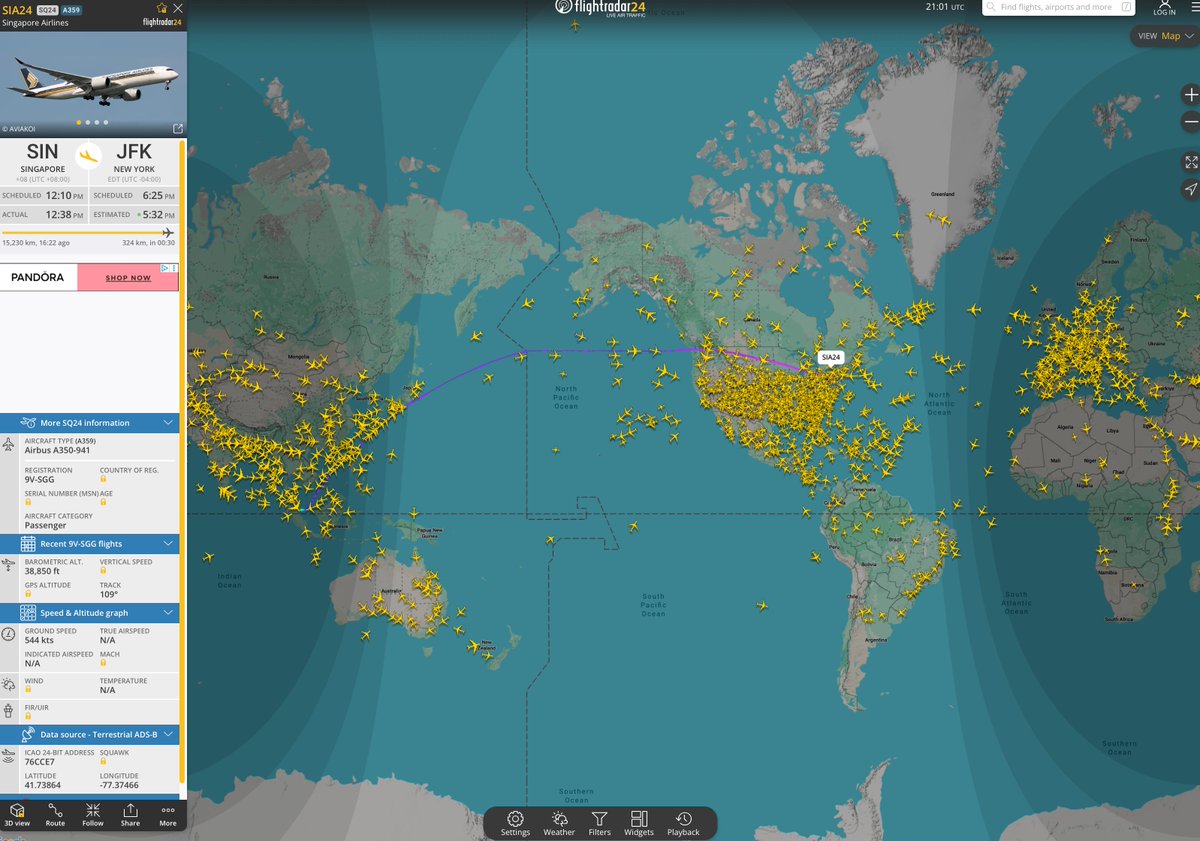
If you were on Singapore Airlines flight SQ24 and didn't purchase WiFi, you'd have left Singapore at $115.32/bbl WTI and will be landing in New York at $84.82/bbl WTI just 17 hours later.
@grok do you think what she and how she did this is far more respectable that Greta Thunberg (with explicit reference to not raising her voice literally to voice problems)
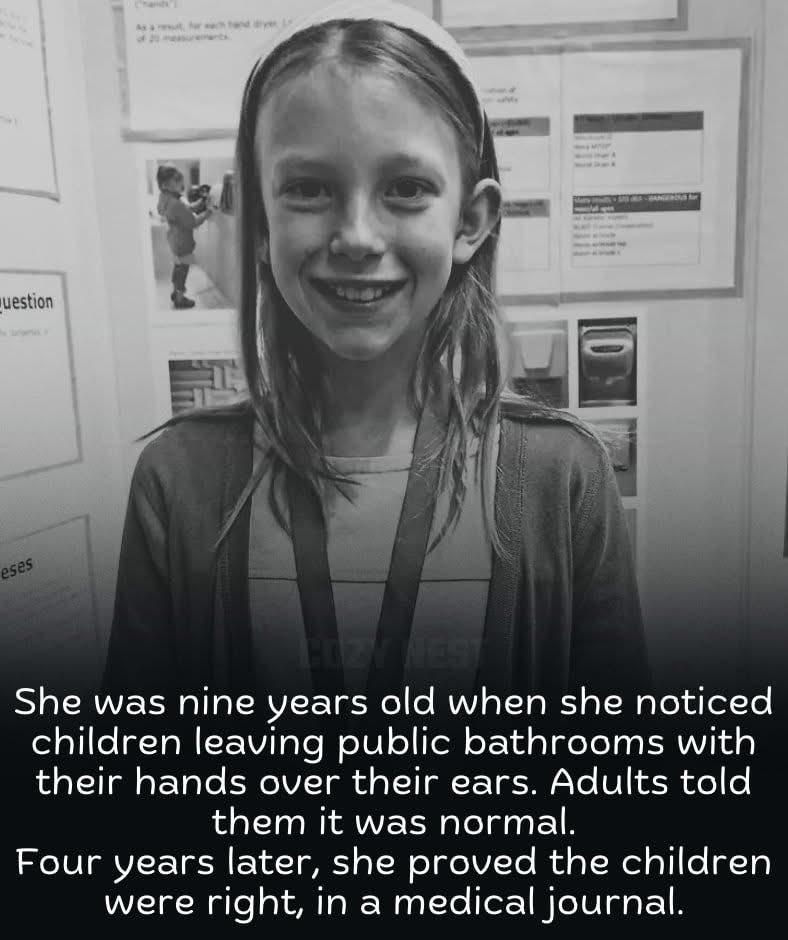
Nora Keegan was not trying to change public health policy. She was just paying attention.
In elementary school in Calgary, she noticed something adults kept dismissing. Children rushing out of public restrooms. Hands clamped over their ears. Faces tense. Complaints whispered between friends. It hurts my ears.
She felt it too. After using hand dryers, her ears rang. The sound lingered. Adults brushed it off. They are just loud. That is what machines do.
But Nora kept wondering why children reacted so strongly. And more importantly, why no one was measuring it.
In fifth grade, she decided to find out.
With the help of her parents, both physicians, she turned curiosity into research. She borrowed professional sound equipment. She designed an experiment. And then she went where the problem lived.
Public bathrooms.
Over two years, she visited forty four restrooms across Alberta. Libraries. Restaurants. Schools. She took eight hundred and eighty measurements. She measured at adult height. Then she crouched to measure at child height. She tested distance. Position. Airflow. Again and again.
What she found was impossible to ignore.
Many high speed hand dryers exceeded one hundred decibels at a child’s ear level. Some reached levels comparable to emergency sirens. Levels that medical authorities already prohibit in children’s toys because of the risk of hearing damage.
Children were not imagining the pain. They were standing closer to the source. Their ears were smaller. And the sound hitting them was stronger than what adults experienced.
Manufacturers claimed their machines were safe. Nora’s data showed real world conditions told a different story.
And she did not stop there.
Still in middle school, she began designing a noise reduction filter. A simple modification that lowered sound output by more than ten decibels. Proof that the problem was not inevitable.
Then she did something most adults never do. She wrote a scientific paper.
Her first submission was rejected. So she revised. She corrected. She tried again.
In June 2019, Paediatrics and Child Health published her study. Its title was direct and impossible to dismiss. Children who say hand dryers hurt my ears are correct.
She was thirteen years old.
Health professionals paid attention. Researchers cited her work. Parents shared it. Manufacturers requested meetings. All because a child trusted her own experience enough to test it.
Nora did not raise her voice. She measured. She documented. She proved.
And in doing so, she reminded the world of something simple and easily forgotten.
Sometimes the smallest voices are describing the biggest problems. You just have to listen.