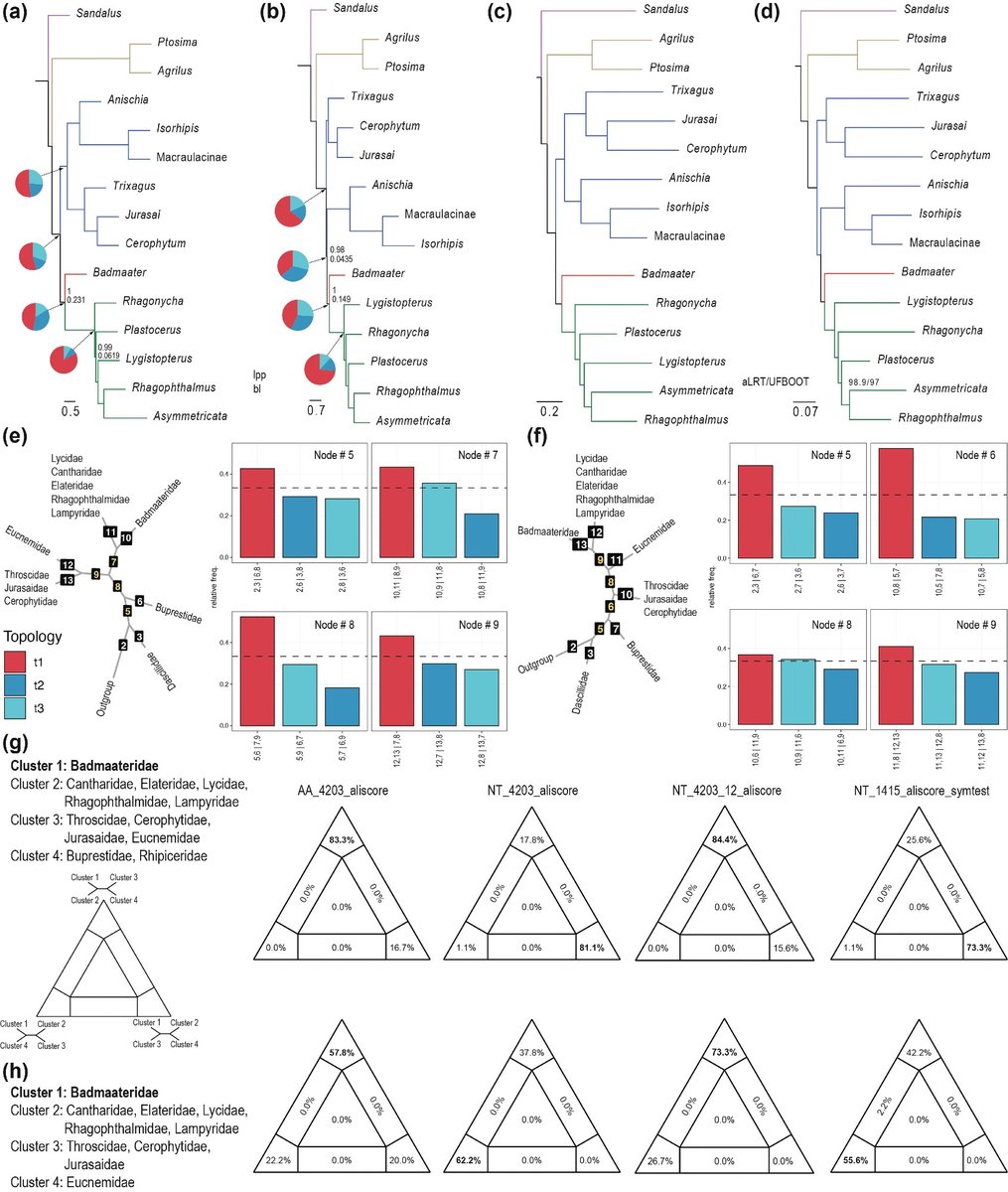
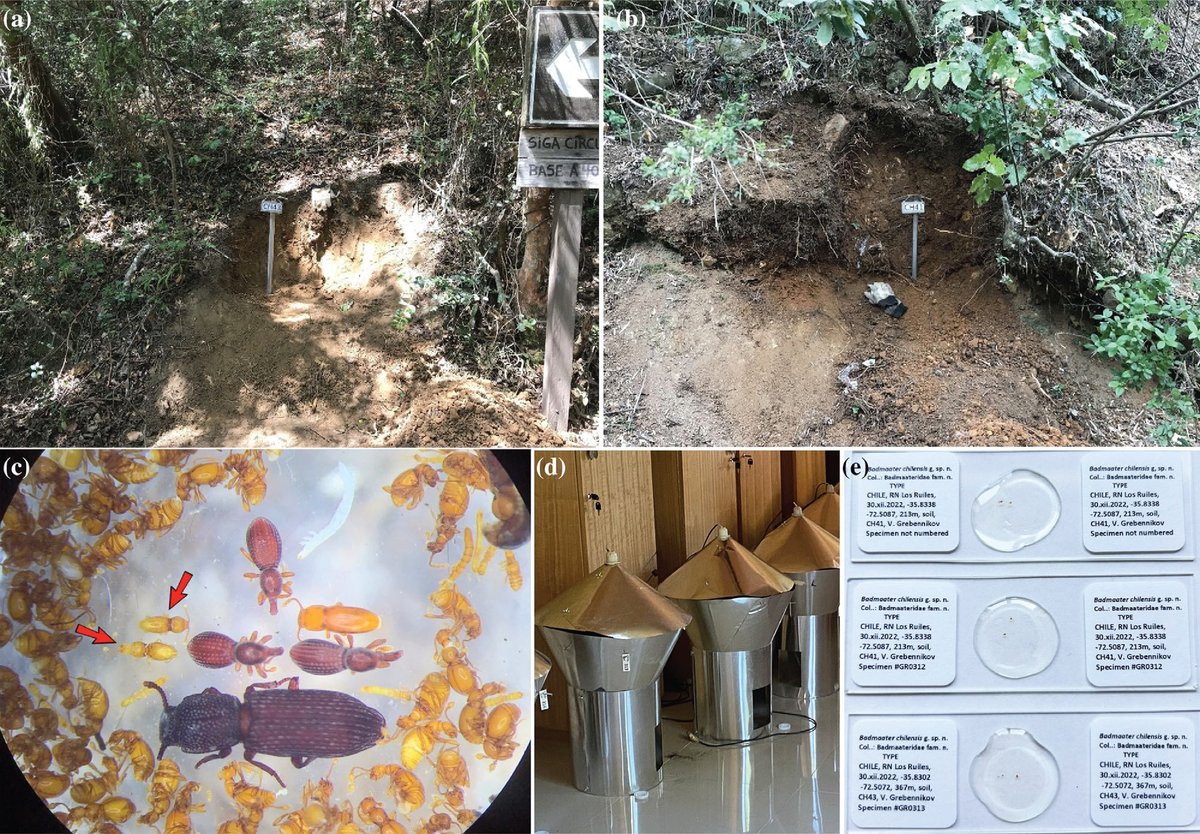
Living deep in the soil and diverged in the TRIASSIC (~200-250 mya). This lineage survived extinctions and ice ages, yet today only 1 species is known to science. Where exactly it fits within Elateroidea remains uncertain. Deep-soil habitats clearly hold many more secrets.
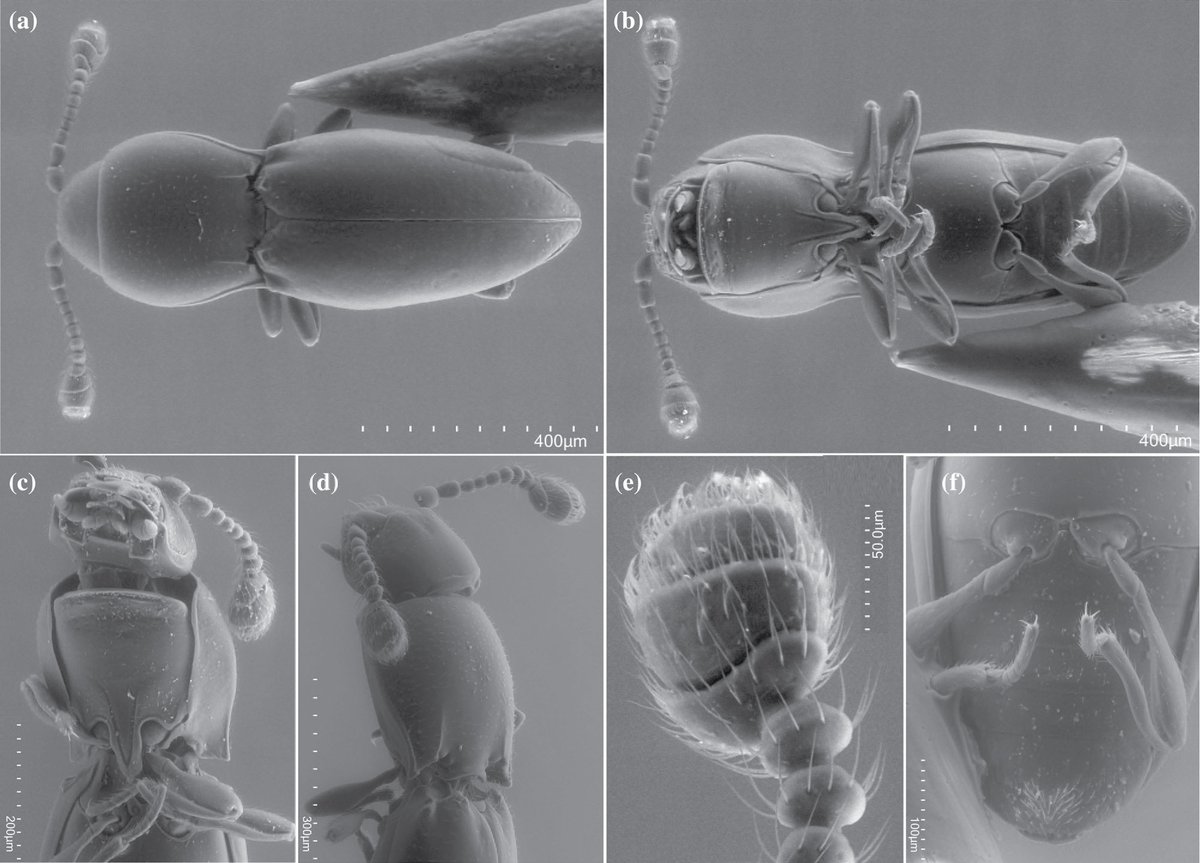
We describe Badmaateridae, a new beetle FAMILY from Chile! Badmaater chilensis is blind, wingless, and extremely small (~1mm).
📄 Open access in Systematic Entomology https://t.co/2sxlh5PPyG #Entomology#NewSpecies#Beetles
IT'S HAPPENING! 💥 I'm psyched to launch the collaboration between @qedScience & @openrxiv@biorxivpreprint! Let's go back to concentrating on making discoveries, and not on “getting published”, because it’s not going to matter soon, when feedback & evaluation are detached from the journals. Preprint + q.e.d = your science is out there, and anyone can appreciate it 👇
Newly developed structure-based methods do not outperform standard sequence-based methods for large-scale phylogenomics https://t.co/GlHjOJ5baZ @MolBioEvol
Ever wondered if earthworms are venomous? Check out our new paper to see how deep venom goes in the animal kingdom! With @EivindUndheim and @nickcasewell https://t.co/wEcsYhXIbN
The top 10 flying insect clades rule the skies—but defy the rules. Weak or inverted latitudinal diversity gradients leave biogeographers puzzled. Entomologists? Mildly amused. https://t.co/eOIwXVPJHo
The figure in this article illustrates exactly how most biology papers are secretly p-hacked. A large number of hypotheses is explored, and only the ones that form a coherent story are reported.
This is actually the main reason behind the replication crisis in biology IMO.
Happy to share my new article on how morphological diversification proceeds during evolutionary radiations: "The diffused evolutionary dynamics of morphological novelty" https://t.co/v9cB2KyNW4
🧵1/12
New paper with @snaild_it❗️
You can use paralogs to reduce long-branch attraction!
This will be especially helpful when there are no extant taxa that can be sampled to break up these branches.
https://t.co/QaIqEXfkmo
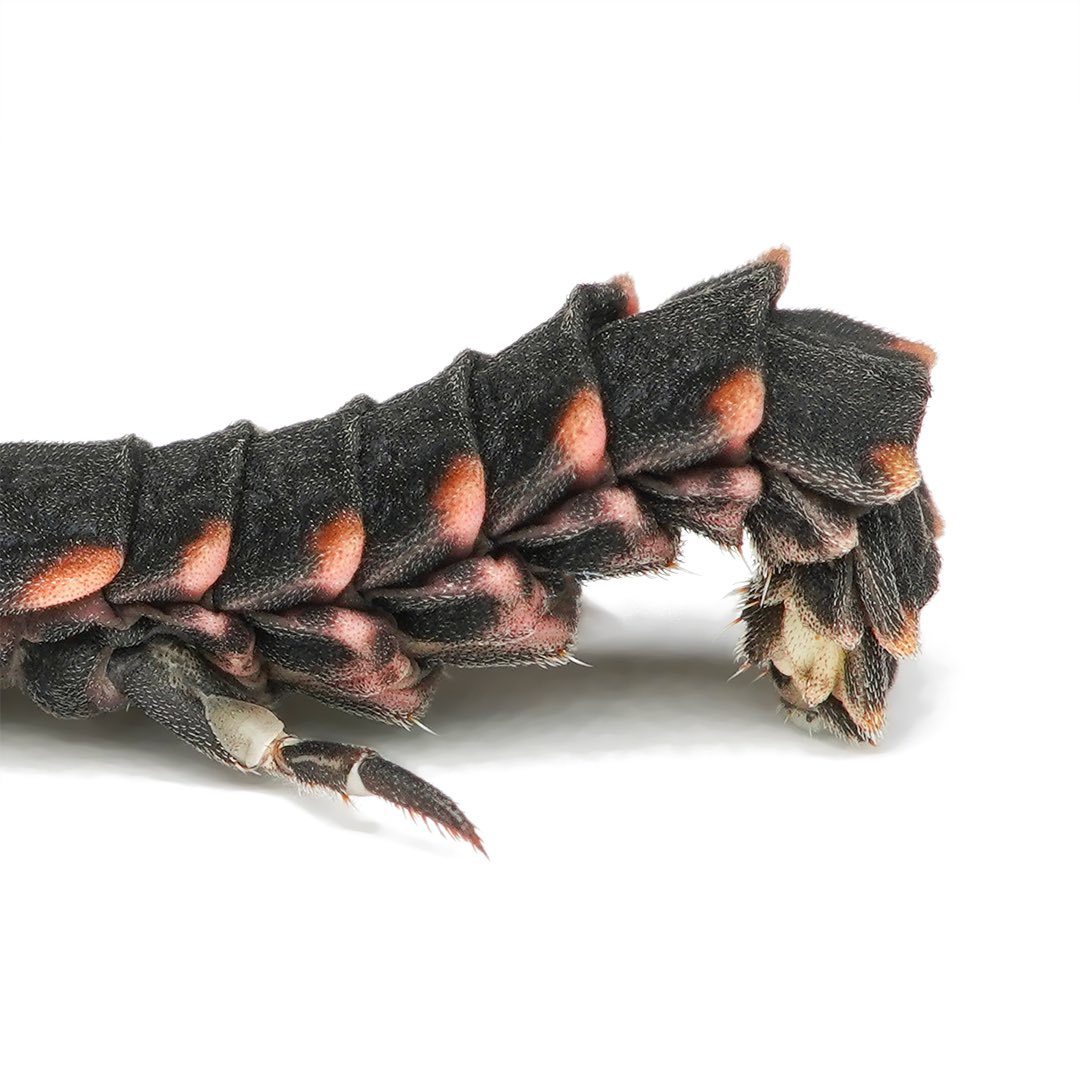
🇬🇧Common glow-worm, Lampyris noctiluca. When the larva moved, I discovered a kind of „adhesive foot“ on the back part of the abdomen. This can be extended as needed. This allows the larva to push itself forwards when moving.
🇩🇪Großer Leuchtkäfer, Lampyris noctiluca. Bei der Fortbewegung der Larve konnte ich eine Art „Haftfuß“ am hinteren Teil des Abdomens entdecken. Dieser kann je nach Bedarf ausgestülpt werden. So kann sich die Larve bei der Fortbewegung nach vorne abstoßen.
#firefly #coleoptera #insects #glühwürmchen
More info about this PhD opportunity through JAE-PRE in soil biodiversity, ecology, evolution, and metabarcoding! 🌱🧬➡️https://t.co/5cUS7l4x46
Join our team at @IPNA_CSIC in Tenerife island! 🌍
If you have any doubts, contact Carmelo Andújar at [email protected]
NEW Publication (& I'm last author!)😊
We discuss #phylogenomic methods🌲 for leveraging reticulate #evolution🧬 to elucidate the timing of evolutionary events⏱️, like disentangling #introgression from ILS
So happy to see my fantastic mentee @SaelinBjornson get this work out!
PhD degree position available in ambrosia beetle-fungus coevolution: University of Florida Forest Entomology lab
https://t.co/fCZBiWdJ9H
Short film here: https://t.co/B4M37OuAMq
Advertising this amazing tutorial that Rob Lanfear (no longer on this site) put together:
"For phylo nerds interested in concordance and discordance: https://t.co/vhGOofgGWP"