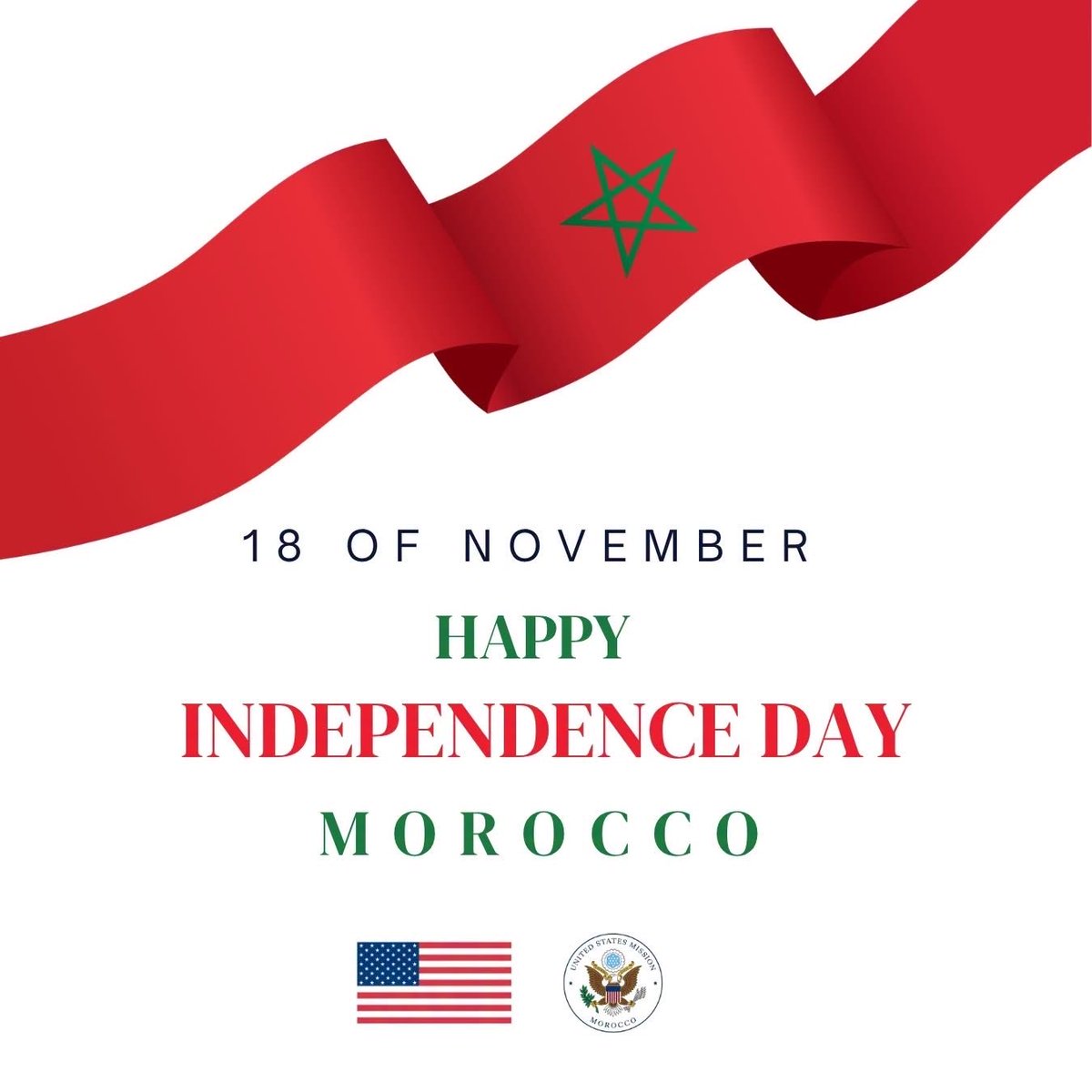
Happy Independence Day, Morocco! As we celebrate Morocco’s independence, we also honor the longstanding friendship between our two nations. Morocco was the first country to recognize American independence, a historic bond that continues to unite us. In observance of this holiday, the U.S. Mission to Morocco will be closed on Wednesday, November 18. 🇺🇸🤝🇲🇦
عيد استقلال مجيد للمغرب ! نشارك المغاربة احتفالاتهم بعيد الاستقلال، ونعتز بعلاقات الصداقة التاريخية التي تجمع بلدينا. فقد كان المغرب أول دولة تعترف باستقلال الولايات المتحدة الأمريكية، في خطوة تاريخية أرست أسس صداقة متينة لا تزال تجمعنا إلى اليوم. وبمناسبة هذا العيد الوطني، ستُغلق بعثة الولايات المتحدة الأمريكية بالمغرب أبوابها يوم الأربعاء 18 نونبر. 🇺🇸🤝🇲🇦
It's interesting that people in threat intel with deep expertise in threat actor activity, Russia, China, Iran, DPRK specialists, easily accept that the recent issues are human errors made on fragile systems. While people without TI background are shouting, "omg cyber attack!"
@bcantrill@pangram@max_spero_ In some unscientific testing I found that a lot of these gave false-positives seemingly just based on volume of technical terms used. Pangram never did that for me.
While I was able to massage LLM-generated text enough for it to pass as human, I suppose that's kinda the point.
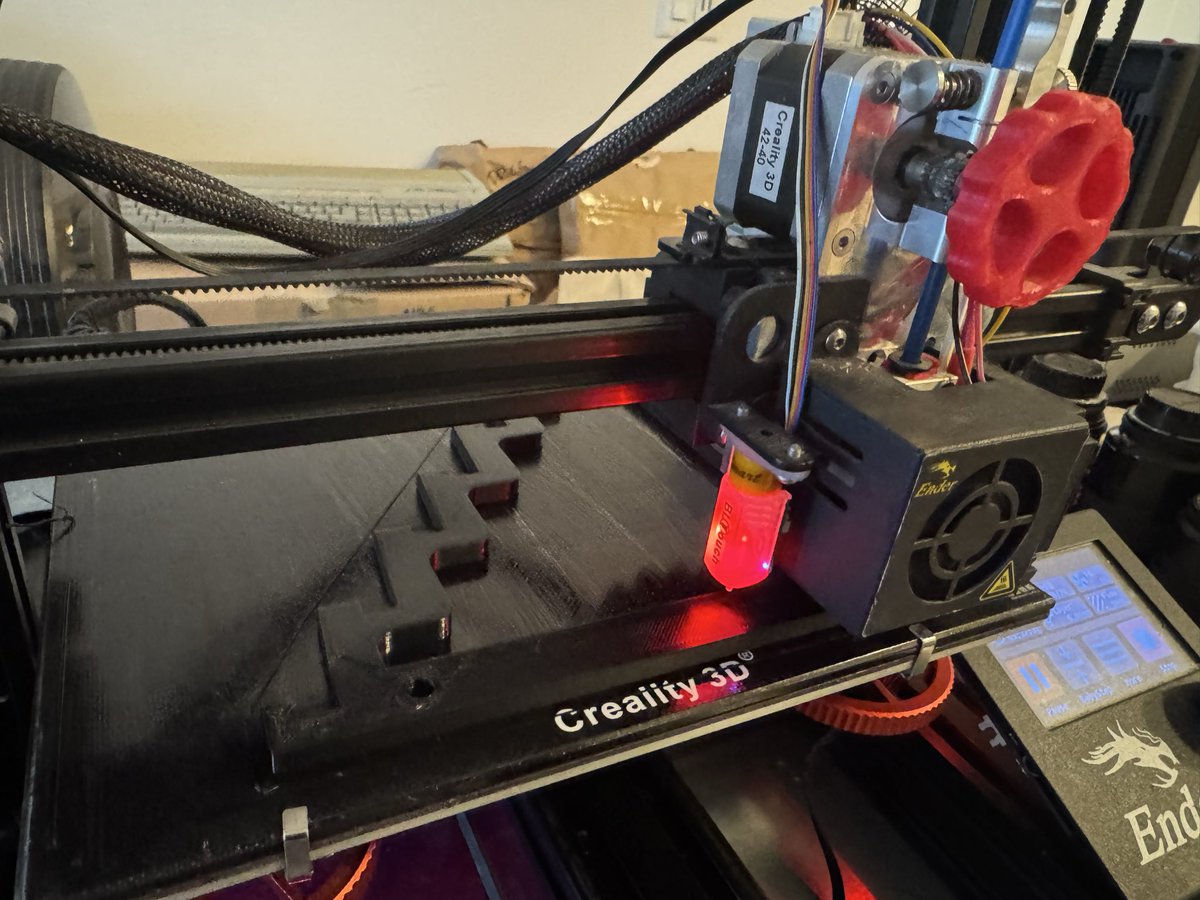
@the__source__ Just looked and this has been my sole 3D printer since the beginning of 2018 and between using it and upgrading it and breaking it and fixing it I’ve learned an absolute ton
Was a lousy soldering job and resistance + current = heat
Other than that this has been a great board (BigTreeTech E3-RRF) so far, got it almost 6 years ago
Remember eMudhra with their Most Secure Private Key Of All Times?
So here's how they managed to do it:
1) They exported a private key from the hardware security module (HSM) into a regular PC (!).
2) They processed this private key with a Python script they wrote (!!).
3) The script had a bug that ruined the key by truncating it to a single byte (!!!).
4) They imported the ruined key back into the HSM and certified it with the root CA.
But that's not the end of it. After the initial "ceremony", the HSM held two keys: the good original and the ruined copy.
A month later, this is what happened:
1) The certificates contained the ruined copy's public key, but the revocation lists (CRLs) were signed with the good original, so their signatures failed to verify.
2) Instead of investigating the problem, eMudhra "fixed" it by signing the CRLs with the ruined key instead.
3) The weak keys went unnoticed until an outside researcher reported them in October 2026.
Good job!