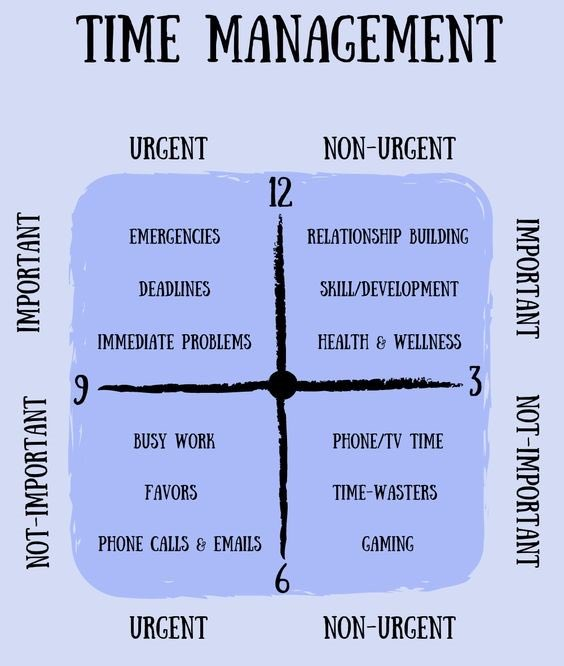
If your goal is longevity, start here:
✔️ Prioritize sleep
✔️ Remove processed foods
✔️ Move your body daily
Simple doesn’t mean easy, but it does mean effective. Get these right, and everything else gets easier.
Want to age slower? Build muscle.
Muscle is not just for aesthetics. It is metabolic currency.
It improves insulin sensitivity, protects bone density, supports hormone health, and lowers your risk of frailty as you age.
If your only exercise is walking, that’s a good start. It is not enough.
Add this:
- strength train 3x a week
- focus on compound lifts
- hit legs at least twice a week
- eat enough protein to recover
Longevity is not staying small and comfortable. Longevity is staying strong.
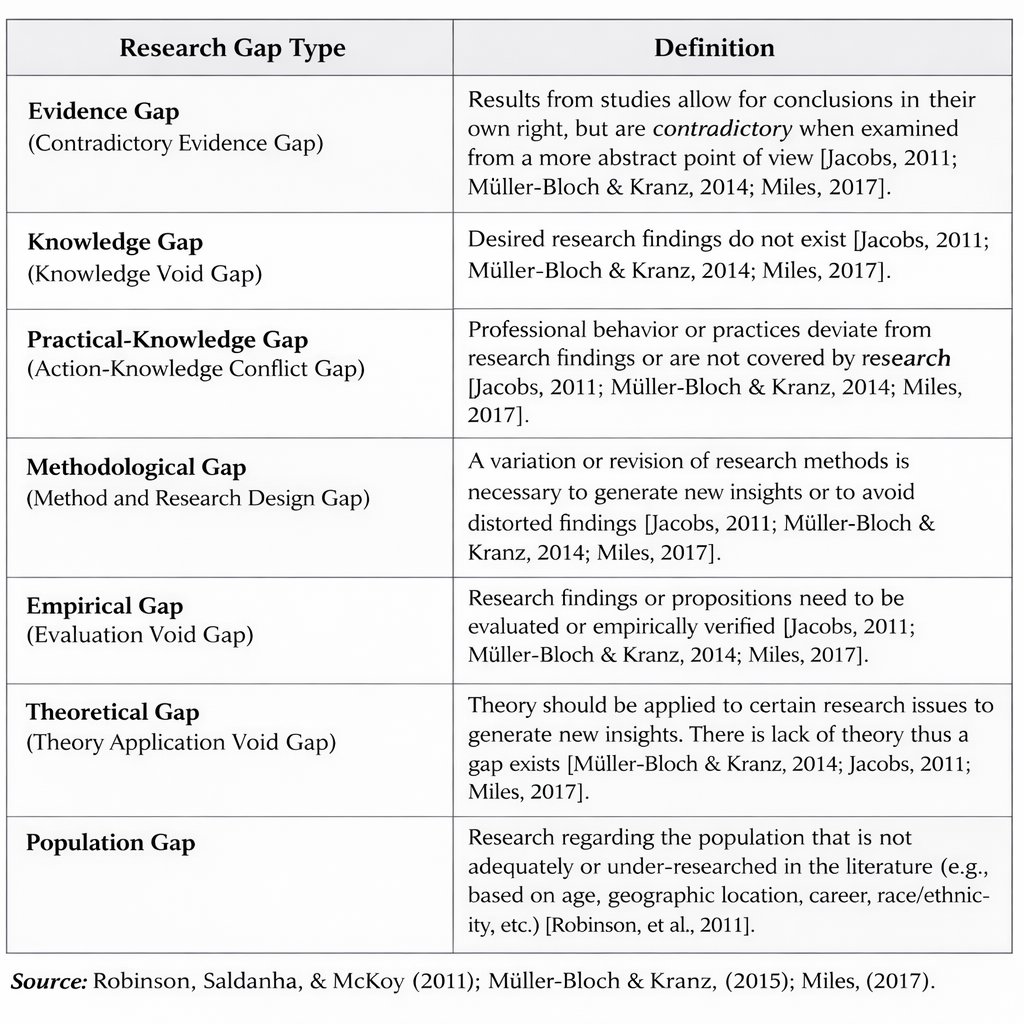
Struggling to find a unique angle for your research?
The key to groundbreaking research is in its gaps
7 types of research gaps every scholar should know
@levelsio I eat 225g protein per day in two main meals without any protein supplements.
Post-workout:
- 2 eggs
- 30 tbsp egg whites
- 1 serving cottage cheese
Dinner:
- 12 oz lean meat
- 1 serving cottage cheese
- 2 eggs
Dessert:
- 2 servings Greek yogurt
Skill issue :)
Airplanes are one of the fastest ways to drain your immune system...
The humidity is lower than the Sahara, the air is recycled, everyone is touching the same surfaces, and your circadian rhythm takes the hit before you even land.
If you’re flying this season, watch this full episode to learn how to feel your best 👇🏻
The 7 seed oils to always avoid:
1. Canola
2. Soybean
3. Corn
4. Cottonseed
5. Sunflower
6. Safflower
7. Grapeseed
These are industrial oils, not food.
They're oxidized, pro-inflammatory, and ruin your cellular health.
The 10-3-2-1 sleep rule:
🕙 10 hrs before bed: no caffeine
🕒 3 hrs: no food
🕑 2 hrs: no work
🕐 1 hr: no screens
It’s not just when you sleep, it’s how you prepare your body to want to sleep.
Drinking beverages sweetened with the zero-calorie sweetener sucralose may significantly alter brain mechanisms involved in hunger regulation, according to a new brain imaging study.
Acute consumption of sucralose increased hypothalamic blood flow by 7.9% compared to sugar-sweetened drinks (sucrose) and by 7.8% compared to water. Increased hypothalamic blood flow is a neural marker typically associated with greater hunger, and indeed, hunger ratings were significantly higher after consuming sucralose.
In contrast to sucralose—which was metabolically inert due to its lack of calories—sucrose (table sugar) raised blood glucose, insulin, and GLP-1 levels, all metabolic changes that corresponded with reduced hunger and decreased hypothalamic activity.
While this study investigated acute effects rather than long-term outcomes, these results underscore that non-caloric sweeteners like sucralose could disrupt the body's natural appetite control mechanisms, challenging the assumption that they represent a neutral or beneficial alternative to sugar.
DOI: 10.1038/s42255-025-01227-8
Seed oils are in everything.
Even “health foods.”
Look for these on the label:
🚫 Canola
🚫 Safflower
🚫 Soybean
🚫 Sunflower
🚫 Cottonseed
AVOID THEM AT ALL COSTS!
A 2-year exercise regimen reversed up to 20 years of heart aging in sedentary 50-year-olds
By training 5-6 hours per week, their hearts became structurally younger—more like a 30-year-old’s
The protocol used by Dr. Benjamin Levine’s team:
• Norwegian 4x4 Intervals: 4 min. at the maximum intensity you can sustain (for a given pace, this is usually ~85-95% HRmax), 3 min. of low-intensity recovery (~70% HRmax), repeat 4x weekly
• Recovery Aerobics: 20-30 min. light exercise
• Endurance Sessions: 1+ hr. endurance training, plus separate 30-min. base pace weekly
• Strength Training: Twice weekly
Exercise is powerful medicine
The most underrated biohack?
WALKING.
- Improves blood sugar
- Reduces stress
- Increases creativity
- Boosts mood
20 minutes a day can change your health!
Boosting your fiber intake is one of the simplest and most effective ways to limit microplastic absorption
Fermentable fiber found in fruits and vegetables, form a gel-like substance in your gut that traps microplastics and prevents them from entering your system
Meanwhile, non-fermentable fiber helps push these harmful particles through your digestive tract before they can be absorbed
In a world where microplastics are unavoidable, fiber could be your best defense