Next on RFK Jr's radar
Organ donation
Transplant of organs is a magnificent scientific achievement which saves tens of thousands of lives per year
He's going to try and stop it
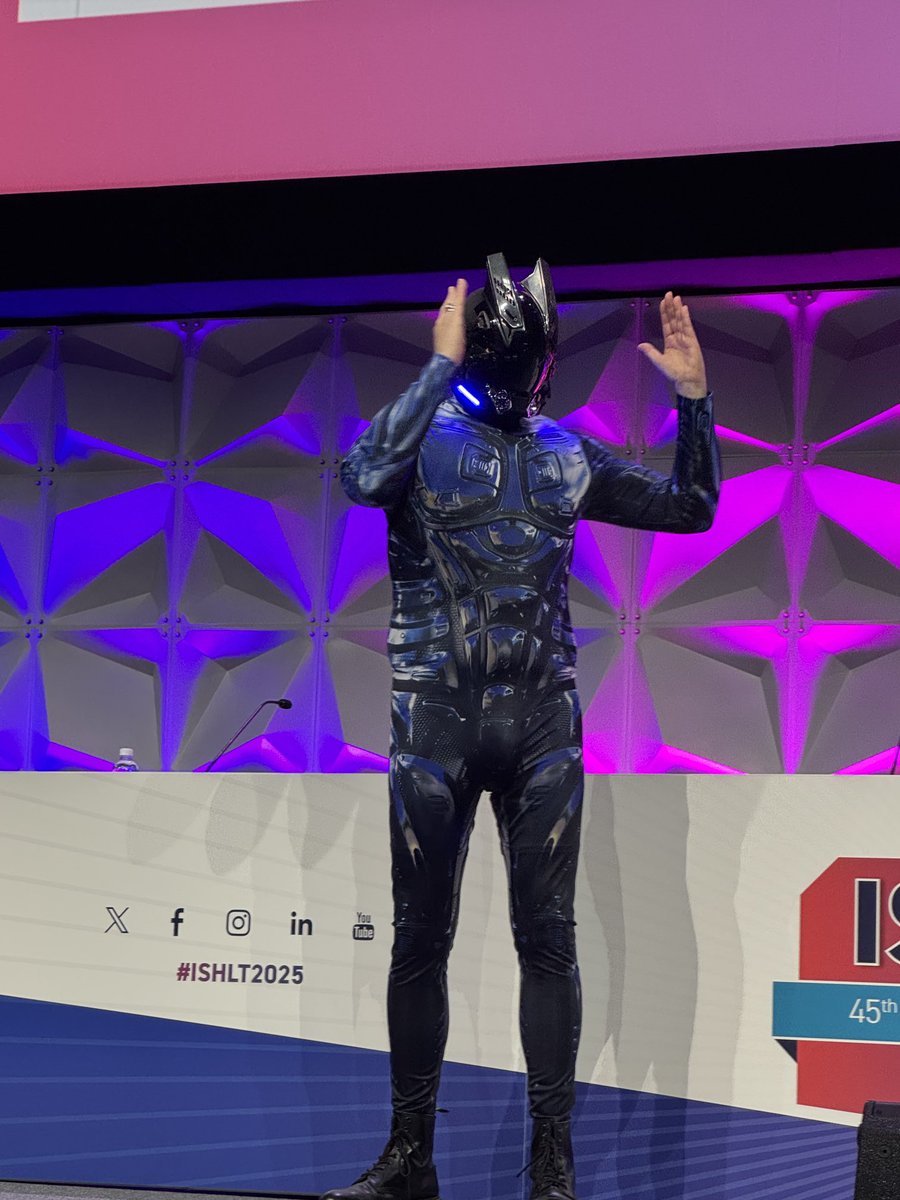
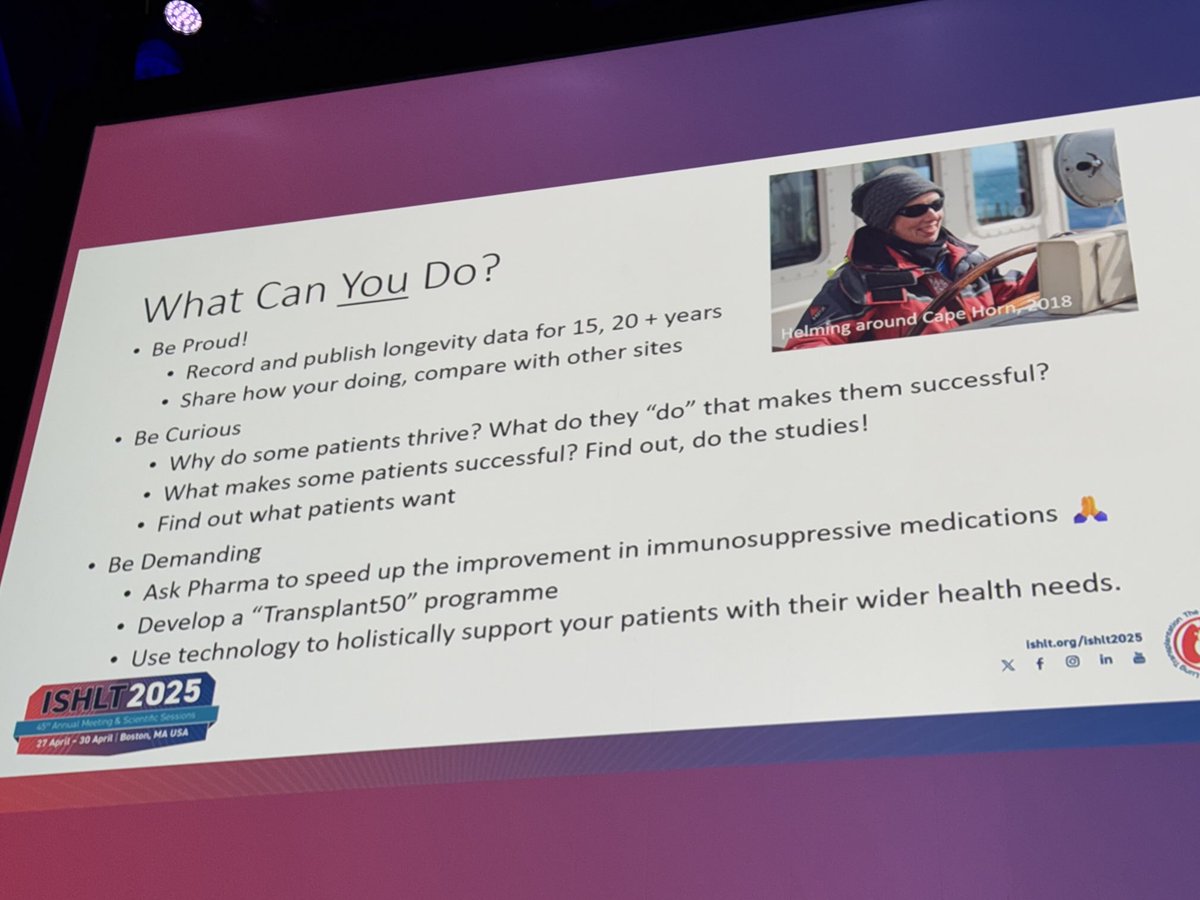
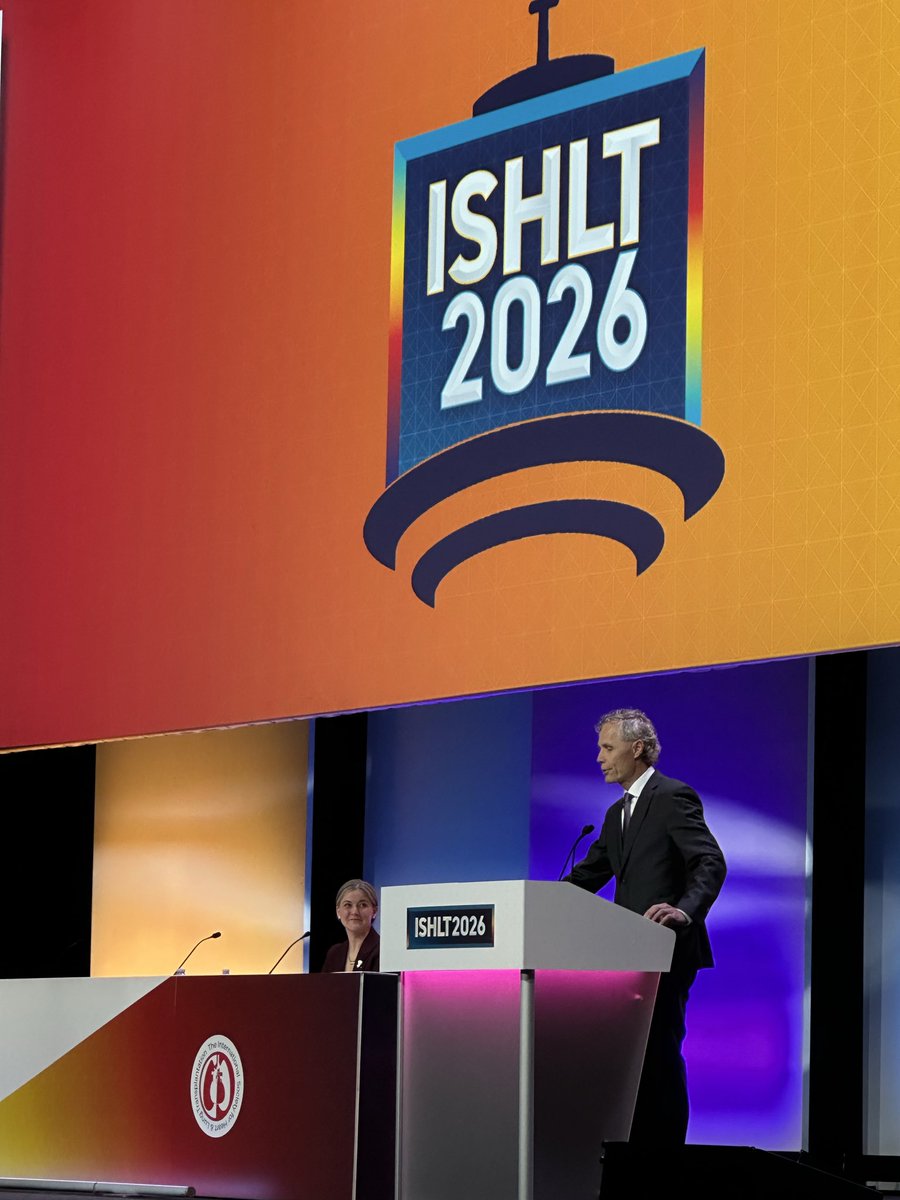
As #ISHLT2025 wraps up, I am inspired by cutting-edge science, patients who are surviving and thriving, and thought-provoking debates about the future of our field. See you all in Toronto for #ISHLT2026! @ISHLT @ISHLTPres
Heartshattering to learn an Israeli drone has targeted and assassinated Mahmoud Almadhoun, one of the founders and chefs behind the Gaza Soup Kitchen.
What started as four pots and essential ingredients in Bait Lahia had grown into a remarkable effort to feed 3,000 people daily.
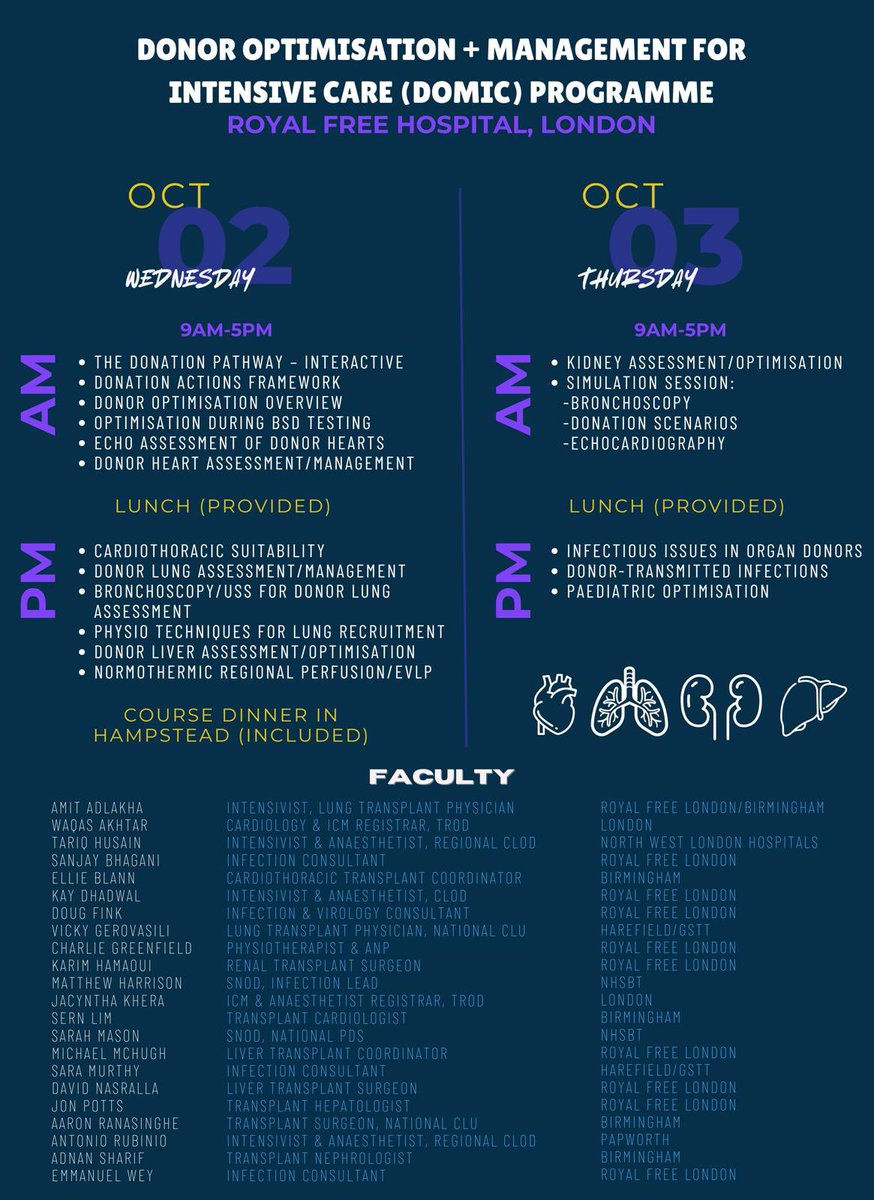
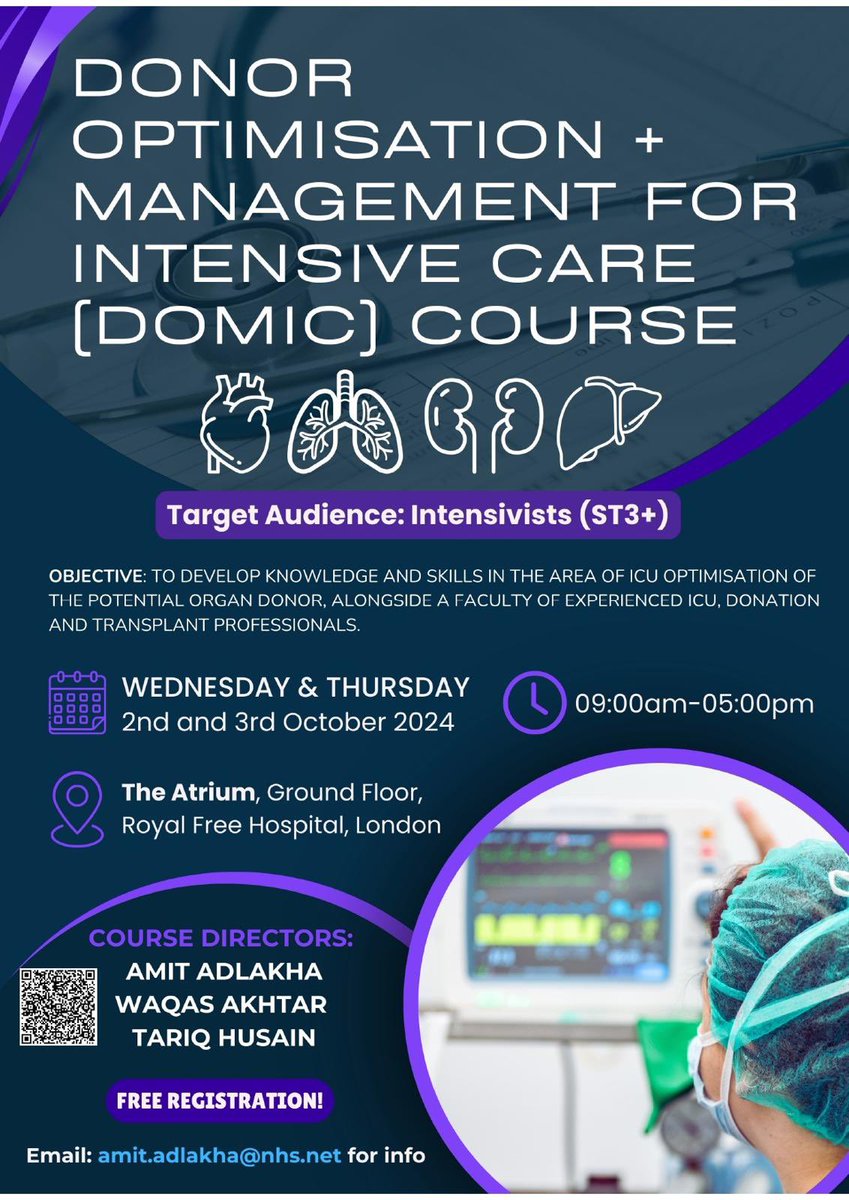
Intensivists - interested in improving your skills in donor optimisation? Please join us in London on 2/3 Oct for the 1st Donor Optimisation and Management in Intensive Care (DOMIC) course.
Happy World Organ Donation Day 👍🏾
(please do share…)
📣 Apply today for the Ukrainian Support Fellowship 📣
This Fellowship is for Ukrainian trainees whose teaching activities have been affected by the ongoing conflict.
Hosted by the Department of Cardiovascular Surgery at Hospital Clínic de Barcelona, this three-month fellowship focuses on continuing surgical education in cardiovascular surgery and intensive care
management.
Successful fellows will be awarded a grant to support living and travel costs.
🔗 Education fellowship applications close on 1 September. Apply here 👉 https://t.co/grsAoMZpXf
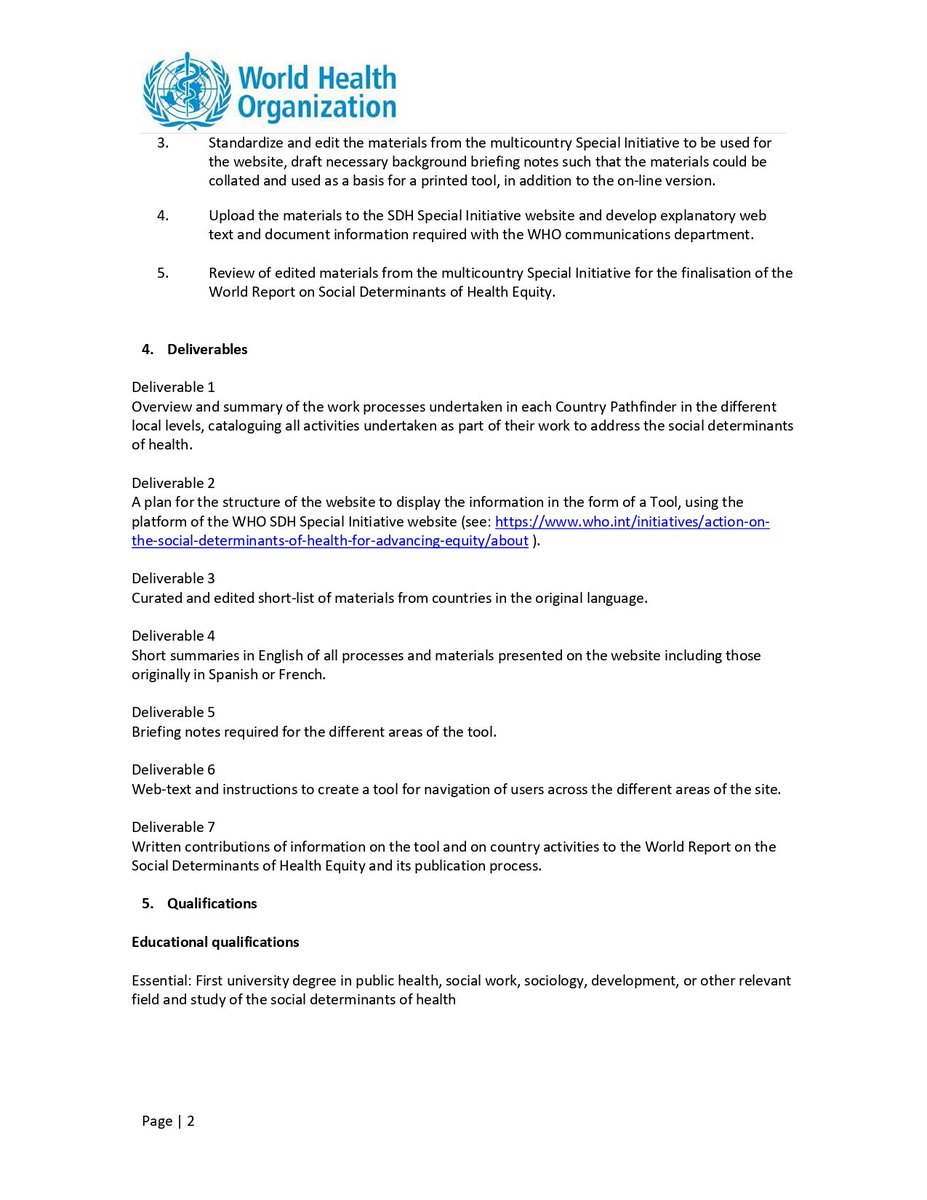
📣 Consultancy Opportunity
We have an exciting opportunity to join our @WHO Equity and Health team for full time for three months!
We are looking for someone to develop a toolkit based on the rich lessons from four years of local & national implementation experience of the “Special Initiative for Action on #SocialDeterminants of Health”.
Please share with whoever may be interested. Applications close August 14.
More info about the Special Initiative: https://t.co/oPRI6gN1Lf
#HealthEquity #SDoH
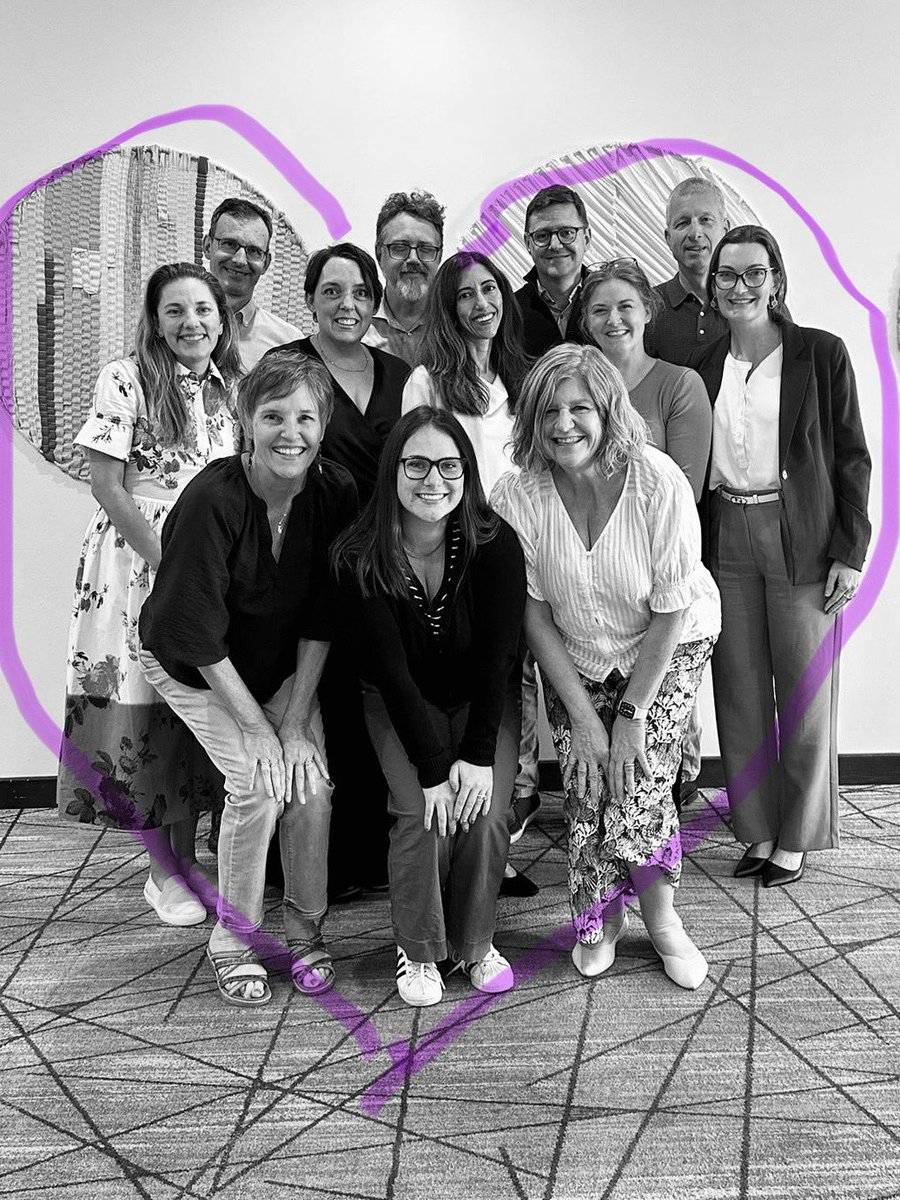
Beyond the glossy video, these passionate and brilliant transplant practitioners are making a difference, collaborating together, every day. Proud to call these people my friends and colleagues! @LungTxDoc@MegFregoso@HaifaLyster@lauriesnyderMD@ISHLT
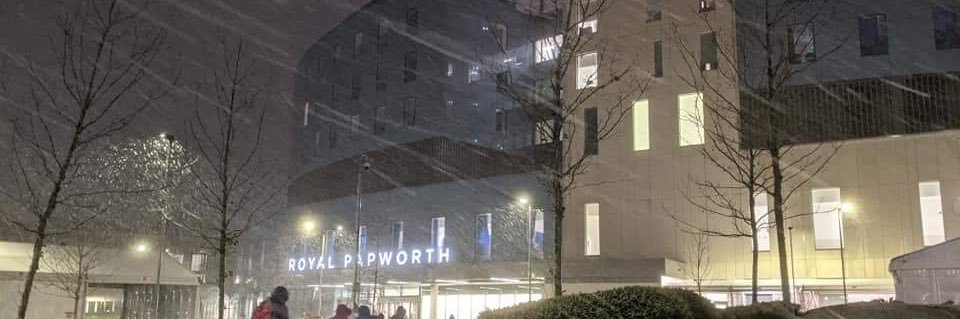
Today, Tuesday 9 July, marks five years since our new hospital was officially opened by Queen Elizabeth II.
As part of the visit, Her Majesty Queen Elizabeth met with staff and patients throughout the hospital and also visited some of our start-of-the-art #NHS facilities.
1/2
Early career or at the trainee stage? Looking to get more involved with #ISHLT or meet more of your peers? The #ISHLTEarlyCareer Open Discussion next month is your best bet to get involved!
📅 23 July
🕒 12-1 PM ET
🌐 Zoom
💸 Free and open to all!
🔗 https://t.co/BXIVfrsQsu
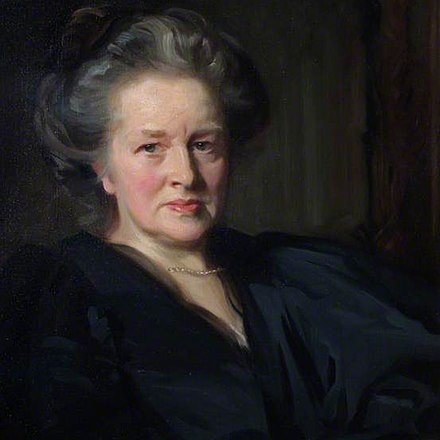
Woman of the Day Elizabeth Garrett Anderson born OTD 1836 in Whitechapel. First woman to qualify in Britain as a physician and surgeon, co-founder of the first hospital staffed by women, first woman Dean of a medical school, first woman elected to a school board, first woman Mayor. How did this remarkable woman manage to achieve all of that in her 81 years?
Inspired by a meeting in 1859 with Bristol-born Elizabeth Blackwell who became the first woman doctor in the US some ten years earlier, 22 year old Elizabeth decided to emulate her. 1860 was a pivotal year. She discussed her audacious plans with her friend, Emily Davies and her 13 year old sister Millie by the fireside one evening. Emily said, “Women can get nowhere unless they are as well educated as men. I shall open the universities.” “Yes,” Elizabeth agreed, “we need education but we need an income too and we can't earn that without training and a profession. I shall start women in medicine. But what shall we do with Millie?” Emily turned to the young girl, “After these things are done, we must see about getting the vote. You are younger than we are, Millie, so you must attend to that."
First though, Elizabeth had to overcome the opposition of her parents. Her father believed “the whole idea was so disgusting that he could not entertain it for a moment”. That wasn’t uncommon. Victorian beliefs about women’s physical, mental, and emotional natures led to men - ever the experts on all matters pertaining to women - arguing that menstruation and education were incompatible.
Elizabeth applied to the medical school at Middlesex Hospital. No women allowed. She enrolled as a nursing student instead and employed a tutor privately to study anatomy and physiology three evenings a week. When she sat in on some medical classes, male students complained. In fact they raised a petition against her, so she was obliged to leave but did so with an honours certificate in chemistry and materia medica.
Next, Elizabeth tried applying to other medical schools. They turned her down, all of them, so armed with her certificate in anatomy and physiology, she applied to the Society of Apothecaries. Its charter meant it could not legally exclude her on account of her sex so on 28 September 1865, she sat the exam in the Apothecaries Hall with 51 men and and was one of just three who passed. With top marks at that. This meant she could lawfully practise medicine. The SA immediately changed its rules to prevent other women from using the same loophole.
Elizabeth couldn’t persuade any hospital to offer her a post even though she had gained top marks in every exam so she opened her own practice in London and when cholera broke out, people panicked. Even a mere woman was better than nothing. By then, she had opened St Mary's Dispensary for Women and Children and in the first year, treated 3,000 new patients in 9,300 outpatient visits.
Learning that the Sorbonne was thinking of admitting women as medical students, Elizabeth studied French until she was fluent and finally obtained her much prized medical degree in 1870, at the age of 40. In the same year, a letter was published in The Lancet representative of the views of many male medical practitioners, particularly specialists in gynaecology and obstetrics, that women lacked “the coolness and strength of nerves” required of a doctor, and “the constitutional variations of the female system, at the best are uncertain and not to be relied upon”. Those pesky periods again, sapping our brains. The British Medical Register refused to recognise Elizabeth’s degree.
Still unable to find a hospital post, Elizabeth did what any sensible woman would do. In 1871, she opened the New Hospital for Women staffed entirely by women. Elizabeth Blackwell came on staff as a professor of gynecology. It was hugely popular and enjoyed an excellent reputation for patient outcomes.
In 1873, she became the first woman to be admitted to the British Medical Association. It then voted against admitting any more women members until 1892.
Ever heard of Patriarchy Chicken? Welcome to Patriarchy Snakes and Ladders.
When one of the Edinburgh Seven, Sophia Jex-Blake opened the London School of Medicine for Women in 1874, Elizabeth taught there and in a 1877 meeting in support of the school, said that there was "nothing injurious to the health, the morals, or the manners of women in a medical education, and that the results were likely to prove beneficial to the female sex and to the nation". The two women didn’t always see eye to eye but in 1883, Elizabeth was elected as Dean of the LSMW. She continued to lobby strenuously for women to enter the medical profession.
The British Medical Register eventually capitulated in 1877 and agreed to register women as medical practitioners. The BMA capitulated in 1893 because the audience “needed no convincing of the justness of her demands…she had already by her professional and public life done this very thoroughly", and overwhelmingly voted in favour of women's admission to the BMA.
Six years after she retired in 1902, Elizabeth became the first woman mayor in Britain, Mayor of Aldeburgh. She died in 1917 at 81, having kept her promise to Emily and her sister, Millie - Millicent Garrett Fawcett.
"Women can less easily afford to be second-rate, their professional work will be more closely scrutinised; mistakes will ruin them more quickly than they will men.”
That’s still true today.