☝️Oral PCSK9 Inhibitors: A New Era in Lipid-Lowering Therapy?
👉Key takeaways:
1️⃣ Enlicitide (MK-0616) reduced LDL-C by ~56% in Phase III trials, with additional reductions in apoB, non-HDL-C, and Lp(a), showing efficacy comparable to injectable PCSK9 monoclonal antibodies.
2️⃣ Laroprovstat (AZD0780) achieved up to 50% LDL-C reduction and is currently advancing through Phase III development (AZURE Outcomes program), representing another highly promising oral PCSK9 inhibitor.
3️⃣ Other emerging oral agents—including DC371739, CVI-LM001, CiVi008, and the previously studied NNC0385-0434—highlight the growing diversity of strategies targeting the PCSK9 pathway and related lipid-regulating mechanisms.
👉The future may lie in simplified oral combination therapy: a statin + ezetimibe + oral PCSK9 inhibitor could potentially achieve 70–80% LDL-C reduction, bringing injectable-level efficacy into a convenient all-oral regimen.
👉 Ongoing cardiovascular outcome trials will determine whether these impressive lipid improvements translate into reductions in major cardiovascular events.
☝️Bottom line:
The next generation of lipid-lowering therapy may not be another injection—but a powerful triple oral combination capable of transforming cardiovascular prevention.
🔓🔗 https://t.co/gJyhZcIiph
@society_eas@nationallipid@ESC_Journals@escardio
In a study totalling 7128 proximal CTOs in which PCI was attempted, technical success rates was 91% overall, but higher for LCX vs RCA, and 30-day safety was better in for LAD vs RCA https://t.co/RpnpLminuU @ccijournal
Inflammation matters after ACS. New data: both IL-6 and hs-CRP independently predict long-term cardiovascular risk in post-ACS patients. Residual inflammatory risk is real. Read more in #EHJ.
https://t.co/y9qV4BazL4
#inflammation#IL-6 #hs-CRP #cardiotwitter@ESC_Journals@escardio
1/9
🚨 𝗟𝗲𝗳𝘁 𝗺𝗮𝗶𝗻 (𝗟𝗠) 𝗰𝗼𝗿𝗼𝗻𝗮𝗿𝘆 𝗮𝗿𝘁𝗲𝗿𝘆 𝗱𝗶𝘀𝗲𝗮𝘀𝗲 is one of the most complex subsets for PCI, carrying a high risk of late complications.
The ultimate game-changer for improving patient outcomes? 𝗜𝗻𝘁𝗿𝗮𝗰𝗼𝗿𝗼𝗻𝗮𝗿𝘆 𝗜𝗺𝗮𝗴𝗶𝗻𝗴 (𝗜𝗖𝗜) .
Here is a breakdown of the new EAPCI & EBC consensus statement. 🧵👇
I would say that the KISS trial @JACCJournals not only proved that you do not need to do routine SB intervention (commonly kissing), rather I would say the most significant change is proving the concept of POT-side-POT (done in 57% of SB interventions and seems to be more favorable than kissing).
I have been recently doing POT-side-POT instead of kissing when I need SBI and that study proved it can be better!
Congrats to the authors and @sbrugaletta for an insightful editorial!
https://t.co/H3m2dHoufQ
#cardioX
Is #PCI superior to medical therapy for chronic total coronary occlusion in patients with chronic coronary syndrome?
Find out from the post-hoc pooled analysis of the EUROCTO and DECISION-CTO trials published in #JACC ➡️ https://t.co/XWEOKtc2In
Time to rethink earlier lipid-lowering strategies? PCSK9 inhibitors in atherosclerotic cardiovascular disease patients without prior ischemic events cut 5-year risk by ~31%, with fewer MI, stroke and deaths. Read more in #EHJ. https://t.co/MAh95JMFa6
#PCSK9#lipid #atherosclerosis #cardiotwitter @ESC_Journals@escardio
Although clinical studies have suggested that bifurcation angle does not significantly impact outcomes in DK-Crush, this mechanistic bench study challenges that assumption. It demonstrates that both bifurcation angle and rewiring sequence critically influence stent apposition, side branch access, and hemodynamics. Wide angles show worse performance, while optimal rewiring varies with anatomy. Importantly, the routine proximal-first approach is not universally superior. These findings support an anatomy-driven strategy and highlight the role of imaging-guided rewiring to optimize procedural outcomes. #DKCRUSH #bifurcation https://t.co/ODWNbscWtC
This is very important for resource poor settings, RODIN -Cut, with high pressure CB dilatation 4 times can give better IDE. Optimised angioplasty with limited resources is possible. OPTIMAL, IVUS CHIP point one thing, learn from imaging and practice everyday same, you will get equivalent results. https://t.co/ELrujOvcaD
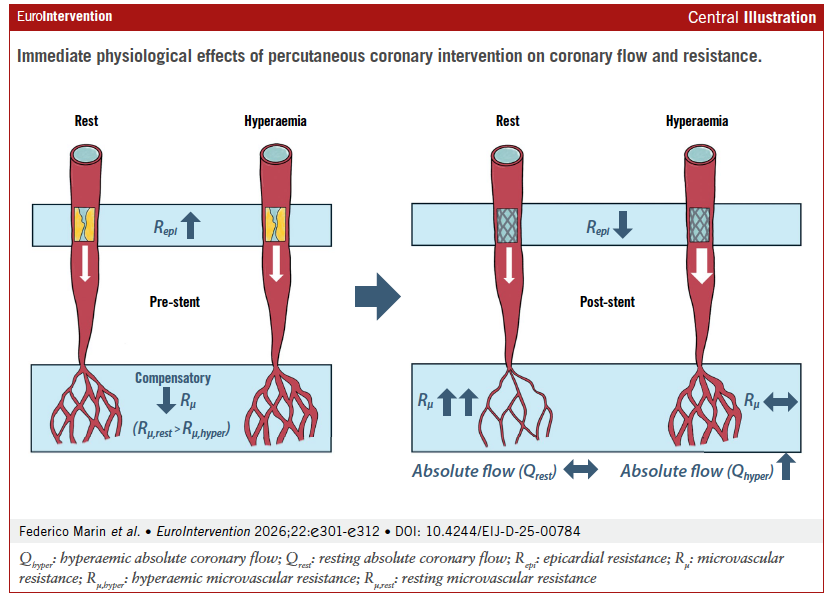
Invasive physiological assessment using continuous thermodilution showed that PCI reduces epicardial resistance and increased hyperaemic coronary flow, while resting flow remained unchanged due to microvascular autoregulation.
https://t.co/PLy11lhpAh
#PCI#FFR #CoronaryPhysiology
@GiovanniLuigiD1@ColletCarlos
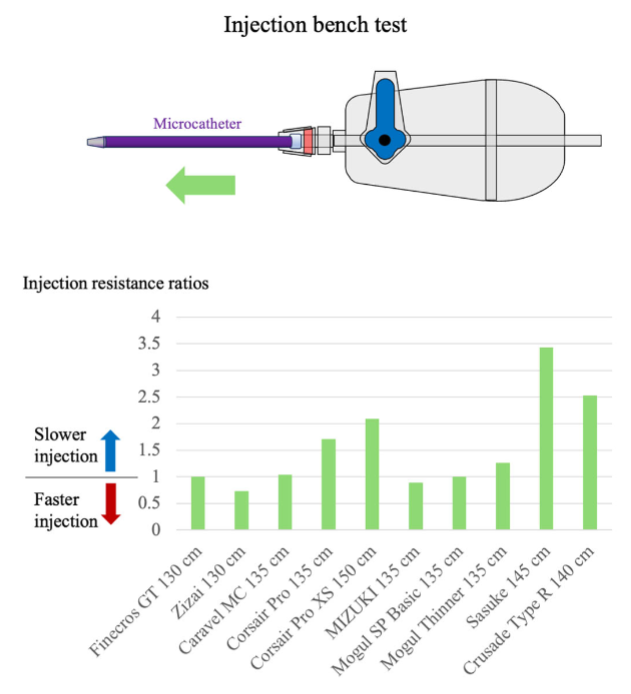
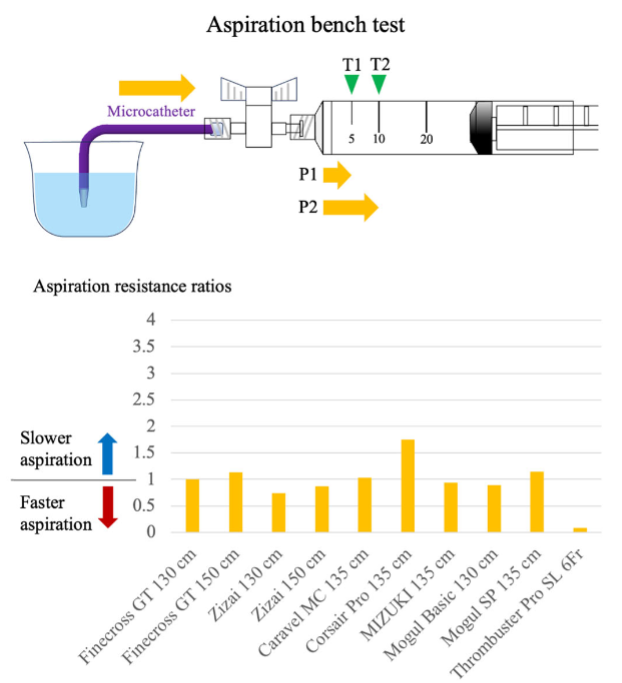
Which is the best coronary microcatheter for aspiration/injection purposes? The 130 cm Zizai! Conversely, Sasuke, Crusade Type R, and Corsair Pro proved much worse https://t.co/Huu3axWKPb @ccijournal@terumoisuk@ASAHIINTECCMEDI
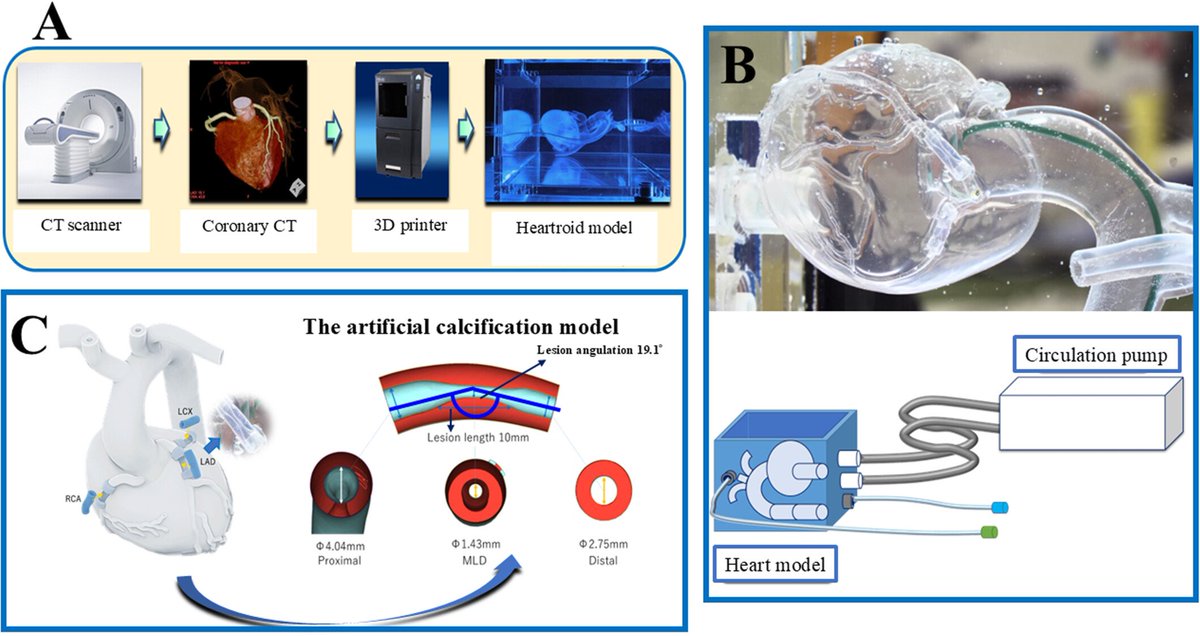
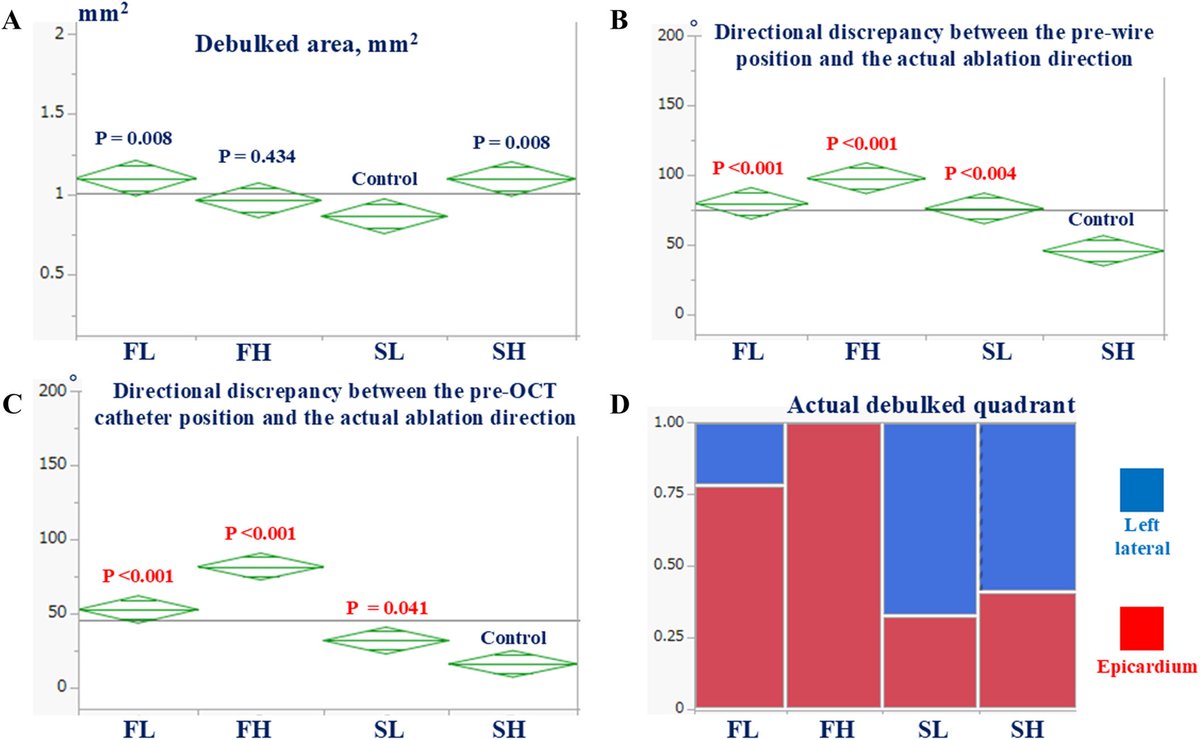
Guidewire type and rotational speed significantly influence directional control during rotablation. High-speed ablation with an extra-support wire minimizes directional discrepancy and allows more predictable and controlled ablation https://t.co/vou9UCc9hi @ccijournal
Not everyone could master MAXROTA. However, anyone can easily boost ROTA effects even further by using the Carving ROTA. This is actually the true potential of ROTA. I hope I can present something on this technique at this year's CCT meeting.
A traditional Chinese mind-body practice that combines slow, structured movement, deep breathing & meditative focus lowered BP as effectively as brisk walking, in a large RCT published in #JACC. BP reductions were seen after 3 months & sustained for 1 year https://t.co/VGbZeL8U9H
Spontaneous Coronary Artery Dissection: Current Knowledge, Research Gaps, and Innovative Research Initiatives | State-of-the-Art 📝 from JACC Advances Expert Panel
https://t.co/DdG4IRPZOX
@JACCJournals#SCAD#mustread
REPEAT-QFR - FAVOR III Europe substudy
In-procedure QFR demonstrated moderate diagnostic accuracy and reproducibility, with performance influenced by angiographic and analysis quality.
These findings emphasized the importance of optimised image acquisition and careful interpretation, and support a thoughtful, stepwise implementation of #QFR in routine clinical practice.
#InterventionalCardiology #CoronaryPhysiology
@BarbaraStahli@gret_ziu@WestraJelmer@Eric_Van_Belle@erriquez_andrea@DrKoltowski@JEscaned@h_evald
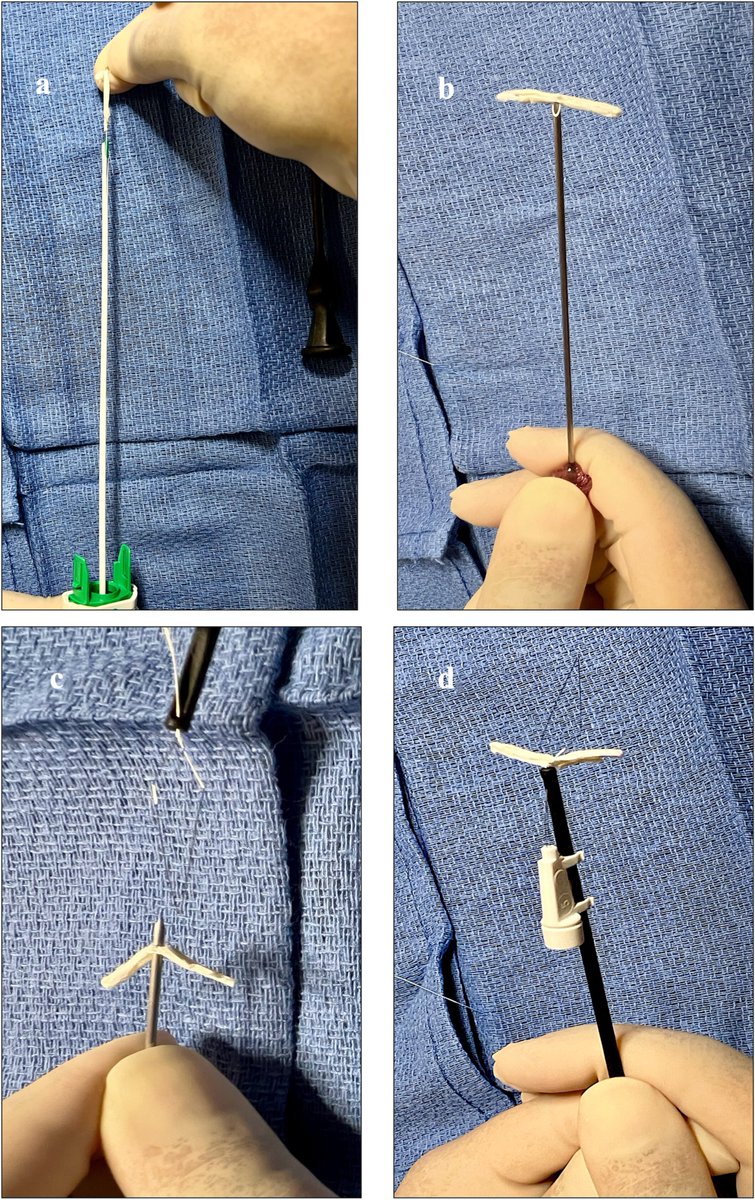
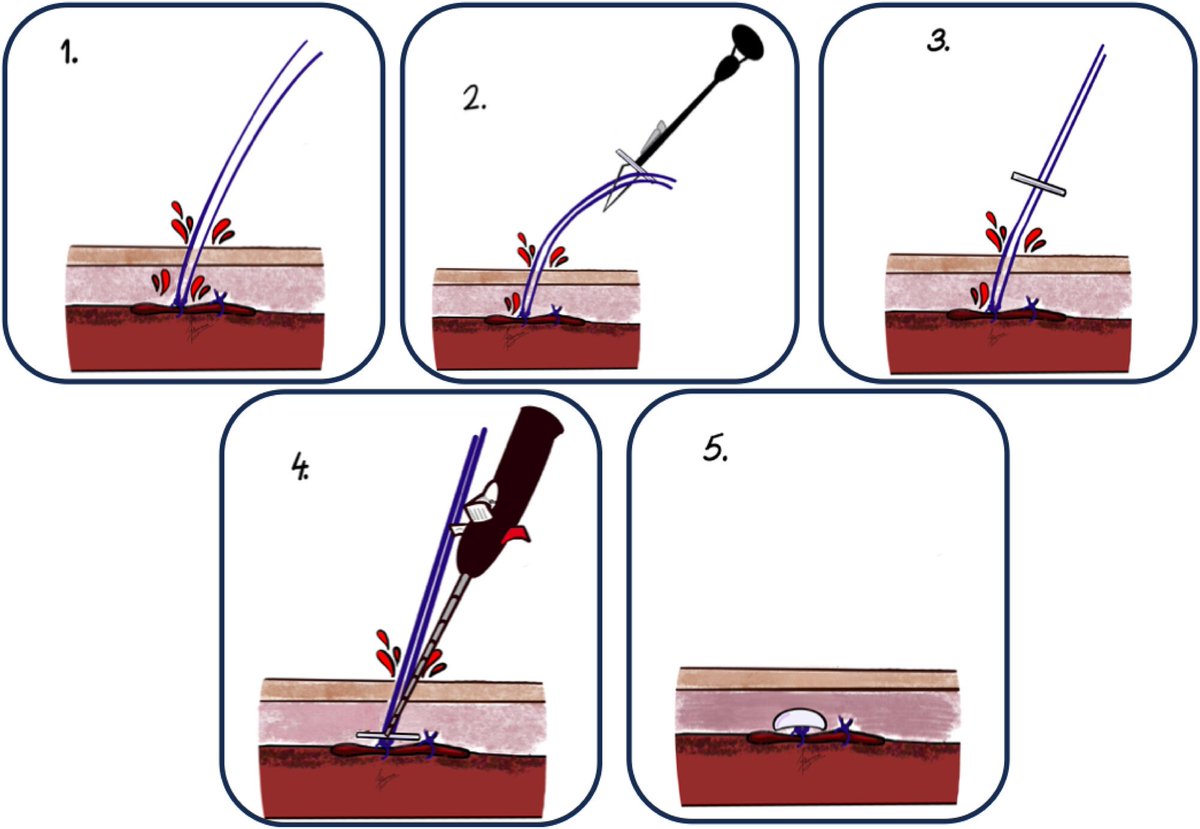
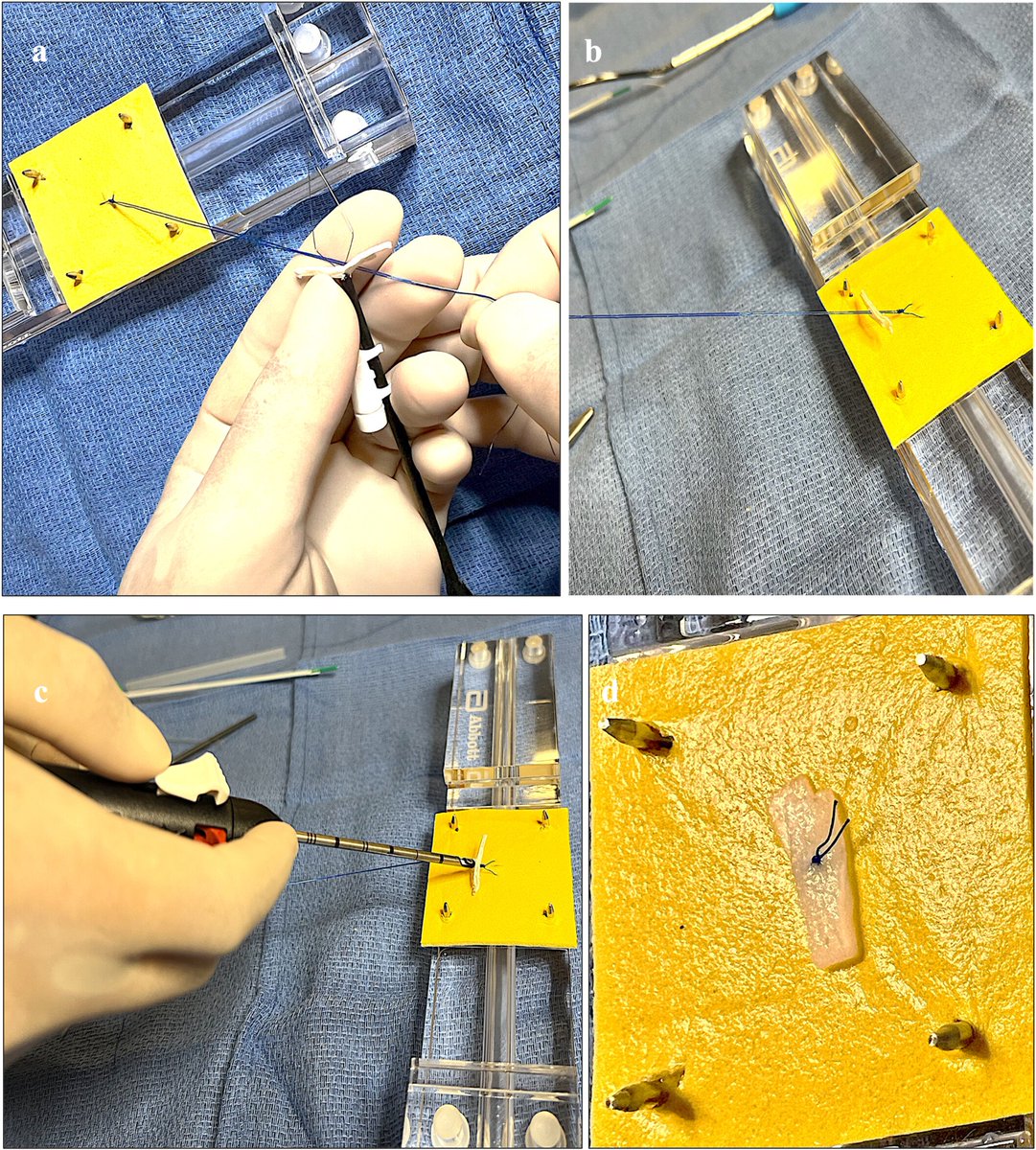
Welcome to a novel tecnique to borrow an Angio-Seal collagen plug to achieve complete hemostasis when “preclosure” technique has failed, and wire access is no longer maintained, courtesy of Catheterization & Cardiovascular Interventions https://t.co/XJZTyV6iJp @ccijournal