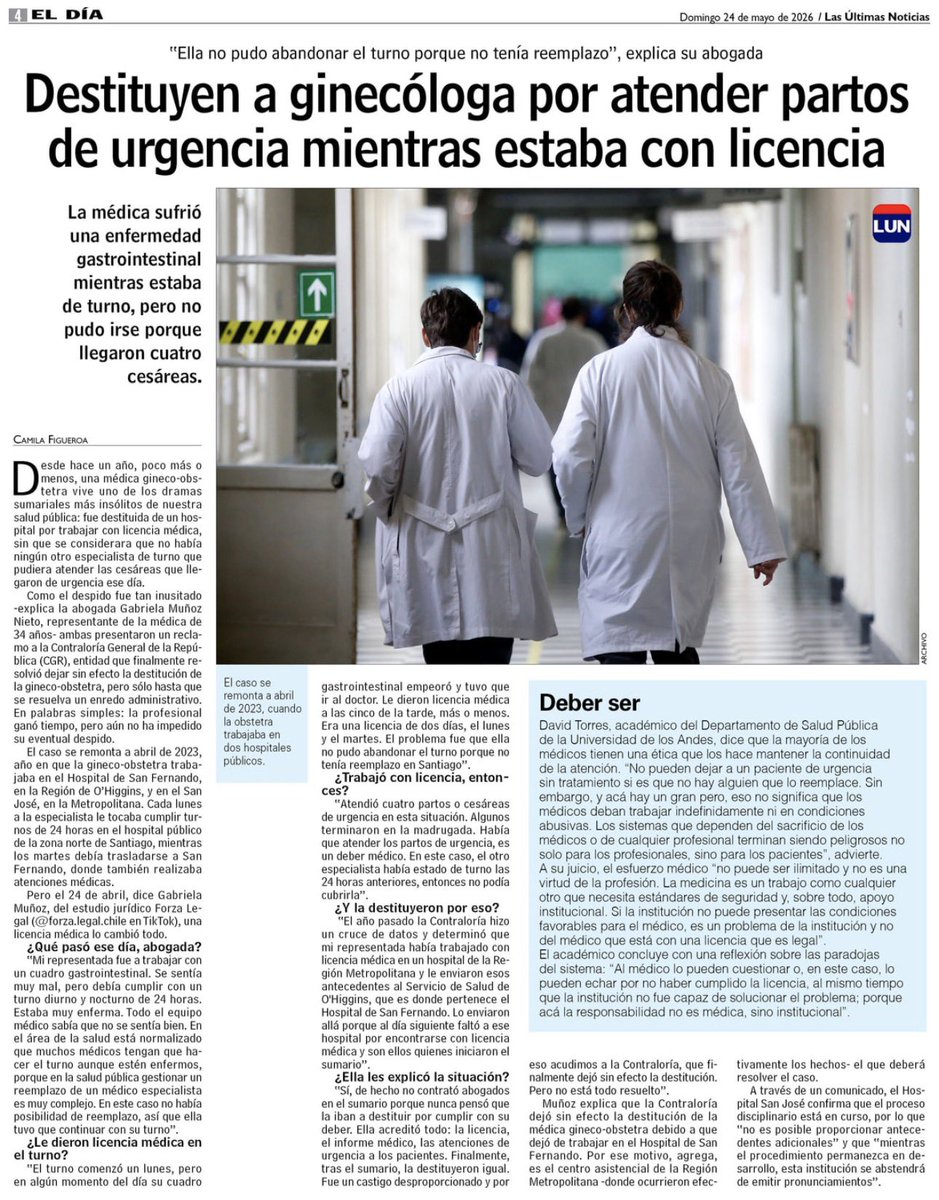
Cómo van a poner en una noticia hablando de una mujer que durante el embarazo sufrió el “Síndrome del super ayudante” porque tradujeron Síndrome de HELLP
JAJAJSJAKDHAKAHAKAHSKAJAJ 😂
Les tengo una pregunta, ustedes usan e-readers como que se yo, Tolino, Kobo, Kindle en sus versiones device o app para tablets/telefonos/compu?
Si la respuesta es si, ¿seria posible que ademas me de un retuit? me gustaría una muestra bien amplia, por pura curiosidad sientéfica
🚨 CRITICAL CYBERINTEL ALERT: "BLACK MARKET" DIGITAL BLACK MARKET – MASSIVE OPERATION TARGETING CHILEAN FINANCIAL SECTOR 🇨🇱🏦💳🔓 [STATUS: ACTIVE THREAT]
Activity has been detected involving a digital black market dubbed "BLACK MARKET Digital Services," which is trading a massive volume of compromised assets belonging to citizens and financial institutions in Chile. The platform offers everything from infrastructure for scams to banking credentials with verified balances.
🔍 Fraud Product Details (Scams & Configs)
The threat actor is selling tools ready for use in executing social engineering and brute-force attacks:
Phishing Kits (Scams):
Cenco Full Scam Dinamic: A dynamic kit designed to impersonate Cencosud services, featuring integrated anti-bot systems.
Santander Scam Full Update: A dynamic panel featuring recent updates for impersonating Banco Santander.
Brute-Force Configurations (Configs): Files for cracking tools designed to compromise accounts at Coopeuch, BCI, and Santander Chile,
including bypasses for security protections such as Akamai.
📊 Scope of Compromised Logs and Cards
The platform offers "logs" (infection/extraction records) that include:
Banking Credentials with Balances: Accounts from Santander, Itaú, and Banco Bice are being offered, with balances ranging from $600,000 to $305,000,000 CLP.
Exposed Data: Each log includes the RUT (national ID), password, card number (CC), CVV, full personal information, and access to the linked email account.
Card Inventory: A total of 68,355 cards are reported to be available, with a strong focus on MasterCard Gold and Business cards issued by Chilean banks. 🌐 Infrastructure and Timeline
Analysis of the domains linked to the "bmrket" network reveals a rotating infrastructure designed to evade blocking measures:
March 14–17, 2026: Launch and propagation of .me, .net, .online, .xyz, and .vip domains.
Technical Evidence: The `cron.php` file reveals automated functions designed to mark cards and "dumps" as used or expired, thereby maintaining inventory "quality" for buyers.
⚠️ Risk Implications (VECERT Intelligence)
Large-Scale Account Depletion: The sale of credentials with verified balances facilitates direct financial fraud through unauthorized transfers.
Total Identity Theft: By including access to associated email accounts (MAIL:PASS), attackers can bypass security measures such as two-factor authentication (2FA) or digital tokens.
Corporate Targeting: The high availability of MasterCard Business cards suggests an elevated risk for corporate accounts and SMEs.
🛡️ Immediate Response Recommendations
🔒 Transaction Monitoring: Banking institutions (Santander, Itaú, BCI, Bice, Coopeuch) must heighten vigilance regarding unusual transfer patterns, particularly involving accounts with high balances.
🔑 Credential Renewal: Banking users in Chile are advised to change their passwords and, where possible, request the reissuance of credit cards if they suspect they have accessed unofficial portals.
🏛️ Collaboration with CSIRT Chile: Report activity associated with these portals to coordinate the dismantling of the phishing infrastructure.
#CyberSecurity #Chile #Santander #Itaú #BancoBice #Phishing #DataBreach #Cencosud #VECERT #InfoSec #CyberCrime 🇨🇱🛡️⚠️🚨💳
Esto es ESPECTACULAR
La gente estaba tan preocupada con el intento naranja magnicidio de Trump, que en lugar de huir o esconderse, se pusieron a CHOREAR ESCABIO...
I totally get it, but this sidesteps a fairly obvious tension.
@ElsevierConnect reported 2024 profit margins on its scientific publishing business in the range of 37–38%—margins that rival or exceed those of most Fortune 500 companies. Those margins are built on a peculiar economic arrangement: universities (often publicly funded) pay the salaries of researchers who generate the content, those same researchers hand over copyright for free, other researchers review it for free, and then universities pay Elsevier, again, for subscription access to read it. @rbarbosa91, this article is in fact behind a paywall!
Yes, "academic citizenship" is real. It's a virtue. It's extremely important. It's why I review papers. However, describing this as "shared responsibility" and a matter of "stewardship," casts uncompensated time and labor as a moral issue. I agree that journals have the responsibility to solve this issue. But the shortage is at least partly a market signal: reviewers are withdrawing because the exchange feels increasingly unfair (especially amongst the increasing amount of other time stressors being thrown at surgeons). The proposed solution treats the symptom (not enough free labor) without acknowledging the cause (the labor is free, and the beneficiary is a private company capturing most of the value).
None of this means the Reviewer Academy or Junior Editorial Board lack merit or are not desirable programs to participate in. But launching the program from a commercial journal, not acknowledging the elephant in the room, and then posting it behind a paywall is underwhelming.
Your literature review does not need 200 papers. It needs 30.
The right 30. In the right order.
Most PhD students spend a year learning this the hard way.
Más del 80% de los clínicos no interpretan adecuadamente un test estadístico de un artículo científico. Estudio de la chilena Romina Brignardello.
https://t.co/043yjsMN0F




![VECERTRadar's tweet photo. 🚨 CRITICAL CYBERINTEL ALERT: "BLACK MARKET" DIGITAL BLACK MARKET – MASSIVE OPERATION TARGETING CHILEAN FINANCIAL SECTOR 🇨🇱🏦💳🔓 [STATUS: ACTIVE THREAT]
Activity has been detected involving a digital black market dubbed "BLACK MARKET Digital Services," which is trading a massive volume of compromised assets belonging to citizens and financial institutions in Chile. The platform offers everything from infrastructure for scams to banking credentials with verified balances.
🔍 Fraud Product Details (Scams & Configs)
The threat actor is selling tools ready for use in executing social engineering and brute-force attacks:
Phishing Kits (Scams):
Cenco Full Scam Dinamic: A dynamic kit designed to impersonate Cencosud services, featuring integrated anti-bot systems.
Santander Scam Full Update: A dynamic panel featuring recent updates for impersonating Banco Santander.
Brute-Force Configurations (Configs): Files for cracking tools designed to compromise accounts at Coopeuch, BCI, and Santander Chile,
including bypasses for security protections such as Akamai.
📊 Scope of Compromised Logs and Cards
The platform offers "logs" (infection/extraction records) that include:
Banking Credentials with Balances: Accounts from Santander, Itaú, and Banco Bice are being offered, with balances ranging from $600,000 to $305,000,000 CLP.
Exposed Data: Each log includes the RUT (national ID), password, card number (CC), CVV, full personal information, and access to the linked email account.
Card Inventory: A total of 68,355 cards are reported to be available, with a strong focus on MasterCard Gold and Business cards issued by Chilean banks. 🌐 Infrastructure and Timeline
Analysis of the domains linked to the "bmrket" network reveals a rotating infrastructure designed to evade blocking measures:
March 14–17, 2026: Launch and propagation of .me, .net, .online, .xyz, and .vip domains.
Technical Evidence: The `cron.php` file reveals automated functions designed to mark cards and "dumps" as used or expired, thereby maintaining inventory "quality" for buyers.
⚠️ Risk Implications (VECERT Intelligence)
Large-Scale Account Depletion: The sale of credentials with verified balances facilitates direct financial fraud through unauthorized transfers.
Total Identity Theft: By including access to associated email accounts (MAIL:PASS), attackers can bypass security measures such as two-factor authentication (2FA) or digital tokens.
Corporate Targeting: The high availability of MasterCard Business cards suggests an elevated risk for corporate accounts and SMEs.
🛡️ Immediate Response Recommendations
🔒 Transaction Monitoring: Banking institutions (Santander, Itaú, BCI, Bice, Coopeuch) must heighten vigilance regarding unusual transfer patterns, particularly involving accounts with high balances.
🔑 Credential Renewal: Banking users in Chile are advised to change their passwords and, where possible, request the reissuance of credit cards if they suspect they have accessed unofficial portals.
🏛️ Collaboration with CSIRT Chile: Report activity associated with these portals to coordinate the dismantling of the phishing infrastructure.
#CyberSecurity #Chile #Santander #Itaú #BancoBice #Phishing #DataBreach #Cencosud #VECERT #InfoSec #CyberCrime 🇨🇱🛡️⚠️🚨💳](https://pbs.twimg.com/media/HHVhajIXMAARRV6.jpg)





![VECERTRadar's tweet photo. 🚨 CRITICAL CYBERINTEL ALERT: "BLACK MARKET" DIGITAL BLACK MARKET – MASSIVE OPERATION TARGETING CHILEAN FINANCIAL SECTOR 🇨🇱🏦💳🔓 [STATUS: ACTIVE THREAT]
Activity has been detected involving a digital black market dubbed "BLACK MARKET Digital Services," which is trading a massive volume of compromised assets belonging to citizens and financial institutions in Chile. The platform offers everything from infrastructure for scams to banking credentials with verified balances.
🔍 Fraud Product Details (Scams & Configs)
The threat actor is selling tools ready for use in executing social engineering and brute-force attacks:
Phishing Kits (Scams):
Cenco Full Scam Dinamic: A dynamic kit designed to impersonate Cencosud services, featuring integrated anti-bot systems.
Santander Scam Full Update: A dynamic panel featuring recent updates for impersonating Banco Santander.
Brute-Force Configurations (Configs): Files for cracking tools designed to compromise accounts at Coopeuch, BCI, and Santander Chile,
including bypasses for security protections such as Akamai.
📊 Scope of Compromised Logs and Cards
The platform offers "logs" (infection/extraction records) that include:
Banking Credentials with Balances: Accounts from Santander, Itaú, and Banco Bice are being offered, with balances ranging from $600,000 to $305,000,000 CLP.
Exposed Data: Each log includes the RUT (national ID), password, card number (CC), CVV, full personal information, and access to the linked email account.
Card Inventory: A total of 68,355 cards are reported to be available, with a strong focus on MasterCard Gold and Business cards issued by Chilean banks. 🌐 Infrastructure and Timeline
Analysis of the domains linked to the "bmrket" network reveals a rotating infrastructure designed to evade blocking measures:
March 14–17, 2026: Launch and propagation of .me, .net, .online, .xyz, and .vip domains.
Technical Evidence: The `cron.php` file reveals automated functions designed to mark cards and "dumps" as used or expired, thereby maintaining inventory "quality" for buyers.
⚠️ Risk Implications (VECERT Intelligence)
Large-Scale Account Depletion: The sale of credentials with verified balances facilitates direct financial fraud through unauthorized transfers.
Total Identity Theft: By including access to associated email accounts (MAIL:PASS), attackers can bypass security measures such as two-factor authentication (2FA) or digital tokens.
Corporate Targeting: The high availability of MasterCard Business cards suggests an elevated risk for corporate accounts and SMEs.
🛡️ Immediate Response Recommendations
🔒 Transaction Monitoring: Banking institutions (Santander, Itaú, BCI, Bice, Coopeuch) must heighten vigilance regarding unusual transfer patterns, particularly involving accounts with high balances.
🔑 Credential Renewal: Banking users in Chile are advised to change their passwords and, where possible, request the reissuance of credit cards if they suspect they have accessed unofficial portals.
🏛️ Collaboration with CSIRT Chile: Report activity associated with these portals to coordinate the dismantling of the phishing infrastructure.
#CyberSecurity #Chile #Santander #Itaú #BancoBice #Phishing #DataBreach #Cencosud #VECERT #InfoSec #CyberCrime 🇨🇱🛡️⚠️🚨💳](https://pbs.twimg.com/media/HHVhgjNWMAAzC5P.jpg)


