Guarding your back during a flare-up calms sensitive tissue.
Guarding your back months after recovery narrows load tolerance.
Gradually trade protection for progressive exposure.
Kelowna council candidate Brady Rogers is an engineer and business owner who hates politics and meetings, and admits on his own campaign site that he barely wants to do this, but cares about Kelowna and thinks he can help. #bcpoli#cdnpoli
@EvanDunfee If you need help with your rehab @EvanDunfee , let me know. I've helped a lot of high level athletes return from devastating hamstring injuries.
One night under 7 hours nearly tripled their injury risk the next morning.
- Researchers tracked NCAA D1 athletes for 9 months, seeing 54 injuries.
- Sub 7 hours of sleep was sharply spiked injury risk the next day.
Haraldsdottir et al. (2021) PMID 34527756
6 movements your body needs to survive modern life.
If you’re not hitting these daily, you’re doing it wrong. (Satire, obviously).
Need help with your training?
https://t.co/I4o44VRkJs
Are deadlifts too risky?
No.
Can you get injured deadlifting? Sure. But you can get injured doing almost anything. I hear from more patients about them hurting their back sneezing, twisting weird, etc. than I do about deadlifting.
At the end of the day, barbell deadlifts are not a required thing to do, but they are absolutely a viable option for training. I have coached thousands of people across low level to elite levels and most end up doing some variation of a deadlift.
Are other options, like power cleans, safer? Well, firstly, those don’t do the same thing as the deadlift. But, not necessarily. Lots of folks get hurt doing power cleans because they use a weight they haven’t gotten their technique right for or able to control well…..just like deadlifts.
You’re a sentient being who can make their own choices. If you feel like the deadlift isn’t a match for you, that’s cool. But, don’t write it off without really appraising why.
@robertoberst you’re absolute unit of a human being, but I disagree here. Full respect to you.
You overestimate what you can do in 3 weeks.
You underestimate what you can do in 3 years.
Most people quit because the first few weeks feel like zero progress.
@BurnTheLadders Bad take. The ability to repeat is a task, even if easy, is often hard.
- Show up on time.
- Track your expenses.
- Do your accessories.
Easy repeated builds big.
Stop half-assing your calf raises and start building real lower leg resilience.
Need help with your training?
From our Sustainable Strength membership to our explosive Built for Athletics program, we have a system for every level of ability and goal.
https://t.co/yB3Mi8VKcd
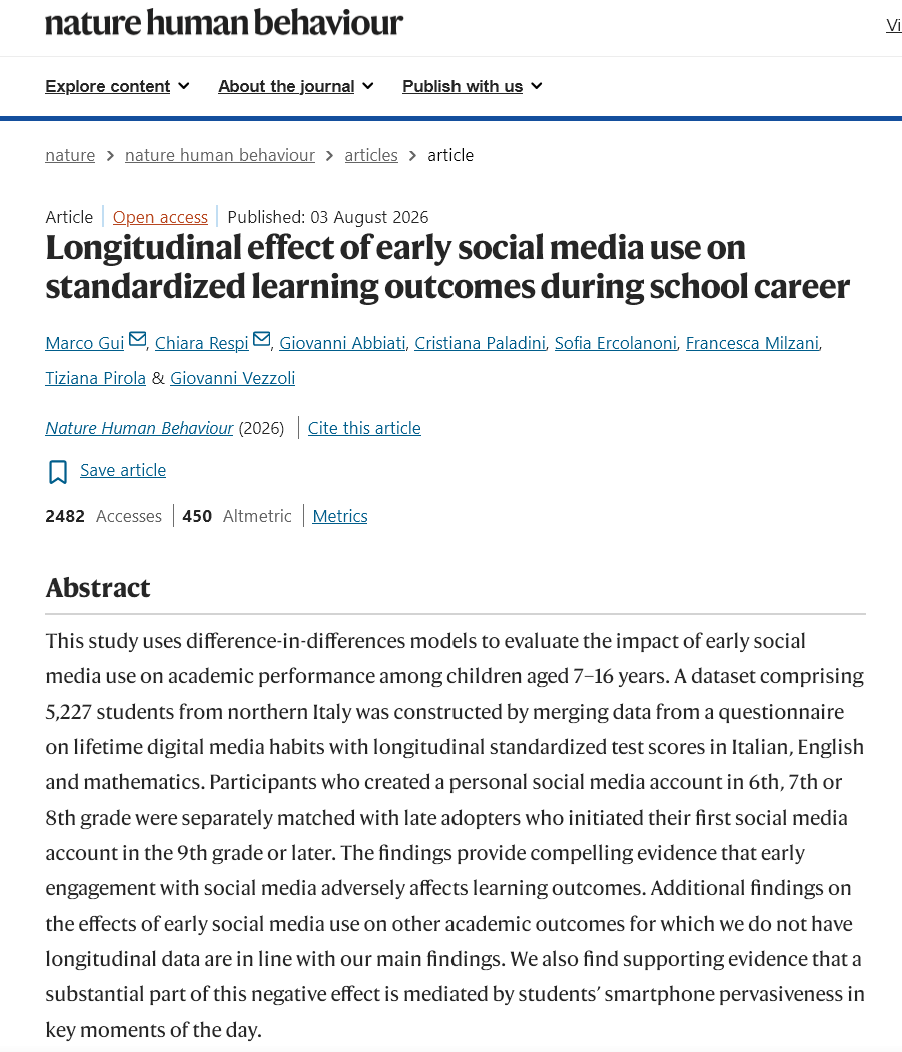
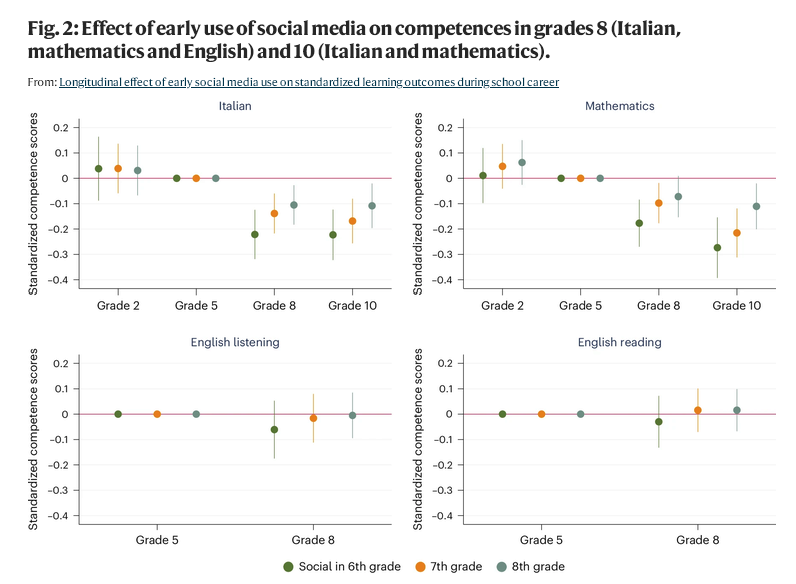
Using social media in middle school predicts lower standardized test scores in high school.
10th graders who started social media before 9th grade are ~6 months behind their peers on math & reading. They're more distracted by their phones.
No child should have access to social media.
Why medical organizations & practicing physicians advise against this:
Elective screening in healthy people creates a "diagnostic cascade" of unnecessary CT scans, biopsies, and anxiety over normal human variation.
Dr. Mike broke down this exact dynamic on his podcast:
https://t.co/5BVFS5zdqw
You think a full-body MRI gives you ultimate peace of mind.
In reality? It’s a classic "great in theory, terrible in practice."
When you scan an asymptomatic person, the age-related noise, benign findings, false alarms and negative effects from focusing on them massively outweighs the chance of a true life-saving catch.
Full body MRIs on asymptomatic people don't give you clarity, it turns normal human variation into medical emergency.
The whole body MRI thing is controversial for obvious reasons. It’s costly & there are a lot of false positives. But I have neurosurgeon friends who tell me they do life-saving surgeries *every month* b/c people got full body MRI merely b/c they curious & found operable issues.
High sensitivity = High incidental noise.
Systematic reviews show that ~32% of asymptomatic adults get pulled into secondary medical workups for "indeterminate" findings, while true malignancy rates sit under 2%.
You are far more likely to get an invasive wild-goose chase than a cure.
https://t.co/u9PuW4kM8m