🔴 THE WORLD MUST NOT LOOK AWAY
Diana Taherabadi is just 16. The Islamic regime wants to execute her for joining the January protests. Her life now depends on the world paying attention. Share her story. Say her name. Help save Diana.
McDonald's loses lawsuit against chef Jamie Oliver, who proved that the food they sell is unfit for human consumption because it is highly toxic.
Chef Jamie Oliver won a lawsuit against the world's largest fast-food chain.
Oliver demonstrates how hamburgers are made.
According to Oliver, fatty cuts of meat are "washed" with ammonium hydroxide and then used to fill the hamburger patties. Even before this process, the TV presenter says, this meat was unfit for human consumption.
Oliver, a radical activist chef taking on the food industry, says:
"We are talking about meat that is sold as dog food and then served to humans. Aside from the quality of the meat, ammonium hydroxide is harmful to health." Oliver calls it "the pink slime process."
What sane person would put a piece of meat soaked in ammonium hydroxide into a child's mouth?
In another initiative, Oliver demonstrated how chicken nuggets are made: After the "best parts" are selected, the rest—fat, skin, cartilage, eyes, bones, head, feet—is subjected to a mechanical separation process called "Canica"—a euphemism used by food engineers. This blood-pink paste, which is deodorized, bleached, refreshed, and re-colored, is then coated in flour and deep-fried. It is typically fried in partially hydrogenated oils—in other words, toxic substances.
The food industry uses ammonium hydroxide as an antimicrobial agent, allowing McDonald's to use meat in its hamburgers that is unfit for human consumption. Even more alarming, however, is the fact that these ammonium-hydrogen-based substances are considered "legal components of the production process" in the global food industry, with the approval of health authorities. Consequently, consumers will never know what substances are in their food.
Please stop giving this fake food to your children.
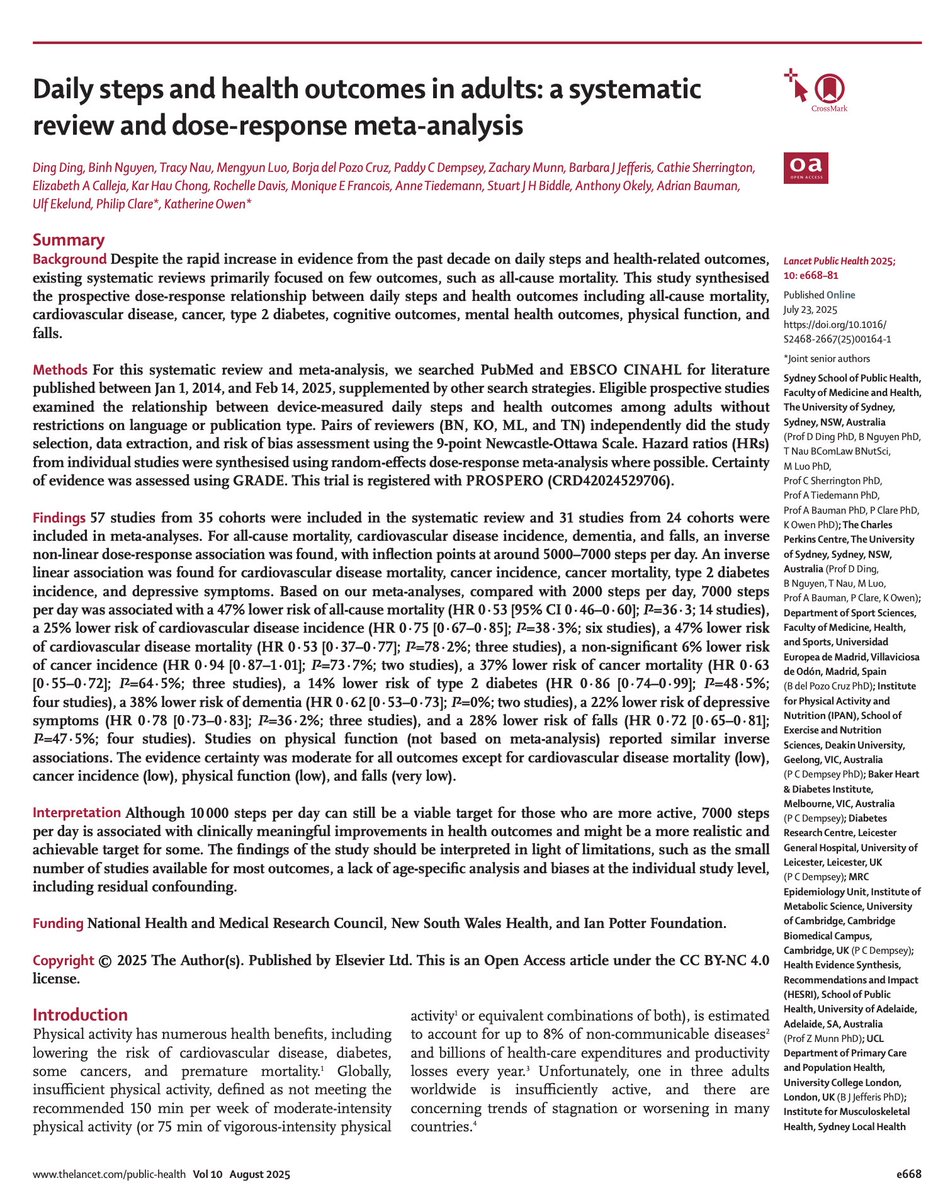
What you do today pays dividends for tomorrow. Small decisions today can shape the quality of our lives years from now.
Full episode:
https://t.co/QCkjuPzbwu
#Longevity#HealthyAging
Major alcohol study just released (after unexplained delay from HHS):
Even 1 drink per day linked to higher risks of serious illness & premature death - including liver cirrhosis, certain cancers, and injuries. No net health benefits found at any level.
This taxpayer-funded review adds to evidence that alcohol harms start low. It’s sparking fresh questions about past U.S. dietary guidelines and potential industry influence.
Key takeaway: Less is better for long-term health! https://t.co/Xq1Q5BV2u3
I always prescribe vinegar to all my patients with prediabetes and diabetes as it lowers blood sugar in the same magnitude of some diabetes medication. This is a great example of food as medicine!
Apple cider vinegar has built an entire wellness category on a real effect attributed to the wrong ingredient. The glucose-lowering data is genuine. The apple has nothing to do with it.
The acetic acid is what does the work, and any vinegar at the same concentration produces the same effect.
The original Johnston et al. study (Diabetes Care 2004) gave insulin-resistant and type 2 diabetic adults a vinegar drink before a meal containing 87 g of carbohydrates and saw postprandial glucose drop 64% in the insulin-resistant group and 19% in the diabetic group. The sample was small (n=29 crossover) but the effect size was large.
Ostman et al. (Eur J Clin Nutr 2005) ran the dose-response experiment. They served white bread with vinegar at three levels of acetic acid (18, 23, and 28 mmol) to healthy adults. Both glucose and insulin responses fell as acetic acid content rose. The effect tracked the acetic acid content, not the vinegar volume.
The 2017 meta-analysis by Shishehbor et al. (Diabetes Res Clin Pract) pooled the controlled trials. Vinegar consumption with a meal reduced postprandial glucose AUC (SMD -0.60, 95% CI -1.08 to -0.11) and insulin AUC (SMD -1.30, 95% CI -1.98 to -0.62). The effect is consistent and the magnitude is meaningful.
The mechanism is well-characterized. Liljeberg and Bjorck (Eur J Clin Nutr 1998) showed in healthy adults that adding vinegar to a starch meal delayed gastric emptying and that this delay tracked with the improved glycemic response. Slower emptying means slower carbohydrate delivery to the small intestine, which flattens the glucose curve. A secondary mechanism is inhibition of disaccharidase activity by acetate at the brush border. Neither depends on the source of the acetic acid.
The longer-term data is much weaker. Johnston et al. (Food Funct 2020) ran an 8-week trial of daily red wine vinegar in 45 adults at risk for metabolic complications. Fasting glucose and insulin sensitivity improved significantly, but body mass, waist circumference, and visceral fat did not change. The viral "ACV for weight loss" claim has thin support.
Two practical implications. First, if you want the postprandial effect, you need liquid vinegar at roughly 1 to 2 tablespoons. The dose has to deliver around 750 to 1500 mg of acetic acid. White, red wine, rice, and apple cider vinegars all work. Second, the gummies and tablets are a problem. Johnston et al. (J Nutr Metab 2022) tested commercial vinegar tablets head-to-head against liquid vinegar and found the tablets failed to lower postprandial glucose to the same degree.
The mother, the fermentation, the apple, the brand. None of it is the active ingredient. The acetic acid is.
Johnston et al., Diabetes Care 2004 · Liljeberg and Bjorck, Eur J Clin Nutr 1998 · Ostman et al., Eur J Clin Nutr 2005 · Shishehbor et al., Diabetes Res Clin Pract 2017 · Johnston et al., Food Funct 2020 · Johnston et al., J Nutr Metab 2022
Poor sleep doesn’t just make you tired.
It’s now strongly linked to higher risks of dementia, heart disease, stroke, and chronic illness over time.
Sleep is when the brain and body repair, restore, and clear out harmful proteins that build up throughout the day.
#SleepHealth
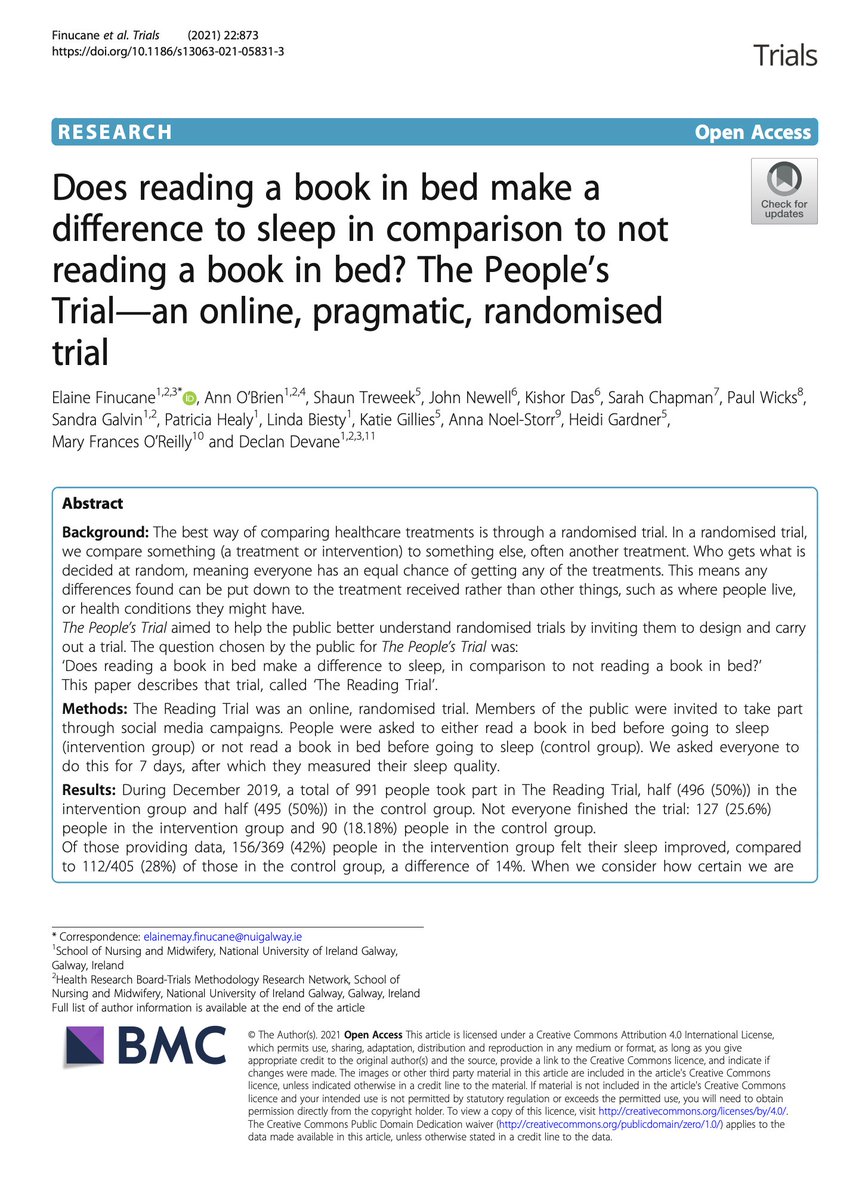
42% of people who read a book in bed before sleep reported better sleep vs. 28% who didn't read.
Simple sleep upgrade: Replace 20 minutes of scrolling with 20 minutes of reading.
Meaningful relationships may actually help turn on protective genes linked to better health and longevity.
I talked about the science of epigenetics and why human connection matters more than most people realize.
Full episode:
https://t.co/QCkjuPzbwu
Your genes are not your destiny.
I joined the Difference Talks podcast to break down what actually drives longevity, including diet, sleep, stress, and daily habits.
If you care about aging well, this is worth a listen:
https://t.co/QCkjuPzJm2
#Longevity#HealthyAging
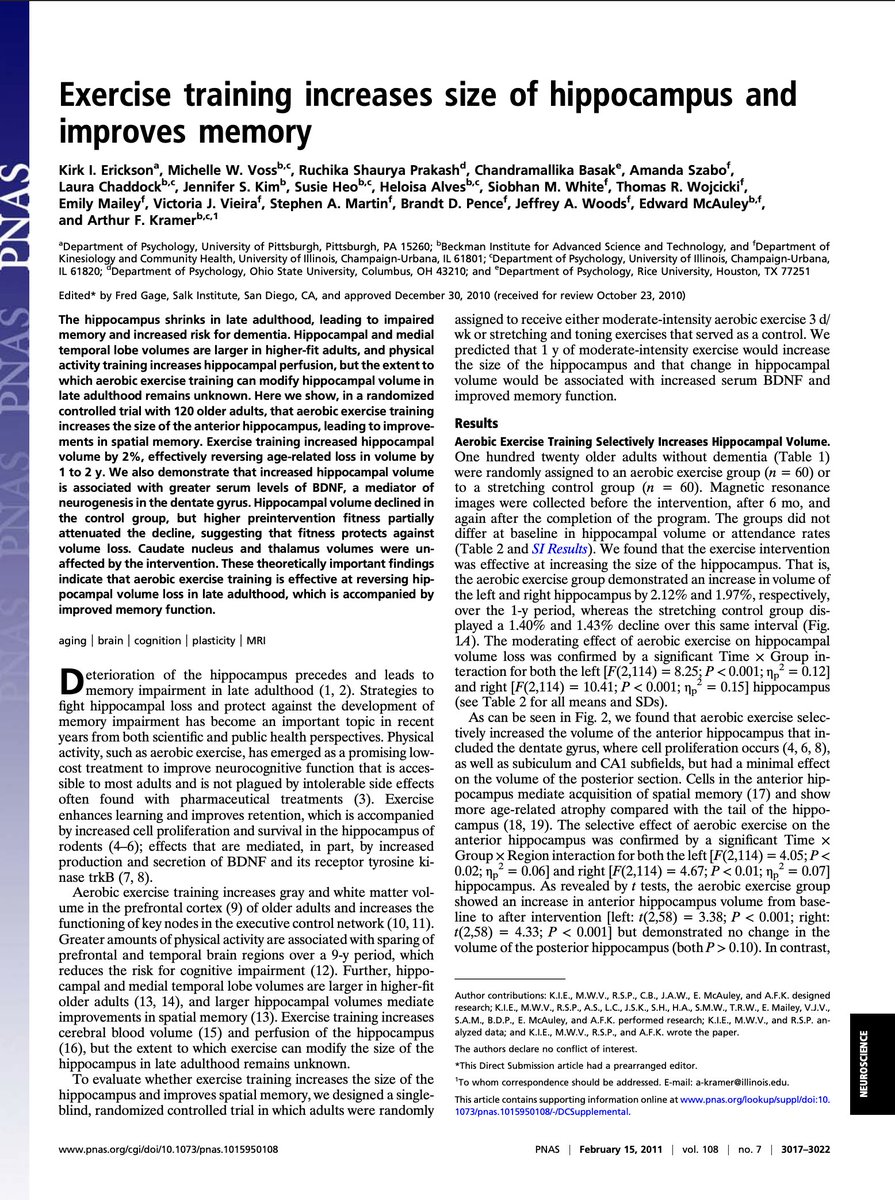
Your hippocampus shrinks ~1 – 2% per year as you get older. This leads to worse cognitive performance, especially memory.
In this study, adults grew back 2% of their hippocampus in a year by walking 40 min just 3 times per week.
The control group hippocampus continued to shrink by 1.4%.
Walking isn't just about burning calories. It's one of the best things you can do for brain longevity.
Chair of the Parliamentary Joint Committee on Foreign Affairs @JohnLahart has expressed deep concern over the safety of Peyvand Naimi and Borna Naimi, citing reports of torture, forced confessions, and denial of basic rights.
He calls on Iranian authorities to end ill-treatment and uphold due process for all detainees.
#BahaiRights #Iran #ReligiousFreedom #PeyvandNaimi #BornaNaimi
UNUSUAL🚨: Scientists discover that silence regenerates the brain─ being in complete silence for at least 2 hours a day can stimulate the creation of new brain cells, especially in regions linked to memory and learning.
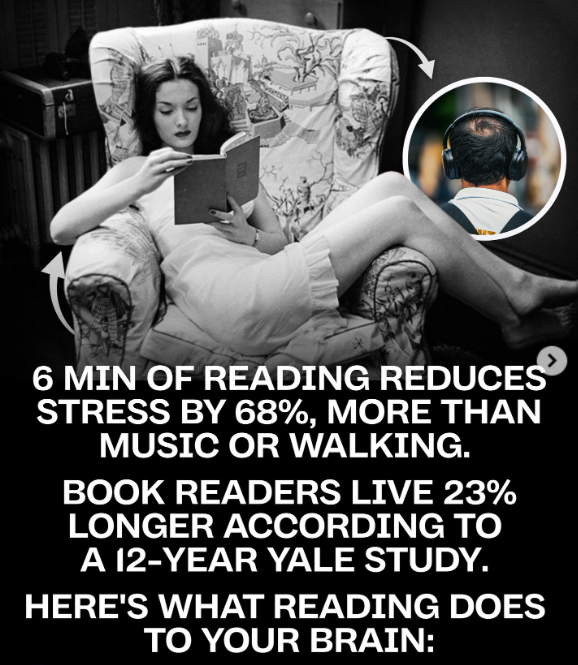
6 min of reading reduces stress by 68%, more than music or walking.
Book readers live 23% longer according to a 12 year Yale Study
Heres what reading does to your brain: 🧵
If you can’t pronounce the ingredients, take a second look.
The more processed a food is, the harder it is to recognize what’s actually in it.
Real food is usually simple.