Professor at the University of Toronto. Cognitive and neural motor control researcher. Promoter of diversity in science. Ally.
"I move, therefore I think."
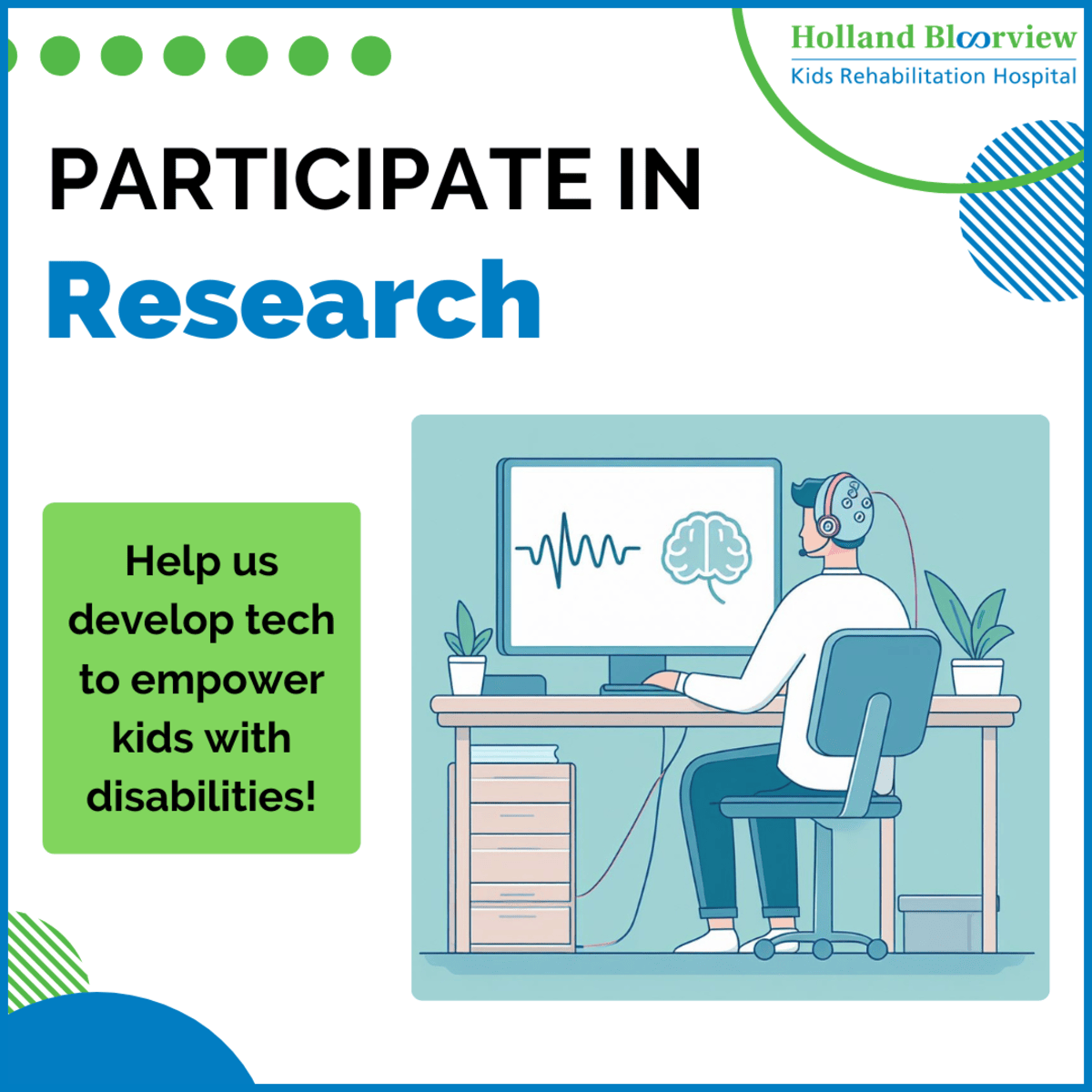
Help us develop brain-controlled tech for kids with disabilities! Join our study where you will try controlling a computer using your brainwaves, eyes, & facial expressions. Children (8+) & adults can participate! Learn more! 🧠🕹️ https://t.co/d5ReeFUeaG
🚨Happy to share 2 opinion papers just out in @FrontPsychol from new collaboration with @maevisha@DeborahJehu - we outline evidence and recommendations for effective digital #Dance programs for #Parkinsons and dance for #dementia
https://t.co/bL9qT5VVXv
https://t.co/28M89MDarG
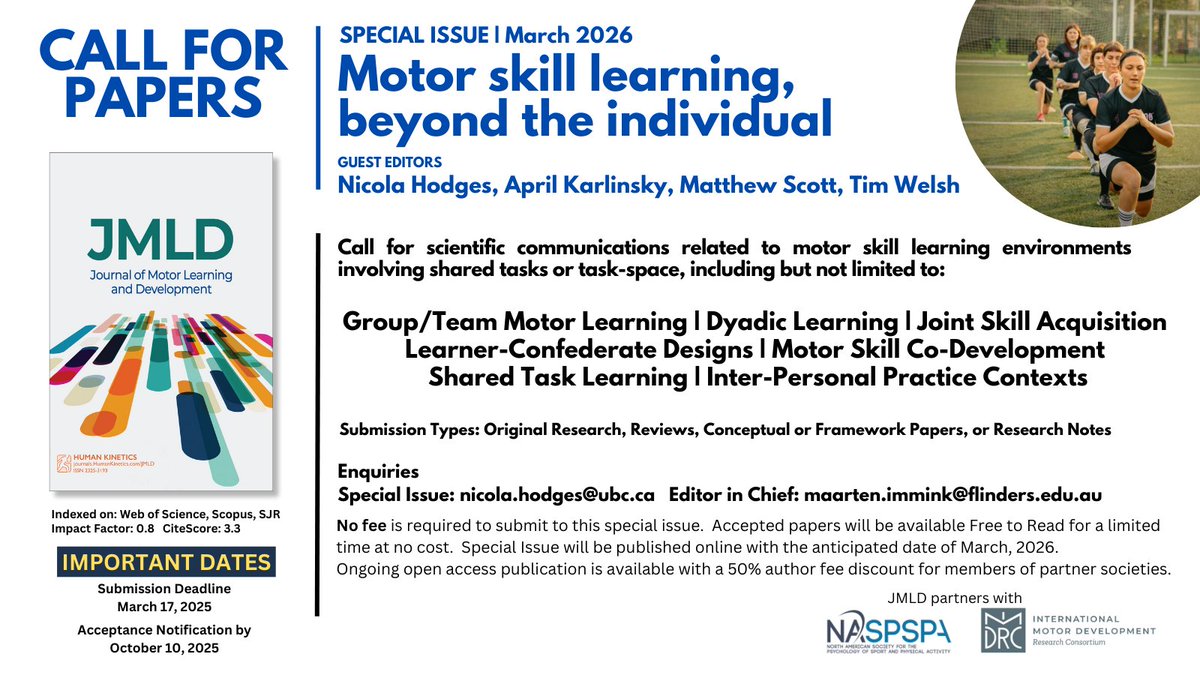
A reminder that we're still welcoming submissions for our special issue on 'Motor skill learning beyond the individual' in @JMLDjournal.
If you are interested or have any questions, please reach out to myself, @DrTimWelsh, Nicola Hodges or April Karlinsky!
Please share broadly!
We are recruiting a new postdoc to the Brain, Body, and Self Lab at Karolinska Institutet. Check out the link for more information. https://t.co/sjIuYTWMls
On this Blue Monday we revisit this conversation w #UofT prof @uoftkpe@sabi_catz about the myth of Blue Monday, the very real effects of Seasonal Affective Disorder (SAD) & the lifestyle changes to help us deal with it https://t.co/dAE9cfjyDc
#UofT's Luc Tremblay @UofTKPE and Joëlle Hajj @uoftalumni recognized by Canadian Society for Psychomotor Learning and Sport Psychology @_SCAPPS ➡️ https://t.co/Uzhm73iY0c
New paper🚨 Exploring motor #imagery in relation to #sports, #music, & #dance ⚽🏌🏻♀️🎸🕺🏻 @ucdbodylab@UCDPsychology@UofTKPE
https://t.co/m3bcnZFzcl
Implicit motor imagery was influenced by experience in sports & music; explicit imagery may be more influenced by formal training
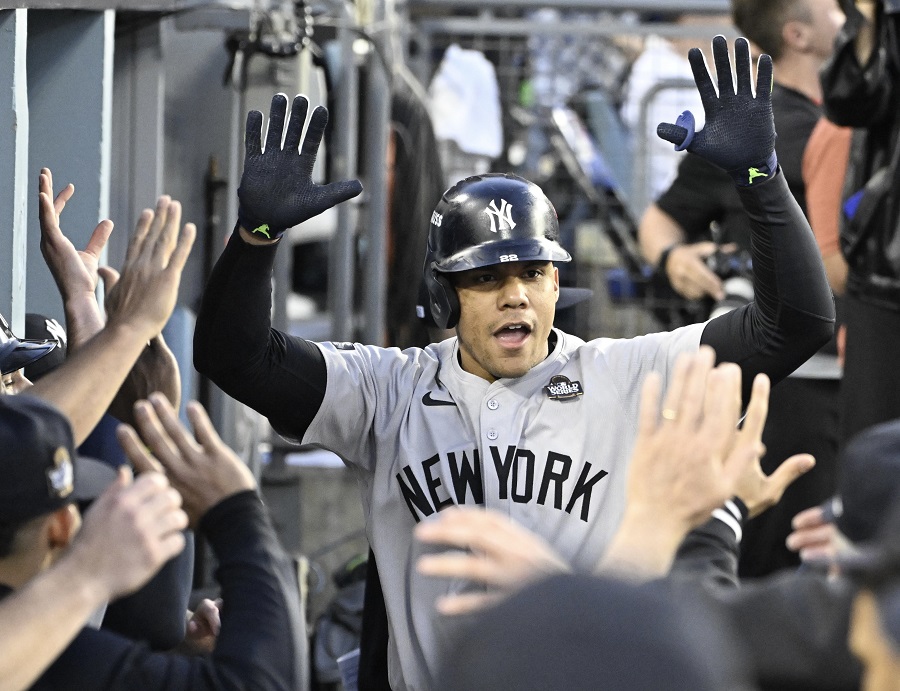
Juan Soto signed a $765 million 15-year contract with the Mets. Last December, Shohei Ohtani signed a 10-year $700 million contract with the Dodgers. Are star athletes being paid too much?@uoftkpe prof Simon Darnell shares his views in this Q & A. https://t.co/Ml1Q02uSTV
While you are at it, don’t forget to check out another recent paper (from last week) on how VR changes how we control our movements
https://t.co/eYKWK8vsuK
Great work @jude_bek ! Interesting finding that small unintended moments increase after tDCS of supplementary motor area. Maybe SMA is involved in suppressing over movement during imagery. Read more to find out.
❕New preprint❕with @DrMichaelWXY@DrTimWelsh: tDCS over the supplementary motor area led to an increase in incidental movements during motor imagery ⚡️🧠🤔👆 https://t.co/BsZdSEef34
New paper alert 🚨
https://t.co/eYKWK8uUFc
Using visual illusion, we showed that mixed reality technologies, such as VR and AR, alters motor planning and control.
This is the last but most critical piece from a series of three studies from my work with @DrTimWelsh@UofTKPE