Buried in a museum drawer for nearly 50 years, a fist-size fossil has handed paleontologists the evidence they’d been hunting for: unmistakable claws on one of the oldest known relatives of spiders and scorpions.
The fossil was recovered by an amateur paleontologist in the late 1970s in the Utah desert.
The creature is a marine arthropod scientists have named Megachelicerax cousteaui (Greek for “large claw horn”), which likely resembled a bristling, multilegged ocean swimmer with a rounded head shield.
Learn more: https://t.co/hFAxsMKKuJ @NewsfromScience
🙌 Ya puedes participar en el Premio Alberto Baillères en Ciencias de la Tierra, Energías Renovables y Medio Ambiente, convocado por Grupo BAL, UNAM y Fundación UNAM, 2025 - 2026, 8ª Edición. 🌎💙 Convocatoria aquí 👉 https://t.co/jlzz6OPAHb
A cell dividing into two daughter cells videoed through a microscope. Chromosomes are labeled in pink. Technique: differential interference microscopy (DIC) and fluorescence. #CellBiology
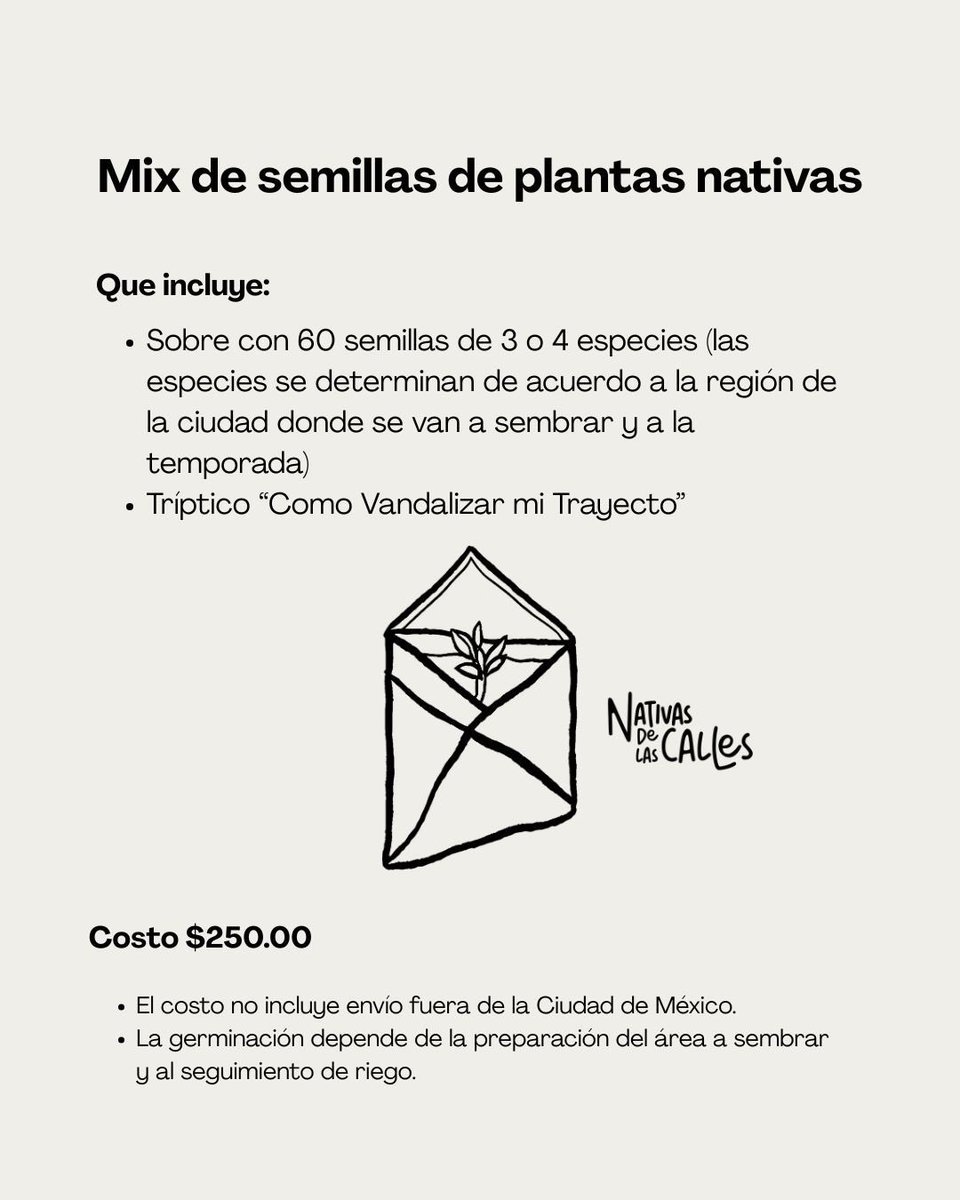
Muchas personas nos están escribiendo acerca de la info, acá los detalles, la selección de semillas es personalizada de acuerdo a la región en donde serán plantadas :) si les interesa pásennos la ubicación donde piensan sembrarlas por DM 🙌🏽 nosotros les estaremos contestando
A new method called MagIC-Cryo-EM allows scientists to use powerful #CryoEM techniques to examine proteins that have been difficult to study so far.
https://t.co/iQccMtDctJ