12 months ago I ruptured my ACL (femoral avulsion). The 42nd person to use Cross ACL bracing protocol (non-operative rehab). Returned to surfing 4.5 months and Australian rules footy <6months. Complete confidence in knee stability. 3 scans show healing at 0-, 3.5- & 12-months
@Martin_Lang11 It’s probably more now about the insurers no longer accepting the risk and forcing the players to take ownership - playing footy is fun but possibly dangerous
@Martin_Lang11 It’s a newish (recognised) frontier, interested in whether you’d trade what you’ve done and achieved in footy for better spinal and brain health (if you’ve been affected for the latter). I ask as I wonder whether it’s now just a matter of us accepting these sports are dangerous
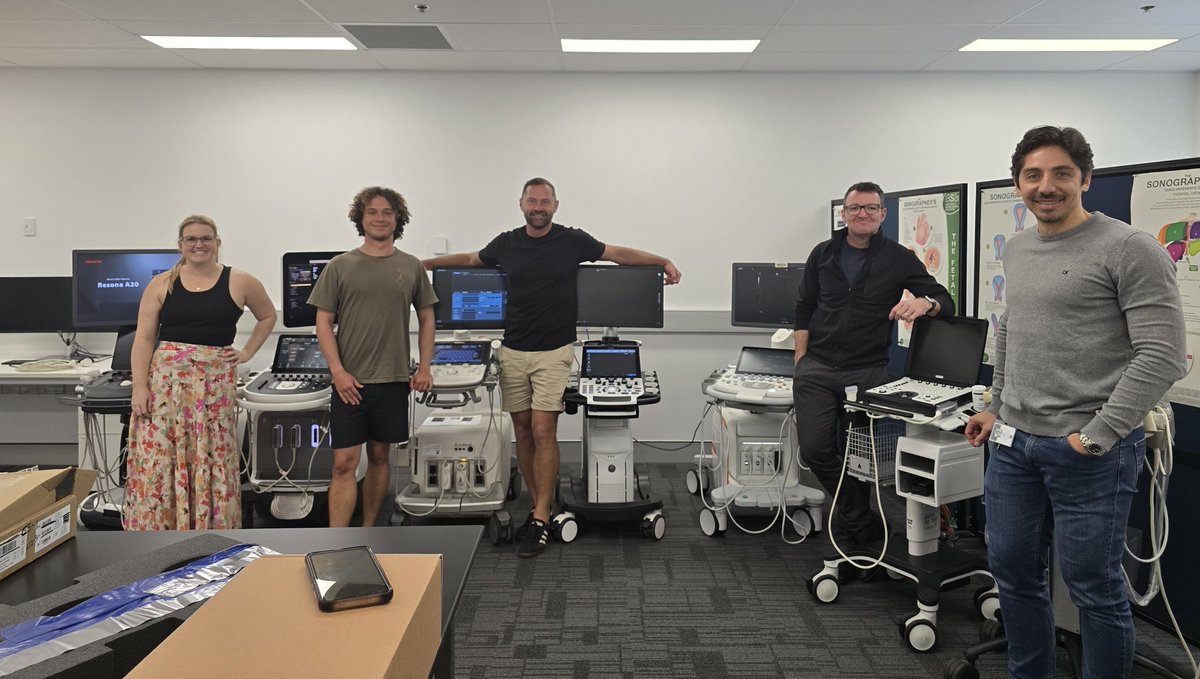
1 more pub for 2025. Stoked to see my @MTPConnect_AUS Fellowship project with @GEHealthCare available.
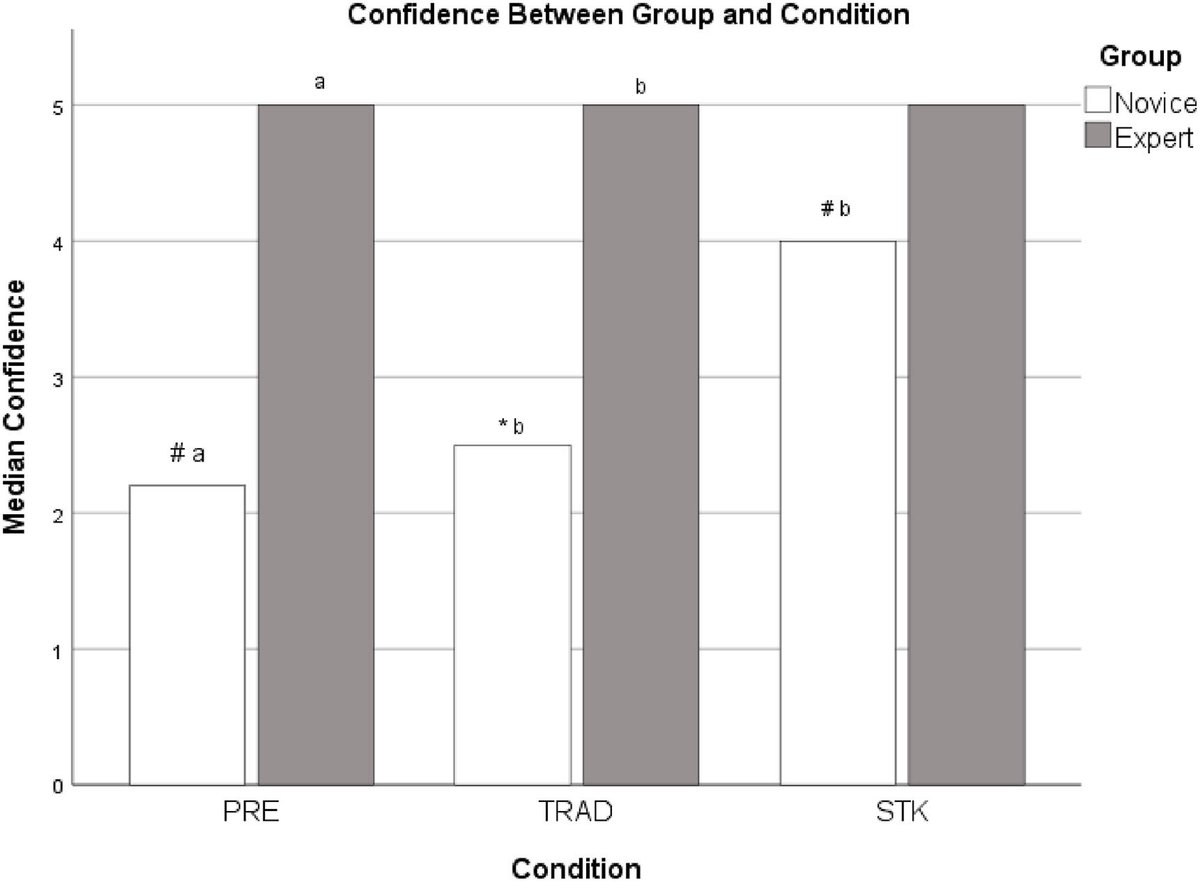
USI is such a value able tool for assessing MSK structures & hopefully tools like STK will assist practioniers get transducer in hand
https://t.co/E6KOlcjDz7
@RadiographyJour
@DrEliDavid Post British colonisation, we’ve been relatively ‘lucky’. This event will undoubtedly give birth to hate and racism. Let’s hope that the right people can ensure our beautiful country can regain its safety and peace. Not confident our seemingly rise of wokeness will protect us
@latrobe & @CarltonFC recruiting for a PhD on muscle architecture, performance, and injury management in @AFL
Yearly stipend $35k AUD/yr plus ~$14.5k AUD top up.
Eligibility per PhD entry requirements. MLB based. Preferred start Nov 2025. Contact @DocLachJames
@zentrumsport@gkt10_official Nice work. What sort of variation were you seeing in the SWE? What’s the test retest reliability? I haven’t read the paper yet 🫣
Advancing shear wave elastography for tendon & MSK health 💪
Collab between @QUT & @Griffith_Uni → bridging research & clinical practice to improve diagnosis, rehab & outcomes.
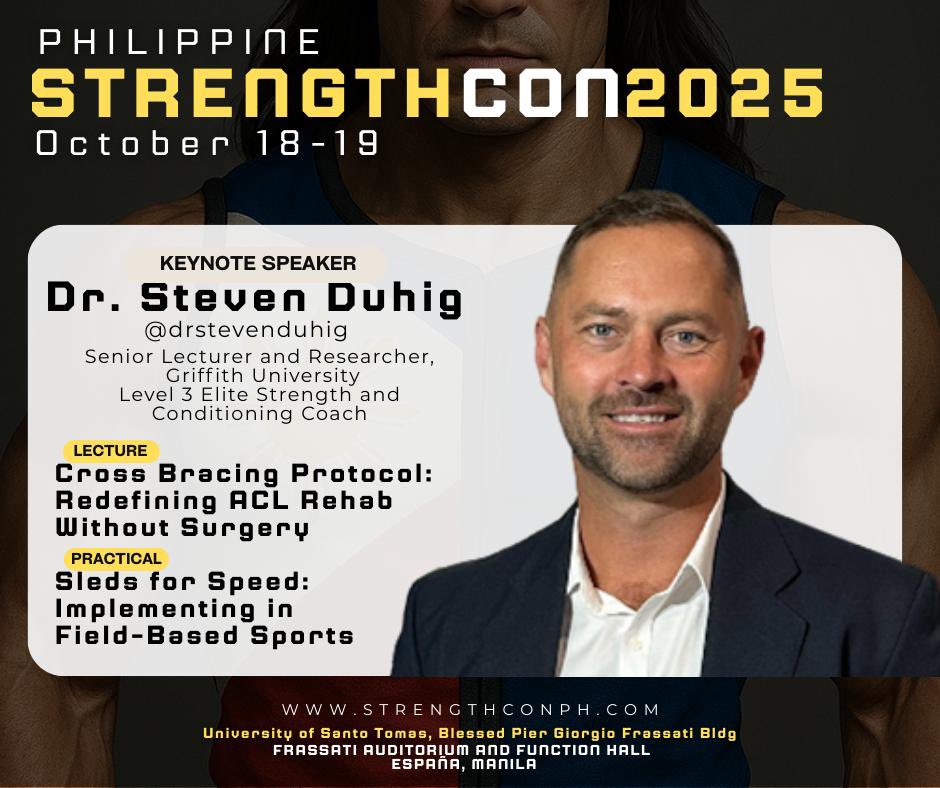
Excited to share that I’ll be heading to Manila this October 18–19 as a keynote speaker at Philippine StrengthCon 2025 🇵🇭💪
I’ll be presenting on two areas related to my research and applied coaching practice:
📖 Cross Bracing Protocol – redefining ACL rehab without surgery
🏋️ Sleds for Speed – implementing resisted sprint training in field-based sports
This event is a great opportunity to connect with coaches, practitioners, and researchers who are passionate about improving performance and reducing injury risk through evidence-based practice.
Looking forward to meeting everyone at the University of Santo Tomas.
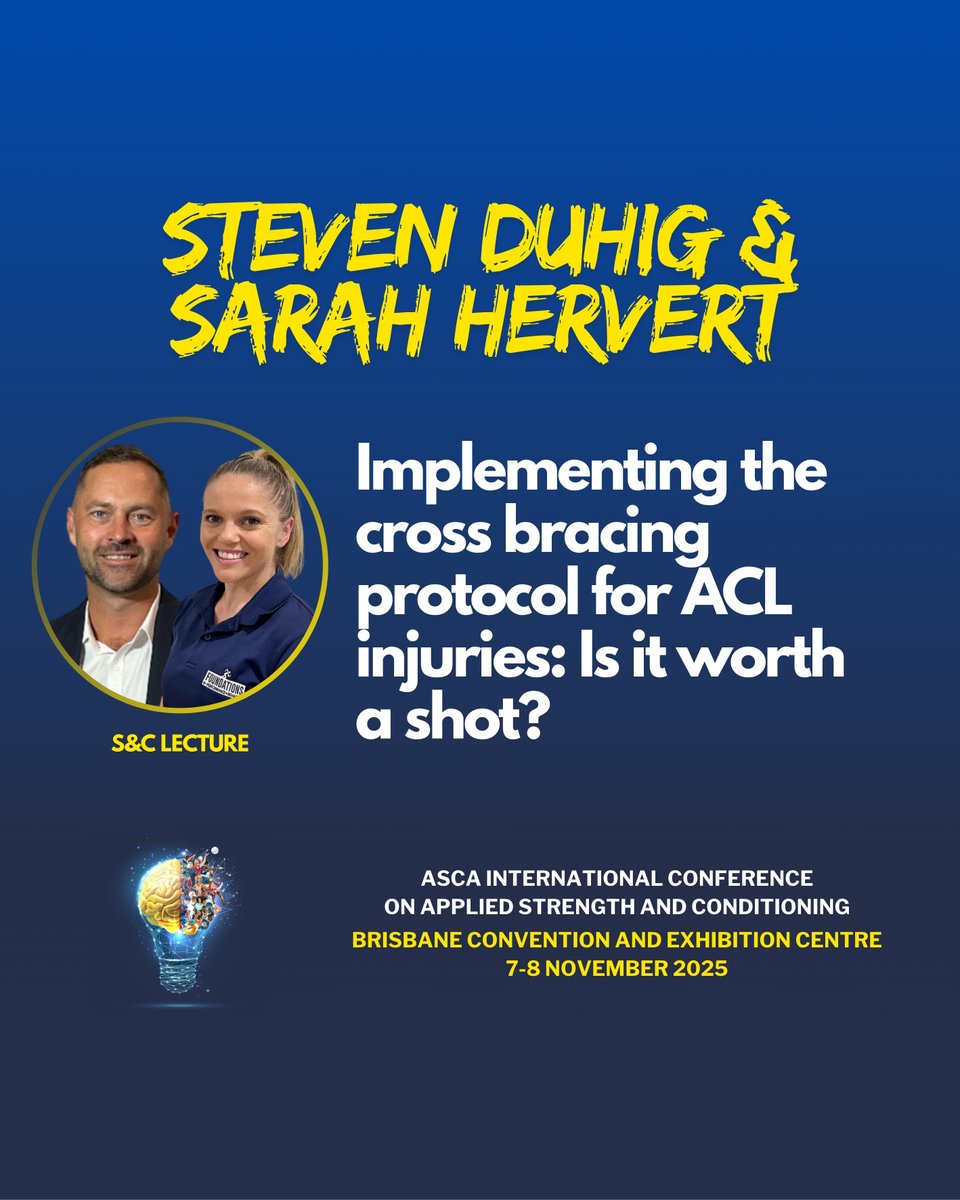
Teaming up at the 2025 #asca_conf this November to discuss the Cross Bracing Protocol (an alternative to potentially avoid the intrusive surgical ACL procedure).
@Duhigs and @SarahHervert10 | Learn more at https://t.co/z8z3qWKYqD
New Research Alert
Excited to share our latest study in the @JSCRonline Well done Andrew Martin on your 1st PhD study @Phil_Bellinger@clareMINAHAN@MBourne5
https://t.co/Jdz2CKOghf
Highlights: Validated RSS profiling protocols tailored for female athletes.
Optimal load identified: ~59–72% body mass (BM) for peak power (50%Vdec).
Trial distances: 10–30 m for effective profiling.
Key Message: Coaches can now personalise resisted sprint loads for female athletes with the aim of enhancing acceleration and sprint performance.
Why 50% VDEC?
While unresisted sprinting yields the highest velocity, it may not reflect peak power output. At ~50% velocity loss, athletes appear to strike a balance between force and speed, potentially maximising power output. This load point has frequently been associated with improvements in acceleration and horizontal force production in resisted sprint training, particularly in male cohorts.
Day 1:
2 x Unloaded sprints (40 m)
3 x 40% BM (20 m)
2 x 80% BM (15 m)
Day 2:
2 x Unloaded sprints (40 m)
3 x Optimal Load (e.g. 65% BM) (15–20 m)
2 x 25% BM (30 m)
Ideal rest = 4min but time permitting (1.5min if limited time availability)