The Nigerian Dream: A Search for Unity
Nigeria is a country blessed with an abundance of resources, cultures, and people. As the most populous black nation on earth, it has often been viewed as a potential leader in Africa, a beacon for development, culture, and economic power. But the journey toward a Nigerian dream—a vision of shared prosperity, equity, and national pride—has been a tumultuous one. The idea of the Nigerian dream, if one exists, has been marred by the deep-seated complexities of ethnicity, political division, and historical events that have shaped who we are today.
A Brief History of Division
Nigeria’s history is intricately tied to its colonial past. What we now call Nigeria was once a collection of distinct kingdoms, empires, and ethnic groups, each with its traditions and leadership structures. In 1914, the British colonial government amalgamated the northern and southern protectorates, not out of a vision for unity, but for administrative convenience. This artificial merging of hundreds of ethnic groups, languages, and religions into one country created fault lines that have continued to widen over time.
Post-independence Nigeria was built on the hope that the ethnic diversity that defined the country would be a source of strength. However, ethnic politics quickly became a dominant force, as political elites mobilized along tribal lines to gain power and resources. The Biafran Civil War, fueled by ethnic tensions, remains a stark reminder of how far those divisions can go, with its impact still resonating in the country's political and social fabric today.
How Ethnicity Has Destroyed Us
Ethnicity has been a stumbling block to the realization of the Nigerian dream. Instead of seeing ourselves as Nigerians first, we have become more comfortable identifying as Yoruba, Hausa, Igbo, Fulani, or any other ethnic group. This identity crisis has led to the promotion of sectional interests above national unity. In politics, this has manifested in a system where representation is often demanded based on tribe rather than competence.
The result? A fractured national identity. Ethnic politics has bred mistrust, fueled conflict, and diminished our sense of common purpose. We struggle to move forward as one nation, even though history shows that nations that embrace their diversity tend to thrive. We have arrived at a place where the idea of being Nigerian is sometimes secondary to our ethnic affiliations.
The Canoe of Ethnicity
Until we step out of the canoe of ethnicity, we will never fully walk the waters of diversity. Nigeria's strength lies in its diversity—our various ethnic groups bring different perspectives, talents, and rich cultural heritages. However, if we continue to be held back by ethnic divisions, we can never harness the potential that lies within that diversity. It is imperative that we begin to see our differences not as weaknesses, but as opportunities for collaboration, innovation, and growth.
We come together tomorrow to ignite the spirit of patriotism! Join us as Electoral College teams up with @RadioNow953FM
for an engaging Twitter Space to celebrate Nigeria's 64th Independence.
Let’s reflect on our journey, discuss the path ahead, and embrace our shared responsibility in building the Nigeria we deserve!
Make it a date with us here: https://t.co/LAmlq2NmPF
@MI_Abaga@dawisu@obi_Nwosu@blossomozurumba@abgdung@kamri_apollo
#NigeriaAt64 #ForTheLoveOfCountry #Patriotism #Electoralcollng
Happy 64th Independence Day, Nigeria! 🎉🇳🇬
As we celebrate this milestone, let’s reflect on our journey, our diversity, and our shared hope for a brighter future. May we continue to grow stronger as one nation, united in our pursuit of progress, peace, and prosperity. Here’s to a more politically conscious and empowered Nigeria!
For the love of country, we move forward together!
#NigeriaAt64 #IndependenceDay #UnityInDiversity #ForTheLoveOfCountry
We come together tomorrow to ignite the spirit of patriotism! Join us as Electoral College teams up with @RadioNow953FM
for an engaging Twitter Space to celebrate Nigeria's 64th Independence.
Let’s reflect on our journey, discuss the path ahead, and embrace our shared responsibility in building the Nigeria we deserve!
Make it a date with us here: https://t.co/LAmlq2NmPF
@MI_Abaga@dawisu@obi_Nwosu@blossomozurumba@abgdung@kamri_apollo
#NigeriaAt64 #ForTheLoveOfCountry #Patriotism #Electoralcollng
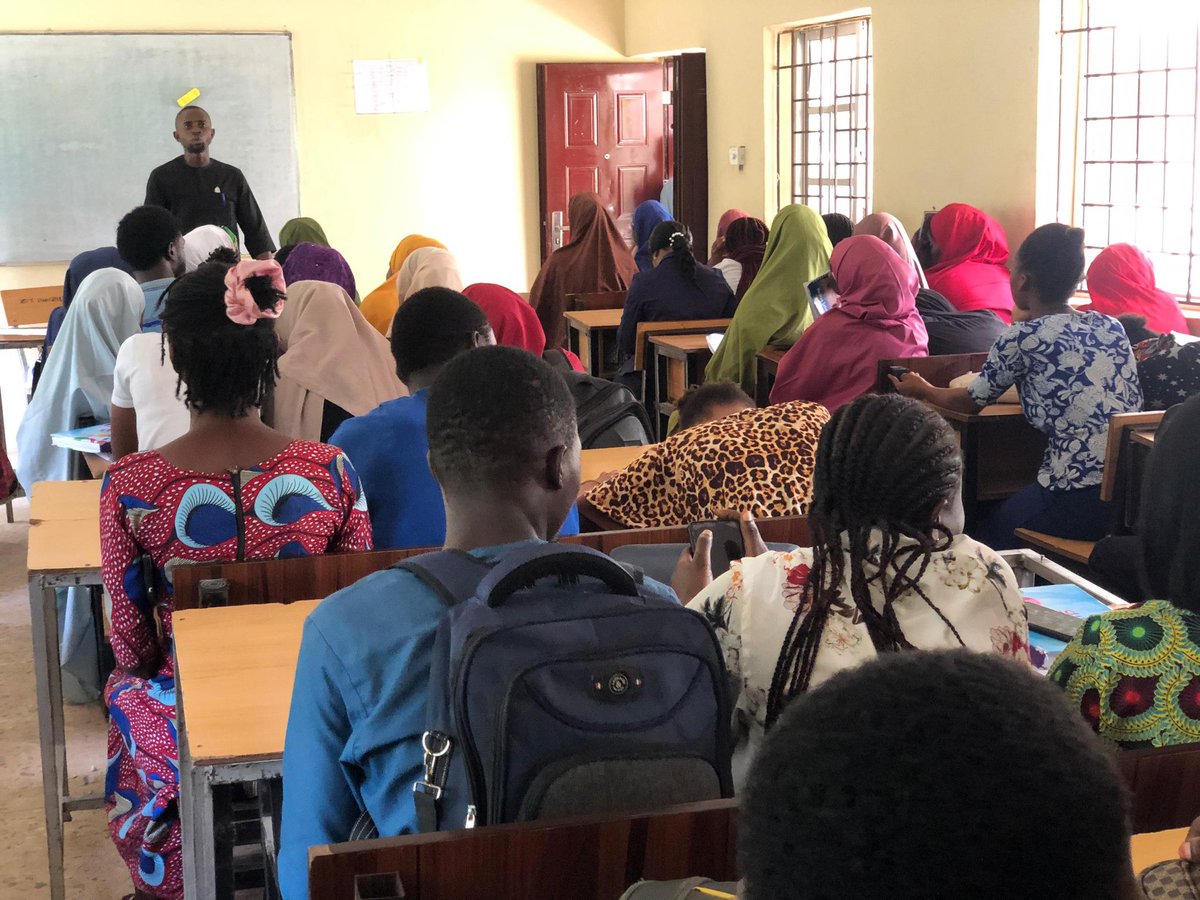
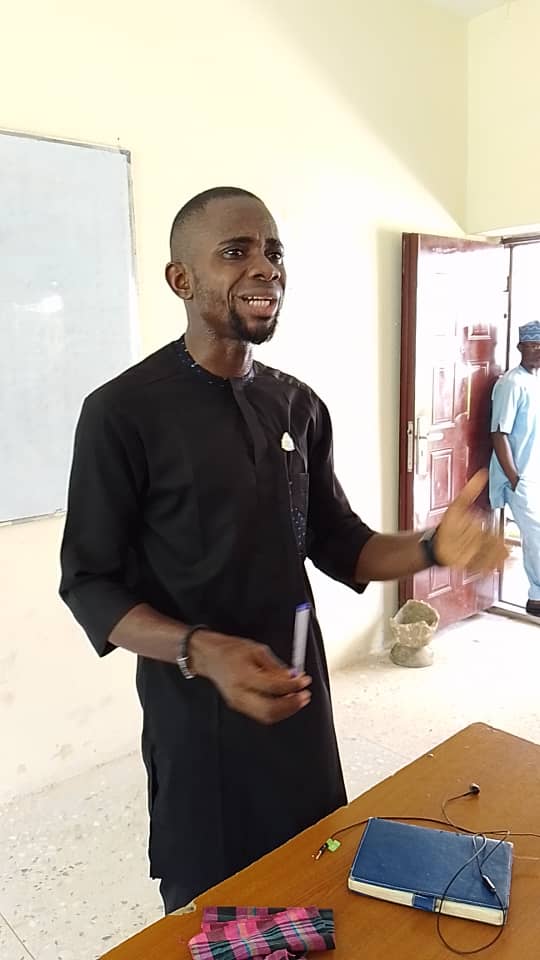
In partial fulfilment of the requirement to be certified as graduates of the Electoral College, the ECN C-XV GROUP 2 LP will be having a Politeracy Program on "Overcoming Challenges in Political Participation & Local Leadership", today at the Kaduna Polytechnic, Kaduna State.
"What's Meshack Inotu Osagie's plan for NIGERIA?"
Familiarize yourself with his 7 Point Agenda.
Vote Meshack Inotu Osagie for PRESIDENT, FEDERAL REPUBLIC OF NIGERIA!!!
Achieving political literacy (Politeracy) can be made easier by following these five steps:
1. Understand the Constitution
The constitution is the foundation of every government system. Learn its key sections and how it relates to citizen rights, duties, and the functions of government institutions. Understanding the constitution empowers citizens to hold leaders accountable and navigate political processes effectively.
2. Know Your Government Structure
Familiarize yourself with the structure of your government—local, state, and federal levels. Understand the roles of each branch (executive, legislative, and judiciary), as well as the responsibilities of elected officials like governors, senators, and local councilors. This helps in making informed voting decisions.
3. Engage with Political Processes
Participate in local and national elections, join discussions about political matters, and stay updated on policy changes. Being actively involved in politics through voting or advocacy groups helps you gain practical knowledge and influence governance.
4. Follow Reliable News and Educational Resources
Stay informed by consuming credible news from reliable media outlets. Engaging with educational programs like "Politics in 5" or attending workshops, like those offered by the Electoral College Nigeria, will deepen your understanding of political concepts and current affairs.
5. Ask Questions and Participate in Debates
Don’t hesitate to ask questions about policies or political developments. Joining debates or forums helps sharpen your understanding and allows you to engage with diverse perspectives on governance and civic responsibility.
These steps will guide anyone towards becoming a well-informed and politically literate citizen.
#Politeracy #Electoralcollng