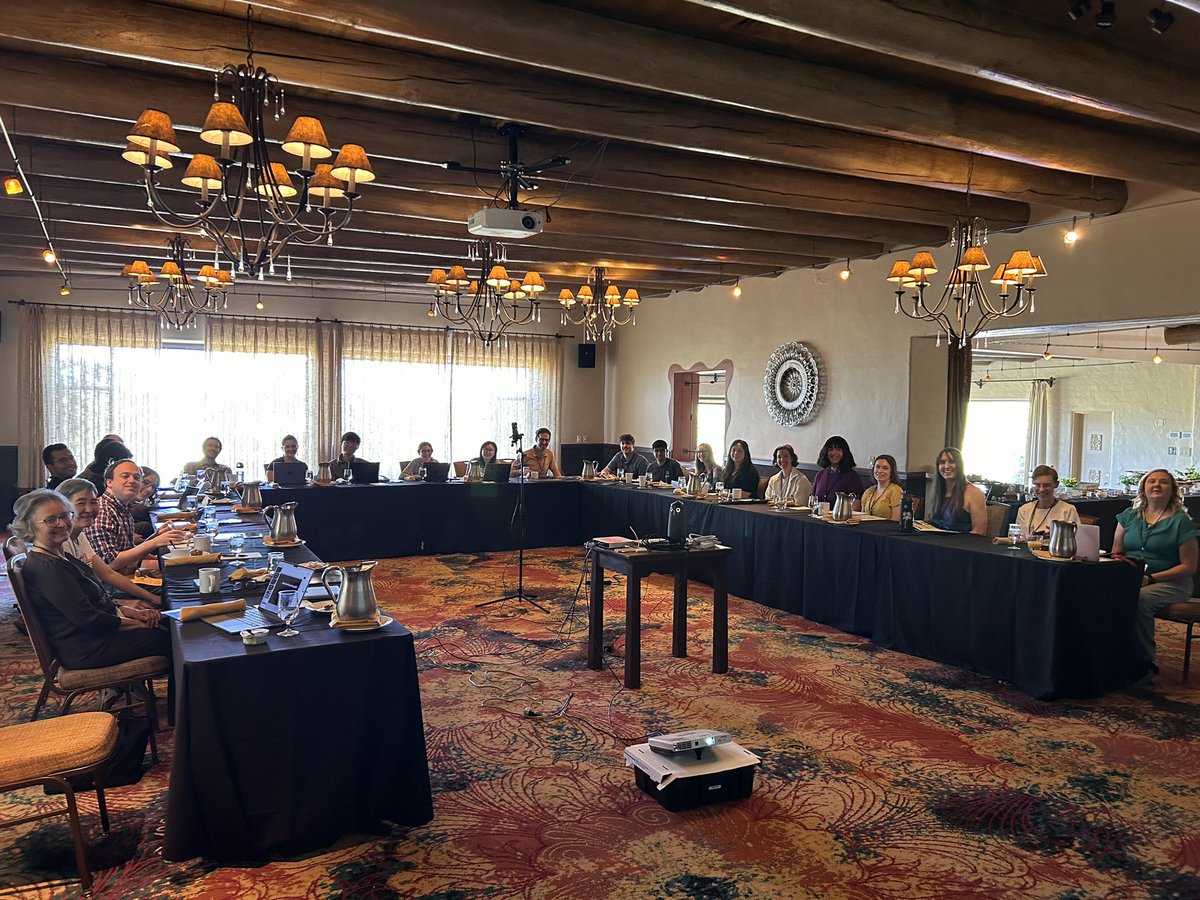
Full house at today’s Alien Earths astrobiology meeting in Tucson! An exciting day packed with talks and discussions. In its first 3 years, Alien Earths already published 100 ref’d papers, including exciting discoveries. I am lucky to work with such a great team! @EOSNExSS
Assessing habitability of extraterrestrial worlds&interpreting biosignatures are key but difficult tasks: Info are very incomplete. Comprehensive, probabilistic approach is key, as in this nice Enceladus study: https://t.co/pFFNwwwxZu @AAffholder @EOSNExSS@nexssinfo@uazresearch
Come and join our awesome NExSS/Alien Earths astrobiology & exoplanets research team in Tucson at @azstewobs and @UArizonaLPL! We have exciting postdoc positions open in a broad range of exoplanets/planet formation/atmospheres topics: https://t.co/T6F2NHc5VM @nexssinfo@EOSNExSS
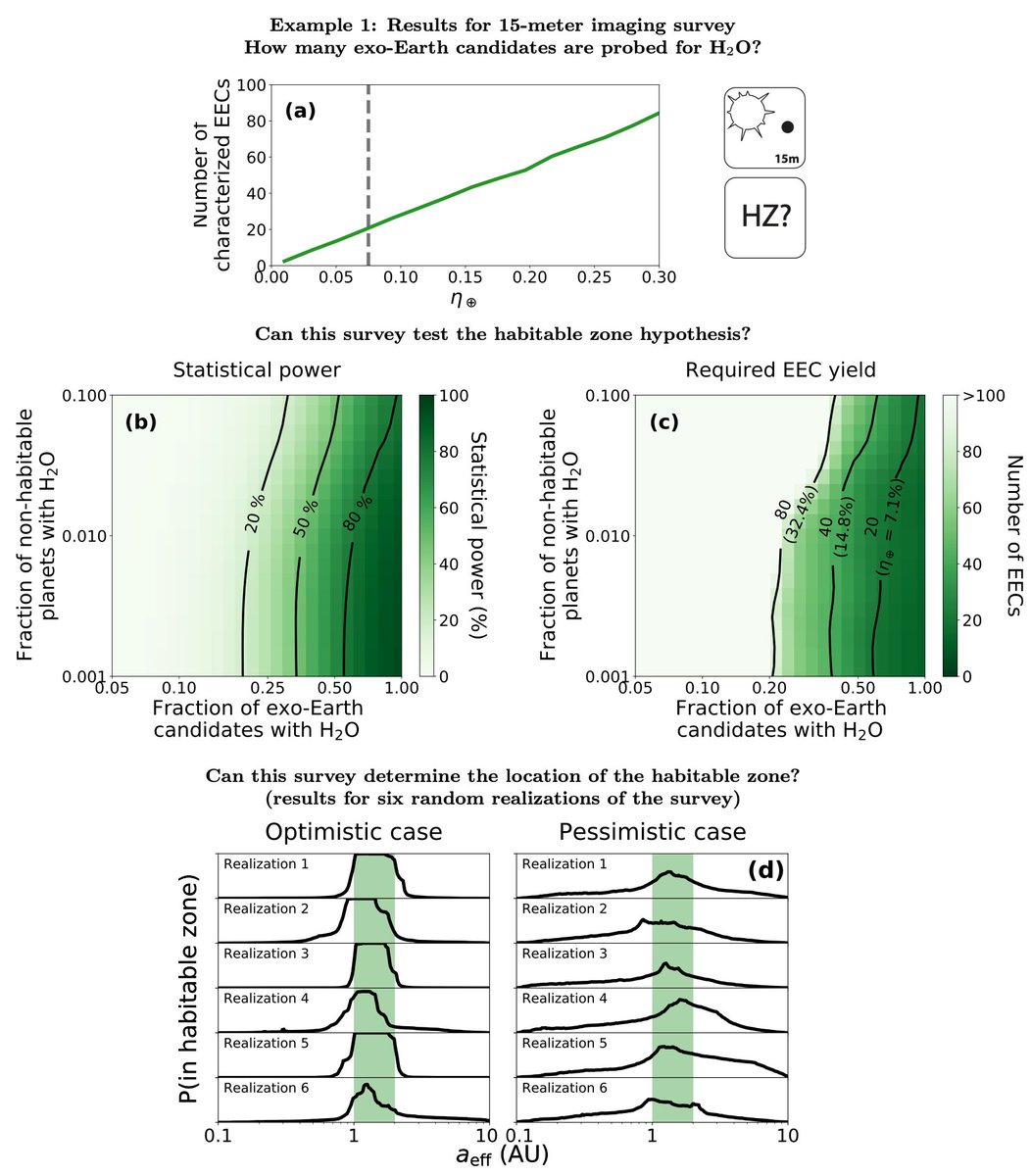
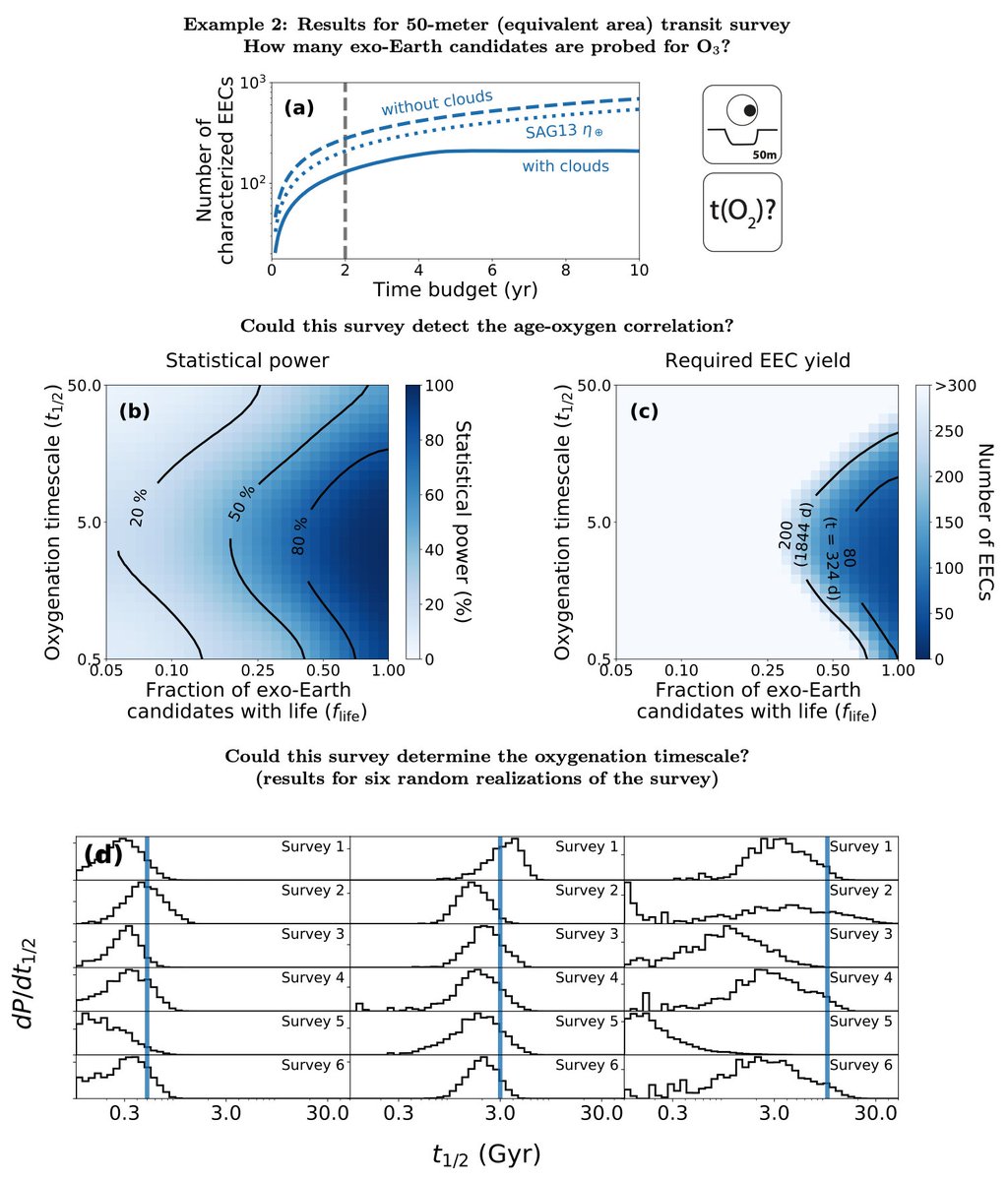
Excited to present our Bioverse study, fresh on arXiv! Great experiments test important hypotheses. What hypotheses can we test with biosignature-survey missions as a function of their capabilities?
https://t.co/BkaUUqMMW3 @nexssinfo@EOSNExSS
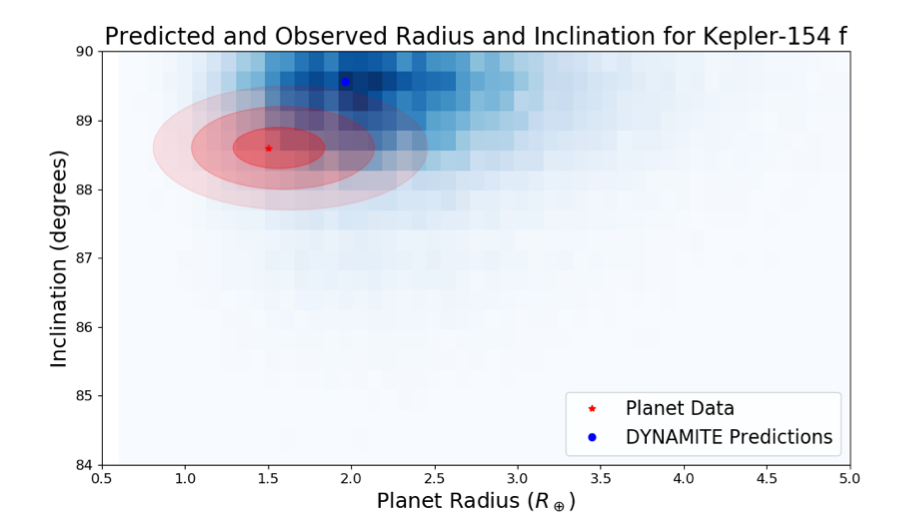
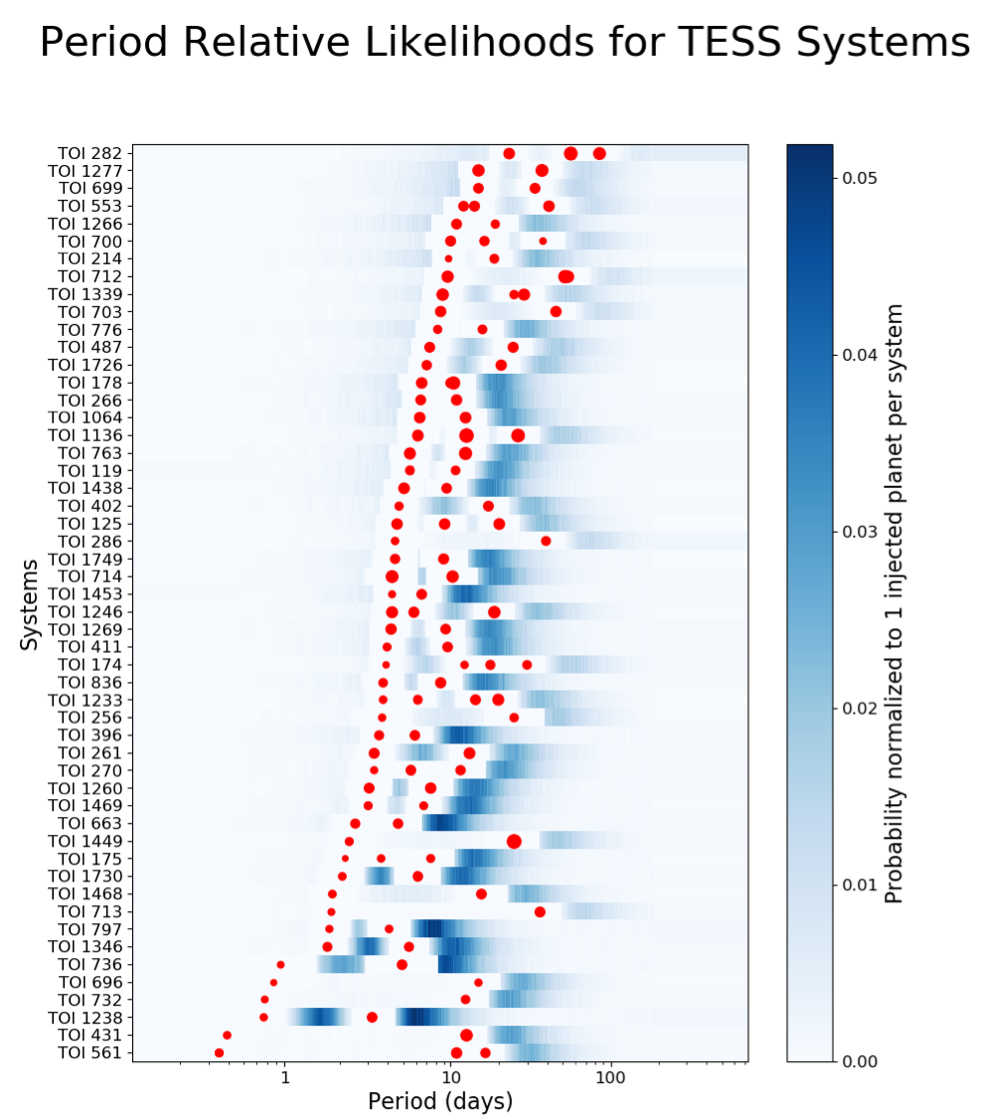
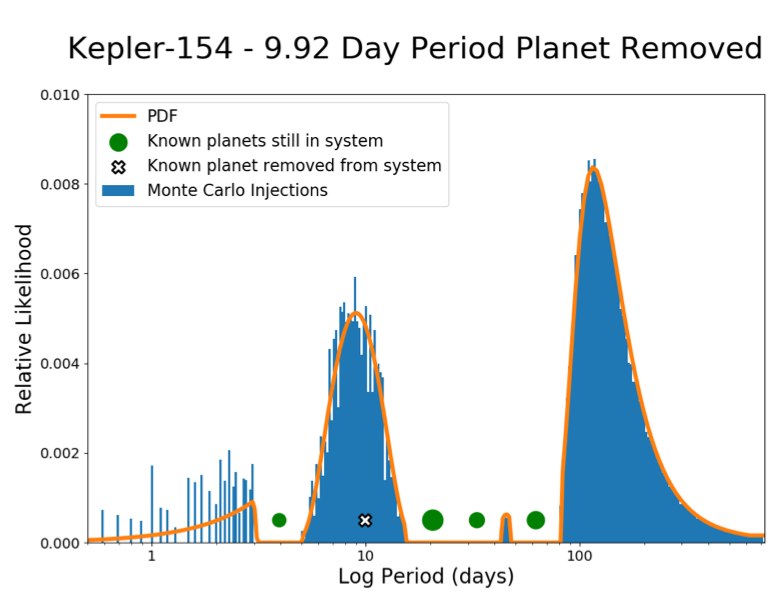
How cool would it be to reliably predict where new exoplanets can be found in multi-planet systems? Now we can, thanks to @azstewobs student Jeremy Dietrich! Periods+radii+inclinations. Based on Kepler, tested on Kepler+TESS data: https://t.co/ywnmDUtE6H @EOSNExSS@UArizonaLPL
Cool new results from @GijsMulders and our EOS team: the Genesis Database with hundreds of simulated formation pathways of planetary systems, incl. accretion histories. @fredciesla @ilaria_pascucci @EOSNExSS@nexssinfo https://t.co/RQijiGTIQd
Identifying exo-earths among other planets in images of LUVOIR-like space telescopes won't be easy. In a new study w Alex Bixel we show how Bayesian classification and contextual info can increase mission yield: https://t.co/XRMLLizoyg
@EOSNExSS @azstewobs @luvoirtelescope
@CenterForAstro's Jane Huang presenting the @almaobs view of planet formation and the amazing results of the DSHARP survey at today's #EOS_Origins seminar @UALPL
We are starting another exciting night in the EDEN survey - this time on the 61” Kuiper telescope. Tonight we ade targeting two very nearby red dwarf stars in search of Earth-sized planets!