With Thanksgiving this week, be mindful of wasted food.
EPA’s Feed It Onward connects food donors and organizations working to reduce food waste with communities in need, while reducing the environmental impact of food waste in landfills.
Learn more about what you can do this holiday season: https://t.co/jg55KCeWwf
& https://t.co/cnWd5Jyru7
Food should feed people, not landfills.
EPA is helping turn food waste into opportunity through the Feed It Onward program. More than one-third of all food in the United States goes uneaten, and EPA is working with partners to make sure good food goes to people, not landfills.
Learn more & find out ways you can reduce food waste: https://t.co/kH6wj8egHj
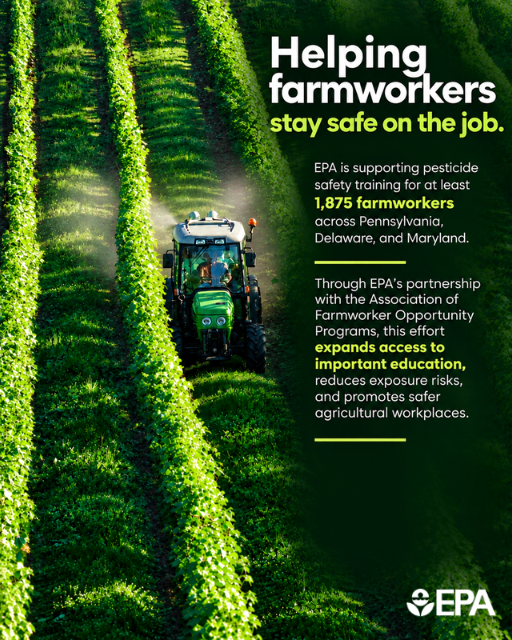
🌱🚜 EPA is supporting pesticide safety training for farmworkers across Pennsylvania, Delaware, and Maryland to reduce exposure risks & promote safer workplaces.
For more information and resources on EPA’s Agricultural Worker Protection Standard, visit: https://t.co/egcUpT1f9H
Turning waste into a teachable moment 🌱
Big things are growing at Philadelphia’s @DePaulPhila, where Principal Colleen McKenzie & Ruth McDermott Levy of the Mid-Atlantic Center for Children’s Health and the Environment share how a new composter helps students learn to compost, reduce waste, and support the environment. ♻️💚
This partnership with EPA is creating a true full-circle moment—connecting local food, student learning, and a healthier community.
It’s been so important as EPA Administrator to get out of DC as much as possible to engage directly with Americans everywhere. During my first 9 months in this position last year, I participated in community events in all 50 states, and these past couple of months took me back to 15 of them. It’s impossible to outwork us, and there’s no way we are going to just sit behind a desk in HQs.
EPA’s @chesbayprogram Office joined PA state & local partners to see EPA-funded projects making a real difference in local communities and waterways 💧
The projects include:
🌱 Restored streams that help improve local waterways
🚜 Smarter farming practices, including manure injection, that keep nutrients out of nearby streams
🌳 New streamside forest buffers that filter runoff and protect water quality
🐟 Improved in-stream habitat in a town park that supports better water quality and trout fishing
EPA is working with our partners to make sure these investments benefit Pennsylvania communities & local waterways.
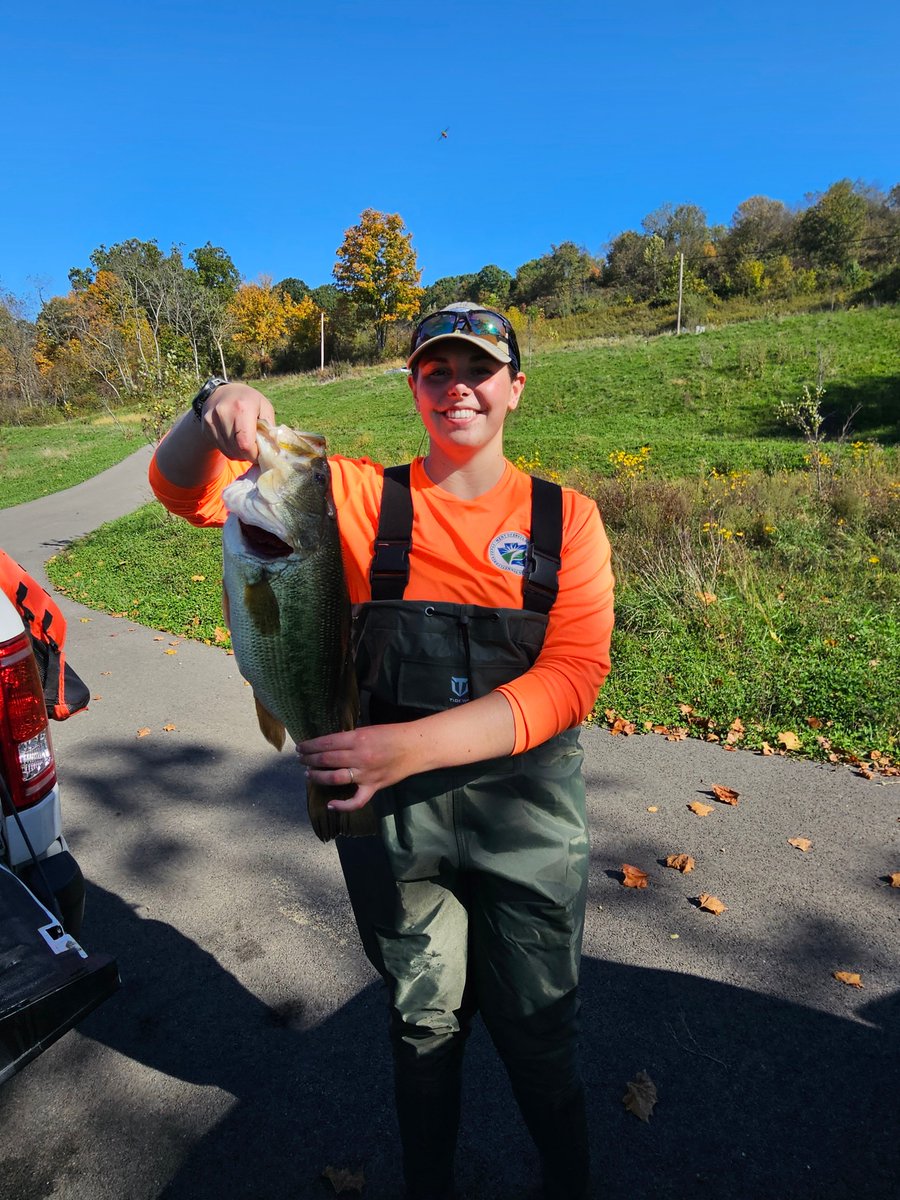
🎣🐟 We teamed up with our state partner, @PennsylvaniaDEP for a fish tissue monitoring effort at Wisecarver Run Reservoir near Waynesburg, PA.
EPA Region 3 provided its specialized electrofishing raft and technical expertise to help PADEP collect largemouth bass samples. 🐟🔬
⚡ What is electrofishing? It’s a scientific technique that uses a controlled electrical current to temporarily stun fish, allowing scientists to collect them for research and monitoring.
🔎 These fish tissue samples will help PADEP update fish consumption advisories, helping the community make informed decisions about eating locally caught fish.
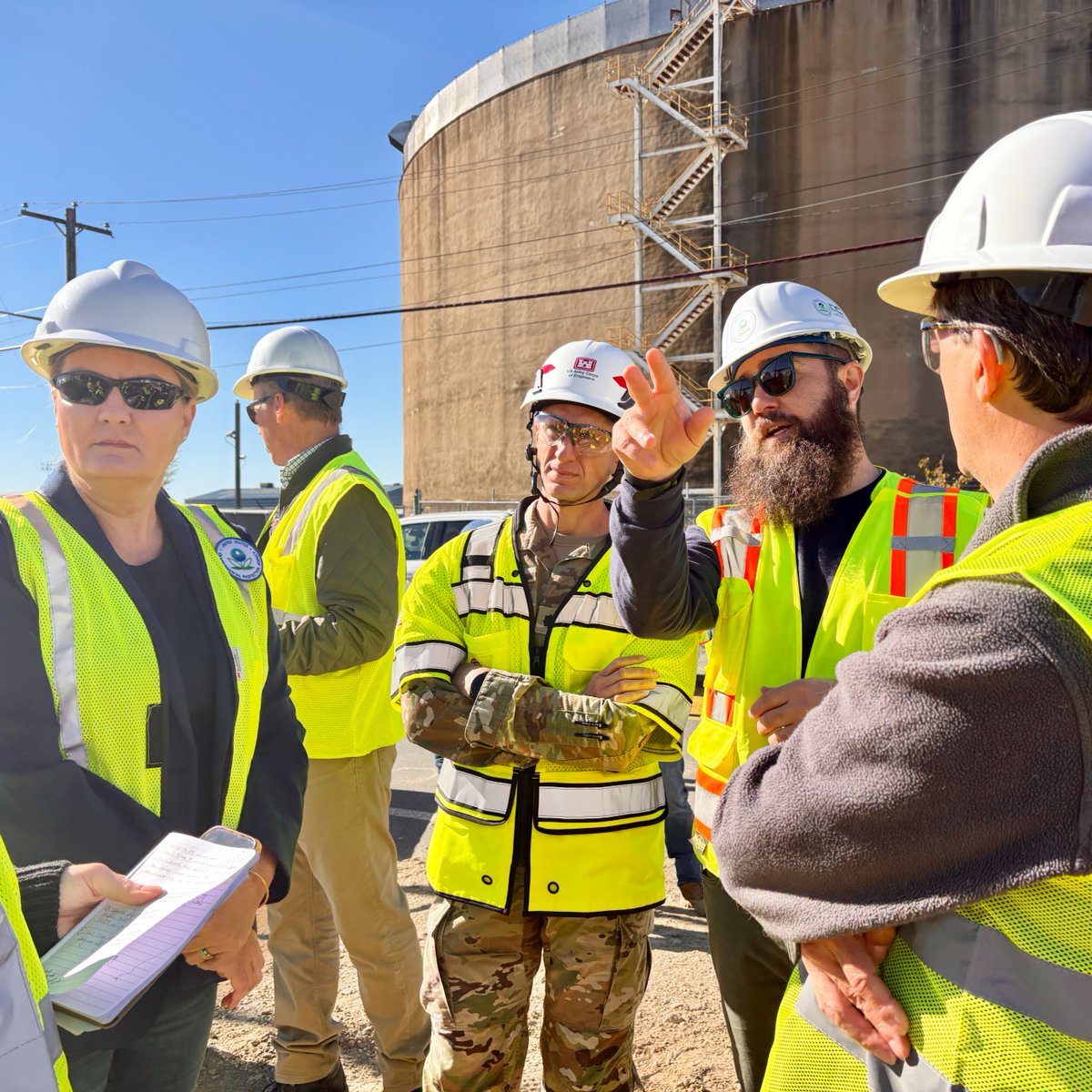
🚧 Major cleanup progress happening in Philadelphia at the Franklin Slag Superfund site in Port Richmond. EPA recently joined partners @USACEPhilly & @PennsylvaniaDEP for a tour of the site.
🔎 Stay informed: Join us virtually on Nov. 18, 2026, from 12 p.m. to 1 p.m. for an update on cleanup activities. Residents can find construction updates, cleanup information, and public outreach materials at https://t.co/YD20TELhOZ
More: https://t.co/nyrpVvQbeQ
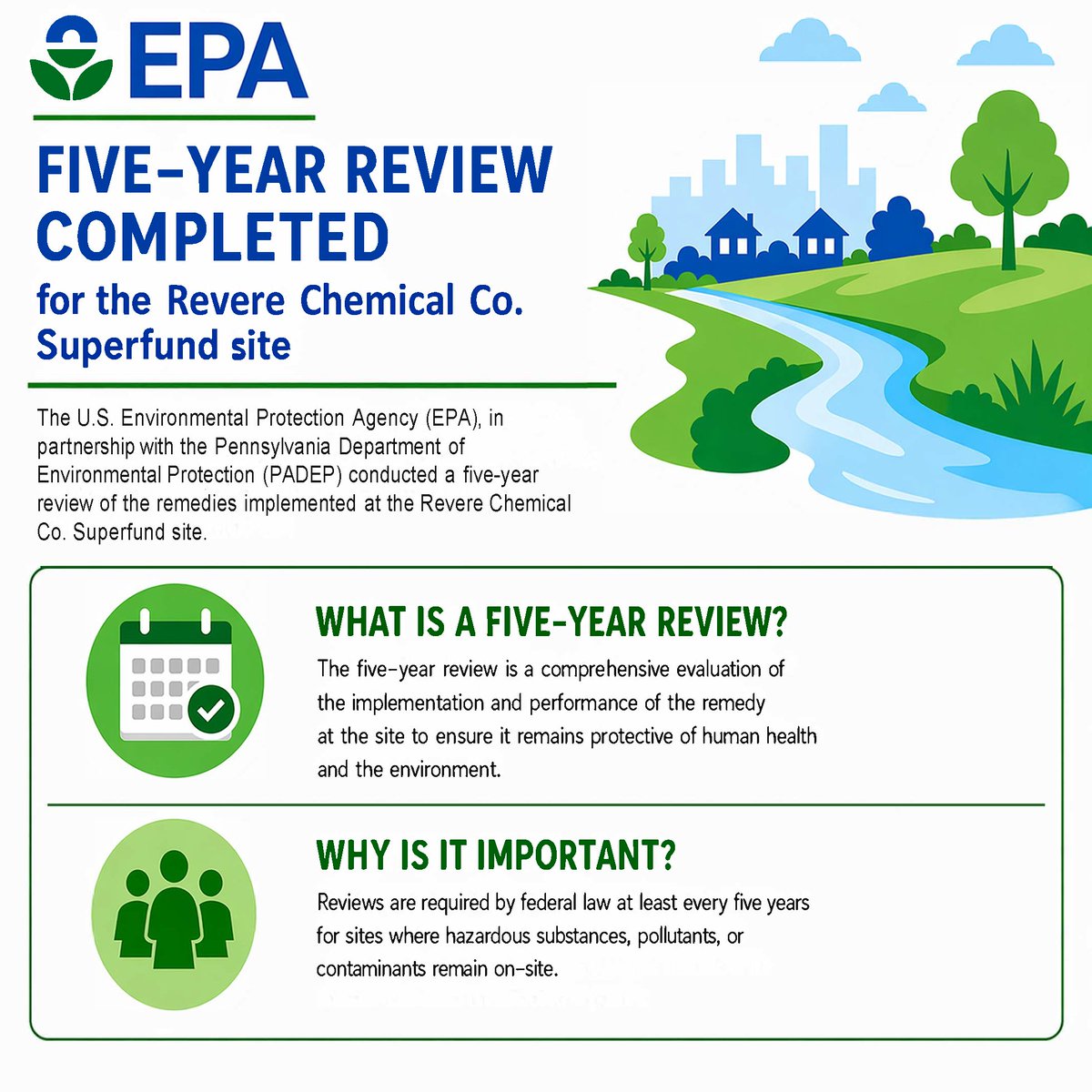
📢🌎EPA has completed its sixth Five-Year Review of the Revere Chemical Co. Superfund site, in Nockamixon Township, northern Bucks County, Pennsylvania and we encourage the community to take a look. 🔎
These reviews help EPA assess cleanup progress and identify whether additional actions may be needed to keep communities protected.
📄 Stay informed. Learn more about the latest review and what’s happening at the site.
🔗 : https://t.co/sle1s6ElEQ
Healthy Homes, Healthy Kids 🏠🧒
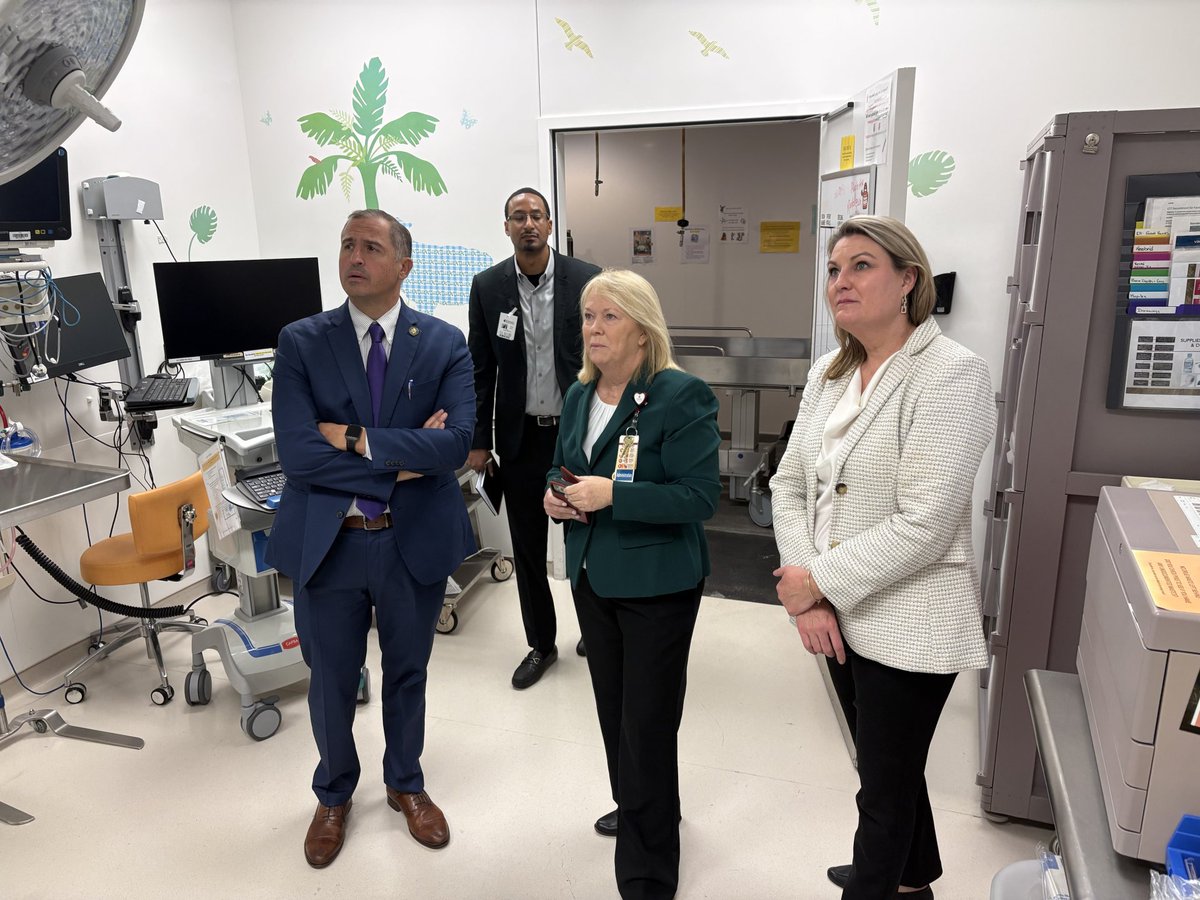
EPA, @HHSGov & @HUDgov leaders visited St. Christopher’s Hospital for Children in Philadelphia to talk about protecting kids from lead exposure.
They highlighted lead prevention, safe housing, testing, and the need for collaboration across environmental protection, housing, and public health to help address childhood lead poisoning from multiple angles.
Read more: https://t.co/riQbOxP9l3
The Trump EPA is putting American farmers first. EPA announced it will not finalize emissions-estimating methodologies based on outdated data and will work to end obligations under the 2005 Air Compliance Agreement, giving thousands of farmers the clear answers they have been asking for.
Learn more: https://t.co/QOuiskmB9M
All aboard for Chesapeake Bay research🐟🔬
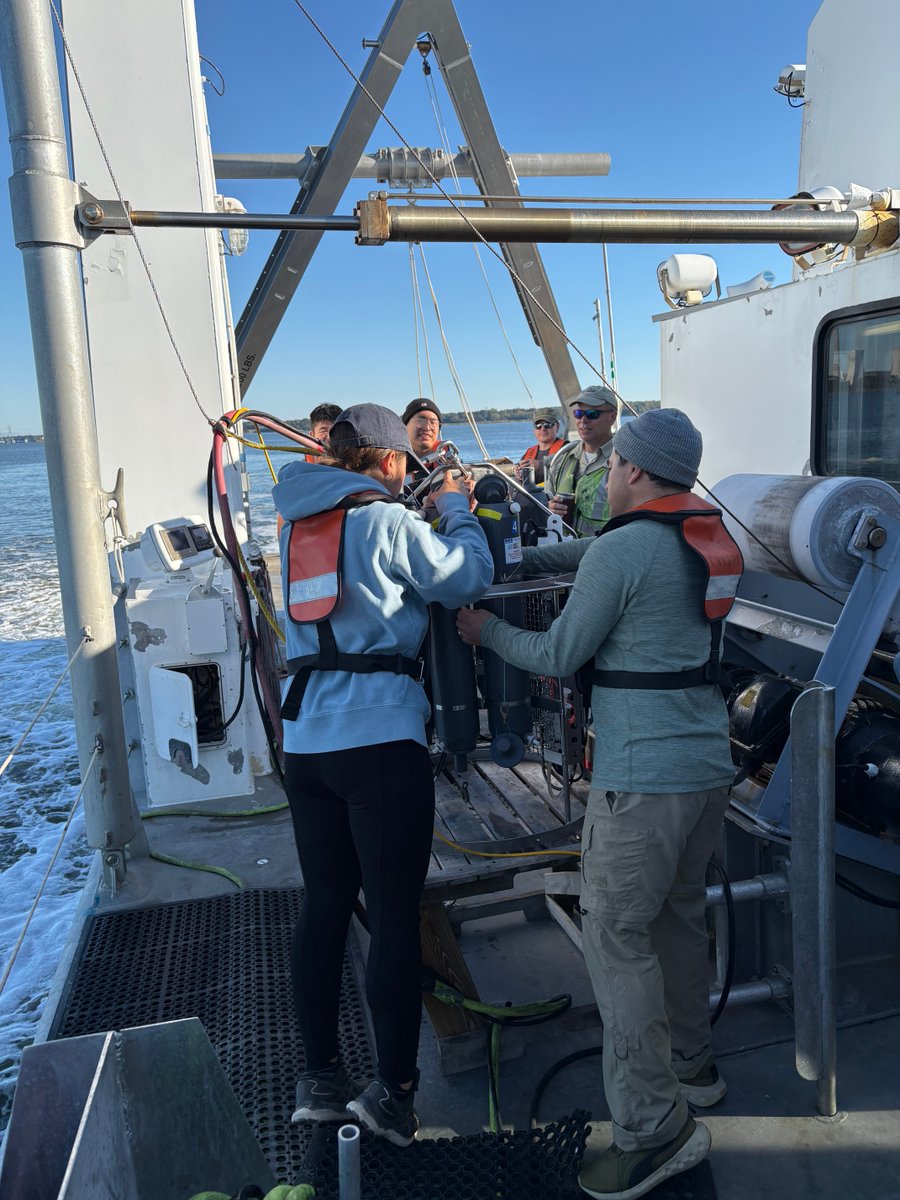
Staff from EPA’s @chesbayprogram recently joined @UMCES aboard a research vessel to sample along the Patuxent River.
💧 The team helped collect water, sediment, and fish samples to support long-term ecological studies of this important Chesapeake Bay tributary.
🤝 Partnerships make progress possible. By working together, we can share scientific expertise, strengthen environmental monitoring, and gather the data needed to make informed decisions that protect and restore the Chesapeake Bay.
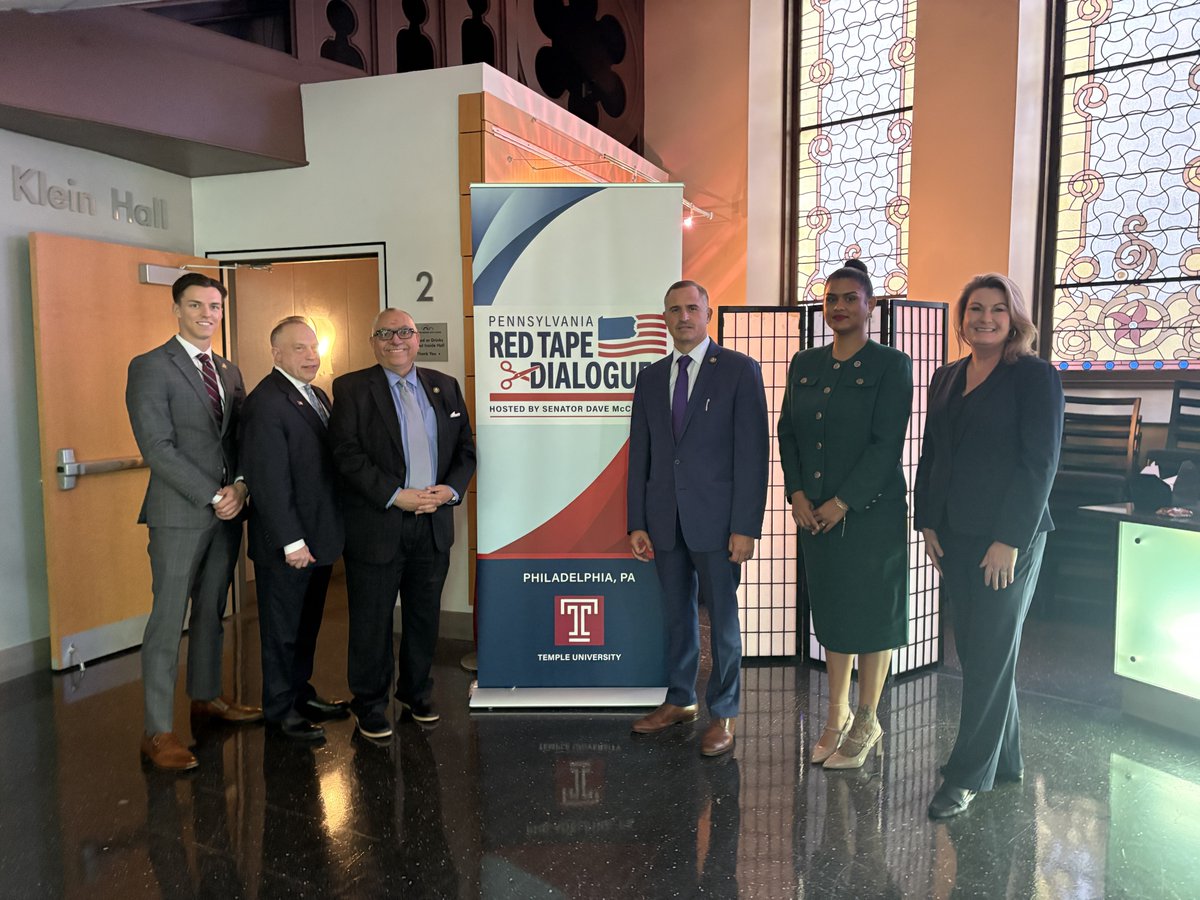
🤝 Great conversations and important feedback from Pennsylvania’s business community.
Thank you @DaveMcCormickPA for hosting a roundtable and bringing local business leaders together to discuss real-world challenges.
EPA wants to be part of the solution—not add to the red tape. That means streamlining permitting, reducing regulatory uncertainty, and finding practical solutions that work for Pennsylvania businesses.
🌎 Protecting public health and the environment while supporting economic growth can—and should—go hand in hand.
💬 We’re here to listen, find solutions, and make government work better for everyone we serve.
What’s growing beneath the Delaware River?
There’s more happening beneath the surface than meets the eye! 🔍🐟
EPA teamed up with the Partnership for the Delaware Estuary to survey underwater vegetation and riverbed conditions at the Camden Living Shoreline.
🌿 Living shorelines use natural materials to reduce erosion and support aquatic life. Developed through a collaboration between Camden, NOAA, PDE, and the Camden Adventure Aquarium, this site is the first living shoreline installed in the freshwater tidal portion of the Delaware River!
📍 Using specialized sonar and high-precision GPS technology, the team mapped the riverbed and assessed the presence and distribution of submerged aquatic vegetation (SAV) within and adjacent to the living shoreline area.
The collected data will help track shoreline changes and monitor the growth, distribution, and health of these important underwater habitats.
🌎 With partners, we’re helping protect the Delaware River’s aquatic ecosystems for the future.
EPA Regional Administrators visited farms in Maryland and Kentucky to see regenerative agriculture in action. The tours highlighted practices such as cover crops, reduced tillage and nutrient management that help build healthier soil and support our nation’s food supply.
Learn more: https://t.co/jwpaSZWFfy
#EPASoutheast #EPAregion3 #FarmCrops #LandStewardship
Lead can be found in places you may not expect, but simple actions can help protect your family.
During National Lead Poisoning Prevention Week, EPA encourages everyone to get the facts about lead hazards, ensure children are tested for lead exposure, and get homes tested to identify and address potential lead sources. Awareness and early action can make a lasting difference in preventing lead exposure.
For info on lead, visit EPA’s National Lead Poisoning Prevention Week webpage: https://t.co/QnxUTxhkQJ
#NLPPW2026 #LeadFreeKids
Before you renovate, repair, or paint, know the risks.
The Renovation, Repair and Painting Rule requires workers to be EPA-certified and follow lead-safe work practices in homes built before 1978. This helps protect children, families, and communities from lead exposure. When hiring a contractor, look for the EPA Lead-Safe Certified logo.
Learn more about EPA’s Renovation, Repair and Painting Program: https://t.co/yDF5m7PsRA
#NLPPW2026 #LeadFreeKids
🚧 Major cleanup progress in Philadelphia at the Franklin Slag Superfund site in Port Richmond.
Crews are beginning the treatment and removal of approximately 68,000 cubic yards of contaminated slag and soil, with safety measures in place to protect nearby residents, workers, and the environment. 🏗️
EPA, @USACEHQ Philadelphia District & @PennsylvaniaDEP recently visited the site to highlight cleanup efforts underway.
🤝 Through strong partnerships, coordination, and cooperative federalism, we’re moving this cleanup forward while being a good neighbor to the Port Richmond community.
Learn more: https://t.co/pV6hvk78AO
🌱🚜 At EPA, we believe farmers know best. We visited operations here in the Mid-Atlantic and Southeast recently to see how regenerative agriculture is helping farmers protect the land, improve water quality, and strengthen their operations, including @HarborviewFarms.
Hear more from Trey about what he does on his farm. Learn more at: https://t.co/IeaDnopfYZ
There’s no safe level of lead exposure for children.
EPA is committed to reducing lead exposure risks through its Lead Action Plan & Renovation, Repair and Painting Program, and providing simple steps, such as getting children tested & learning about risks at home to stay safe. 🏡🛠️
Learn more: https://t.co/Qg4l346HYN