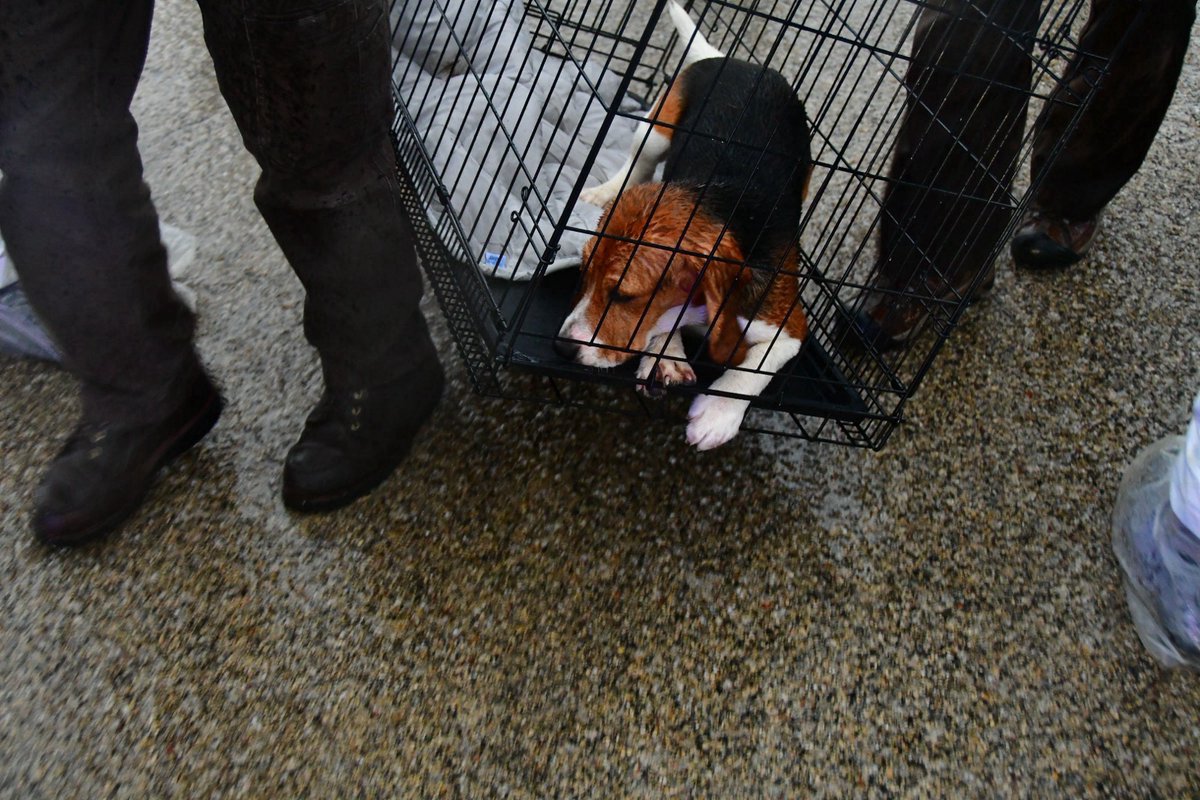
Even better news! 1500 of the beagles from Ridglan are finding homes!
About 1,500 beagles from Wisconsin research facility sold to rescue group in Florida | AP News https://t.co/jml19unLtp
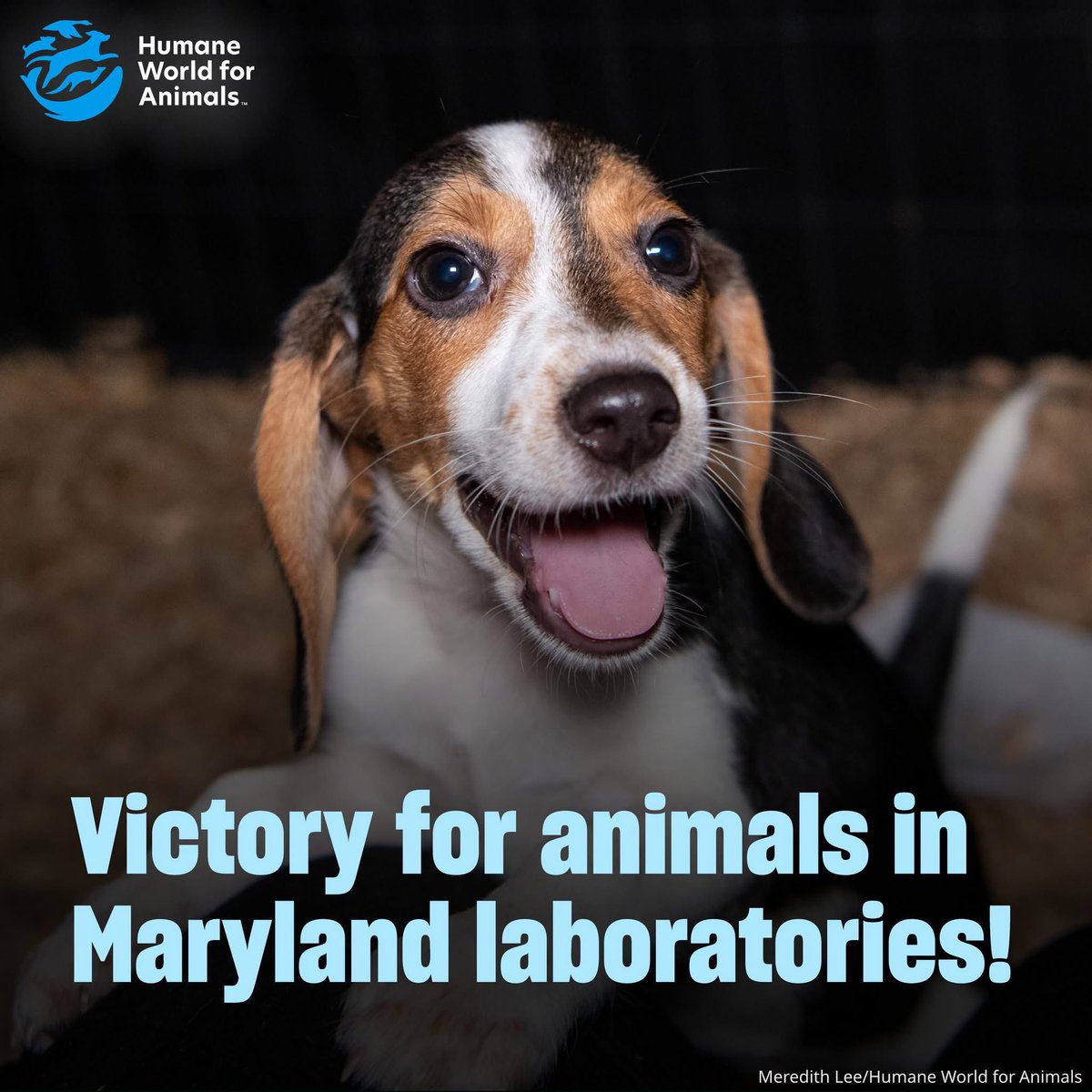
VICTORY! 🎉 A bill that will help dogs, cats and other animals used in experiments was just signed into law by Maryland Governor Wes Moore!
😺 The Animal Research Modernization and Best Practices Act (SB 423) will:
- Require companies that test pesticides, industrial chemicals, household cleaners and other products on animals to switch to non-animal tests as soon as the tests are approved by regulatory agencies
- Direct laboratories to report the number of dogs and cats who have been adopted after the experiments on them have ended.
- Ban cruel laboratory practices such as devocalizing dogs and cats
👏🏽 Thank you to Senator Benjamin Kramer and Delegate Bonnie Cullison for championing this legislation for animals, and to our amazing supporters in Maryland who contacted their state legislators in support of the bill!
My amendment targeting breeders like Ridglan Farms was passed into the House Appropriations Agriculture funding bill earlier today. This amendment forces the USDA to review dog breeding facilities whose state level licenses were relinquished, and to take action to rescind their equivalent federal licenses.
Shut. Them. Down.
RIDGLAN FARMS—A breakdown of the problem, and what YOU can do to make a difference.
There are three parts to this atrocity — and most people are only focused on the first one.
1. Breeder: Ridglan
2. Regulator: USDA
3. Buyers: Labs / Universities
1. Ridglan — the breeder
Ridglan is forced to stop selling dogs in July, but that does NOT mean they are forced to fully shutdown, and it does NOT mean the dogs are automatically safe.
Where are the ~2,000 dogs going? Who is taking them? Is there a written, documented plan? Are dogs still being sold before July?
🔴If you want to do something, contact:
Wisconsin Department of Agriculture, Trade and Consumer Protection and the Wisconsin Attorney General’s office.
Ask for the plan in writing. Ask what enforcement looks like if the terms aren’t followed.
2. USDA — the federal regulator
Ridglan still has a FEDERAL license through the United States Department of Agriculture (USDA). That’s why this doesn't end in July.
USDA APHIS Animal Care — handles inspections and enforcement under the Animal Welfare Act. (see thread for details)
🔴Here’s what to actually do:
Go to the USDA Animal Care Public Search Tool and pull every inspection report, annual report, and enforcement record for Ridglan.
If anything is missing, file a FOIA request with APHIS and ask for:
– inspection reports
– photos and videos
– compliance letters
– complaint records
– enforcement actions
– and any written plan for where these dogs are going
Ask USDA directly: What would trigger restriction or revocation of this facility’s license? What happens after July?
That is what determines whether this abuse actually stops or just shifts.
3. The BUYERS — labs, universities, pharma
This is the part almost no one is talking about enough.
📢WHO IS BUYING THESE DOGS AND TESTING ON THEM?
Ridglan exists because someone is BUYING.
➡️This is supply and demand.⬅️
If buyers stop buying, then breeders like Ridglan cease to exist.
I found records compiled by Rise for Animals and The Marty Project and cross-checked parts of the data against NIH grants, institutional disclosures, and USDA inspection reports. See the attached list.
Almost 1/3 of the list are major universities —the same places we send our kids, donate to, and support publicly.
So if people want to direct their energy somewhere that actually matters, start asking those institutions:
Do you use dogs in research?
Do you source from Ridglan or breeders like them?
Which grants are funding this work?
What is your plan to stop?
Contact:
– Office of Research
– IACUC (animal care & use committee)
– compliance/ethics offices
– and leadership
1⃣Ridglan is one part of the problem.
2⃣USDA is one part of the problem.
3⃣The buyers are one part of the problem.
Most people are only yelling at the first one.
If we actually want this to change, we have to go after all three — not just the one that’s getting the most attention online.
The State of WI should start working with Ridglan Farms, a troubled WI breeder of beagles for research, to rehome 2,000 dogs now to give the dogs the lives they deserve.
The breeder needs a plan to protect the dogs from inhumane treatment after a settlement agreement to close their breeding business.
https://t.co/16q27arjVT
Dear Sheriff Barrett, Governor Evers, Secretary Kennedy, and President Trump,
I am writing to request that you free the remaining dogs at Ridglan Farms, in line with the Trump Administration’s goal of phasing out animal testing @POTUS@SecKennedy@GovEvers#RidglanDogs
@LazarusLong13 No LC—yet—but I do have other post-infectious problems pre-dating COVID, so I’m constantly trying to save people from what happened to me.
Despite tens of thousands of people reaching out to the Wisconsin authorities, they have still refused to enforce the law or protect the dogs.
There's only one choice.
We head back to Ridglan Farms to rescue ALL the dogs.
And we need YOU to join us.
Sparrows can recognize human faces & remember who has been kind to them.
#WorldSparrowDay is dedicated to their conservation. So why are they being trapped, drugged, & killed in experiments at @LSU? Tell the National Science Foundation to stop funding it. https://t.co/q4UsNUas2o
This terrified puppy was dragged from the back of a rescue van by police and brought back to Ridglan Farms, despite a judicial order proving she was a victim of criminal abuse. At any moment, she could face torture or death in an illegal experiment or surgical procedure.
The police actions were not just wrong. They were illegal. Even if she was “property” in a “theft,” she should not have been sent back to her abusers without a court order, as police are required to preserve “evidence of a crime.” We have some of the nation’s leading lawyers and law professors on our side, but without public pressure, that will not be enough.
We need everyone (including you!) to contact the Dane County DA and Sheriff—and post on social media—that she and the rest of the #Ridglan8 must be returned to the rescuers or an appropriate humane society. (Feel free to use this image in your own post.)
In your post, email, or phone call, you can simply say:
“Dogs facing criminal abuse at Ridglan Farms were illegally seized by police from rescuers and returned to their abusers. Do the right thing and rescue the dogs!”
Dane County District Attorney
Ismael Ozanne
(608) 266-4211
[email protected][email protected]
Dane County Sheriff
Kalvin Barrett
(608) 284- 6800 (Press 8 for complaints)
[email protected]
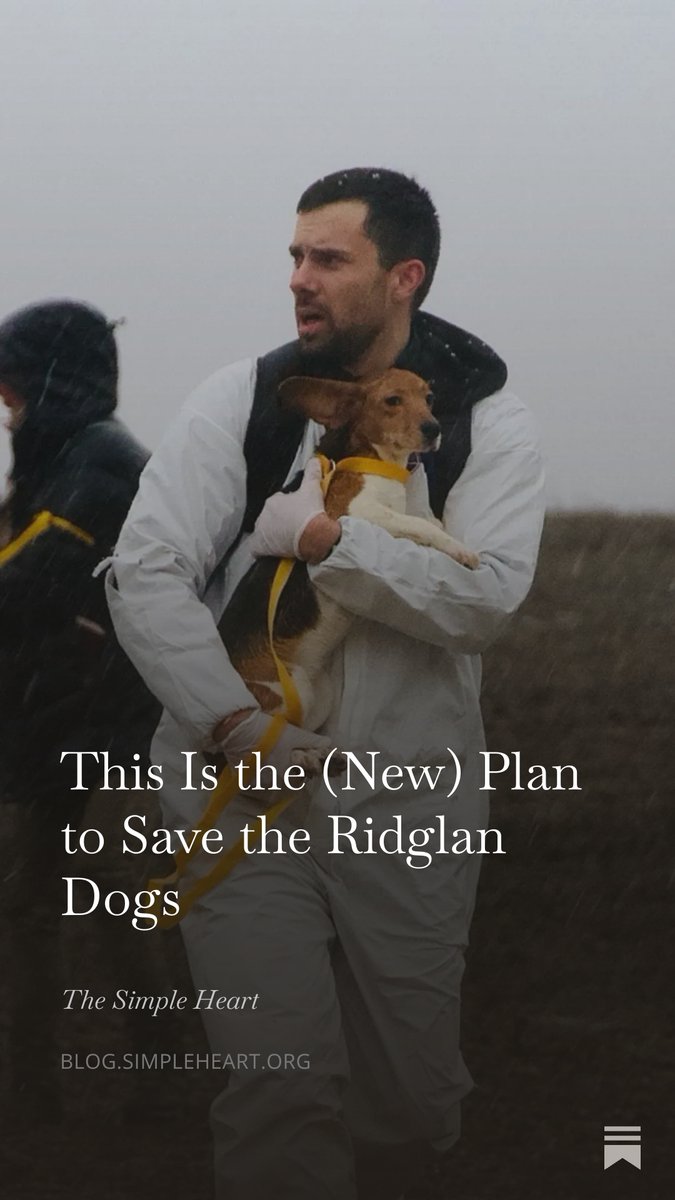
Animal rescuers walk out with beagles. Alexandra Paul, cradling a puppy in her arms, passes a police car as she carries the beagle to safety.
Are you coming with us next time?
Washington State University’s recent announcement regarding changes to its large animal surgery course raises serious concerns about transparency and public trust.
By centering its communication on “threatening and hostile messages,” the university has diverted attention from the central issue: eight healthy horses were scheduled to have their lives ended in a terminal teaching lab, despite being eligible for adoption and with sanctuaries willing to take them.
This messaging reflects a well-documented institutional response pattern: deny, attack, and reverse victim and offender. By emphasizing alleged threats—without providing evidence—WSU positions itself as the victim while deflecting from legitimate ethical concerns raised by veterinary students, professionals, and the public.
We have requested documentation of the threats referenced in the statement, and none has been provided to date. If credible threats exist, they should be addressed transparently and in coordination with law enforcement. If they do not, invoking them in this context functions less as a safety measure and more as a reputational shield. Journalists should independently verify whether these incidents were formally reported to the police.
This response has also created a misleading public narrative. It suggests the university is capitulating to violence, rather than responding to growing scrutiny of outdated training practices and the availability of effective, modern alternatives.
Equally concerning is what remains unaddressed. In subsequent reporting, WSU declined to clarify what will happen to the horses originally slated for the course. Without a clear commitment to rehoming or sanctuary placement, there is a real risk these animals could still have their lives ended outside of public view.
There is also a broader consequence: this framing risks undermining confidence in WSU’s own graduates. By attributing the change to safety concerns rather than affirming the strength of alternative training methods, the university inadvertently signals that students may be receiving less comprehensive preparation. That perception can unfairly impact new veterinarians entering the profession.
Veterinary education is evolving. Many institutions now rely on advanced simulation, clinical case exposure, and ethically sourced teaching models that do not require ending the lives of healthy animals. The question is not whether students can be effectively trained without terminal labs—it is whether institutions are willing to lead with transparency and align their practices with current standards.
If Washington State University intends to demonstrate leadership, the path forward is a commitment to releasing these animals to sanctuary, providing transparency about past and current practices, and unequivocally communicating that its students are receiving rigorous, effective surgical training.
Accountability and clarity are what will restore public trust and strengthen the future of veterinary medicine.
Knowing Wayne for over 10 years, he is not the type of person who harms property or acts recklessly. He cares deeply about animals and even feels conflicted about having to break open the windows during the rescue.
Wayne told us:
“We did what we believed was necessary to bring the dogs to safety after authorities declined to intervene.”
— Wayne’s social media team
Note: This video and other content posted on Wayne’s social media are being shared by his team while he is in jail. These posts reflect the perspective of supporters advocating for the safety of the rescued animals.
The legal team just spoke with Wayne Hsiung from inside the jail. Here’s what he has to say about yesterday’s action, where he was arrested for rescuing beagles.
#SaveTheDogs#RightToRescue#Ridglan
https://t.co/dAlR9OWMSc