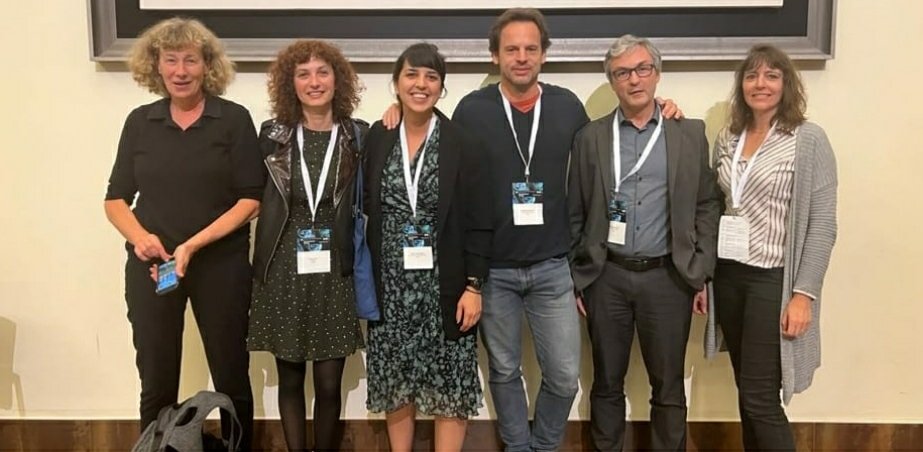
Our lab is taking a week ‘off’ for reading, writing, and thinking. It’s an experiment, but one I hope works. I think the pace of science has become too fast and there’s not enough time to just sit with your theories/data and allow your ideas to mature.
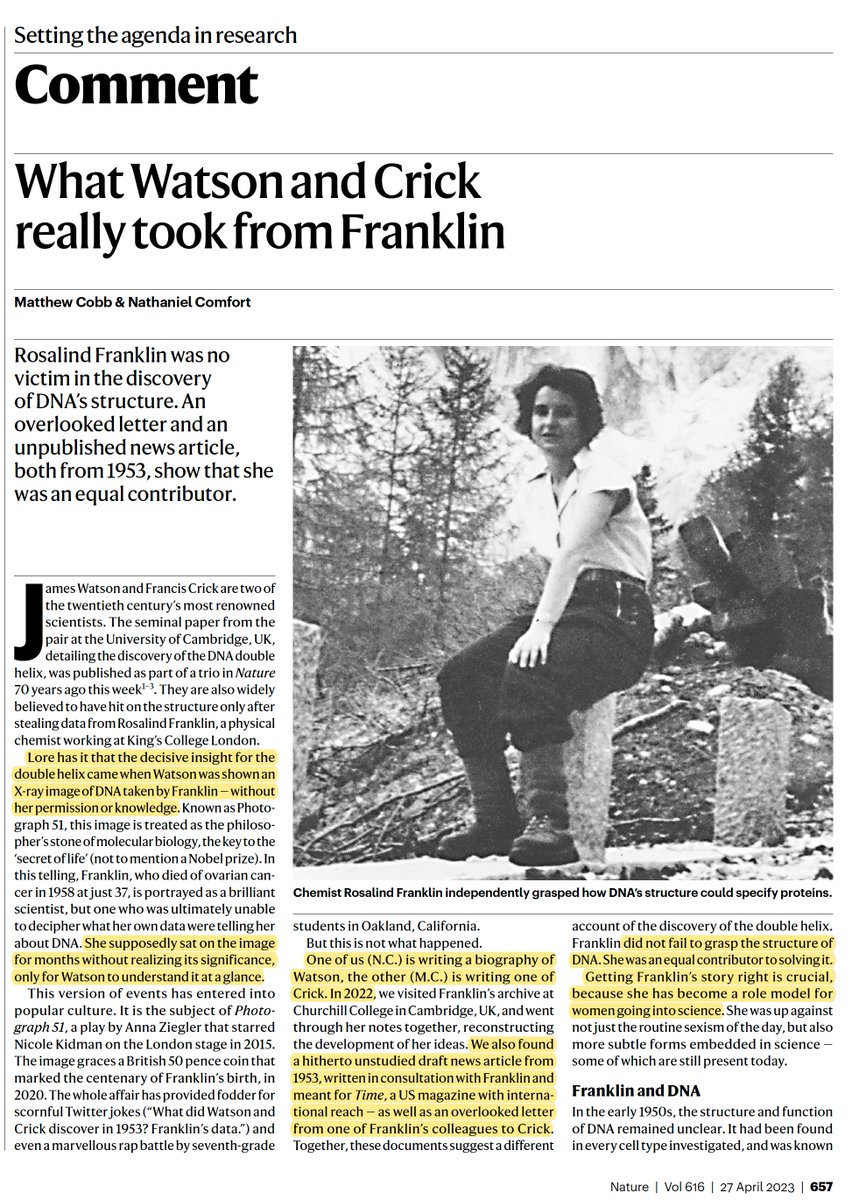
Just published @Nature
New evidence from 70 years ago: Rosalind Franklin was a co-discoverer of DNA's double-helix structure
by @matthewcobb@nccomfort
https://t.co/MtGnD3mcVc
The evolution of the nervous system may have followed multiple paths and risen independently in two early lineages of animals, a recent Science study found in comb jellies.
The results offer a new perspective on neuronal networks and neurotransmission. https://t.co/fCHQVMmVO7
New in @embojournal – 6mA randomly contaminates #Hydractinia embryonic genomes through misincorporation of degraded methylated maternal RNA. Alkbh1 is a cleaner, removing 6mA from the 64-cell embryo to allow zygotic transcription @Febrimarsa@BaxevanisLab
https://t.co/89BtYnJsfE
Just out of the oven to finally close this chapter. Thanks to @HFSP for the support. Was great to be a long-term fellow!
Senescence-induced cellular reprogramming drives cnidarian whole-body regeneration: Cell Reports https://t.co/wf9H68wIq0
4 months till our annual meeting #YEN2023 🥳 Henrik Kaessmann @kaessmannlab@UniHeidelberg will give the Sammy Lee Memorial Lecture as our keynote speaker. His work focuses on the evolution of vertebrate organs by analysing genomic datasets from reps of major vertebrate lineages