Common preservatives used in many store-bought foods to kill bacteria and mold were linked to a 29% greater risk of elevated blood pressure and a 16% higher risk of heart attacks and stroke, according to a new study https://t.co/lPNjCcKjUZ
Study debunks the long-standing myth that cognitive decline is an inevitable part of aging. Tracking nearly 4,000 participants aged 19 to 94, researchers found that the human brain remains “trainable and rewirable” across the entire lifespan.
https://t.co/eYuOAjR1qh
When it comes to slowing down our biological aging, engaging with arts and culture is as beneficial as physical activity, a new study suggests. https://t.co/fimaVcoDd1
New research suggests that omega-3 supplements, long promoted for brain health, may be associated with accelerated cognitive decline in older adults.
A longitudinal study using data from the Alzheimer’s Disease Neuroimaging Initiative (ADNI) found that participants taking omega-3 supplements experienced significantly faster deterioration in memory and thinking abilities compared to matched non-users.
The analysis, published in The Journal of Prevention of Alzheimer’s Disease, followed over 800 older adults for up to five years. After matching for age, sex, genetics (including APOE ε4 status), and baseline diagnosis, omega-3 users showed steeper declines on three standard cognitive assessments: a faster drop in Mini-Mental State Examination (MMSE) scores, and faster worsening on the Alzheimer’s Disease Assessment Scale-Cognitive Subscale 13 (ADAS-Cog13) and Clinical Dementia Rating Sum of Boxes (CDR-SB).
Importantly, the accelerated decline was not explained by classical Alzheimer’s biomarkers such as amyloid plaques, tau pathology, or gray matter atrophy. Instead, the researchers identified reduced cerebral glucose metabolism (measured by FDG-PET) in Alzheimer’s-vulnerable brain regions as a key mediating factor, suggesting possible negative effects on synaptic function and brain energy processing.
The authors stress that this observational study cannot prove direct causation and note limitations including self-reported supplement use and lack of data on product quality or oxidation. While dietary omega-3 from fish remains generally beneficial in many studies, these findings raise important questions about routine supplementation in older adults and highlight the need for further randomized controlled trials.
[Liao Z-B, Hu Z-C, Zeng G-H, et al. The association between omega-3 supplementation and cognitive decline in older adults. The Journal of Prevention of Alzheimer’s Disease. 2026. DOI 10.1016/j.tjpad.2026.100569]
“I will miss the creativity of teaching.”
During #TeacherAppreciationWeek, check out this #ScienceWorkingLife essay from a retired professor emeritus on how she challenged students to think beyond facts—and how she learned to teach like a scientist. https://t.co/1RvNo1g5pc
People with cognitive decline or early-stage dementia saw their symptoms improve when given bespoke treatment plans that targeted their personal nutritional deficiencies, ongoing infections and environmental exposures https://t.co/iaZiv9fXRi
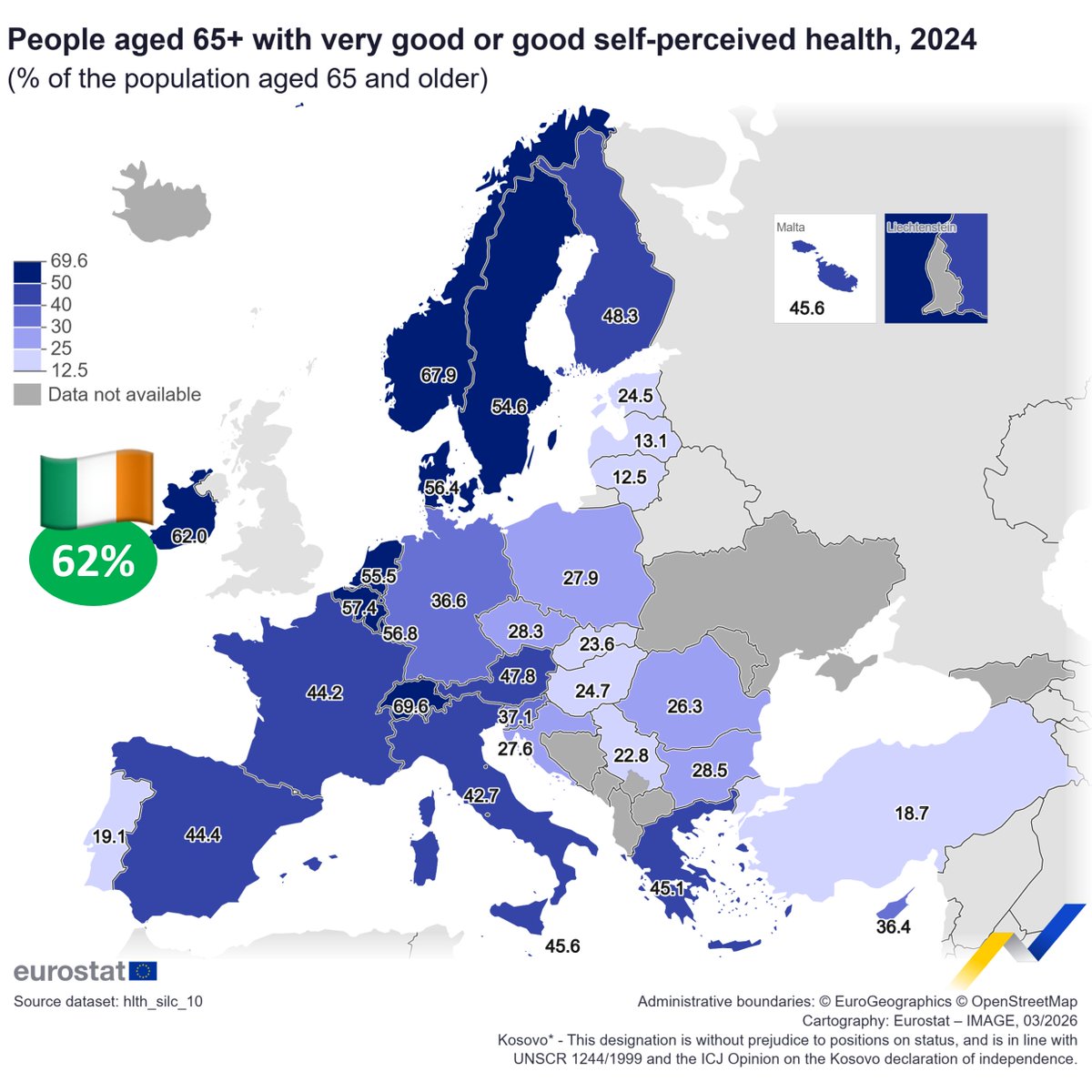
Elderly people in Ireland are the healthiest in the EU. Among those aged 65+, Ireland has the highest share who rate their health as very good or good (62%). Beyond the European Union, only the Swiss and the Swedes claim a healthier proportion. 🇮🇪👴👵
https://t.co/tnNz5sFTqT
Higher vitamin D levels in midlife were linked to lower levels of tau protein, a key marker associated with Alzheimer’s disease, years later
https://t.co/HYMfw2wReL
People who have razor-sharp minds in their 80s and 90s – known as “SuperAgers” – produce twice the number of young neurons as cognitively healthy adults and 2.5 times as many as people with Alzheimer’s disease, a new study found. https://t.co/p6DTOejm2o
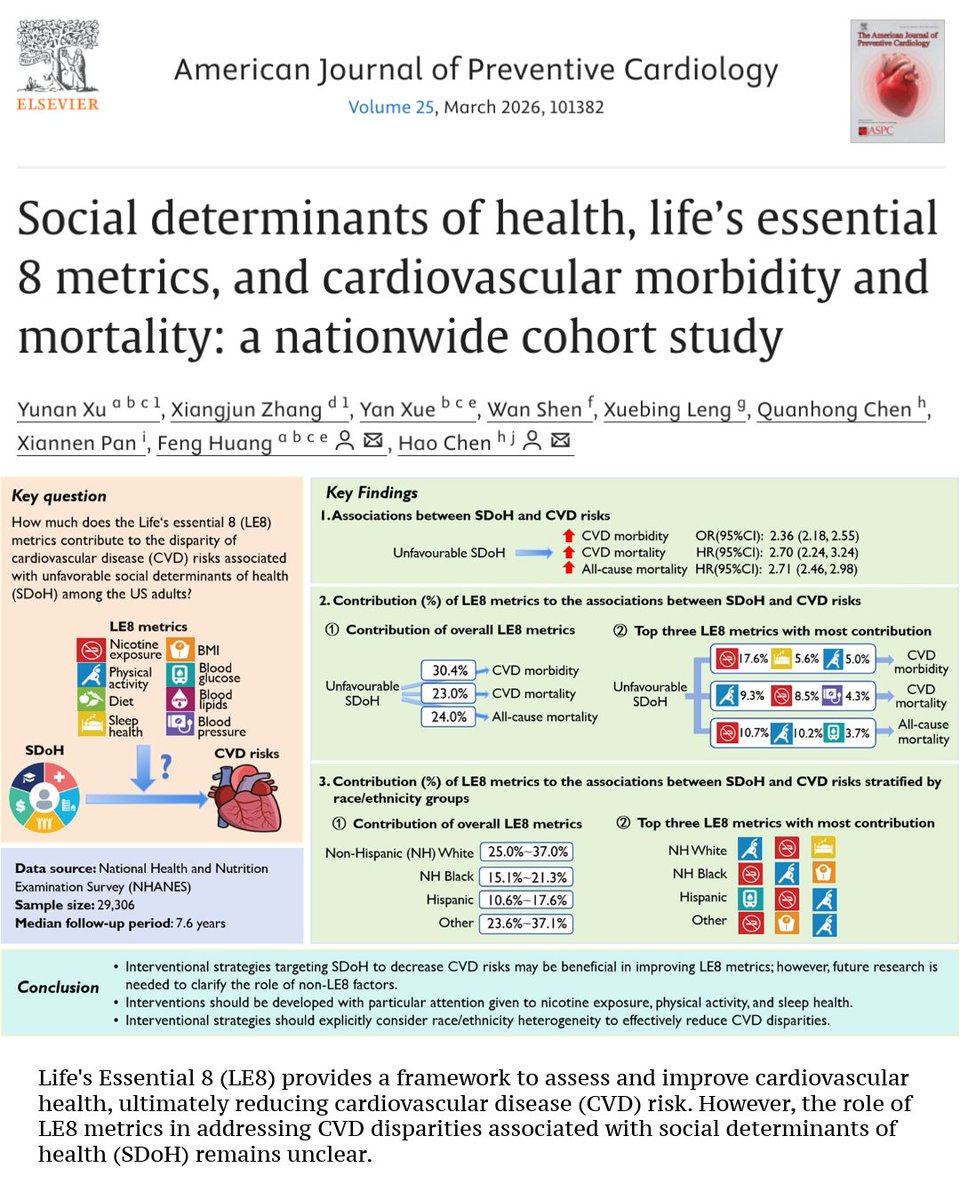
New nationwide cohort study links social determinants of health and Life’s Essential 8 metrics with cardiovascular morbidity and mortality, highlighting the impact of both social and behavioral factors on heart health.
🔗 https://t.co/vzXmS7Yj62
#HeartHealth#LifeEssentials8
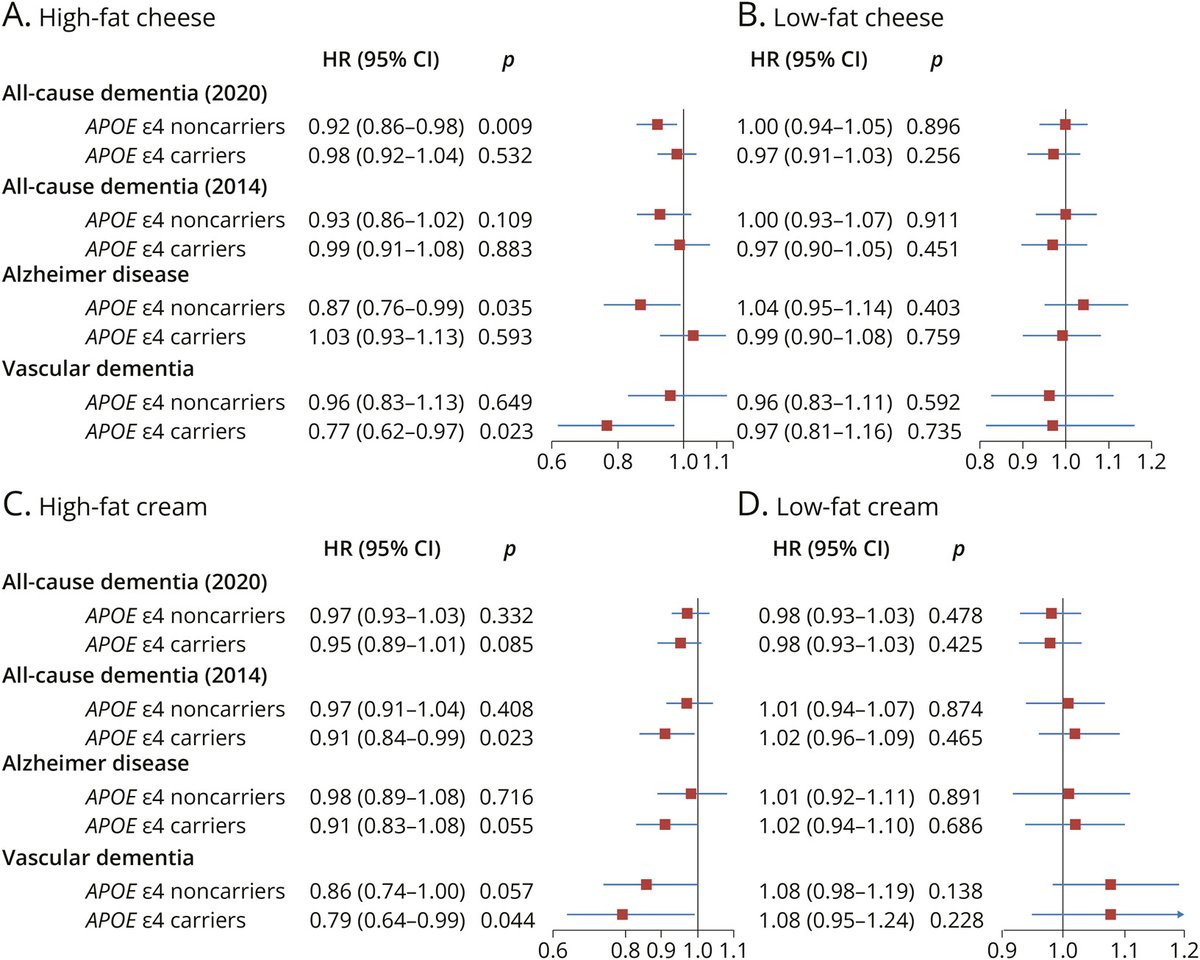
"Higher intake of high-fat cheese and high-fat cream was associated with a lower risk of all-cause dementia."
Results of a 25-year prospective study of ~27,000 participants.
The purported benefit was not linked to APOE4 carriers or low-fat cheese intake
https://t.co/tj2lHJRSzR
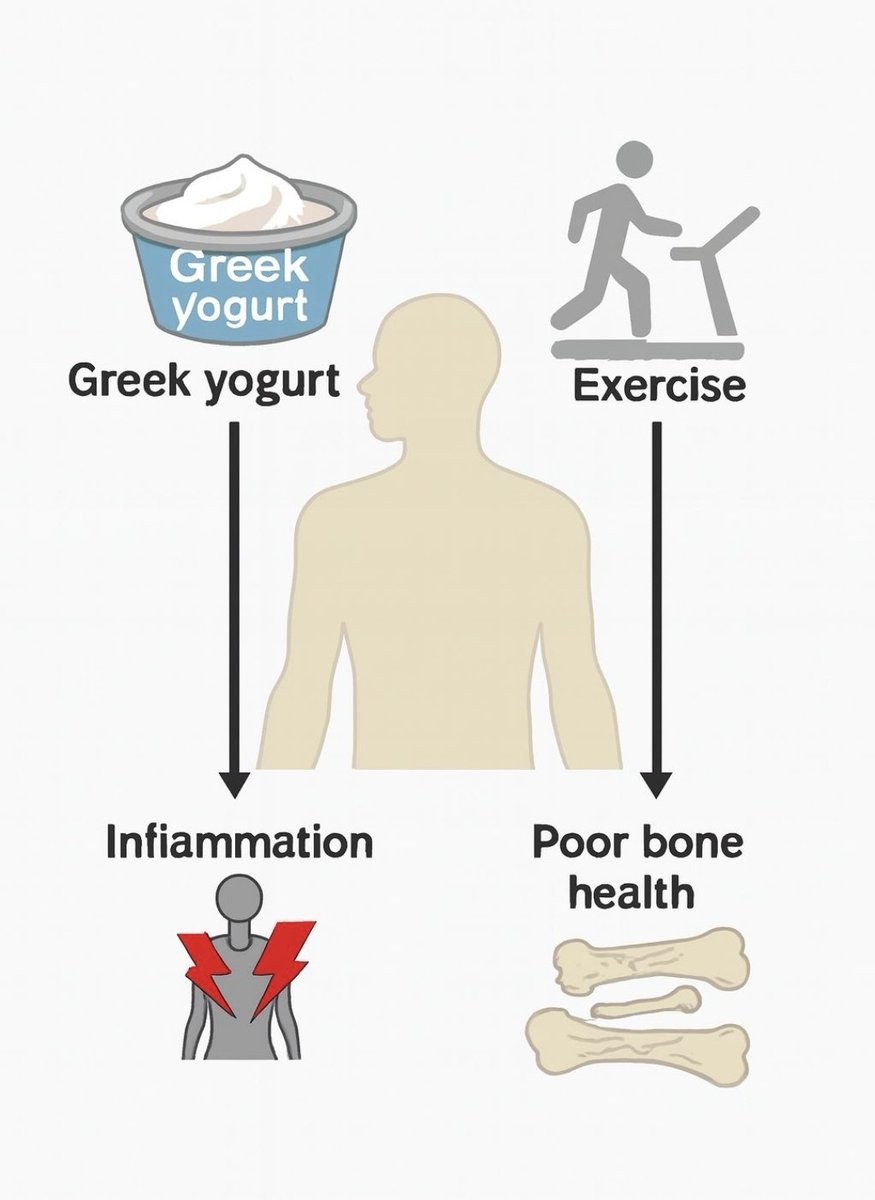
Effects of Greek Yogurt Supplementation & Exercise on Markers of Bone Turnover & Inflammation in Older Adult Exercisers
https://t.co/2ucmiXyMAl








![Rainmaker1973's tweet photo. New research suggests that omega-3 supplements, long promoted for brain health, may be associated with accelerated cognitive decline in older adults.
A longitudinal study using data from the Alzheimer’s Disease Neuroimaging Initiative (ADNI) found that participants taking omega-3 supplements experienced significantly faster deterioration in memory and thinking abilities compared to matched non-users.
The analysis, published in The Journal of Prevention of Alzheimer’s Disease, followed over 800 older adults for up to five years. After matching for age, sex, genetics (including APOE ε4 status), and baseline diagnosis, omega-3 users showed steeper declines on three standard cognitive assessments: a faster drop in Mini-Mental State Examination (MMSE) scores, and faster worsening on the Alzheimer’s Disease Assessment Scale-Cognitive Subscale 13 (ADAS-Cog13) and Clinical Dementia Rating Sum of Boxes (CDR-SB).
Importantly, the accelerated decline was not explained by classical Alzheimer’s biomarkers such as amyloid plaques, tau pathology, or gray matter atrophy. Instead, the researchers identified reduced cerebral glucose metabolism (measured by FDG-PET) in Alzheimer’s-vulnerable brain regions as a key mediating factor, suggesting possible negative effects on synaptic function and brain energy processing.
The authors stress that this observational study cannot prove direct causation and note limitations including self-reported supplement use and lack of data on product quality or oxidation. While dietary omega-3 from fish remains generally beneficial in many studies, these findings raise important questions about routine supplementation in older adults and highlight the need for further randomized controlled trials.
[Liao Z-B, Hu Z-C, Zeng G-H, et al. The association between omega-3 supplementation and cognitive decline in older adults. The Journal of Prevention of Alzheimer’s Disease. 2026. DOI 10.1016/j.tjpad.2026.100569]](https://pbs.twimg.com/media/HH36nqCWYAQT4Vi.jpg)