The @NOAASatellites#GOES19#GLM instrument detected a bolide over eastern Massachusetts on Saturday 5/30/2026. More on the CIMSS Satellite Blog: https://t.co/7raoh6sfv6
A below-normal hurricane season for the Atlantic basin is forecasted this year, according to @NOAA.
The outlook is influenced by expected competing factors such as El Niño, warmer ocean temperatures and weaker trade winds.
Read on 👉 https://t.co/6WgRGEol8k
The latest Halemaʻumaʻu lava fountains mark the 47th eruptive episode — tying the initial Puʻuʻōʻō eruption for the most recorded fountaining episodes at Kīlauea. This landmark number of episodes was reached twice as fast as Puʻuʻōʻō and has already produced dual fountains reaching up to 1,770 ft.
Read more about this truly historic moment for Kīlauea: https://t.co/eqjNW37aVA
📸: Left is Puʻuʻōʻō episode 29 on January 1, 1985. Right is Halemaʻumaʻu episode 41 on January 24, 2026, with dual fountains. Both episodes featured the second-highest lava fountains in these eruptions (to date for the Halemaʻumaʻu eruption).
#VolcanoWatch #History #LavaFountains
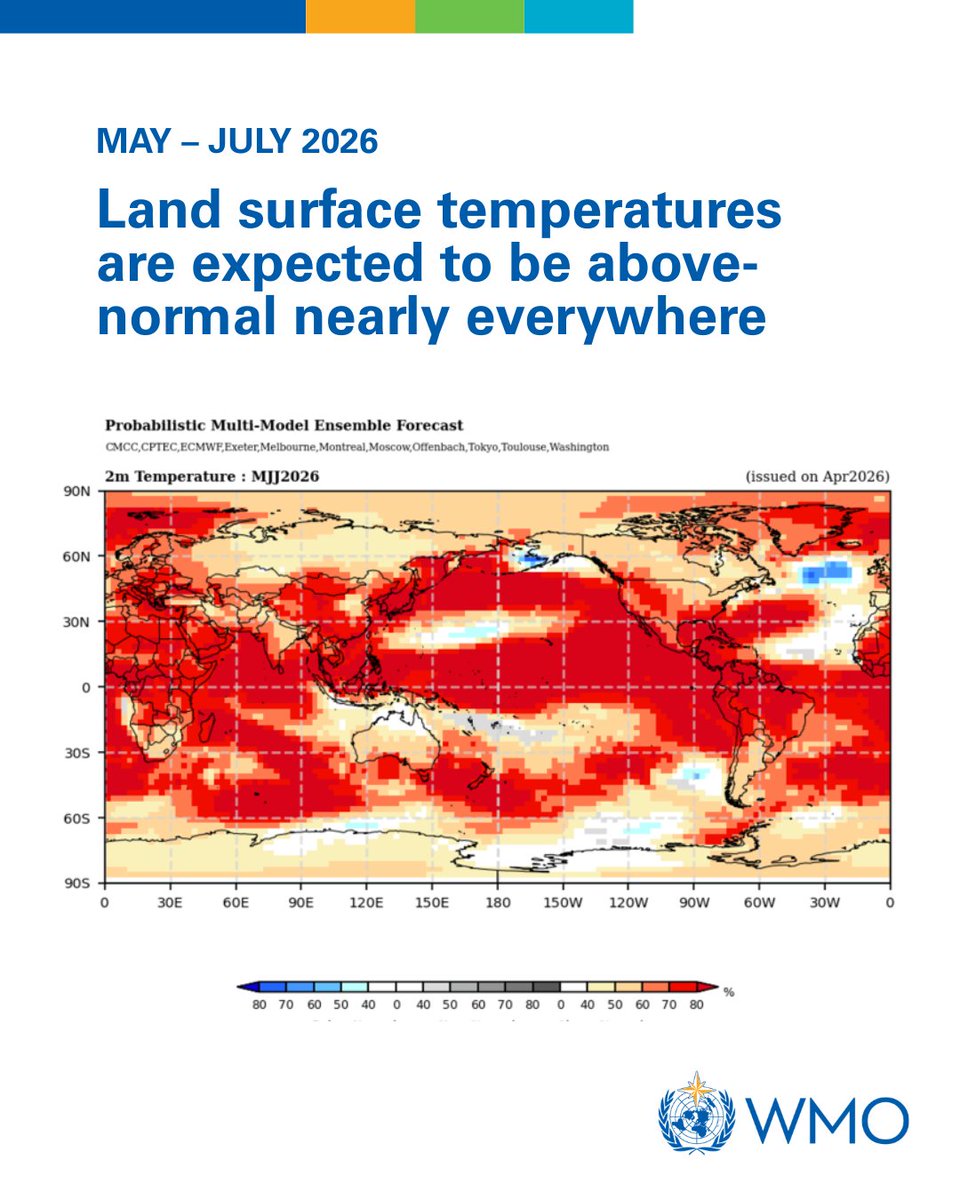
An El Niño event is expected from mid-2026, impacting global temperature & rainfall patterns, according to WMO's global seasonal climate update. Models indicate that this may be a strong one!
More details 👉 https://t.co/zQDJ6uWGJE
2.5-minute @JMA_kishou#Himawari9 Infrared images showed Typhoon #Sinlaku as it made landfall over the islands of Saipan (station identifier PGSN) and Tinian in the Mariana Islands, at Category 4 intensity on April 14, 2026. https://t.co/kVizd11kQB
Hawaii's Kilauea volcano erupted again with lava fountains reaching 625 feet above ground, marking the 44th episode since the volcano began erupting on and off in late 2024, according to the United States Geological Survey
Congrats @NASA for the successful launch of #Artemis II from @NASAKennedy on April 1, 2026! You may have had a closer seat, but @NOAASatellites GOES-19 saw it from ~22,000 miles away. Here is the "rocket plume" RGB from 30-sec imagery. More on the Blog: https://t.co/Jl9xyG6s7d
🌡️🌊 La température moyenne des mers et océans sur Terre est actuellement à un niveau record pour cette époque de l'année avec 21,14°C, très au dessus de la normale (courbe en jaune).
A series of #KonaLow storms has brought heavy rainfall to Hawaii, leading to some of the worst #flooding the islands have seen in 20 years.
Today’s water vapor imagery from @NOAA’s #GOESWest (#GOES18) 🛰️ shows deep atmospheric moisture still streaming over the islands and Flood Watches continue for parts of the Big Island.
Latest: https://t.co/FdGeSaDj7C
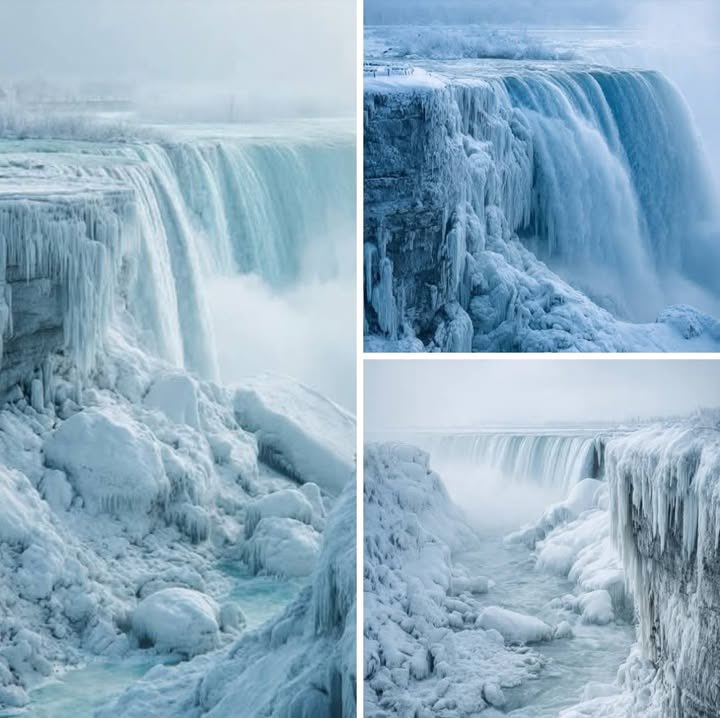
A powerful winter storm dropped 1-3 feet of snow across the US West Coast. Another round of heavy snow is forecast by @NOAA . Thanks to the satellites and global collaboration, we are able to monitor extreme weather events and keep people safe. Stay alert: https://t.co/7p5ttPV2kF
This is sooooo cool. (Literally)
This is satellite imagery of Lake Superior this morning with the warm-ish (33-35 degree) water hitting the super cold air and forming sea smoke.
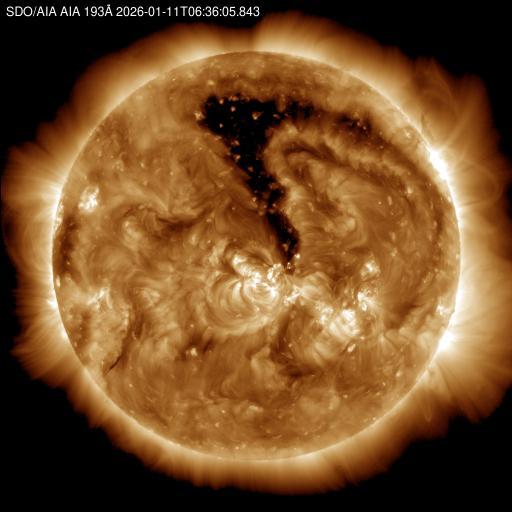
🌋 Kīlauea Eruption Update – January 10 Dome-shaped lava fountains reaching 50 ft (12 m) continue at Halemaʻumaʻu, feeding lava flows from both north and south vents. Overnight, intermittent overflows occurred with only short pauses.
This morning, spattering and volcanic tremor have intensified. Forecast models indicate the window for Episode 40 sustained fountaining is January 10–14, but current activity suggests it could start at any time.
📷 USGS video of Kīlauea activity taken the morning of January 10, 2026. #Kilauea #VolcanoUpdate #Hawaii #Lava
There GOES 2025! We're celebrating with a full disk image in CIMSS Natural Color every day of 2025 at satellite noon (17:00UTC) from @NOAASatellites#GOESEast. Look back at some of the most exciting weather events (from GOES) on the CIMSS Satellite Blog: https://t.co/KtIKKgqYiC
Today is the December solstice at 15:03 GMT/16:03 CET.
This @eumetsat MTG‑I1 image from 19 December 2025, 06:00 GMT, shows Earth’s day–night terminator tilted near its annual maximum of about 23.5°.
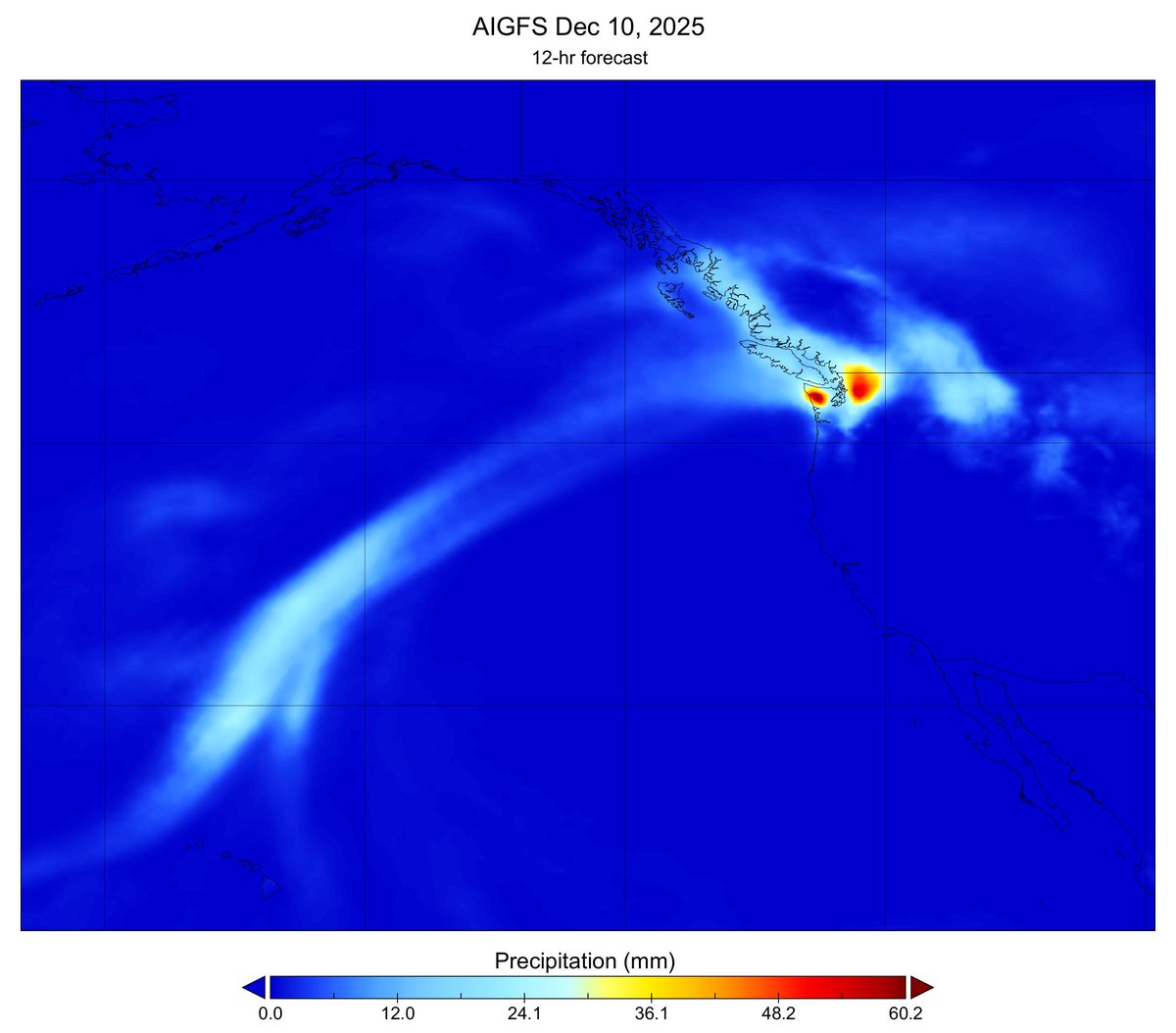
Today, we're rolling out a new suite of AI-driven global weather models, including a "first of its kind" hybrid ensemble system! Want to get geeky with us? Come check it out:
https://t.co/Bj8LAxGajb