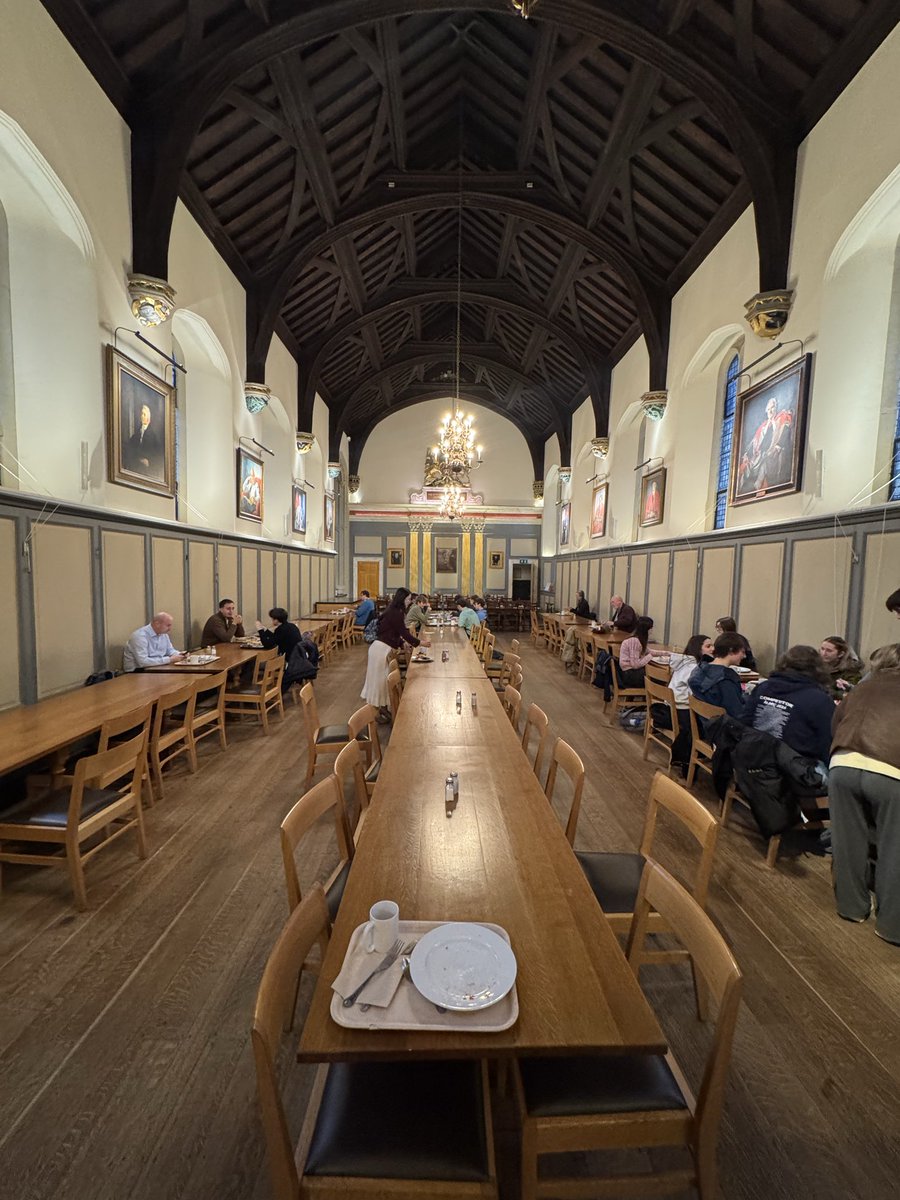
This morning I had breakfast in a dining hall at Jesus College (Cambridge University in the UK) that was built in 1496 - today I’ll be visiting the Cambridge Institute for Medical Research and giving a talk on @HMSBioPlex. Thanks to @LabWeekes for the invitation!
It’s been a great few days in San Francisco attending the 14th Symposium on Structural Proteomics! I’m looking forward to presenting my own work on @HMSBioPlex later this morning. Thanks to the organizers for all their hard work!
In our paper “The mechanism of cysteine sensing by LRRC58,” we identify LRRC58 itself as a direct cysteine sensor and determine how it works to control cysteine homeostasis.
https://t.co/MsKSG73B8k
The Shuken Lab is opening @hkust in January 2027! Looking for people at postdoc, grad student, and RA levels to help us fight brain aging and neurodegenerative diseases with chemical biology and proteomics!
https://t.co/X21Z7RxctI
Check out this awesome paper - and accompanying tweetorial - from @van_der_waals22, a top-notch MD-PhD student in the @GygiLab who has led this investigation into the structural determinants of kinase specificity!
First author here. In building our structural atlas, we set out to answer several questions:
(1) How do ~500 kinases find the right targets among 1.8 million potential phospho-acceptors in a heterogeneous cellular milieu?
(2) Why do some kinases phosphorylate seemingly thousands of substrates, while others may phosphorylate fewer than ten?
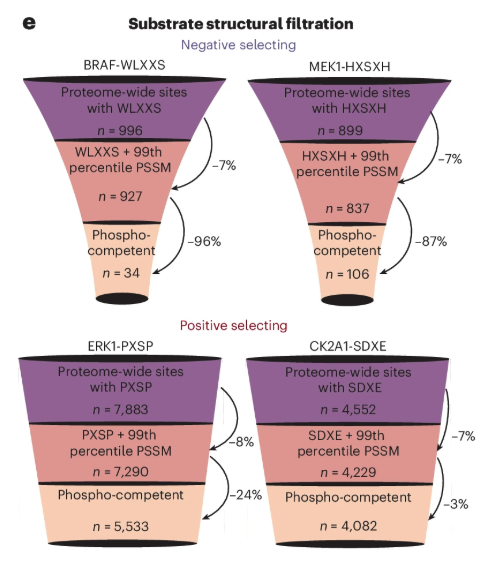
(3) Do short recognition motifs encode their own structural presentation, thus conferring predisposition to being phosphorylated?
An unexpected organizing principle emerged. Some kinases prefer motifs that naturally occupy exposed, phospho-permissive microenvironments (structural phospho-competency), giving them broad access across the proteome. Others prefer motifs that are typically buried within ordered protein structures, rarely reaching the protein surface let alone the active site of a kinase without significant structural rearrangement.
We call this sequence–structure selective coupling: some kinases gain broad activity through structural availability, whereas others achieve exquisite specificity through structural scarcity.
We are excited to share a new preprint from our amazing postdoc @alexjbott ! Alex designed a new CRISPR screening platform called TRoUT-FISH to identify transcriptional activators and repressors of various genes of interest! Check out his tweetorial below!
Happy to share our new preprint from @RutterLab. To understand how genes are controlled, we developed a method we call TRoUT-FISH, using CRISPR + RNA-FISH. We found that glycolytic gene expression is fine-tuned by lineage specifying transcription factors.
https://t.co/U3Hi1Ovozn
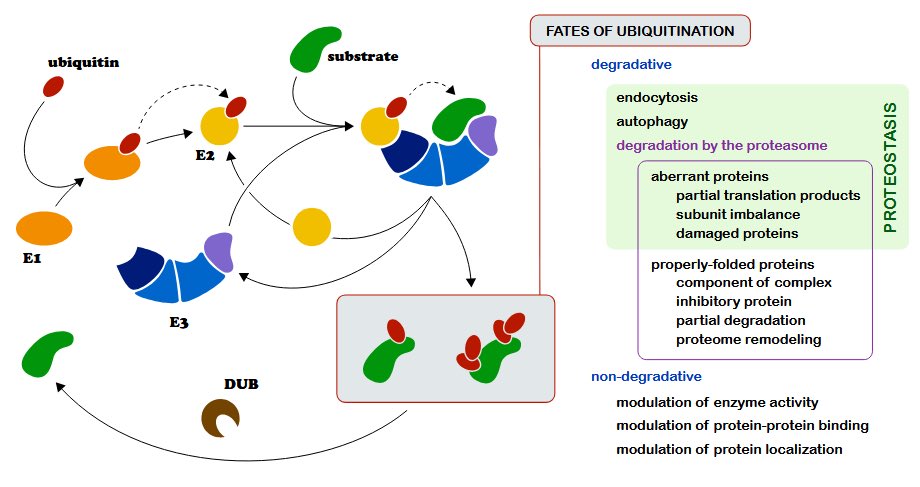
If you’re at #ASMS2026, stop by poster 649 today to hear about the latest developments in the BioPlex project! This time I’m focusing on what BioPlex can teach us about the ubiquitin-proteasome system.
#ASMS2026 is now under way! If you’re here, don’t miss these talks and posters from @GygiLab members this week. See you there!
Thanks to @AmandaLSmythers for the nice graphic!
To better understand the ubiquitin-proteasome system, Suzanne Elsasser, Dan Finley, and the Human Proteostasis Consortium have systematically surveyed its components:
https://t.co/xkmGJeK9rl
I would encourage you to check out this valuable resource! @harvardmed
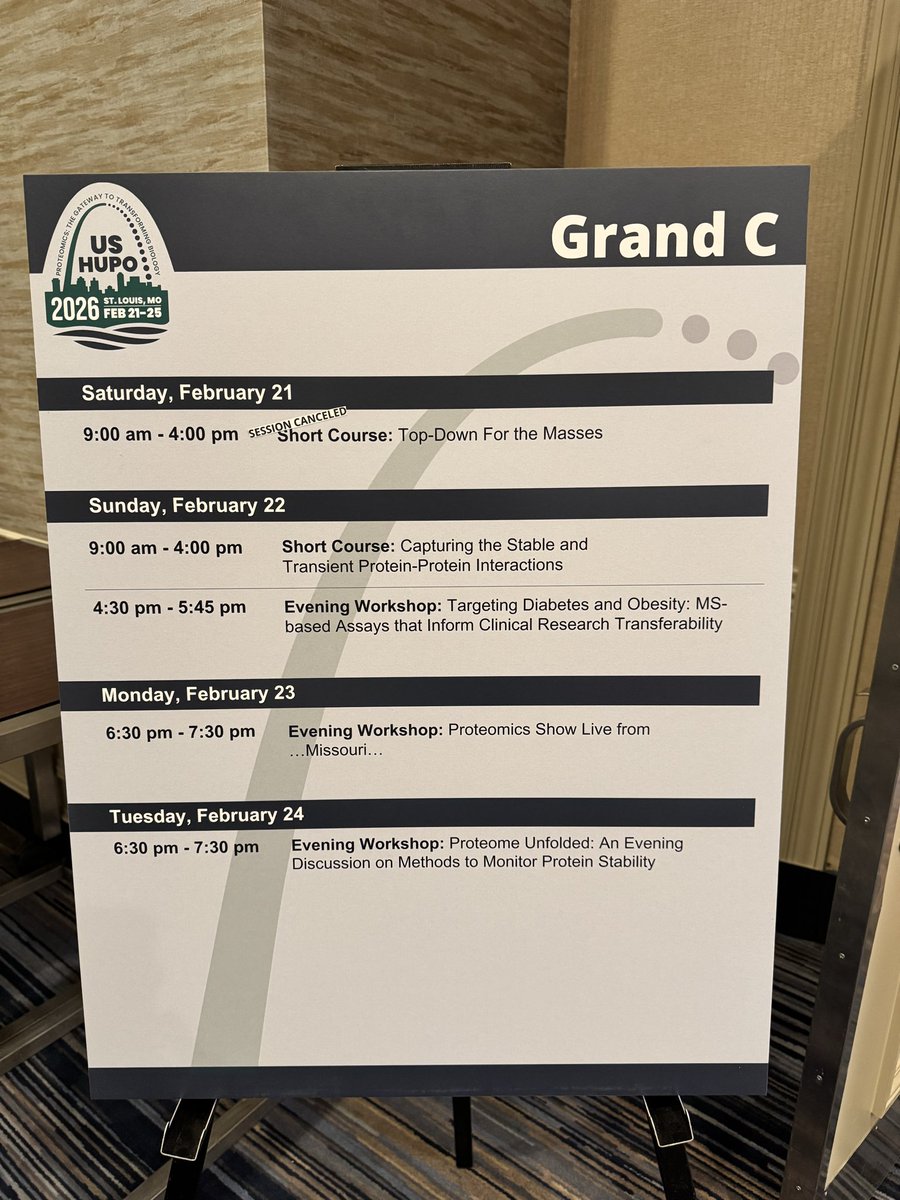
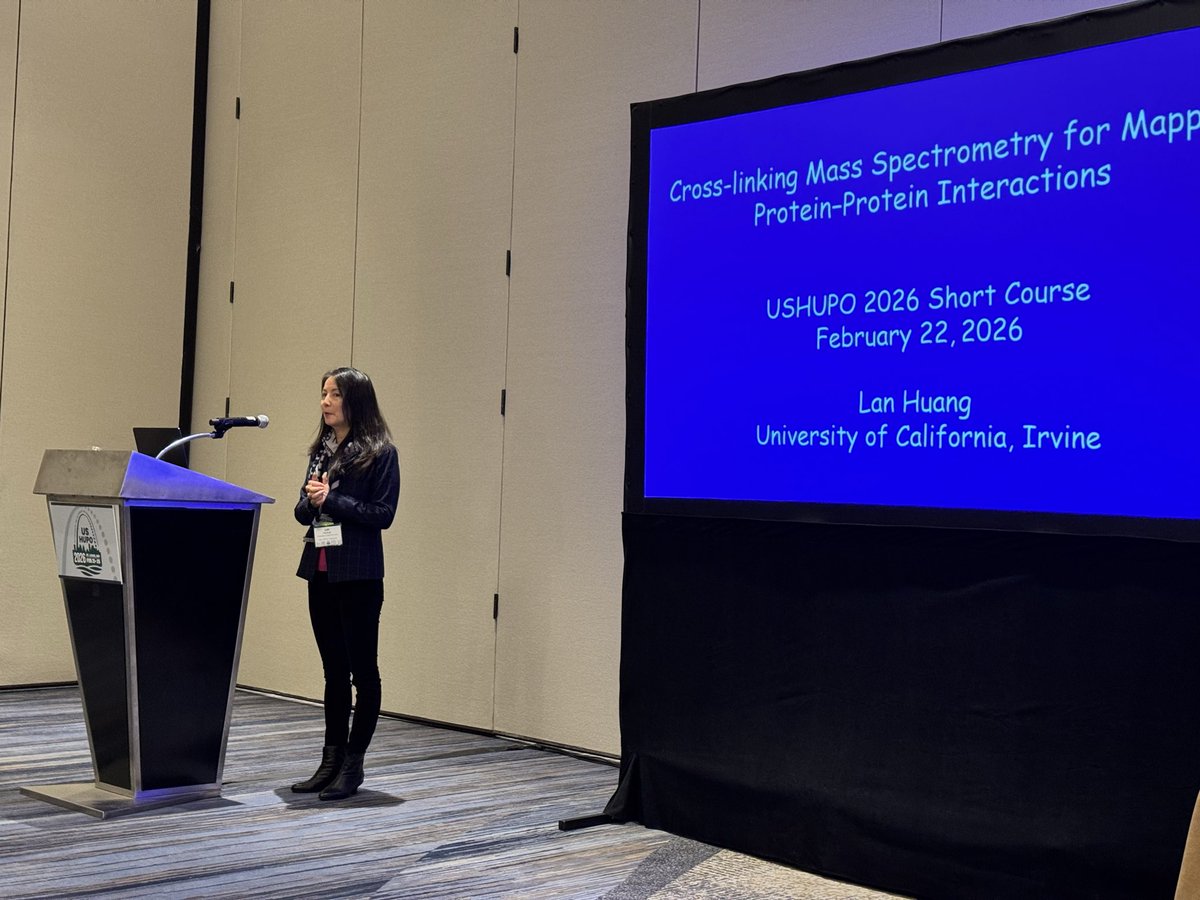
This morning’s course on studying protein-protein interactions is well on its way at #USHUPO2026! I just wrapped up my talk on AP-MS, and now Lan Huang is talking about crosslinking MS. This afternoon Ling Hao will be talking about proximity labeling as well. @us_hupo
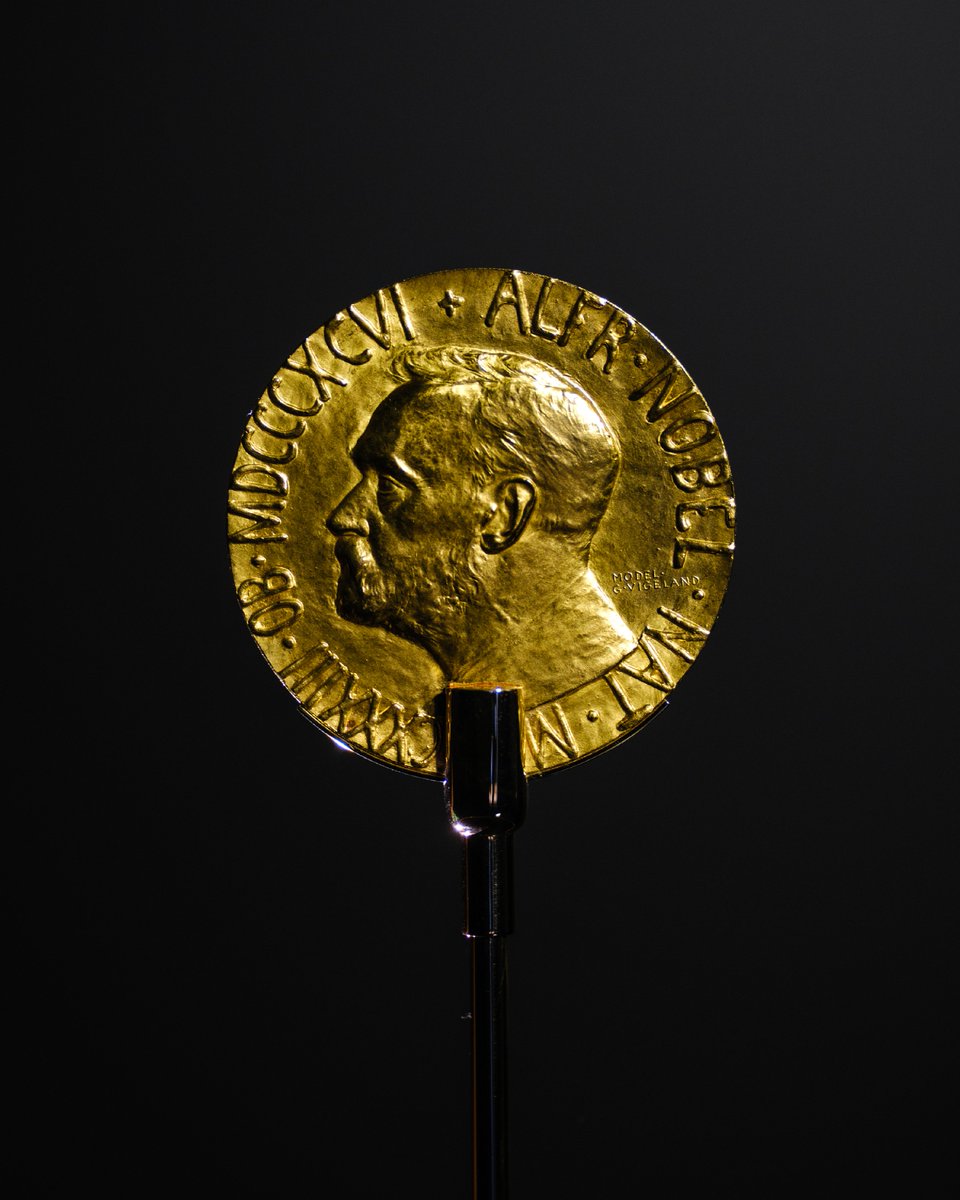
The #NobelPeacePrize medal.
It measures 6.6 cm in diameter, weighs 196 grams and is struck in gold. On its face, a portrait of Alfred Nobel and on its reverse, three naked men holding around each other’s shoulders as a sign of brotherhood. A design unchanged for 120 years.
Did you know that some Nobel Peace Prize medals have been passed on after the award was given? A well‑known case is Dmitry Muratov’s medal, which was auctioned for over USD 100 million to support refugees from the war in Ukraine.
And the medal displayed at the Nobel Peace Center is actually on loan and originally belonged to Christian Lous Lange, Norway’s first Peace Prize laureate.
But one truth remains. As the Norwegian Nobel Committee states: “Once a Nobel Prize is announced, it cannot be revoked, shared, or transferred to others. The decision is final and stands for all time.”
A medal can change owners, but the title of a Nobel Peace Prize laureate cannot.
Unexpected Kid Math Question: how many digits of pi do you need to look at to find the series “67”?
Answer: 100
If you’ve been wondering, you’re welcome!
Dear American friends, Europe is your closest ally, not your problem. And we have common enemies. At least that’s how it has been in the last 80 years. We need to stick to this, this is the only reasonable strategy of our common security. Unless something has changed.