✍️Writing a bio of The Healer from the Arabian Peninsula • Faculty, Georgetown + Columbia University • Senior Fellow, Council on Foreign Relations (CFR).
The French-American painter Gerard Mossé daily perfects his art.
‘What are you looking for?’ I asked.
The great New Yorker paused.
‘A feeling,’ he replied.
‘Why do feelings matter?’ I asked.
‘What else is there?’ he said. Silence.
In a unconscious rebuke to Descartes, Mossé asked, ‘How else do you know you’re alive?’
Artificial intelligences do not undergo experiences, do not possess a body, do not feel joy or pain, do not mature through relationships, and do not know from within what love, work, friendship or responsibility mean. Nor do they have a moral conscience, since they do not judge good and evil, grasp the ultimate meaning of situations, or bear responsibility for consequences. They may imitate or even simulate, but they do not understand what they produce, for they lack the affective, relational, and spiritual perspective through which human beings grow in wisdom. #MagnificaHumanitas
I am sorry to disappoint you sir. Yes, Hormuz sits inside Iran’s and Oman’s territorial seas. That overlap is exactly why UNCLOS gave it transit passage, not innocent passage. Transit passage is non-suspendable and cannot be ‘regulated’ to screen ships by who their friends are. It is not a menu Iran gets to order from. And your customary-law point is precisely what binds non-party Iran to transit passage, the very same ground the US relies on as a non-party.
Iran International (@IranIntl) is a vital lifeline of information for people inside Iran. This is why the Islamic regime has sought to silence it — including through terrorism. Shameful to see the Financial Times (@FT) attempt to smear it. The IRGC would be proud.
Children born in conflict have their childhood stolen from them. But give them a bit of it back, and they make the most of it. Today, the IRC and the LEGO Foundation are committing $97 million over five years to do exactly that — bringing play-based early learning to 5 million children across East Africa and the Middle East.
Over the past year, we sat down with 359 Americans across 29 states to ask a simple question: What do they actually want from U.S. foreign policy?
Their answers were remarkably consistent and cut across party lines. CFR Senior Fellow @RebeccaLissner explains that Americans want strong global leadership from the United States, but on their terms.
On the Day of Arafah, the deepest meanings of mercy and divine generosity shine through. It is a day when the hearts of believers unite in prayer, turning to the Most Generous, the Most Forgiving, the Most Merciful. May Allah accept the Hajj of the pilgrims of His Sacred House, and accept from all of us our righteous deeds.
Note to angry folk here: I don’t believe in the flawed democracy vs. dictatorship binary. The world is more nuanced and complicated. The Arabian Peninsula is not a dictatorship. The social contract is different. Not all need be Jeffersonians.
UAE, Bahrain, Morocco showed Israel that peace is possible.
Now for Israel to gesture back that it too can cross the Rubicon and find a pathway to a Palestinian home.
Saudi Arabia is the prize for peace.
Iran’s grand strategy fails.
Over to Israel.
Show us a better world.
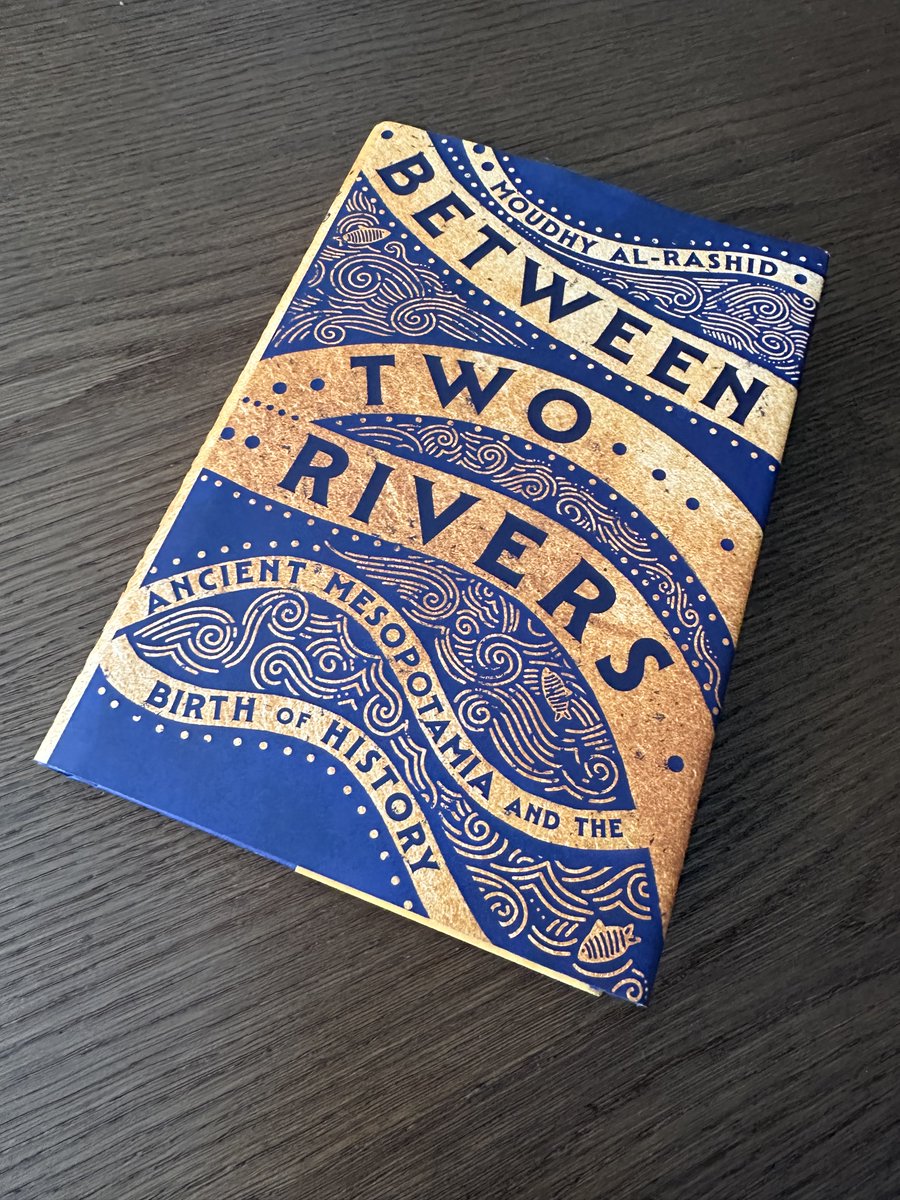
From inventing writing to wheels, civilization born in the lands of the proto-Arabs — search for immortality, Gilgamesh, Noah, and history before the Egyptians, Greeks, and Persians. Read:
Silly tweet as several Arabian nations have pioneered normalization, but more importantly Saudi vision for a Palestinian homeland is being ignored again at our peril. Israeli public opinion needs to shift.
The bill for American action has arrived at the Saudi door. Last night, Donald Trump reportedly demanded that in exchange for finalizing the current ceasefire deal with Iran—the one desperately needed to reopen the Strait of Hormuz—the Gulf states would have to pay a massive premium: immediate normalization with Israel. According to my sources, the ultimatum was met with literal silence. The Arab leaders were so thoroughly stunned by the audacity of the request that Trump actually had to break the silence with a follow-up: “Are you still there?”
For months, we have watched a narrative form: Israel deceived the United States into a disastrous war that only empowered Iran. This narrative ignores multiple factors, including but not limited to the fact that it was Trump’s choice, Trump did not follow the Israeli plan, and—perhaps most of all—the presence of another major player calling for war: Saudi Crown Prince Mohammed bin Salman.
In late February, The Washington Post reported that the decision to go to war had been reached after encouragement from two key allies: Israel and Saudi Arabia. Throughout the war, they reinforced this support. A few weeks later, when Trump was claiming that the war would be over in a few days, The New York Times reported that both nations heavily encouraged a continuation of the conflict. Prince Mohammed reportedly argued that the United States should consider putting troops in Iran to seize energy infrastructure and force the government out of power.
But things have changed.
The Saudis never expected to put their core energy infrastructure on the line for this conflict, assuming a covert nod to Washington would yield a painless destruction of the Iranian threat. Instead, the smoking ruins of the Ras Tanura refinery, a staggering $33.5 billion first-quarter deficit, and a hull-to-hull backup in the Strait of Hormuz served as a brutal awakening. With the United Arab Emirates stepping aggressively into the vacuum—gladly absorbing the role of America’s primary, hardline Gulf ally—Riyadh is executing a frantic tactical retreat. For the past month and a half, MBS has been beating a different drum: diplomacy. “Okay,” said Trump last night, but constantly shifting positions comes with a cost: normalization.
This is about far more than Trump extracting a quick return on investment. By demanding normalization as the price for a ceasefire, he is forcing the Saudis to grab Israel’s other arm to physically restrain Jerusalem from striking Iran alone.
It underscores a truth that Trump understood and Obama never did: the most effective way to control Israel isn’t to push them away, but to wrap them in a bear hug. By locking Jerusalem into a close alliance, Washington doesn’t just protect them—it places its hand directly over the Israeli trigger finger. Washington needs its hand over that trigger because Israel has little incentive to hold back when the current deal appears to leave Iran in a stronger position than before.
That is the Iranian impression as well. In The Art of the Deal, Trump writes: “The worst thing you can possibly do in a deal is seem desperate to make it. That makes the other guy smell blood, and then you’re dead.” Sensing American eagerness for a diplomatic off-ramp, Tehran has smelled exactly that, aggressively upping its demands before any Memorandum of Understanding can be printed.
Despite draft stipulations requiring a return to free transit, the IRGC is leveraging its tactical position to normalize a permanent, permission-based transit regime in the Strait of Hormuz—boasting that 33 commercial vessels were forced to register and coordinate with the IRGC Navy in a single 24-hour window. Meanwhile, Iran has flatly rejected a Pakistani compromise to defer unresolved issues, flipping the entire sequencing of the talks by refusing any nuclear-related commitments or stockpiling concessions at this stage. Instead, an emboldened Tehran is demanding immediate economic rewards, including the unfreezing of blocked assets, while conditioning the entire agreement on an “all fronts” ceasefire that would effectively force Washington to strip Israel of its freedom of action against Hezbollah in Lebanon.
At the end of the devastating Iran-Iraq War, Ayatollah Ruhollah Khomeini famously declared that accepting peace was like “drinking a poison chalice.” Today, his successor’s successor, Mojtaba Khamenei, is facing no such bitter brew. Instead, Benjamin Netanyahu is being asked to swallow the fatal mixture this time around. Much to his relief, Donald Trump is trying to mix in a Saudi sweetener to help the medicine go down.
بعض الأحلام يصعب على المرء أن يحلم بها، لو قيل لي قبل 10 أعوام بأنني سأتخرج من جامعة هارفارد الأمريكية بدرجة الماجستير في السياسات والإدارة العامة من كلية جون كينيدي، لظننت أن هذا الأمر من ضرب الخيال! لإيماني التام بالواقعية في الحياة ومعايير الجامعة في القبول الـ"شبه مستحيلة".
اليوم ولله الحمد، أصبح هذا الخيال واقعاً أعيشه. لولا توفيق الله ثم الدعم اللامحدود وخطاب التوصية (Recommendation) من معالي الشيخ د. محمد العيسى، لما تحقق هذا الحلم. تعلمنا منه أن الإبداع لا حدود له، وأن الأحلام يمكن تحقيقها…ولسان حاله يقول "أحلم حُلماً كبيراً ولا تخف".
تعجز كلمات الشكر والثناء أن توفي معاليه حقه، ولأسرتي والدي وزوجتي ووطني العزيز وقيادتنا الرشيدة كلهم جميعاً صادق الدعوات بأن يحفظهم المولى بحفظه ويديم عليهم فضله وجوده. والحمد لله أولاً وأخيراً 🇸🇦🇸🇦🇸🇦