After long research and careful examination, I decided to publish a video on the Reformed’s rejection of middle knowledge; with a specific emphasis on a less deterministic view taught by many Reformed doctors. Take a listen and tell me what you think!
https://t.co/WqbLSQygiQ
Roman Catholics 2026 be like:
"concupiscence of the flesh is formally no sin at all, but watching Inquisitor's video on Jerome as a Romanist is mortal sin"
“[the divine intellect] by intuiting itself in one most simple act, without any composition and division, or discursive reasoning, or any such thing, perceives at one and the same time all the truths of all things as well as their reasons, so now we say that the will of God,-
Calvinists shouldn’t find this problematic. It’s standard Reformed thought.
Here is @EdgarTurrettini explaining it a bit from our video critique of “Tulip.”
@DanielRHyde I didn’t know what to believe at the time since it was just accusations, but I had no idea. This was one of the reasons we withdrew from the URC
@DanielRHyde This is shocking wow. Even I wasn’t aware of the full picture. I do remember a scandal that happened when one of the church members publicly confronted the former pastor for plagiarizing his sermons. It was quietly swept under the rug, and little information was ever displayed.
@DanielRHyde I presume you think it was unwarranted? There was little to no context provided to the congregation; other than it was overbearing to the elders
@theo_bruv@RefRetrieval Precisely. The restoration of those supernatural gifts are then rendered in conversion where those supernatural gifts are actually worked out by the human will in repentance and faith.
@theo_bruv@RefRetrieval Indeed. To elucidate, it is the juncture at which the Holy Spirit imparts the common grace bestowed upon humanity, rendering it fruitful within the human heart by facilitating the removal of its hardness and blindness.
“What does ‘was not imputed’ mean, except: ‘it was ignored [ignorabatur] and not estimated [non putabatur] to be sin’? For neither was it [sin] regarded as though it did not exist by the Lord God himself,” - St. Augustine, On Merit and the Forgiveness of Sins (1.12)


![EdgarTurrettini's tweet photo. “[the divine intellect] by intuiting itself in one most simple act, without any composition and division, or discursive reasoning, or any such thing, perceives at one and the same time all the truths of all things as well as their reasons, so now we say that the will of God,- https://t.co/6eLYJhQYc6](https://pbs.twimg.com/media/F0izeDTaMAAankw.jpg)





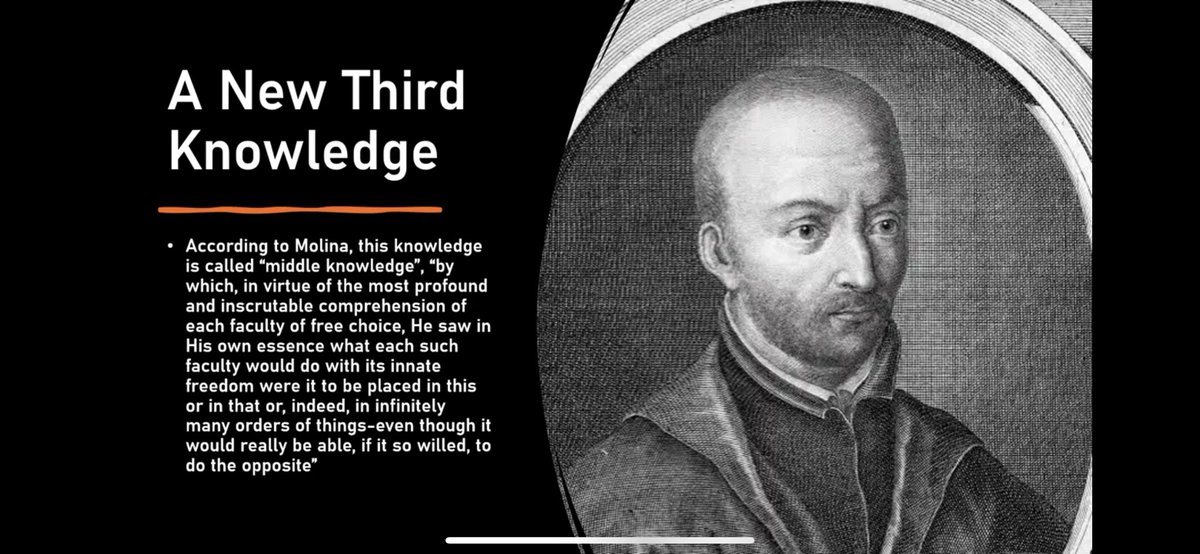


![EdgarTurrettini's tweet photo. “[the divine intellect] by intuiting itself in one most simple act, without any composition and division, or discursive reasoning, or any such thing, perceives at one and the same time all the truths of all things as well as their reasons, so now we say that the will of God,- https://t.co/6eLYJhQYc6](https://pbs.twimg.com/media/F0izeDUaYAAAmxu.jpg)
![logos_asarkos's tweet photo. “What does ‘was not imputed’ mean, except: ‘it was ignored [ignorabatur] and not estimated [non putabatur] to be sin’? For neither was it [sin] regarded as though it did not exist by the Lord God himself,” - St. Augustine, On Merit and the Forgiveness of Sins (1.12) https://t.co/HoEoOErIg6](https://pbs.twimg.com/media/G8444J6XAAAnkS6.jpg)


