If you think your hard soil won’t grow food for you and your family, good news—unless you’re on solid bedrock, most soils can be made fertile with the right inputs, allowing you to grow more food in the space you do have..
First, spread a good amount of homemade compost and mix in a bit of alfalfa pellet fertilizer for organic matter and nitrogen. When the soil is this compacted it can be helpful to do a one time till to help loosen the seedbed, you can skip it but it does help with the next step, which is sowing the cover crop. Try sowing a mix of seeds that can germinate in cold temps like peas/radish/oats and water it in. In four to six weeks it looks like what you see at the end of the video.
The seeds for the cover crop are inoculated with a mix of beneficial fungi and bacteria from the compost to help heal the soil, which will naturally help soften it over time.
Credit: blossomandbranchfarm
Grok said - "
Yes — every ripe fruit that has been properly analyzed contains all nine essential amino acids, even if some are present only in trace (microgram to low-milligram) amounts per 100 g. This has been confirmed in detailed amino-acid profiles of dozens of common and tropical fruits. There are no known fruits that completely lack any single essential amino acid once they reach full ripeness on the tree/vine."
#essentialaminoacids #fruitarian #fruit #CompleteNutrition #aminoacids #freeaminoacids #proteininfruit
Grok says - "Bottom Line (the way it should be taught)
A fully tree-ripened fruit is not a “low-protein” food in any meaningful physiological sense.
It is a pre-digested amino-acid + simple-carb + micronutrient + water package that supplies immediately usable building blocks with almost no metabolic overhead.
The fact that nutrition labels still list “protein ≈ 1 g” and ignore the 500–1500 mg of free amino acids is a relic of outdated analytical conventions — not a reflection of biological reality.
So yes — ripe fruit is “loaded” with bioavailable amino nitrogen. We just use the wrong yardstick when we judge it."
#fruitarian #fruit #CompleteNutrition #aminoacids #freeaminoacids #proteininfruit
I asked grok - what is the true dollar value, per ounce, of all the silver currently in the world relative to the global debt?
grok said - Total global outstanding debt: Approximately $324 trillion USD (Q1 2025, per the Institute of International Finance's Global Debt Monitor). This covers all sectors (public, private, financial).
Above-ground silver stocks: Approximately 1.74 million metric tonnes (cumulative refined production estimate through 2024, per Silver Institute and USGS data; no major upward revision in 2025 reports). This includes all existing silver (bullion, jewelry, industrial).
1 metric tonne = 32,150.7466 troy ounces.
Calculation: Debt per Ounce of Silver
Total ounces of silver: 1,740,000 tonnes × 32,150.7466 ≈ 55.94 billion troy ounces.
Debt per ounce: $324,000,000,000,000 ÷ 55.94 billion ≈ $5,792,000 USD per troy ounce of Silver.
In this scenario—hypothetically liquidating all silver to "cover" global debt—each ounce would fetch about $5.79 million.
Grok admits that all fruit contains all 9 essential amino acids. Way to go!!
From Grok "As discussed previously, fruits from trees contain all 20 standard amino acids, including the nine essential ones, in varying amounts."
Good stuff! Thank God for taste buds! Not sure how open minded you are but I do have an insight about a quote you made if you don't mind.
The quote was "Our body functions off of environmental signals more than we realize. We function differently in different seasons, so eating seasonally and locally helps our body process and utilize food fuel more efficiently."
Eat local and in season has become a mantra in the healthy eating movement but what if the real skinny is that when we eat fruit from different regions we are signaling our local environment to move climatically in the direction of a more balanced temperature so that we can eat local all year. Maybe we help the temperature of the planet balance so fruit can be grown year around across the globe. For me it just makes sense that the Creator of Life would provide vibrational pathways we can take that will provide for fresh, ripe, naturally grown fruit to be grown locally year around.
Just my 2 cents. Great post and keep up the good work!
Fruits have the highest electromagnetic energy than any other food, raising your field of awareness (consciousness) Regular consumption of biophotons will start to open up dormant energy channels within the body, assisting the lymphatic/nervous system (they’re all interconnected-
EDIBLE WEEDS - NUTRITIONAL POWERHOUSES
Look familiar? Anyone who has had any disturbed bare soil around their house for any length of time most likely knows exactly what this is.
Purslane (Portulaca oleracea) is a leafy green vegetable often considered a weed but is highly nutritious and offers numerous health benefits:
Rich in Omega-3 Fatty Acids, Purslane is one of the best plant-based sources of alpha-linolenic acid (ALA), an omega-3 fatty acid that supports heart health, reduces inflammation, and may lower the risk of cardiovascular diseases.
Antioxidant Powerhouse: It contains high levels of antioxidants like vitamins A, C, and E, as well as glutathione and betalain, which combat oxidative stress, protect cells from damage, and may reduce the risk of chronic diseases like cancer and heart disease.
Anti-Inflammatory Properties: Compounds like omega-3s and antioxidants help reduce inflammation, potentially aiding conditions like arthritis or metabolic syndrome.
Supports Bone Health: Purslane provides minerals like calcium, magnesium, and potassium, which are essential for strong bones and may help prevent osteoporosis.
Boosts Immunity: Its high vitamin C content strengthens the immune system and promotes collagen formation for healthy skin and tissues.
Heart Health: Potassium and omega-3s help regulate blood pressure and improve cholesterol levels, supporting cardiovascular health.
Potential Anti-Diabetic Effects: Some studies suggest purslane may improve insulin sensitivity and lower blood sugar levels, beneficial for diabetes management.
Weight Management: Low in calories (about 16 kcal per 100g) and high in fiber, purslane promotes satiety, aiding in weight control.
Skin and Eye Health: Vitamin A (in the form of beta-carotene) supports healthy vision and skin, while antioxidants protect against UV damage and aging.
Where Purslane Can Be Found -
Wild Growth: Purslane thrives in warm climates and is commonly found in gardens, lawns, sidewalks, and disturbed soils worldwide, often growing as a weed. It prefers sunny areas with well-drained soil.
Cultivated: Available at farmers' markets, specialty grocery stores, or grown in home gardens. It’s easy to cultivate, requiring minimal water and thriving in poor soils.
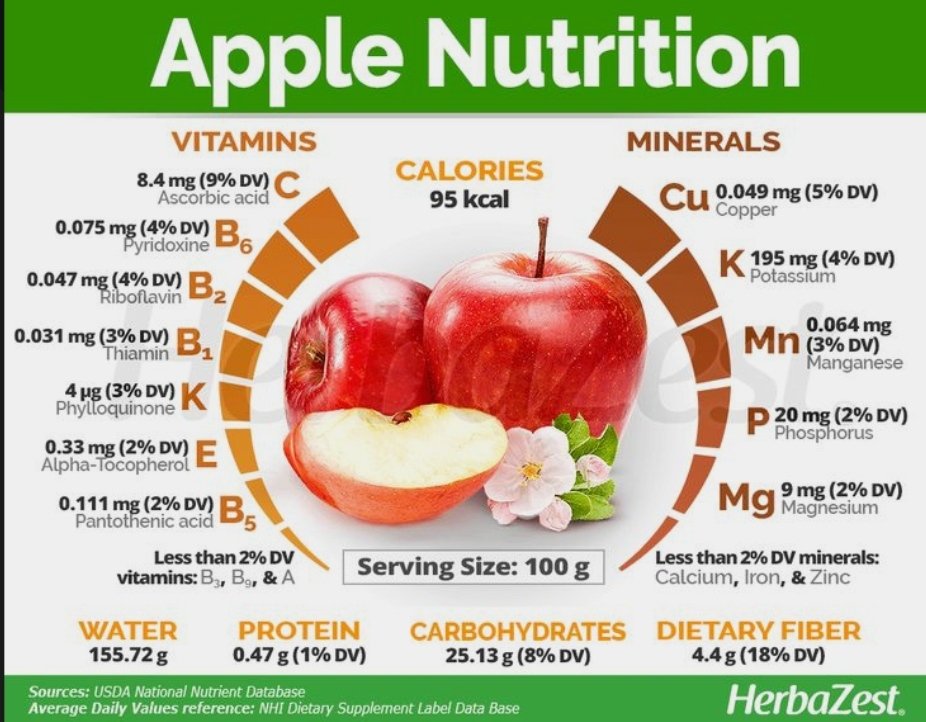
'Eat Fruits Daily' is a common advice we hear from our doctors and nutritionists. Actual implementation however is rare.
4 commonly available fruits with nutritional values to realize that fruits are the 'Powerhouses of Nutrition' in true sense and we must eat fruits regularly.