A4: I think its important to remember that even though the science of reading is clear, it’s implementation is very messy at times. Continuing to uplift bright spots and best practices regarding implementation keeps the focus on the real work of improving outcomes. #elachat
Dyslexia is real. The "Say Dyslexia" law is important and right. At TDOE we are proud to support the whole child and focus on the science of reading for all students.
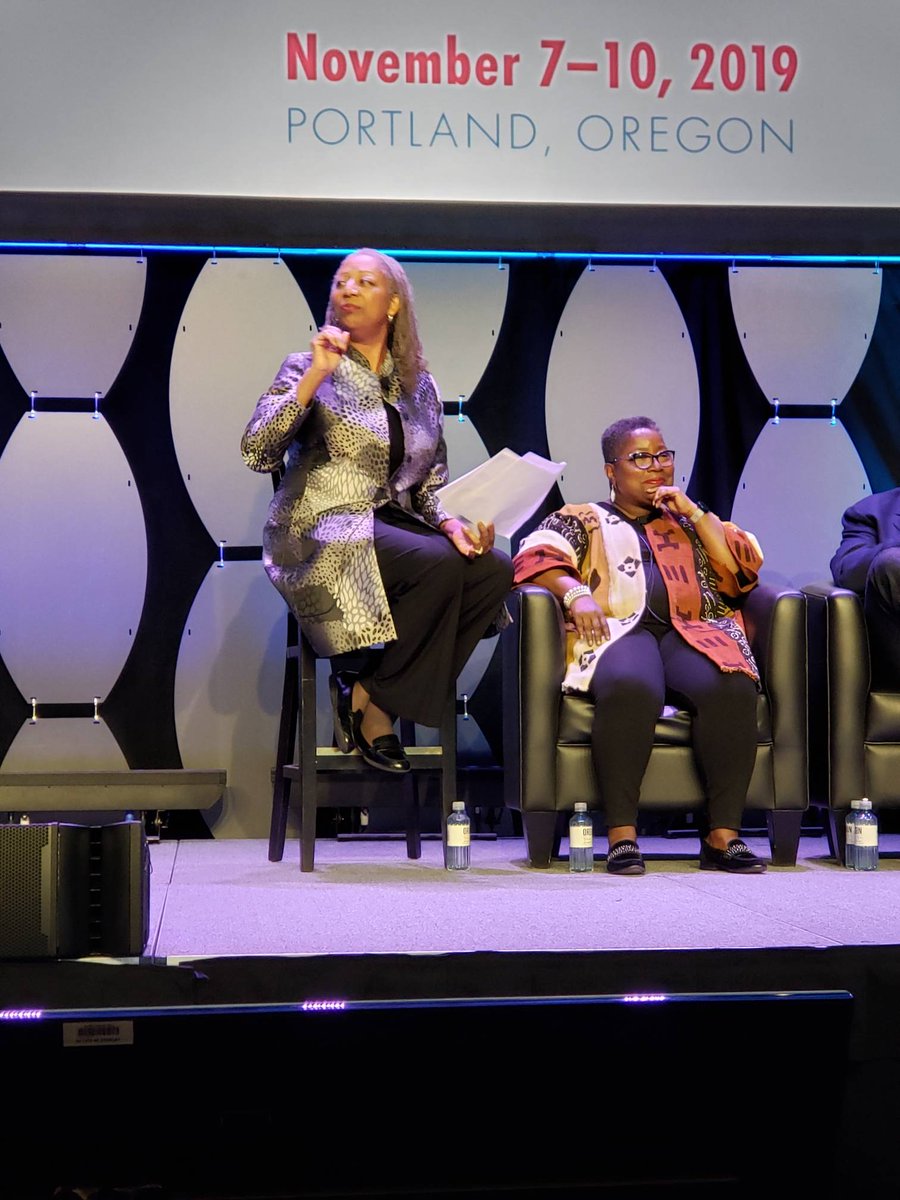
Reading comprehension is a product of good instruction in word reading, world knowledge, vocabulary, and practice reading, etc, Sharon Vaughn, #dyslexiacon19
I hope you can join me for a webinar on dyslexia this Wednesday. If you can't attend "live" you will have access to the recording (and handouts and a related blog!) afterward. #DyslexiaAwarenessMonth@MHEducation
https://t.co/z25DFtAEaZ
"Learning to read can seem almost magical. But it’s not.
English is an alphabetic language. Teaching students the basic letter–sound combinations gives them access to sounding out approximately 84% of
the words in English print." New brief from @ILAToday https://t.co/IFkcgOgXVC
"People think that phonics is about kids memorizing rules. In fact, it's about the patterns.
Once kids learn the patterns, they follow them, and decoding skills follow."
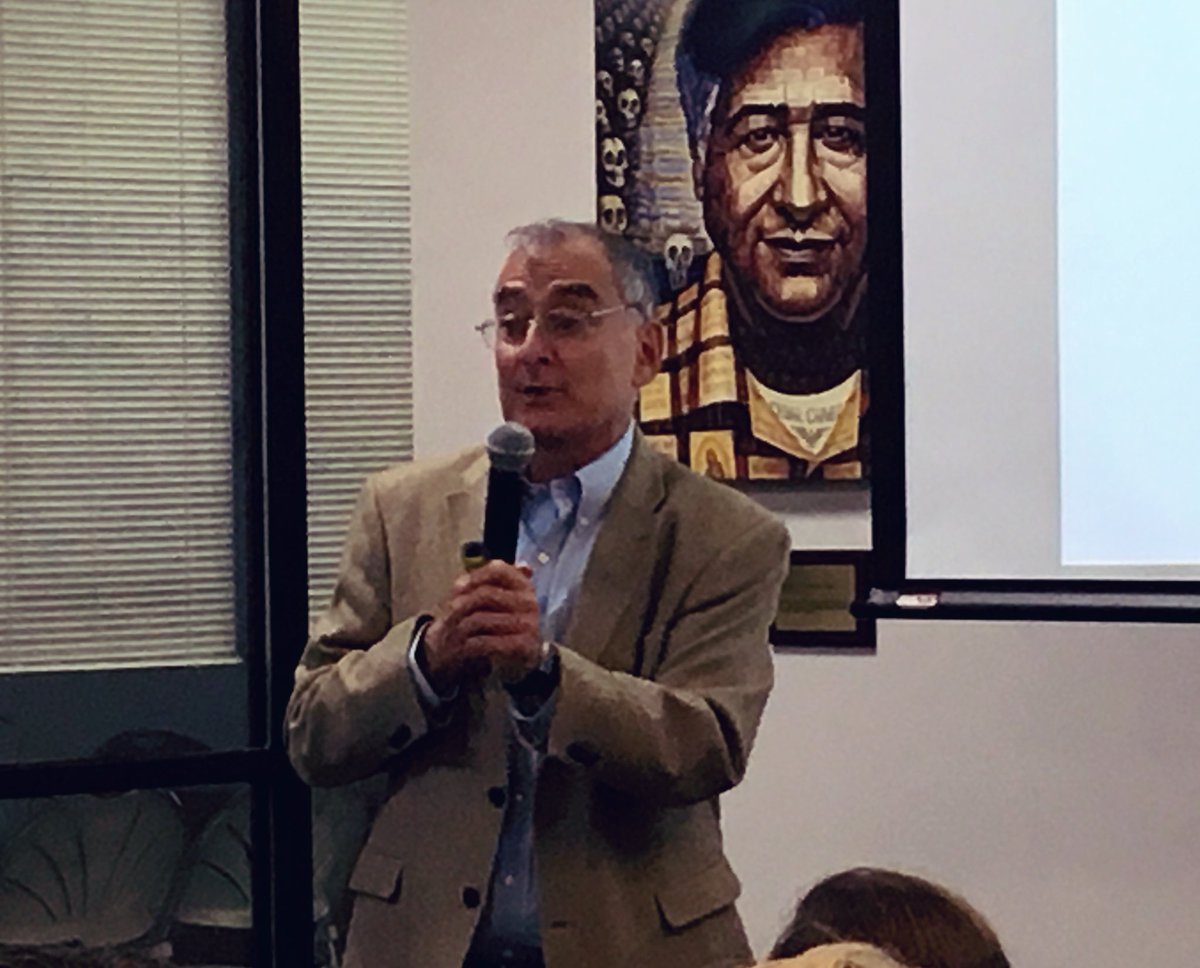
– David Liben of @achievethecore, discussing nuances of phonics with our #ARCCore team
#CurriculumMatters
Happy Birthday to this article! Published in @PsychScience 1 year ago today. If you haven't read it and you're a teacher or interested in how kids learn to read, I highly recommend. You could spend a year going down a rabbit hole following the citations. https://t.co/f5DWaMjYme
I think we are all quoting @JaredMyracle’s remark: "For school and district leaders, the hard part about reading instruction is leading a highly effective implementation and sticking to the plan long enough for the work to have a meaningful impact." https://t.co/jcR8dKaEmj
This is such an important question and we all need to be ready to help teacher educators "support ed's as they come up a learning curve on the 'science of reading'". @reading_league
New Podcast Episode via @GleanEducation! We talk to Dr. Erin Washburn @WashburnBingU about her research into #teacher knowledge and how we can work to support teacher understanding of basic constructs of #literacy. https://t.co/F7yng2YuVJ #Podcast#edutwitter#literacy
Interested in screening for reading difficulties in your classroom, but don't know where to start? Dr. Nadine Gaab from @Harvard Medical School sat down with us to point us in the right direction. Listen here! #dyslexiaawareness#reading#schooldistricts https://t.co/0Z7KoU46Rx
"I've never met a kid who didn't want to learn to read or a teacher who didn't want their student to succeed." -Nancy Cushin-White Ed.D. @UCSF Tell us your thoughts and let's start working toward a solution! #edchat