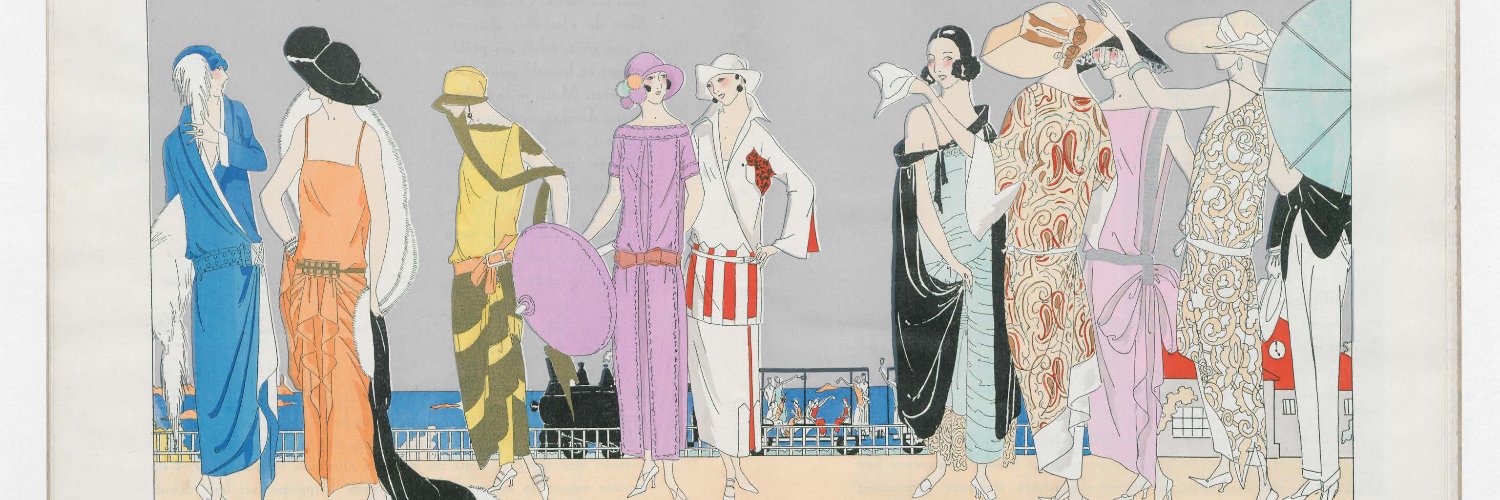
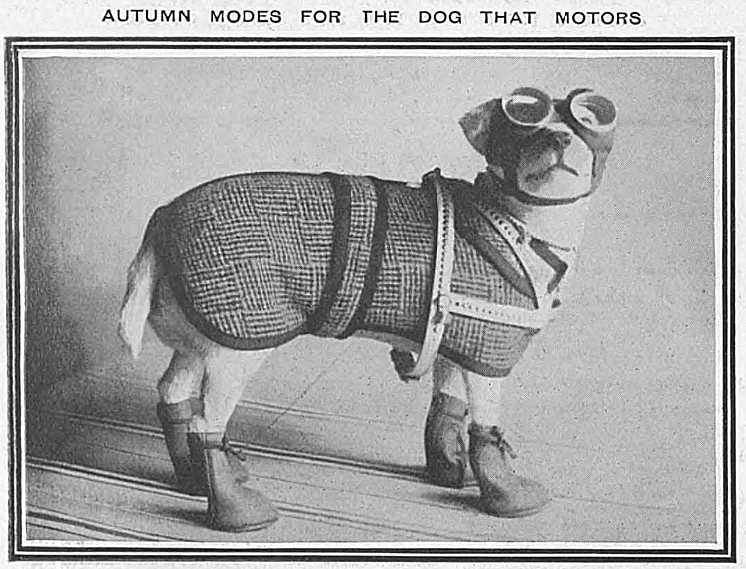
Too long to quote in a tweet and too entertaining to miss a word - @GirlsOwn lays into a chap who has sent in a “somewhat malicious query” and concludes “In any case, men are fully as much slaves of #fashion.”
Bon voyage, Madame X 🖤
John Singer Sargent's portrait that scandalized 19th-century society is temporarily leaving The Met from July 12 through August 2024. Catch her on view before her year-long trip!
Learn more about the beloved painting: https://t.co/v0VKtcm3No
@HottyCouture Thank you for sharing! There are so many more images I couldn't even get into the article-- the whole thing is such a strange moment in history.
I'm excited to share my new article in @JoDesignHistory ! "'Something Really Very Odd and Singularly Appropriate:' The Fashionable Swastika in the US Before 1939" explores the (perhaps surprising) popularity of the swastika in the US before WWII: https://t.co/rlntFFET15
@addressingart I might use "sharply dressed" as a way to get at the idea of being well-starched-- obviously the pun isn't as strong in English, but it gets at some of the idea of being chic, but also stiff
Excited to be quoted in @BBC_Culture about surrealism and fashion:
"Disembodied body parts are a recurring Surrealist motif – one that reflects the early artists' preoccupations," believes Caroline Elenowitz-Hess, a New York-based fashion historian.
https://t.co/wTrtm8KPeK
@SofiaGroopman @BCDreyer I should add, the two words were used pretty much interchangeably in fashion press of the period, although sequin is typically used for smaller ones, paillette for larger. Based on the reflection, I would call it a square sequin, but paillette would not be incorrect.
NEW ESSAY — “Proust's Pinks”, in which Christopher Prendergast, a century after Marcel Proust’s death, celebrates the author's use of the colour pink in À la recherche du temps perdu: https://t.co/ZeWm2qEGxo #Proust100