واضح إن خدمة العملاء في اتصالات مصر وTOD قرروا يخترعوا نوعًا جديدًا من خدمة ما بعد البيع... اسمه: "لف العميل لحد ما يزهق".
اشتركت في خدمة TOD عن طريق اتصالات مصر، ومن يومها وأنا داخل في ماراثون لا ينتهي بين "استنى"، و"هنكلمك"، و"المشكلة تحت المراجعة"،
@EtisalategyptE
@EtisalategyptE قولت أكيد فيه جهات تحمي حق المستهلك. قدمت شكاوى للجهاز القومي لتنظيم الاتصالات، وقدمت شكاوى لجهاز حماية المستهلك... والنتيجة؟ صفر كبير.
المؤلم مش إن الخدمة فيها مشكلة، ده وارد مع أي شركة. المؤلم إن مفيش حد بيتحمل المسؤولية، ومفيش جهة قدرت ترجع حقي أو حتى تلزم الشركات ترد رد محترم
@EtisalategyptE لما العميل يفضل يلف بين شركة وشركة وجهة رقابية وجهة حماية، وفي الآخر يخرج بنفس المشكلة...يبقى طبيعي يحس إن الشركات أصبحت تتصرف وكأنها لاتُحاسب، وإن المواطن هو الحلقة الأضعف دائمًا.
كل اللي كنت عايزه خدمة دفعت تمنها، أو استرداد حقي، أو حتى اعتذار محترم. لكن يبدو إن ده بقى طلب كبير
@EtisalategyptE وفي النهاية... لا خدمة شغالة، ولا حل، ولا حتى اعتراف إن فيه مشكلة من الأساس.
تواصلت مع اتصالات مصر... رجعوني لـ TOD.
تواصلت مع TOD... رجعوني لانتظر الرد.
وفي الآخر أنا الوحيد اللي بيدفع فلوس ووقت وأعصاب.
This 2-hour Stanford lecture breaks down how models like ChatGPT and Claude are actually built, clearer than what many people in top AI roles ever get exposed to.
Save this and set aside two hours today. It might end up being the most valuable thing you learn all week.
@favleader كلام حضرتك سليم، بس هو للاسف محدش هيقدر يستحمل يعمل كدا، وتأثيره اكيد سلبي لان قدامه طريق سهل جدا يوصله للي محتاجه واول ما هيحس إن الدنيا بقت صعبه معاه هيستخدم ال AI
If you want to get into data science or machine learning, you should know Linear Algebra.
And this beginner-friendly course will give you a solid foundation.
Tatev covers key prerequisites, then dives into vectors, linear systems, matrices, and more.
https://t.co/ddVKJvsIIn
𝗧𝗵𝗲 𝘁𝗲𝗰𝗵𝗻𝗶𝗾𝘂𝗲 𝘁𝗵𝗮𝘁 𝗶𝗻𝘁𝗲𝗹𝗹𝗶𝗴𝗲𝗻𝘁 𝗽𝗲𝗼𝗽𝗹𝗲 𝘂𝘀𝗲 𝘁𝗼 𝗼𝘂𝘁𝗽𝗲𝗿𝗳𝗼𝗿𝗺
Howard Marks defines second-order thinking, or what he refers to as second-level thinking, in his outstanding book "𝘛𝘩𝘦 𝘔𝘰𝘴𝘵 𝘐𝘮𝘱𝘰𝘳𝘵𝘢𝘯𝘵 𝘛𝘩𝘪𝘯𝘨."
𝗙𝗶𝗿𝘀𝘁-𝗼𝗿𝗱𝗲𝗿 𝘁𝗵𝗶𝗻𝗸𝗶𝗻𝗴: It's the immediate reaction to a situation, often based on surface-level observations. "This decision will lead to X."
𝗦𝗲𝗰𝗼𝗻𝗱-𝗼𝗿𝗱𝗲𝗿 𝘁𝗵𝗶𝗻𝗸𝗶𝗻𝗴: This delves into the next consequences of that initial decision. "If X happens, then Y might follow."
What are the ways we can put second-order thinking into practice:
𝟭. 𝗦𝘁𝗮𝗿𝘁 𝘄𝗶𝘁𝗵 𝗦𝗲𝗹𝗳-𝗤𝘂𝗲𝘀𝘁𝗶𝗼𝗻𝗶𝗻𝗴: After deciding or judging, ask yourself: "And then what?" This simple question can uncover the next layer of consequences.
𝟮. 𝗩𝗶𝘀𝘂𝗮𝗹𝗶𝘇𝗲: Create a visual representation of your decision. Start with the primary outcome in the center, then branch out to secondary, tertiary, and further consequences.
𝟯. 𝗖𝗵𝗮𝗹𝗹𝗲𝗻𝗴𝗲 𝘆𝗼𝘂𝗿 𝗮𝘀𝘀𝘂𝗺𝗽𝘁𝗶𝗼𝗻𝘀. Play devil's advocate.
𝟰. 𝗦𝘁𝘂𝗱𝘆 𝗣𝗮𝘀𝘁 𝗗𝗲𝗰𝗶𝘀𝗶𝗼𝗻𝘀: What unforeseen consequences arose?
𝟱. 𝗘𝗻𝗴𝗮𝗴𝗲 𝗶𝗻 𝗚𝗿𝗼𝘂𝗽 𝗧𝗵𝗶𝗻𝗸 𝗧𝗮𝗻𝗸𝘀: Organize brainstorming sessions where team members explore the potential outcomes of a decision. Collective thinking often reveals consequences an individual might overlook.
𝟲. 𝗨𝘀𝗲 𝗗𝗲𝗰𝗶𝘀𝗶𝗼𝗻 𝗧𝗿𝗲𝗲𝘀: These tools help you map out every possible decision outcome, visualizing the path of consequences.
𝟳. 𝗥𝗲𝗳𝗹𝗲𝗰𝘁: Set aside weekly or monthly time to reflect on your decisions. Consider what went as expected and what unforeseen consequences arose.
Second-order thinking can be used in software engineering. Before implementing a new software feature, consider how users will adapt or misuse it. How will it impact system performance or security?
#personaldevelopment
🔥 TypeScript Tip 🔥
Checking out TS codebases like @excalidraw's has been so enlightening - especially how many of them are using 'as const' over enums.
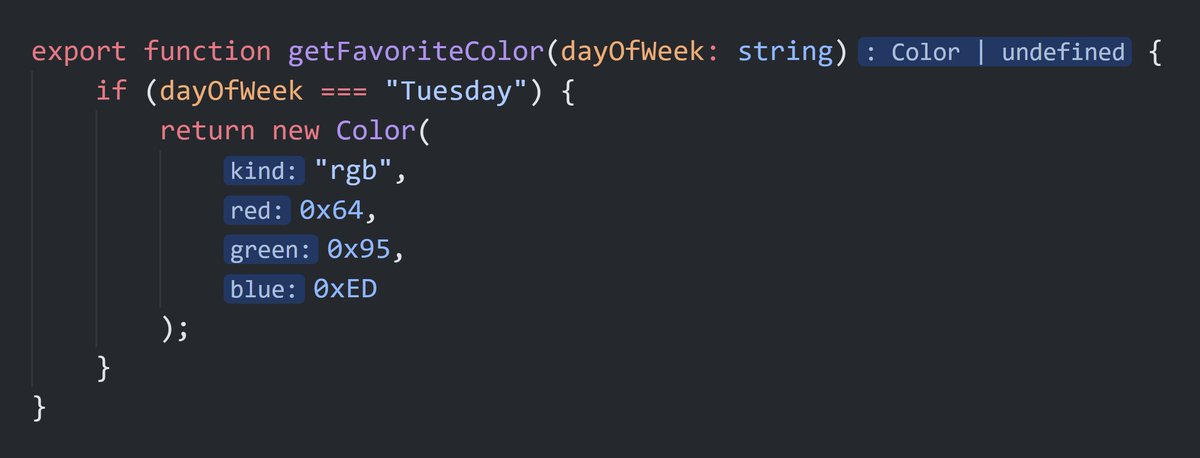
TypeScript 4.4 is here!
Now with
✔ Smarter Control Flow Analysis
✔ Symbol & Pattern Indexers
✔ Stricter Checks
✔ Speed Improvements
✔ Inlay Hints
✔ Revamped --help
and more! Read up more on our blog! https://t.co/QF4O3naOO2