I'm:
Biological female & an adult woman. As a child I played mostly with 'boys toys', dressed in trousers/jeans/shorts mostly, I like colour blue. Qualifications incl: Science/ police communication etc. Work in science. Was in the army cadets aged 13-19.
https://t.co/gy3fmEyKd6
ESA/Hubble #Flashback: The Bubble Nebula, also known as NGC 7635, is an emission nebula located 8 000 light-years away Credit: @NASA / @ESA and the Hubble Heritage Team https://t.co/TbBLBn3Y10
Genevieve is studying towards a doctorate in mesoporous catalytic films @uni_cardiff. A sit-to-stand wheelchair, funded by our Chemists' Community Fund, enabled her to keep working in a lab after she lost most of the use of her legs. https://t.co/G9lv58nv15 #EFLDayofDisabilities
Looking for something educational/interesting to watch?
Have a look at my YouTube playlists here for Science/Nature and much more…
-
https://t.co/51G3b2VQc2
La nebulosa de #Orión desde el centro de Madrid con males clásicos de la #astrophotography:
- Contaminación lumínica (cielo naranja...)
- Mala óptica (estrellas borde azulado...)
- Mal seguimiento (estrellas movidas...)
Aun así un placer verla por el telescopio 😀
#astronomy
Have you visited our blue whale?
For almost 130 years, we didn't know much about this animal's life before the Museum.
Researchers are now starting to unravel where and how she lived when she roamed the world's oceans 🐋 https://t.co/rlk23fipZo
#OTD in 2014, Sophie the Stegosaurus was unveiled at the Museum. She's since helped Museum scientists learn about how this dinosaur fed and moved around. This year she was treated to a visit by Sir David Attenborough. He tells us more about Sophie: https://t.co/GVxBkQBG5U
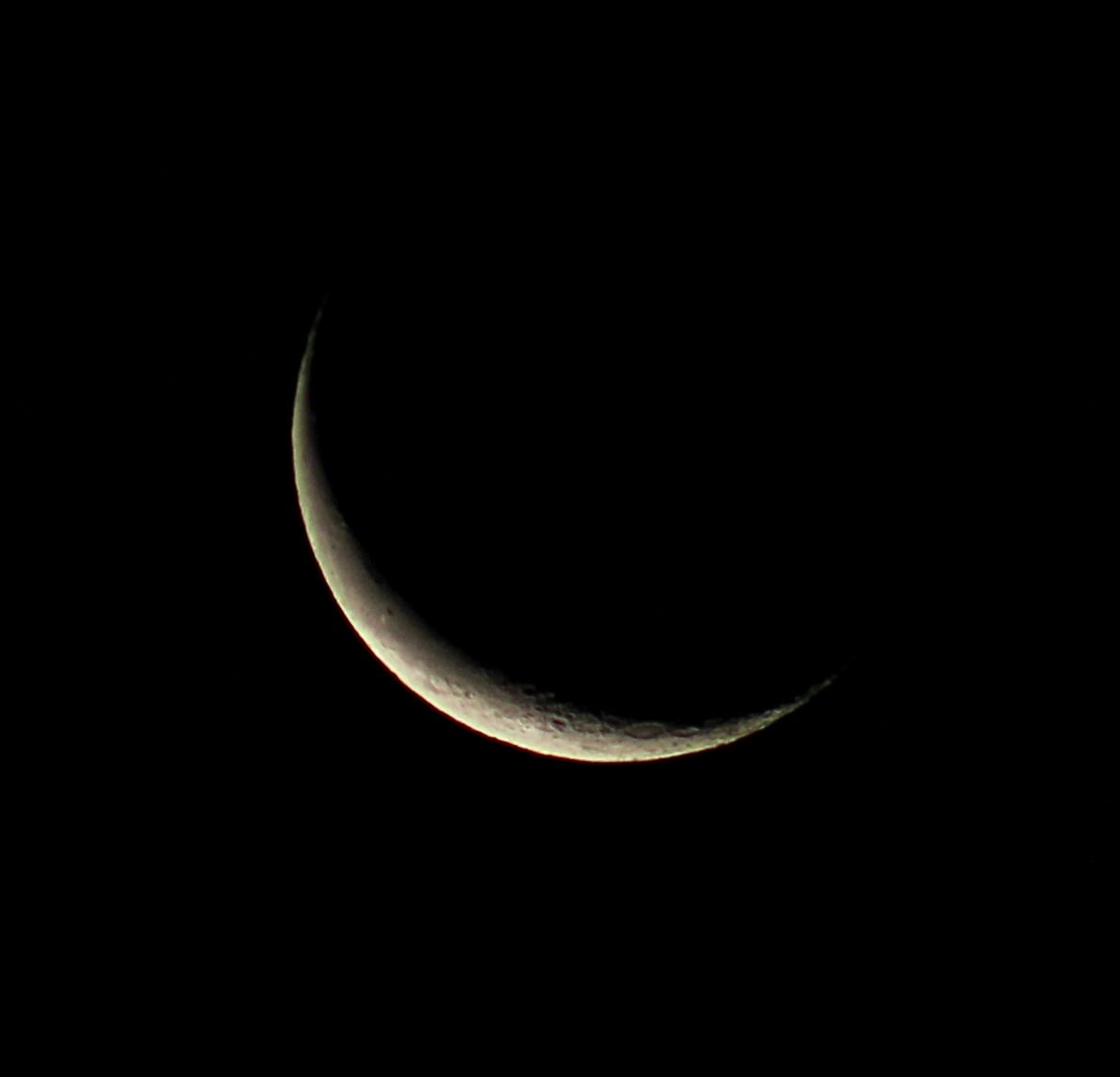
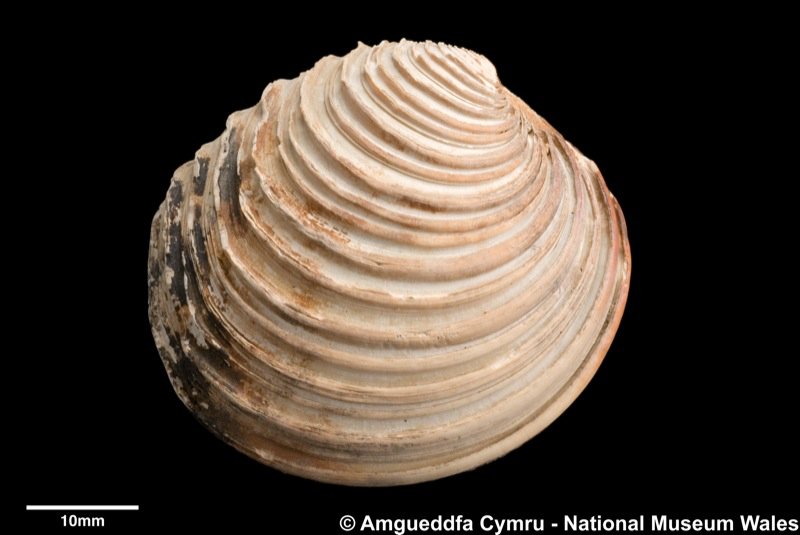
No it isn't the planet Venus (which was clearly visible in the sky today) but the Venus clam, Venus casina, first described by Linnaeus back in 1758! https://t.co/zlaEMz4ad1 #Venus