Medical writer specializing in autoimmune diseases and JAK inhibitors
PhD in Molecular Biology from @Princeton tldr: innate immunity and JAK/STAT signaling🔬
So much type I & III interferon work to share! Take a look at two new papers from my PhD research if interferons or JAK/STAT signaling sound like a good time to you 😊 @PlossLab@toettch@PrincetonMolBio
https://t.co/UmThEBUEeH
https://t.co/TYBzFqMtAM
Why do type I #interferon receptors signal more strongly than type III receptors? The @PlossLab and @toettch lab find that type I receptors harbor a short kinase-binding motif that correlates with greater signaling strength. @PrincetonMolBio#immunology https://t.co/qMZvDl6PRU
Preclinical experiments decipher how a protein promotes antibody responses through NF-kappaB signaling, scientists uncover the source of signaling strength from interferon receptors, and more in this week’s new issue of #ScienceSignaling. https://t.co/QBJrYpvjPb
Incoming viral attack🗡️! Interferon receptors to the defense🛡️, but what exactly is going on inside and outside the cell membrane with Type I & Type III interferon receptors? For some answers, see this explainer of the Mesev, Toettcher, and Ploss paper: https://t.co/7gFi26rXIS
And in an accompanying study, Emily used her synthetic receptors to uncover some interesting differences in JAK requirements for Type I and III interferon receptors!
https://t.co/A9GLvblbgj
Please check out our newest study deciphering diff. in signaling strength betw type I&III #interferon receptors https://t.co/vpXa3UqZCq Outstanding work by @EmilyMesev + fantastic collaboration with the terrific @toettch ! Thanks to everyone involved! @PrincetonMolBio@Princeton
hello world! new results (with @toettch): https://t.co/EhwbUzPuOS
Stem cells can self-organize morphogenesis in vitro w/o spatial patterning cues. But how? We programmed cells to record their signaling histories to map symmetry breaking during gastruloid morphogenesis (1/n)
Some super cool tool development by @PayamFarahani and @toettch!! Very glad I got to be part of this awesome project. Everyone should go read the reviewed paper!
So happy to report that this has now been published in eLife (https://t.co/uAbby7APCB), where it might be one of the last stragglers under the "old" model there :)
Thoroughly reviewed & extensively revised since the original preprint - see if you can spot the improvements! :)
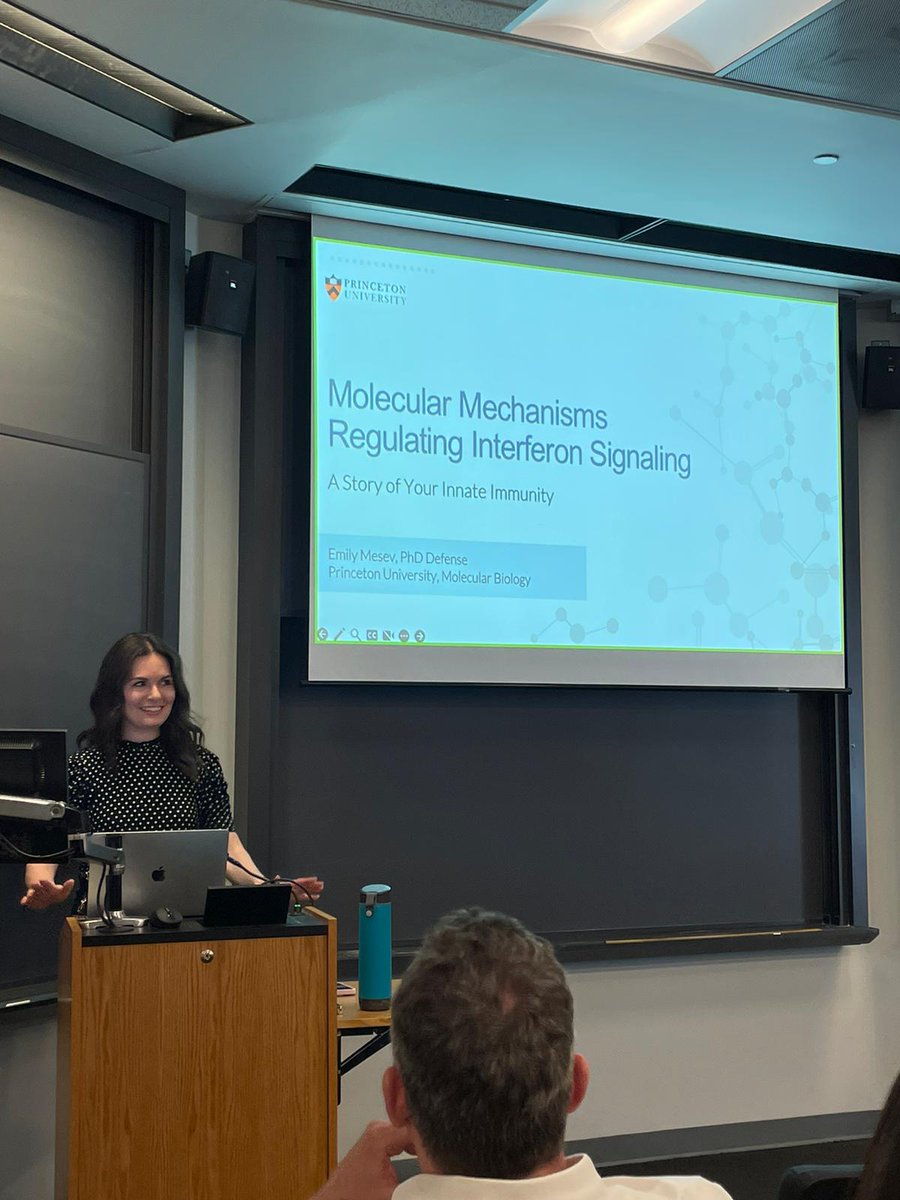
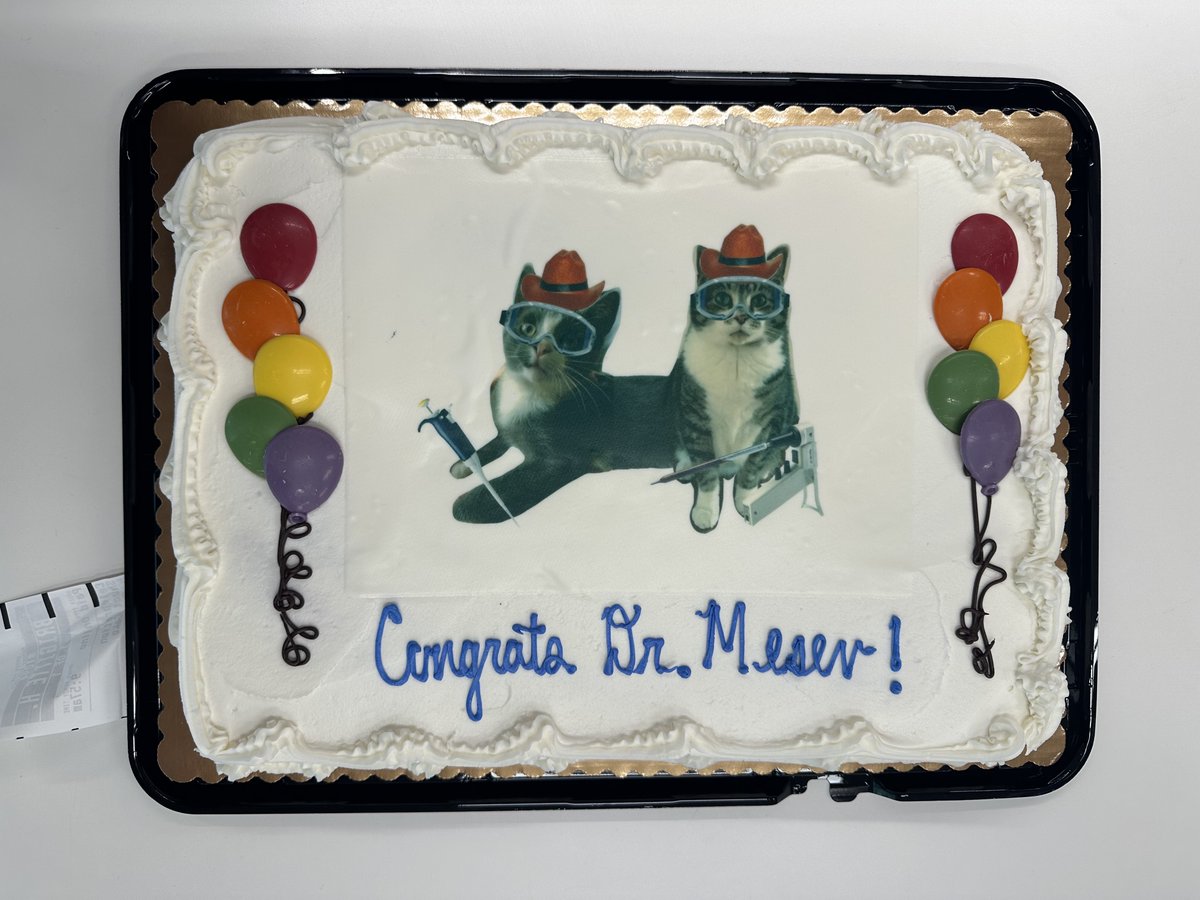
It's official! Successfully defended my PhD in Molecular Biology at Princeton yesterday! Huge thanks to my two fantastic advisors @PlossLab and @toettch and my amazing labs who've supported me these last 6 years (and made me the best PhD cake ever). 🥳
While both natural immunity and mRNA vaccines build protection against SARS-CoV-2, the vaccines side-step the development of self-attacking antibodies that frequently occur in COVID-19 patients. @YaleMed@VirusesImmunity#Yale https://t.co/JpX8Cn8LkF
Very excited that my work on the HBV genotypes is published @JHEP_Reports Many thanks to my mentor @PlossLab and everyone in Plosslab. Special thanks to @LeDesma_RA@EmilyMesev for their revisions. Thanks Glenn for the mouse gavage help and our collaborators in this work.
Good graphic for how Omicron (and its various BA. family lineages) gets into cells, which differs from prior variants. A nice explainer for its hyper-contagiousness
https://t.co/ykPEhO2Bg1 @sciam by @Scudellari and @FalconieriV
Just an FYI - it costs you nothing to reference papers in your field in your own publications. It doesn't lessen the impact or the worth of your work to acknowledge others also did impactful work. Don't be that person. Reference generously.
Did every princeton student really just know that Robert Downey Jr, Matt Damon and Emily Blunt are all chilling on campus making a movie right now? I'm really the only person who didn't know? 😐 seriously?
New study reveals insights into how early immune response defines severity of COVID-19 https://t.co/630gHbVsG3
Congratulations to everyone involved, in particular @FDouam and @DevinKenney10! @neidl@PrincetonMolBio@PrincetonInnov
A year ago, a non-academic friend listened to a talk I gave. I thought it went great. My friend disagreed.
She said that academics are experts at making interesting stuff boring—and that we should all take a speech class.
So I did. And here are 6 most useful things I learned.