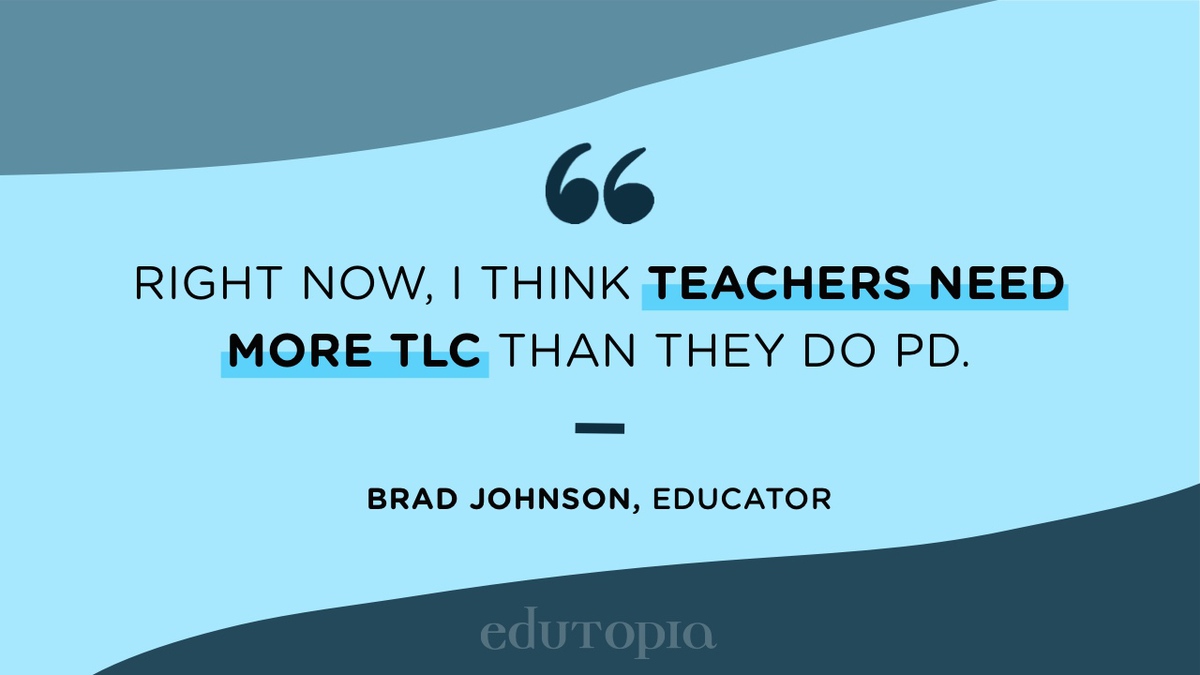
Practicing critical thinking in their ‘native environments–at home, with friends, reading self-selected texts, on social media, and more–is a useful strategy to build their cognitive muscles. https://t.co/4Z8zmsgR80
A good guideline for parents who are struggling to wean children off screens. The point is that it’s not about the time, it’s about what they do at that time.#gse570
Media Spotlight – Dr. Victoria Talwar, from the Department of Educational and Counselling Psychology, was featured in a Globe and Mail article discussing how much entertainment screen time children should have.
Learn more: https://t.co/8JOb1E8VBZ
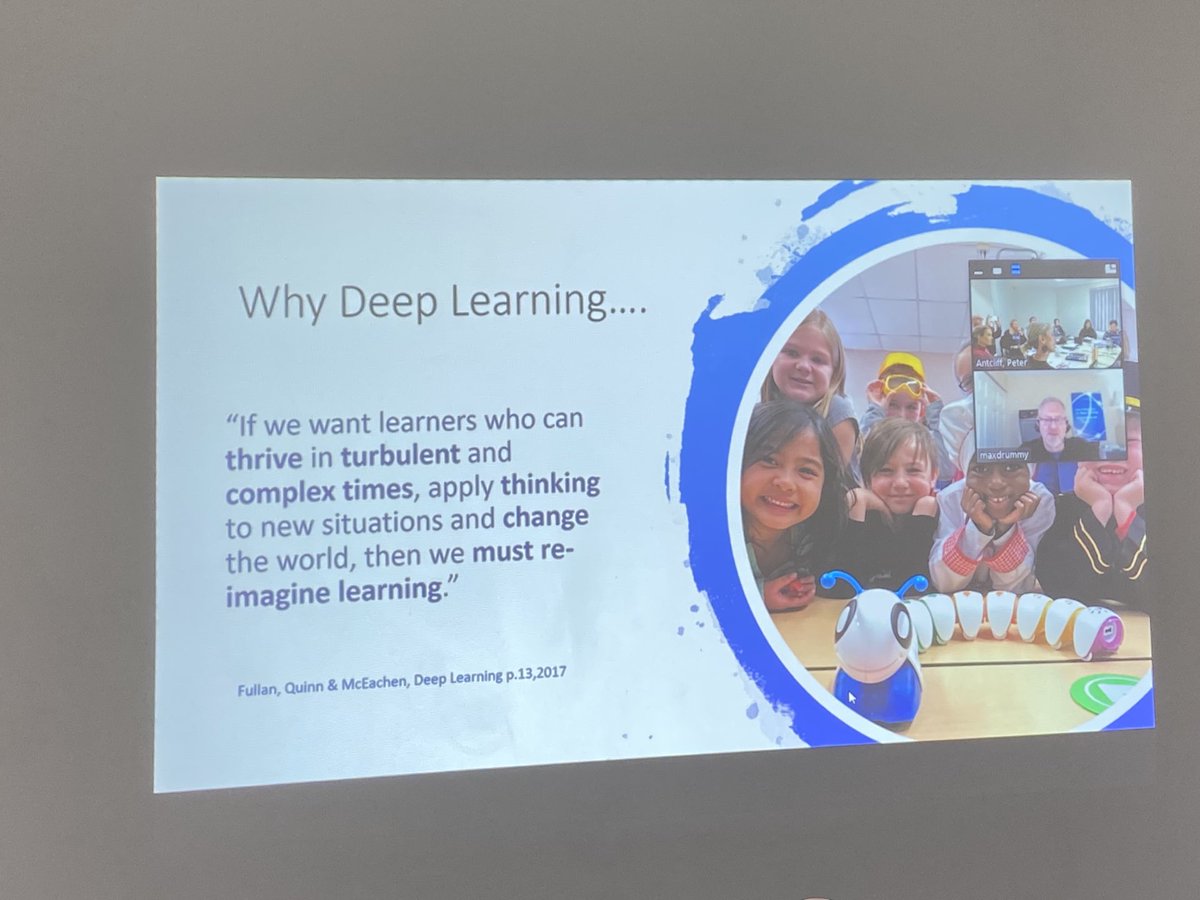
#gse570 Teachers should re-imagine learning to construct learner’s deep learning though it is not an easy thing. Just as Fullan (2019) mentioned there should be 13 components that teachers need to pay attention.
Day 1 of @NewPedagogies training for our staff leaders with @maxdrummy. Deep learning will be embedded in our practices to prepare our young people for a complex & changing world.
Distance teaching brings us more possibilities at least I am one of the student benefit from it. Thanks to maple league, I can take course at Acadia University.
We are pleased to announce that our 4 universities – @AcadiaU@MountAllison@stfxuniversity & @UBishops – have signed an MOU that encourages students to take courses from across the 4 institutions.
For more about Spring/Summer 2020 online & remote courses https://t.co/KadA9Hp9pk
Teaching literacy is not only teaching language but also #processofthinking. #Readingapprenticeship needs #explicitinstruction to improve literacy. Teachers can use strategies like visualizing, questioning, etc to show students how to make sense of what they read. #GSE561
All texts are positioned by writers' views and positioning readers while they are reading. #criticalliteracy helps people be able to analyze and challenge the #subtexts. What the educators need to do is teaching about the language instead of teaching the language.#GSE561
#Digitalliteracy allows #paperlesslearning and access to resources anytime, anywhere. #Realtimesharing of information bring students convenience to refer to which help them to construct their own designs. In this era dominated by pictures, those are more vivid than words.#GSE561
Regardless of culture, the aim of #multiliteracies is to use the known things to create meaning for all. #Multimodality allows students to understand deeper and complex like a graph may be more clear than just be given a group of growing numbers.#GSE561
Culture comes after the language. Different cultures can make different languages. Language education can help learners enhance the #interculturalcompetence through combining #languageskills with the knowledge, skills and attitudes which can rise the #culturalawareness.#GSE561
Students not learning only in the classroom, but can also learn outside school.Teachers should encourage students who bring #fundsofknowledge to engage in their research exploring more about #communitylearning.#GSE561
Language learners' identities are always multiple and in process. The importance to understand that learners live in globalized sociocultural worlds is obvious. They invest in language learning for resources. It is necessary to connect learning to their life and work.
#GSE561