The research programme Energy Change Impact provides scientific information for decision-making in research and policy. Tweets are my own (Astrid Björnsen)
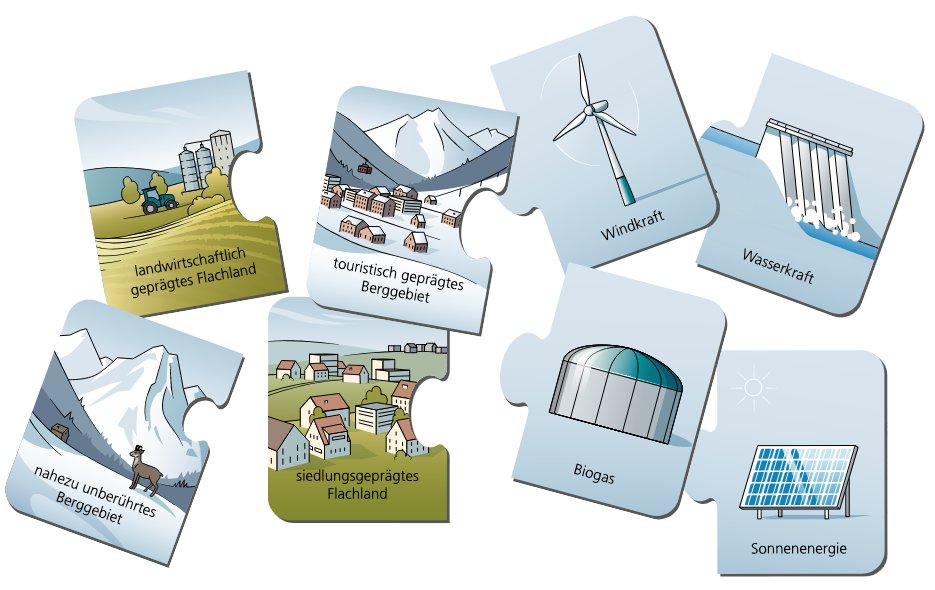
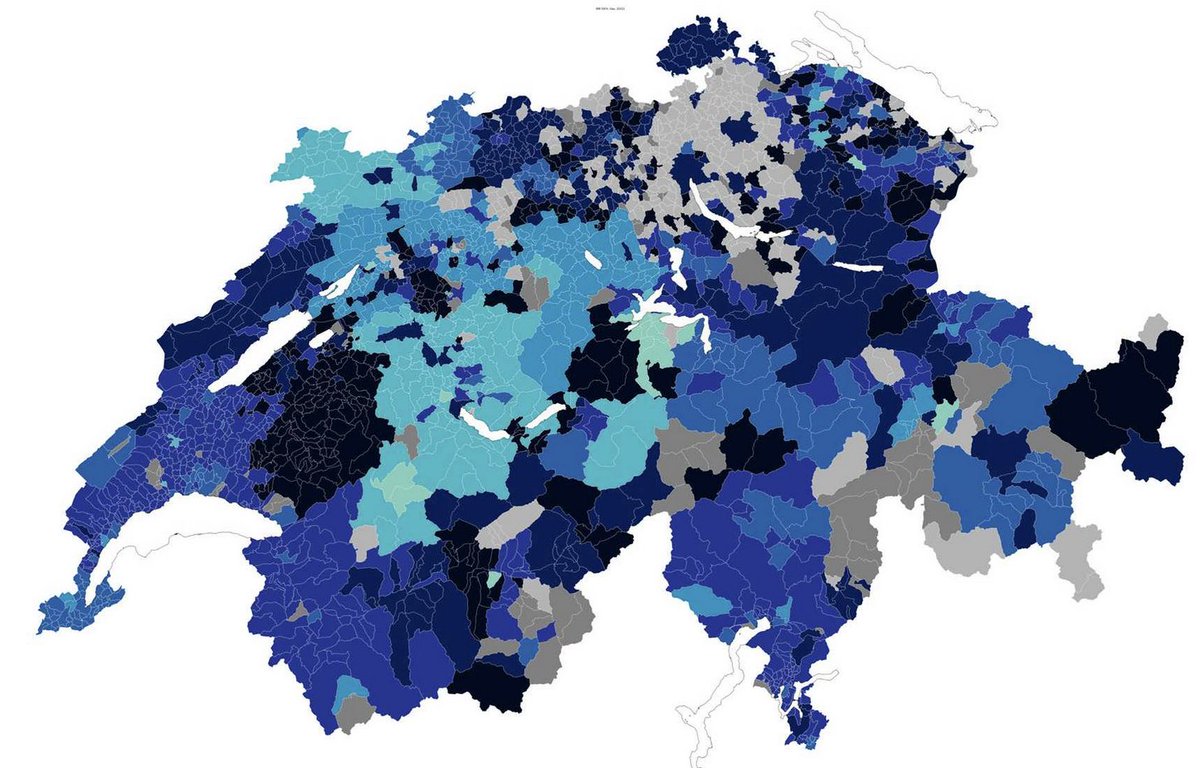
Die #Schweiz ist ein Flickenteppich im #Solarausbau, so die @SWEETEDGE_CH Studie der @ETH und Uni Bern. Sehr aufschlussreicher Artikel! https://t.co/Y5fvQsYXgF
Schlechte News aus dem #Wald: Die verfrühte Herbstfärbung der #Buchen aufgrund #Trockenheit, die insbesonders 2018 beobachtet worden ist, ist definitv ein Schwächezeichen - kein Schutzmechanismus.
When #art meets #science! Facilitated by @la_prairie, we had the privilege to work with artist Douglas Mandry! The product is an installation called “Gravity Flow”, that can be visited at #Muottas Muragl near @EngadinStMoritz. See a trailer here: https://t.co/lYpHzj8PBK.
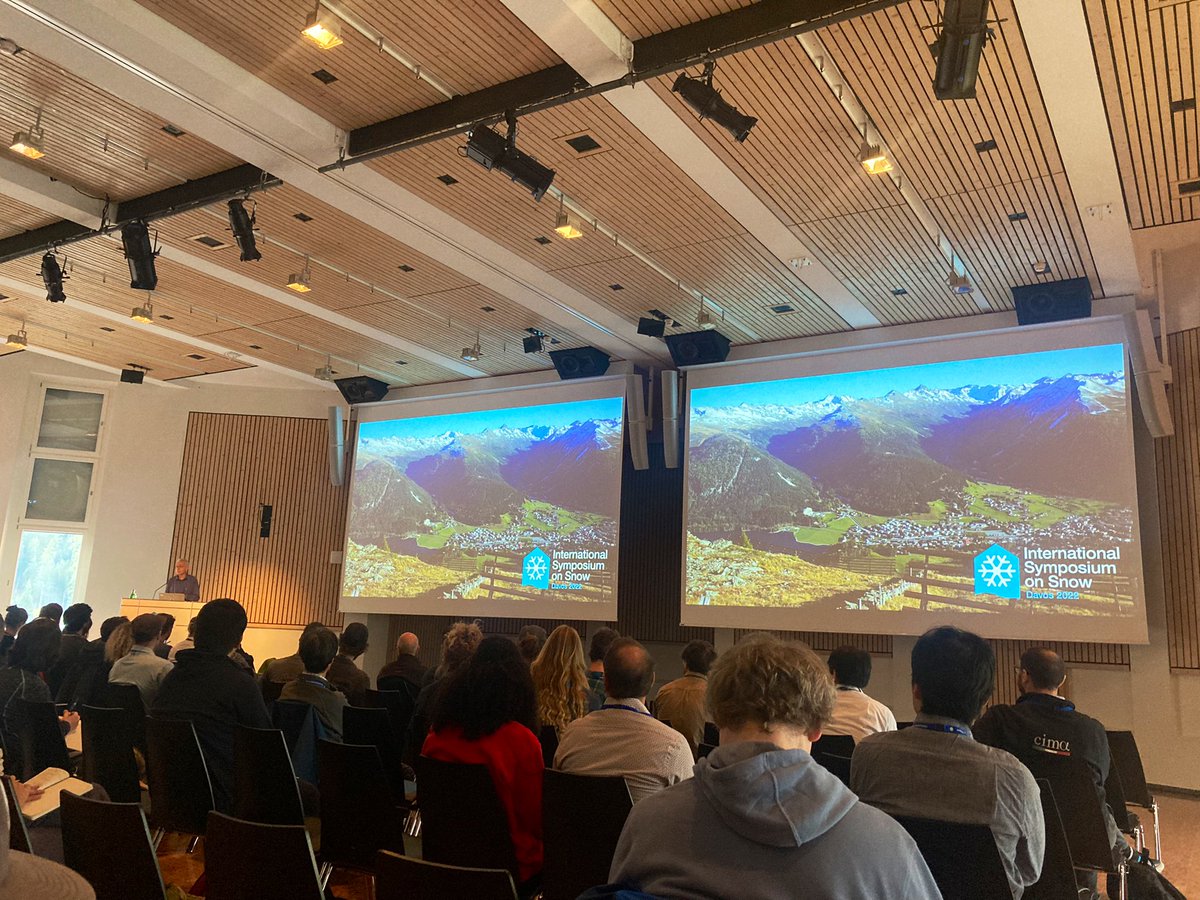
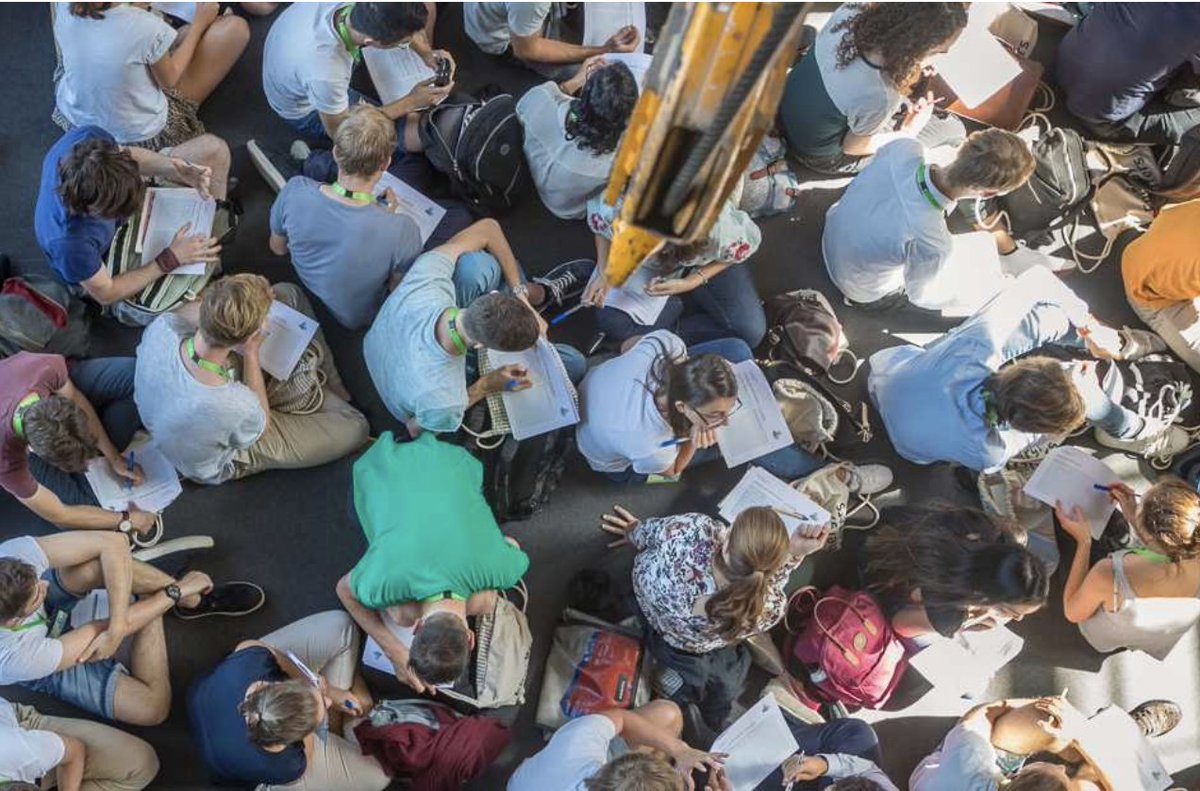
The International Symposium on #Snow just started in #Davos. Looking forward to interesting presentations and discussions. Thanks @igsoc, @SLFDavos, Jürg Schweizer (here on the photo) and the organizing committee for bringing the snow and avalanche community back together 😊!
A lively discussion among @ETH_en experts on the risk of energy shortages, investments in renewables, the behaviour of (us) consumers and the pros and cons of nuclear energy. Have a read. @esc_ethz_ch https://t.co/5umKLDc4Vb
China is experiencing the worst heatwave ever recorded in global history.
The combined intensity, duration, scale, and impact of this heatwave is unlike anything humans have ever recorded.
Over 260 locations have seen their hottest days ever during this 70+ day heatwave.
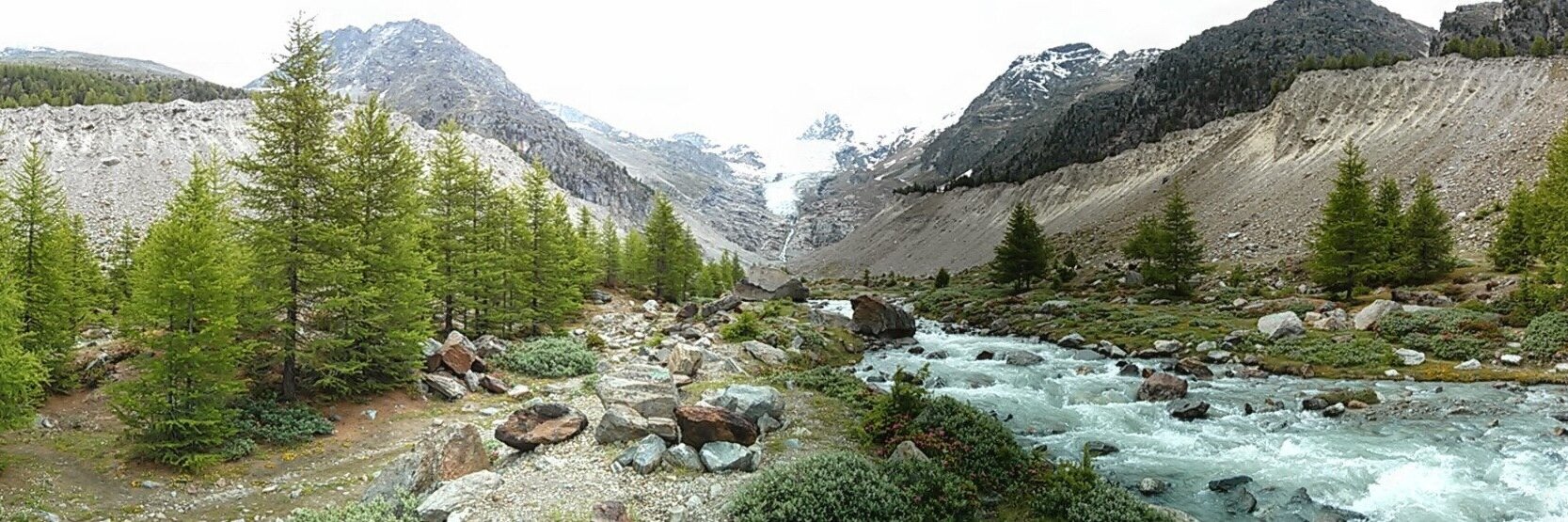
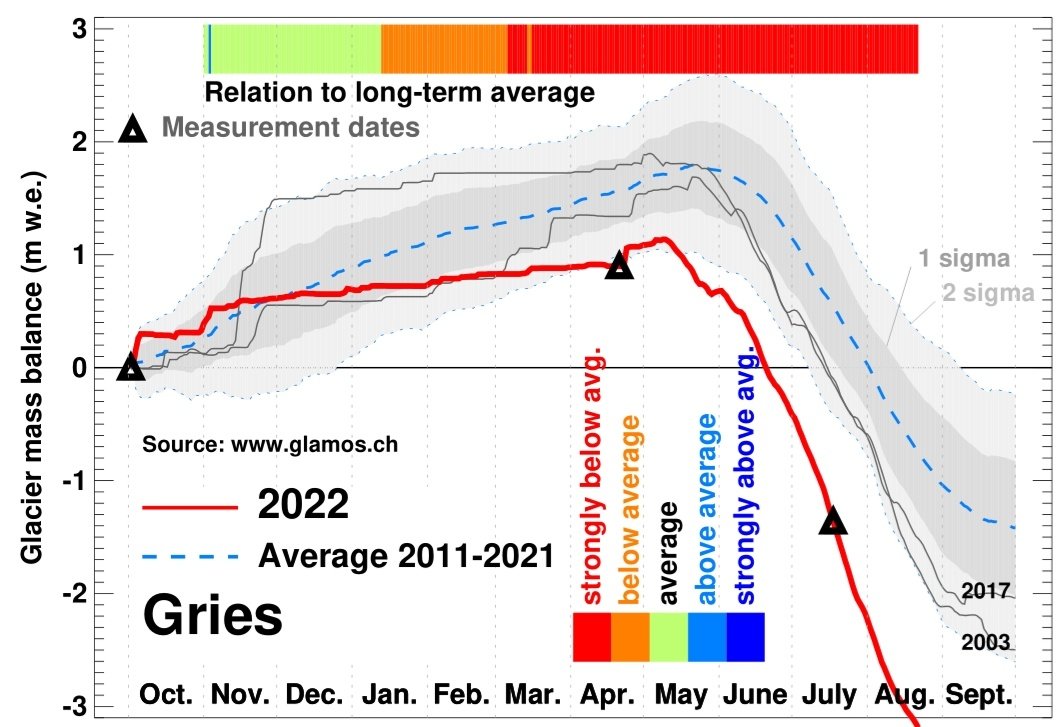
For #glaciers in the European Alps, 2022 continues to be the "perfect storm" - hot and dry. Previous record levels have been shattered at many of our sites already and melting goes on. We're far beyond historical variability.
@glamos_ch@VAW_glaciology @WSL_research