Quel sera le climat de la Suisse à l'avenir ? Extrême, encore plus extrême, voire véritablement extrême? https://t.co/RNJqWwWRO1(Nouveau en français!) offre un aperçu des conséquences de différents scénarios climatiques pour les 20 prochaines années et des solutions envisageables
We need to modernise water management to:
💧increase water efficiency
💧protect the water cycle
💧ensure clean, affordable water
We launched a call for evidence for stakeholders to support the development of the digital action plan for 🇪🇺 water sector 👉 https://t.co/bffvru22jg
🏔️ Villars Academy: Himalayas — Ladahk, India | An exclusive experiential learning journey for students and educators who want to move beyond the classroom and into real-world impact. Apply by July 30 to be considered: https://t.co/WNMjMH4PY5
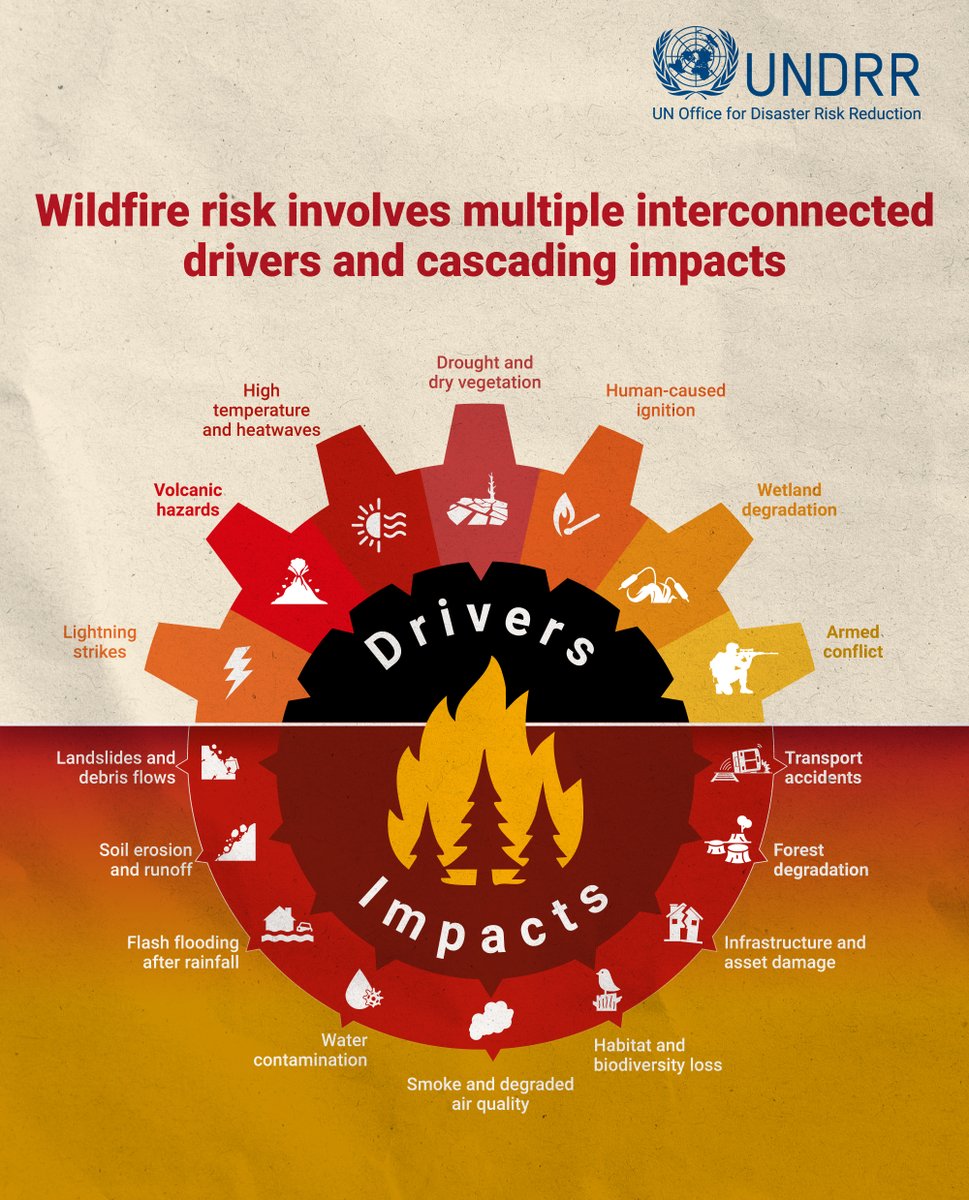
🔥Wildfires are not stand-alone events: they are risk multipliers ⚠️
In 2025, wildfires caused the highest insured losses. Yet the largest impacts extended well beyond burned homes and insurance claims.
Expose wildfires' invisible costs ➡️https://t.co/HHNSRxKds4
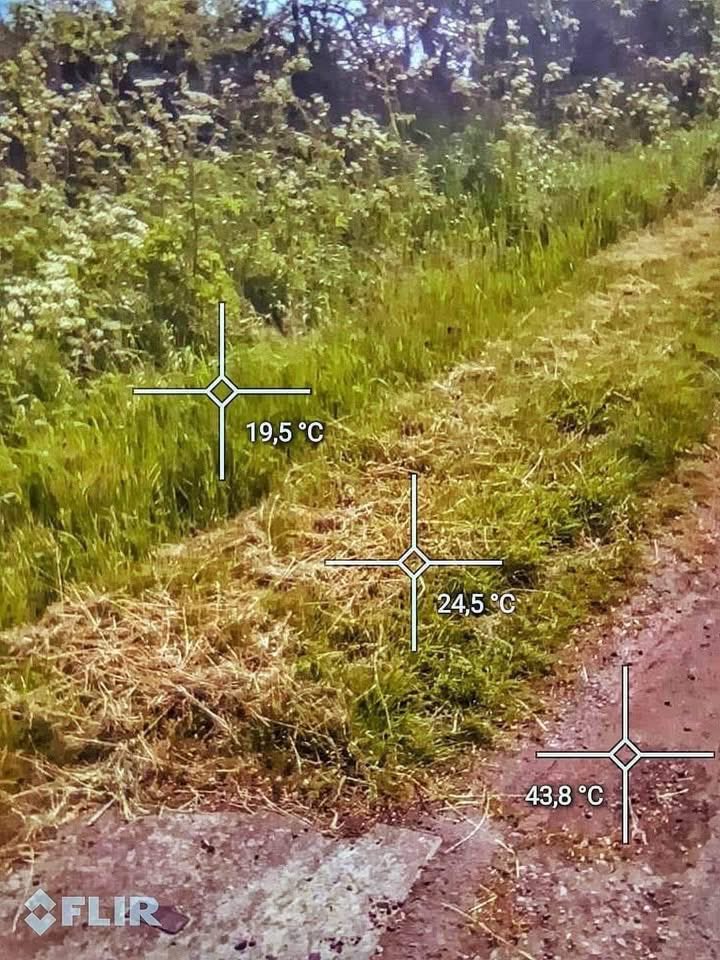
Uncut grass keeps the ground at around 19.5°C
Grass cut to 10 cm raises the ground temperature to about 24.5°C
Bare ground in the middle of summer rises to over 40°C
It's important to raise awareness #NoMowMay
Good research on disaster risk reduction and resilience depends on verified, trusted sources. ℹ️
Make #PreventionWeb your go-to resource for research in disaster risk reduction and related fields. 💻
💡 Find out more ➡️ https://t.co/cO1hwEohlu
📢Job opportunity!
The @IocUnesco is inviting applications for an Individual Consultant to support the preparatory process for the 2027 UN Ocean Decade Conference and the development.
🗓️ Deadline: 1 June 2026, 17:00 CEST
➡️Apply: https://t.co/n3IdgA9mvs
#OceanScience#OceanAction
The planet's current state, where we are breaching multiple planetary boundaries and which manifests as public health threats impacting millions globally, provides ample scientific evidence that climate change should be declared a public health emergency of international concern.
Unexpected discovery: hidden soil in blockfields in the high alpine region. Whereas the fields appear grey and full of stones, in reality, they hide soil containing old carbon.
All the results from the extreme thaw project: https://t.co/5mK60qaWuK
Carbon dioxide and other greenhouse gases are rapidly warming the planet. But where do they come from? Insights from #ClimateWatch explain which sectors emit the most GHGs: https://t.co/94o4Prnb2i
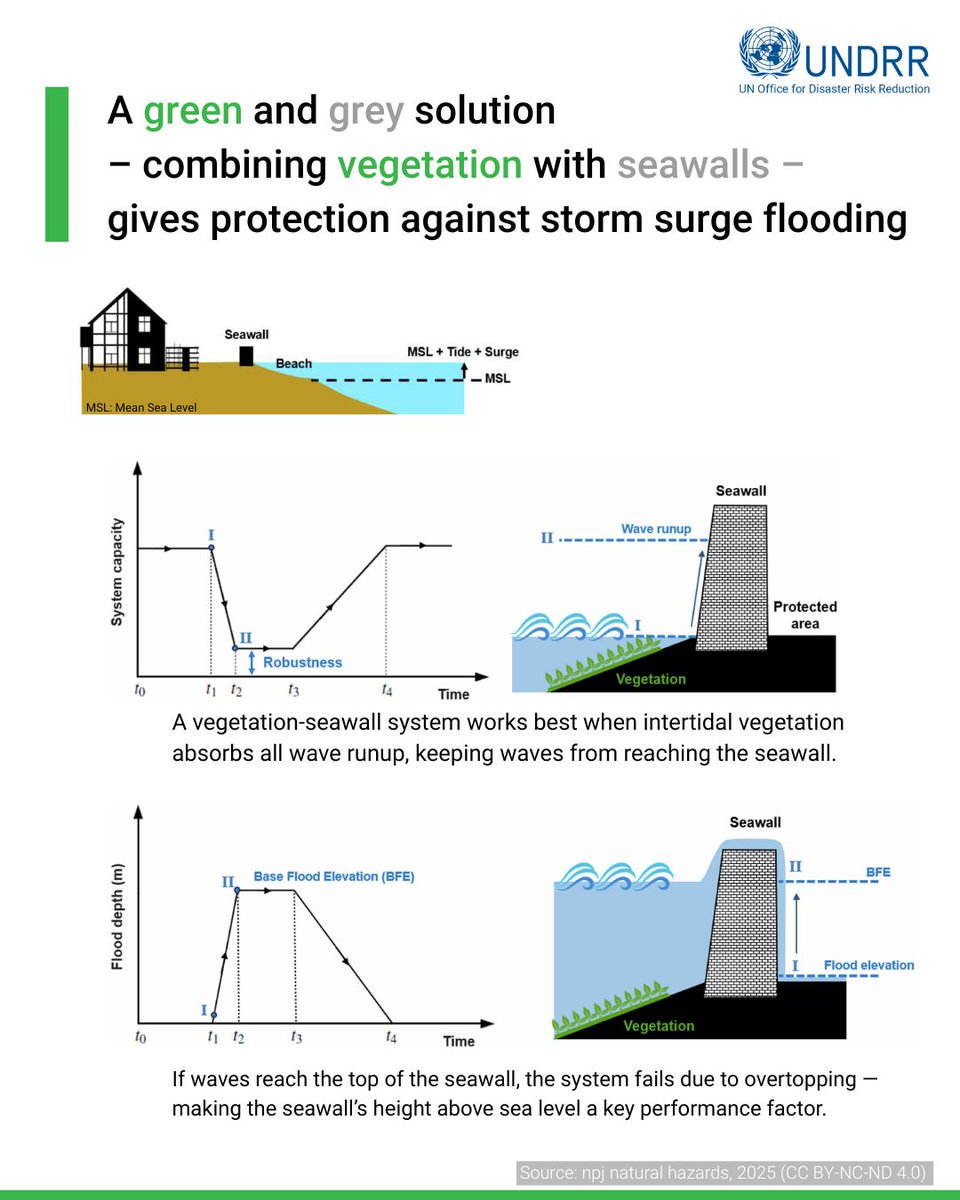
🌱🏗️Blending nature-based solutions with traditional engineering can often give better results than either method alone.
🌊 This study shows how coastal vegetation combined with grey infrastructure (eg. sea walls) effectively reduces wave energy.🌿 👉 https://t.co/Q0TGYYCh8A
What role can nature play in building more resilient food systems? Adriana De Palma, Principal Researcher at the UK’s @NHM_London, explores how working with natural systems can support more sustainable agricultural practices. 🌽
𝐃𝐢𝐝 𝐲𝐨𝐮 𝐤𝐧𝐨𝐰 𝐭𝐡𝐚𝐭 𝐛𝐚𝐫𝐤 𝐛𝐞𝐞𝐭𝐥𝐞𝐬 𝐬𝐮𝐩𝐩𝐨𝐫𝐭 𝐰𝐨𝐨𝐝𝐩𝐞𝐜𝐤𝐞𝐫𝐬?
But if summer temperatures rise by 4°C, bark beetle generations doubles. After a few years, spruce trees largely die off, bark beetle populations decline. https://t.co/NQOWNahFTJ
𝐀𝐥𝐩𝐞𝐧 𝐯𝐬. 𝐓𝐢𝐞𝐟𝐥𝐚𝐧𝐝: 𝐂𝐎₂
Neue Pflanzendecken in hohen Lagen können CO₂ binden, mehr als dort freigesetzt wird
Durch Trockenheit geschädigte Wälder und Moore in tieferen Lagen speichern immer weniger CO₂. https://t.co/SibCI5Vn2n
By 2085, 36% of species’ current habitats on land could be exposed to multiple types of climate-driven extreme events such as heatwaves 🌡️, fire 🔥 or floods 🌧️ if warming continues to rise into the latter half of the century. Lead author Stefanie Heinicke explains ⬇️
Truth meets aesthetics: We present the effects of #climatechange on #Switzerland in a witty #webapp. What scenario will you choose?
https://t.co/Smsbe2c2po
𝐖𝐢𝐞 𝐤𝐚𝐧𝐧 𝐦𝐚𝐧 𝐞𝐢𝐧𝐞𝐧 𝐠𝐞𝐬𝐮𝐧𝐝𝐞𝐧 𝐖𝐚𝐬𝐬𝐞𝐫𝐡𝐚𝐮𝐬𝐡𝐚𝐥𝐭 𝐚𝐮𝐟𝐫𝐞𝐜𝐡𝐭𝐞𝐫𝐡𝐚𝐥𝐭𝐞𝐧?
Für die Planung von allen Massnahmen sind aktuelle Daten und Vorhersagen wichtig. https://t.co/yp0IV8vwdz
☀️💧 Hotter and more humid = heavy precipitation = higher risk of flooding.
But there are solutions: Sponge cities instead of concrete jungles!
With plenty of green spaces and soils where water can slowly seep into the ground.
🔗 https://t.co/TZaddO7Gsf
Quand vérité et esthétique se rencontrent : nous présentons les effets du #changementclimatique sur la #Suisse dans une #applicationweb pleine d’humour. Quel scénario choisirez-vous? https://t.co/pqcrkA0CCp (Nouveau en français!)