Hello ESAB Members!
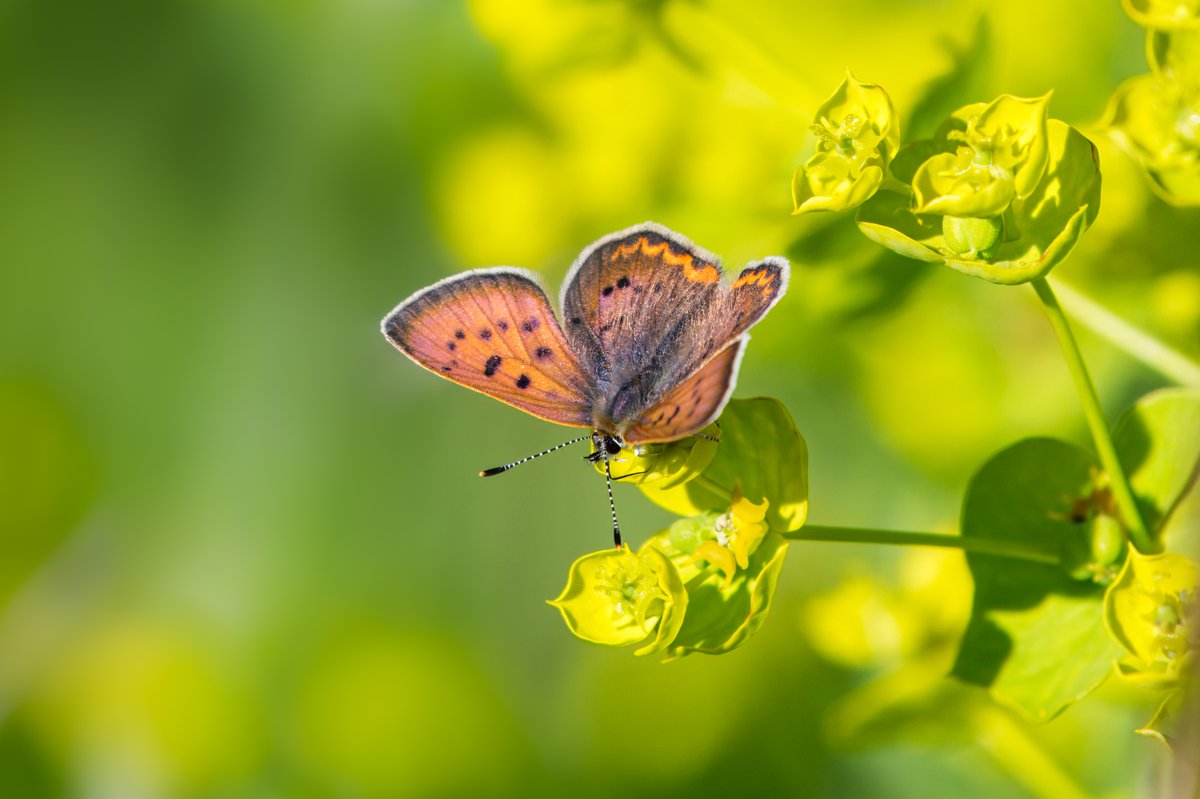
For the next feature winner of the Alberta Lepidopterists' Guild photo contest, we have Calvin Snider who won best photo for the "adult butterfly" section. Their photo features Tharselea helloides (purplish copper), which belongs to the family Lycaenidae.
Join the Alberta Citizen Science Community of Practice for a fun and fast paced webinar during Citizen Science Month where you can explore a range of ⚛ citizen science programs and find the right fit for you.
👉Learn more at https://t.co/ZKz4imizND
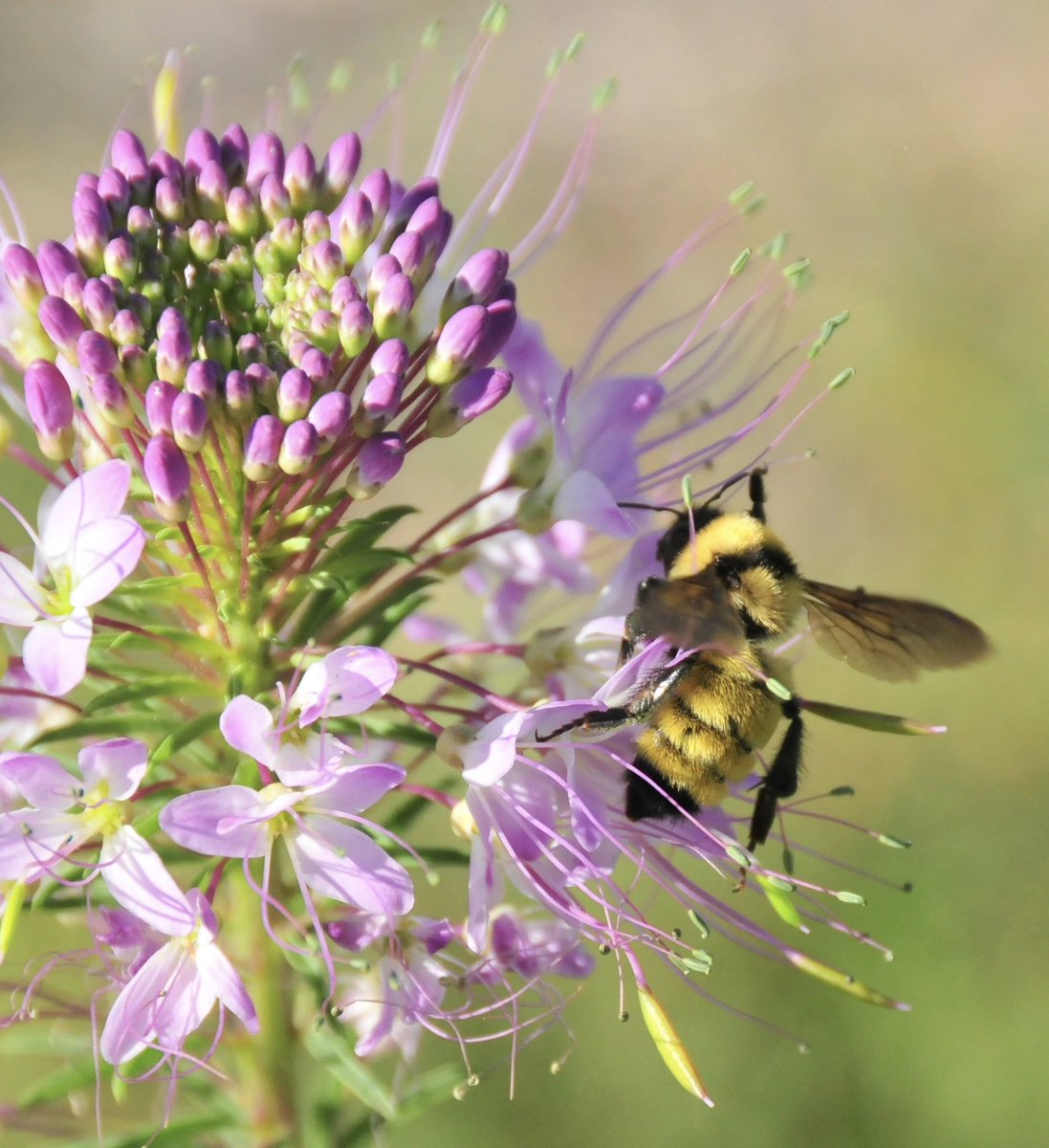
Meet the Nevada Bumblebee, Bombus nevadensis! These bumblebees are often found in association with grasslands and/or meadows. The Nevada #bumblebee sports quite a long proboscis, making them an important #pollinator for our native species like milkvetch!
📸: Tom Koerner/USFWS
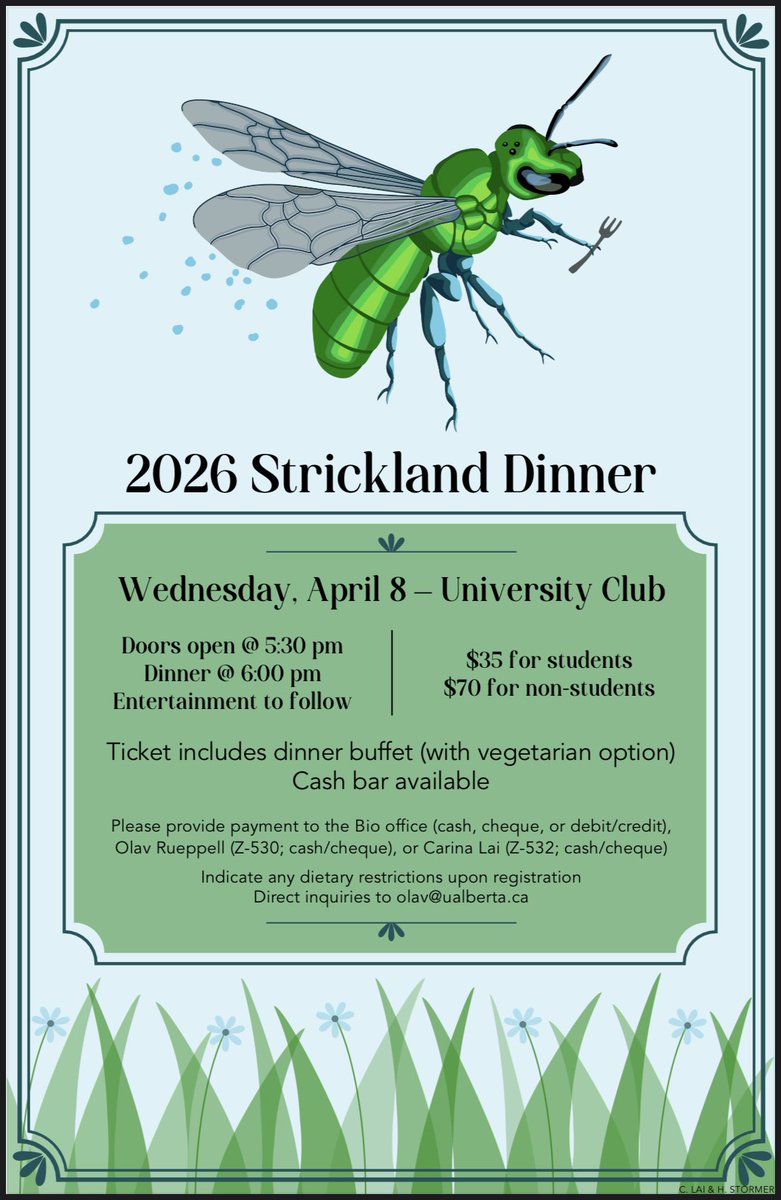
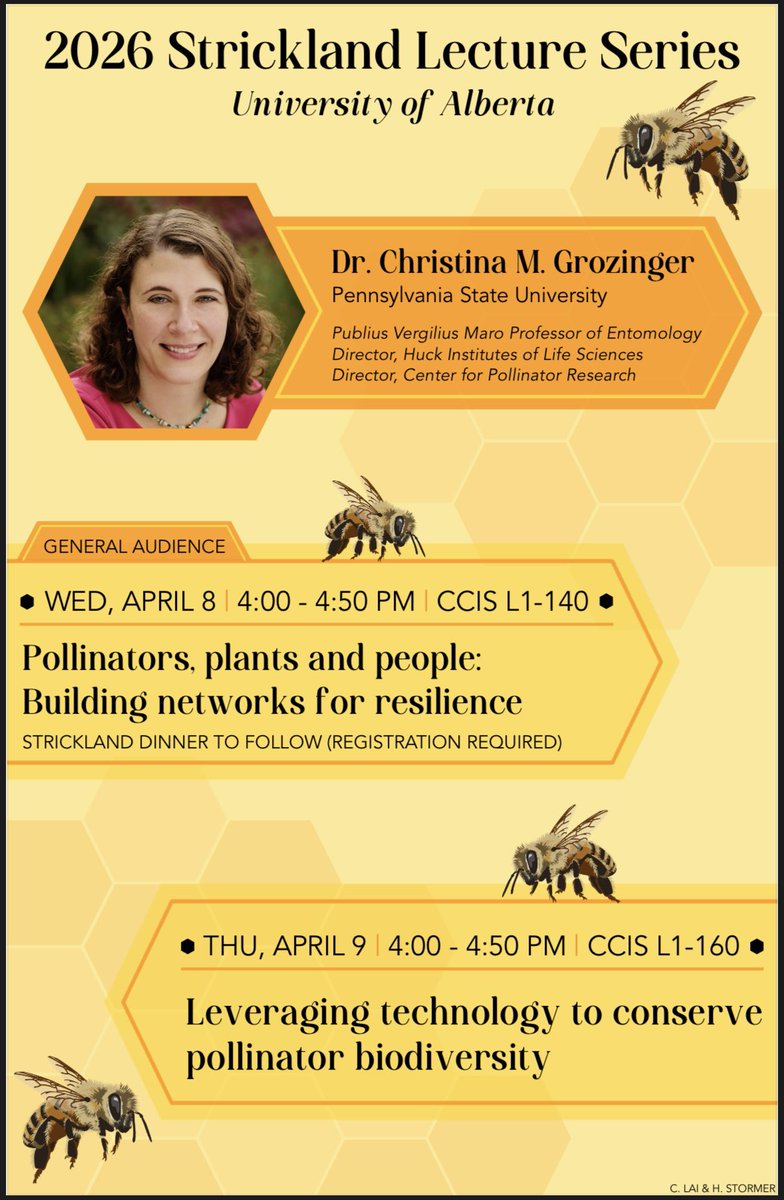
The annual Strickland Memorial Lecture is coming up on April 8th at the University of Alberta North Campus! Details about event times, locations, and payment can be found on the attached posters.
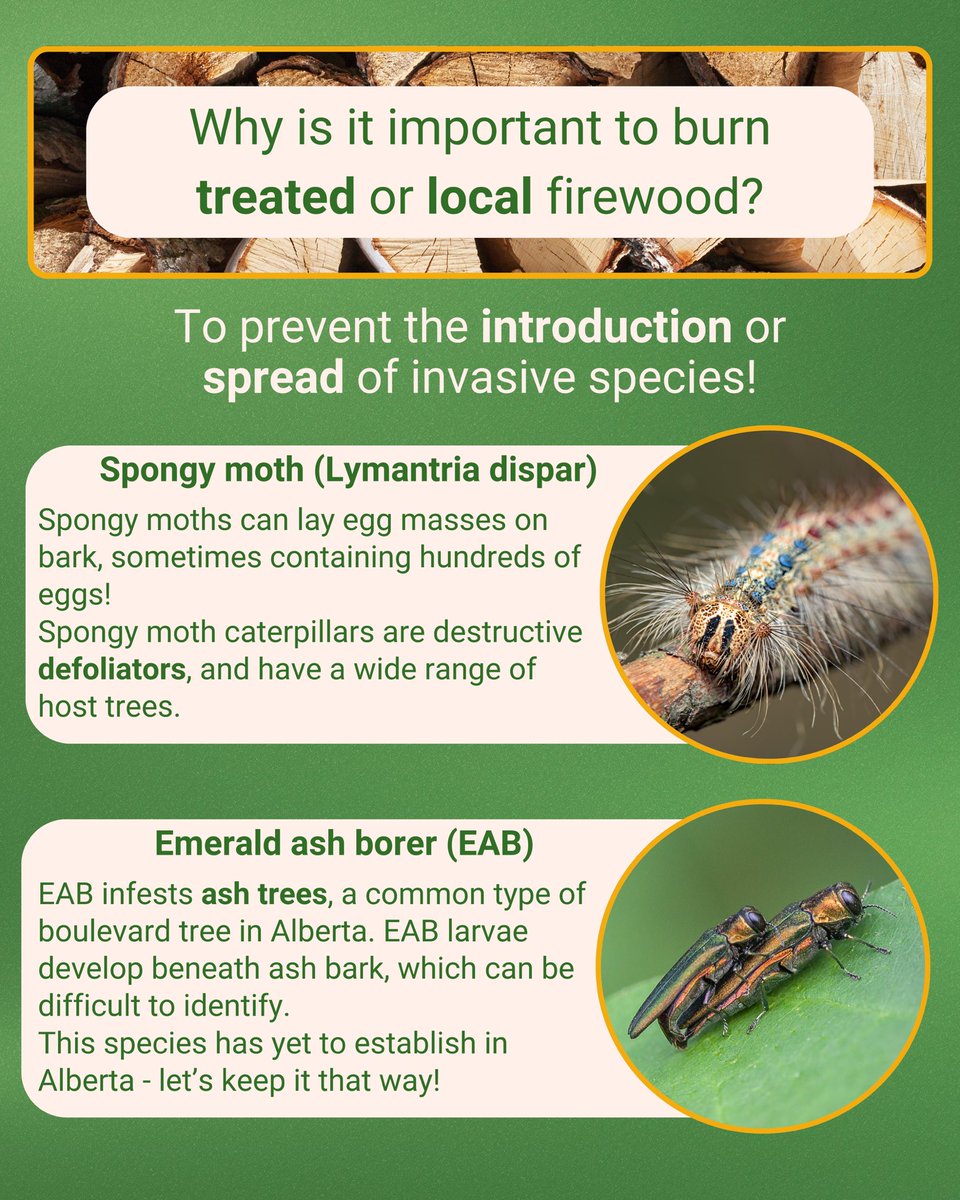
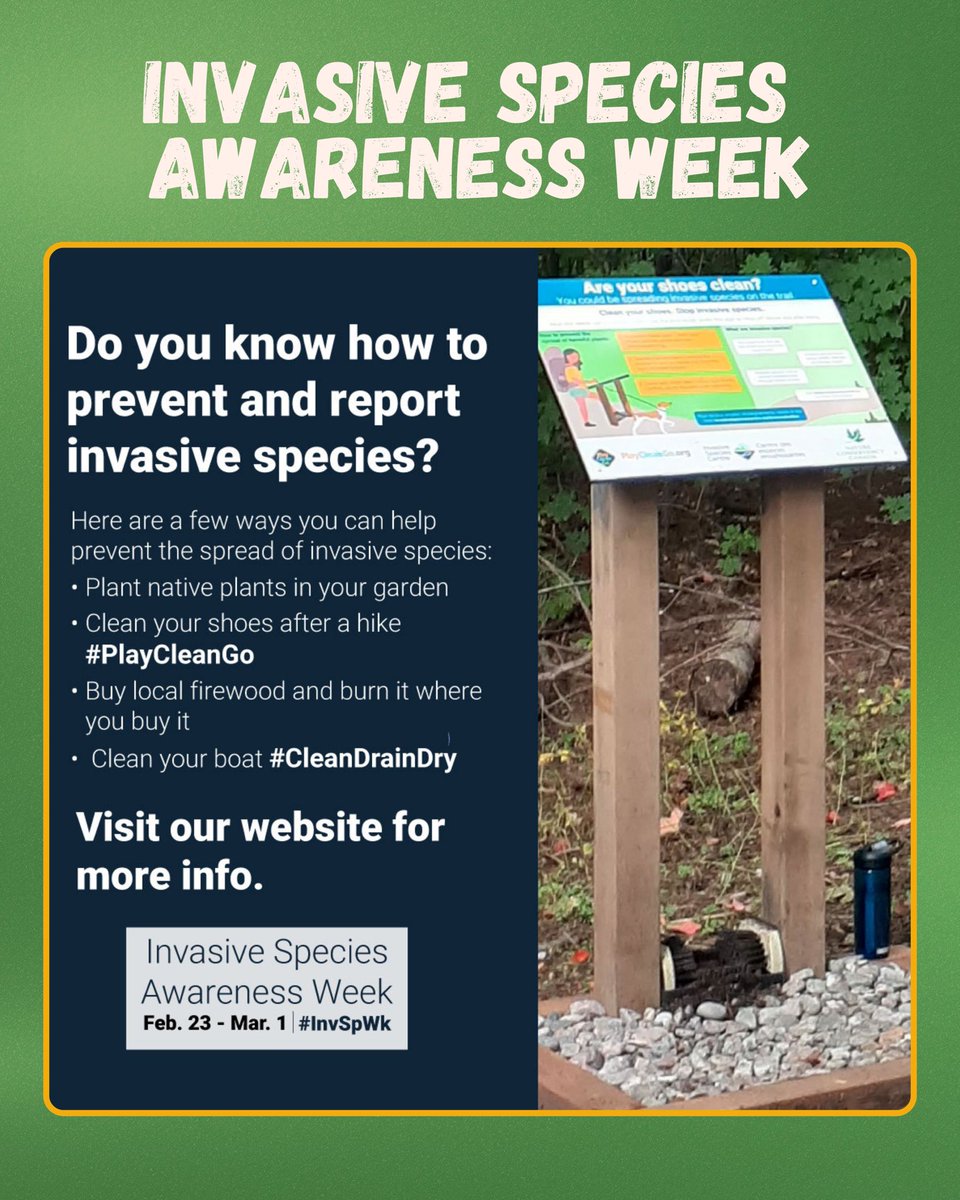
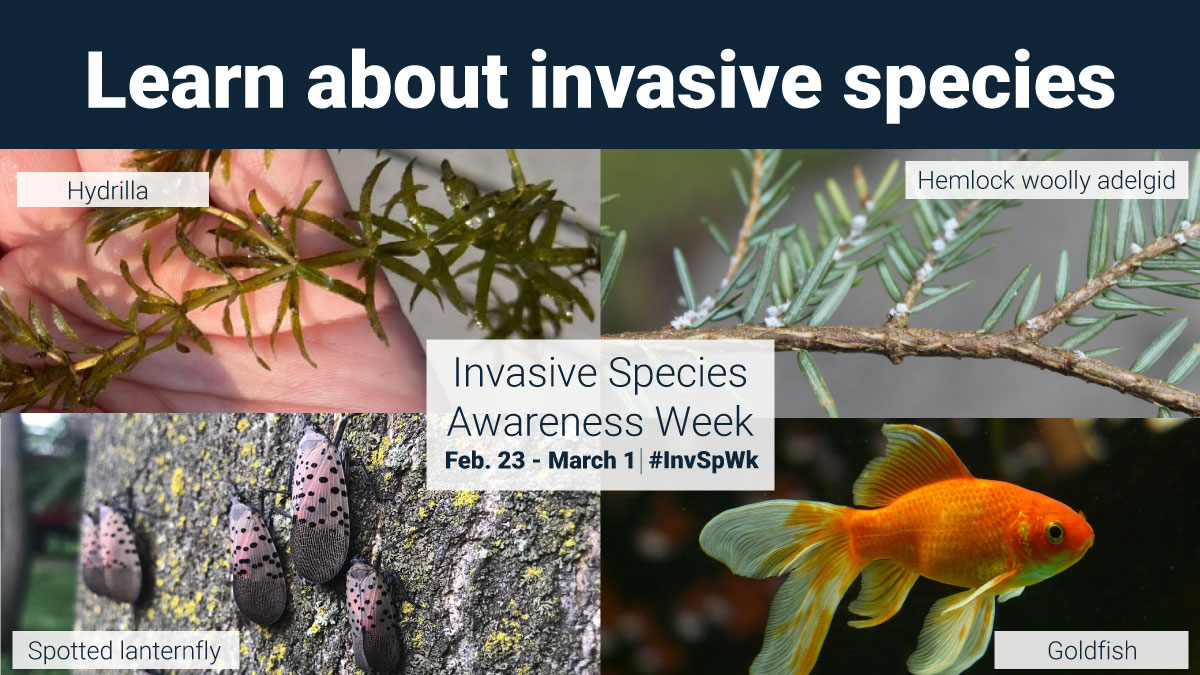
It’s #InvSpWk! Today’s theme is Pathways of Spread. Firewood can carry invasive insects like the emerald ash borer and the spongy moth. While not established in #Alberta, they pose a risk to our ecology & economy. 🔥🪵Burn it where you buy it!
Join the conversation and help raise awareness about the threat that invasive species pose to lands and waters in Canada. Participate by learning about invasive species and share your knowledge using #InvSpWk. 💭
https://t.co/gNzoRnxWx1
https://t.co/Q5J5Qos9xA
Wondering what the insect survey results for 2025 are?
You can check them here!
https://t.co/w3EsoUzFcf
Wheat Midge, wheat stem sawfly, Bertha, pea leaf weevil, cabbage seed pod weevil & grasshopper.
Big thank you to Ag Fieldmen, Crop Consultants, Farmers 1/2
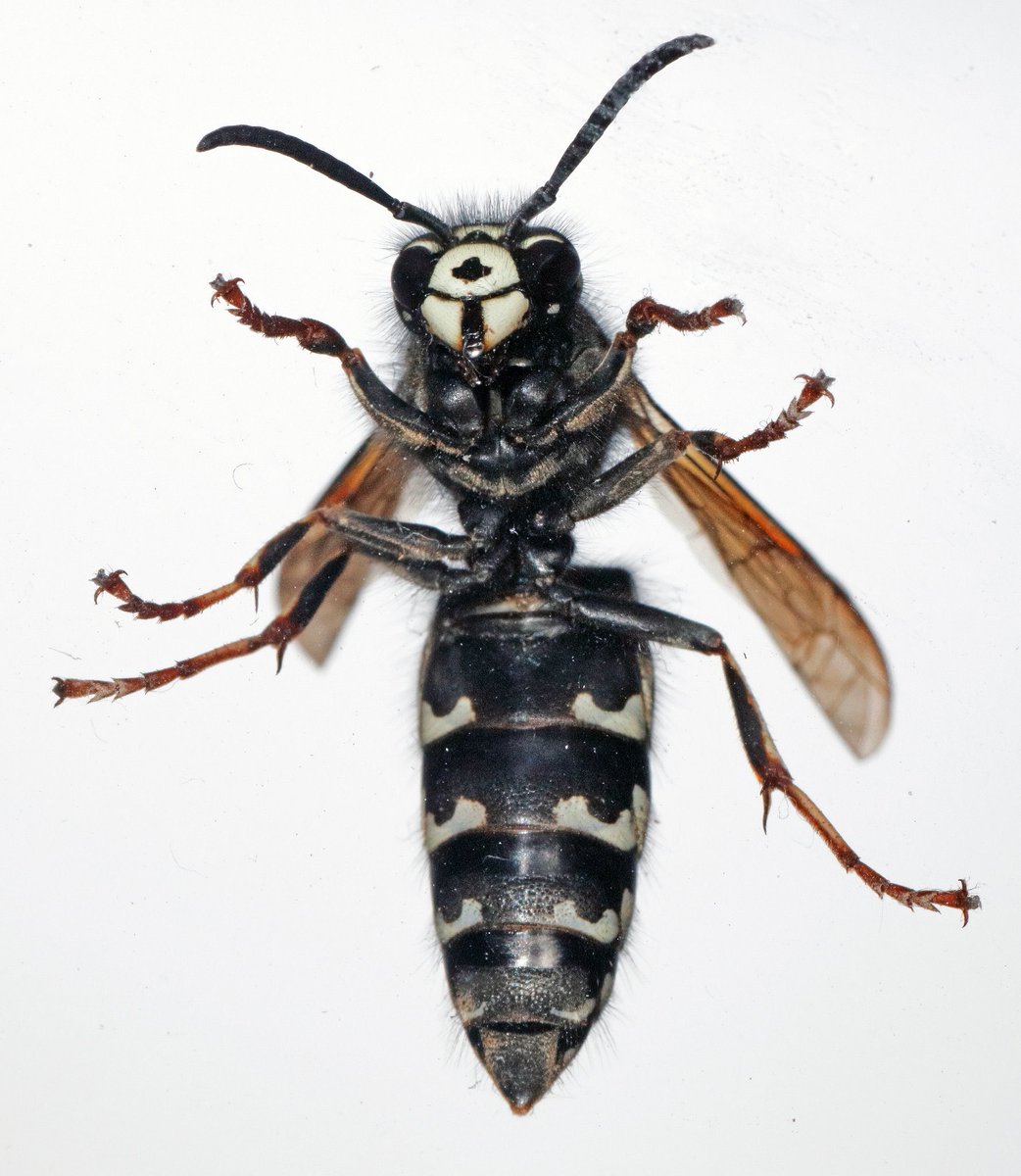
With Halloween near, todays creature feature: D. maculata, the bald-faced 'hornet' (actually a #yellowjacket)! Capable of spraying venom in intruders' eyes and highly defensive, they also feed on pest #insects & can pollinate! Perhaps a "misunderstood monster"?
📸 Aaron Andronyk
'Tis the season for vampiric inverts! Many #Tabanidae (#horseflies) are anautogenous: females need a blood meal for egg maturation. Folks in #Alberta know these are rather persistent flies with sharp bites and hypnotic eyes!
📸: Al Poplin (1) & cutecreepycrawlies on Instagram (2)
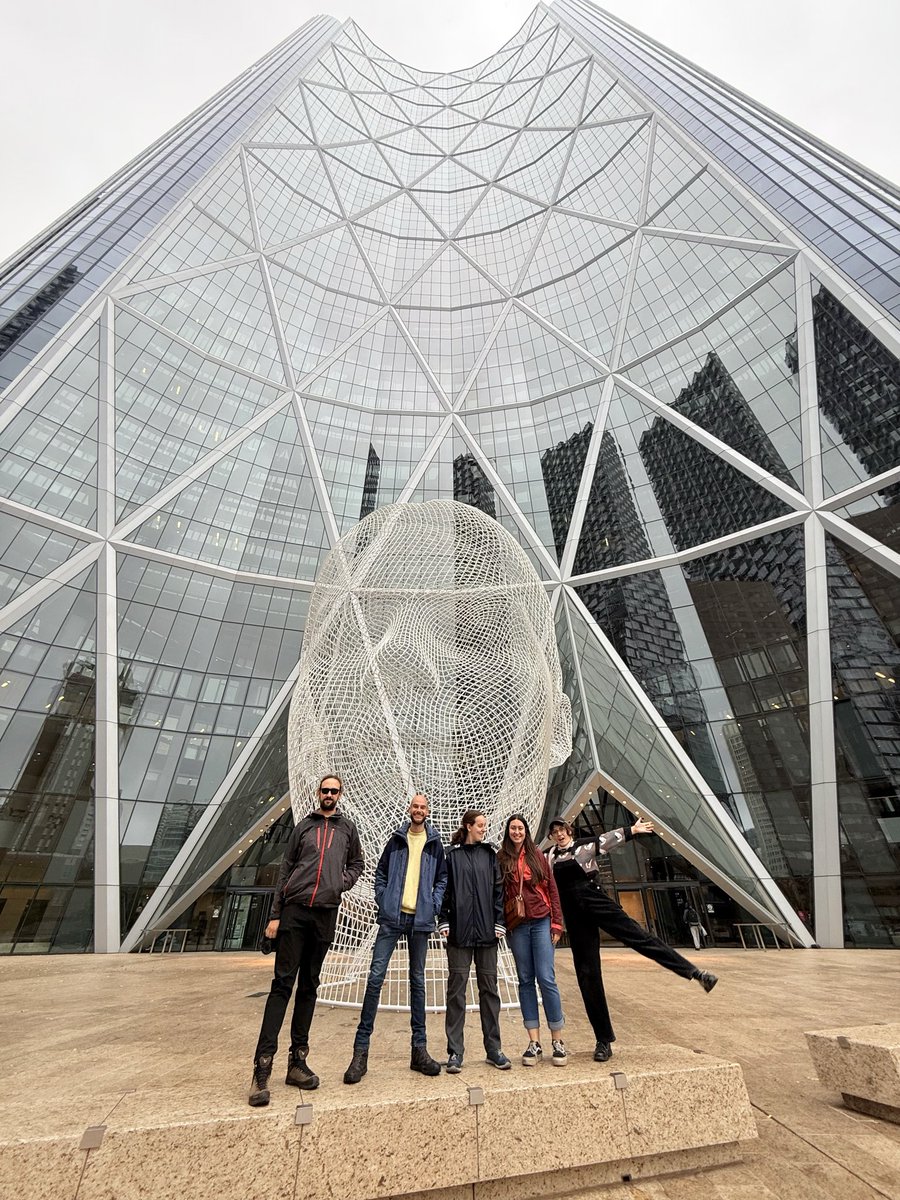
At Calgary for the @CanEntomologist × @EntSocAlberta joint meeting! @LeafHopeCan in the house, with more of our lab and project team arriving soon 👏
I can’t wait to see all the insect science happening in Canada! 🪲🇨🇦
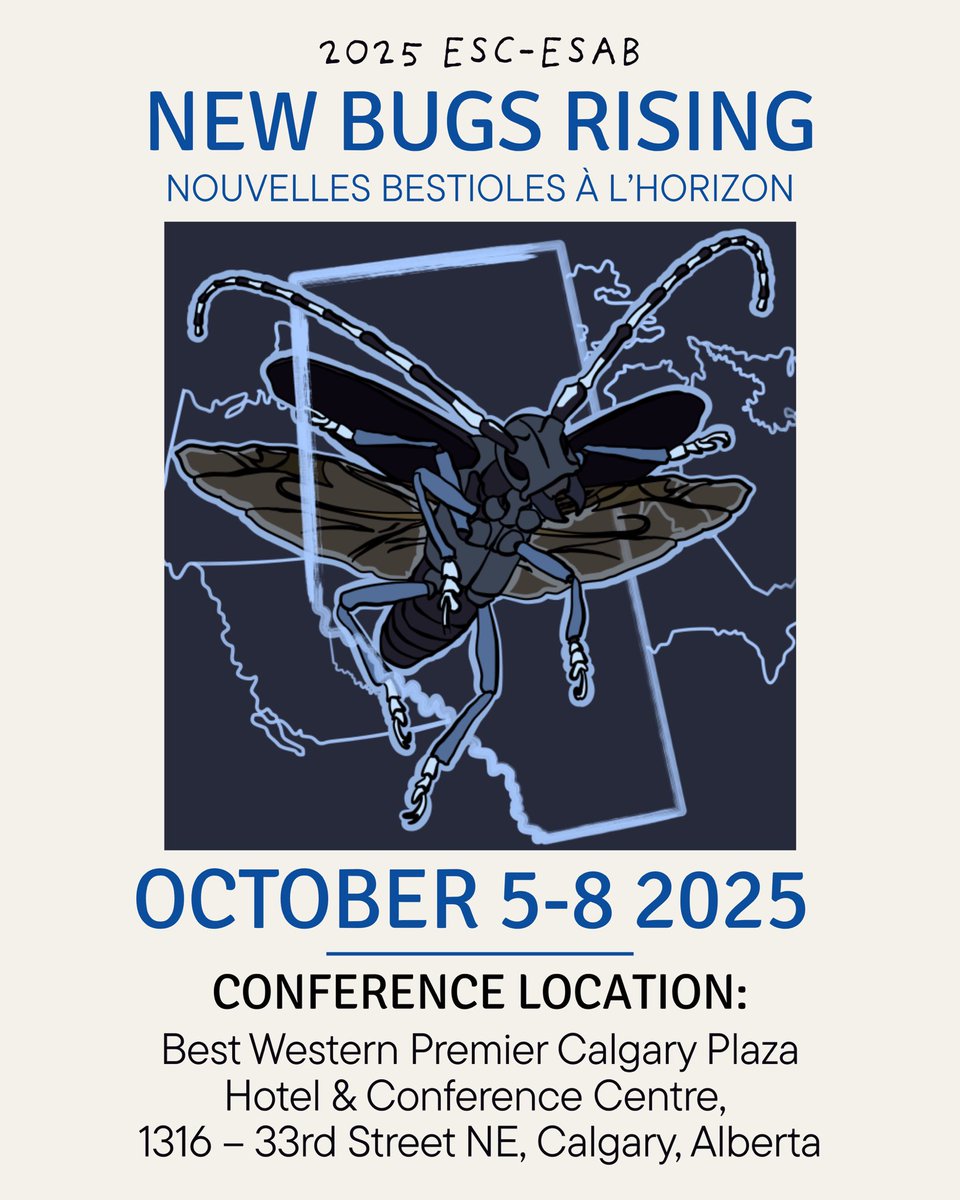
The Joint Annual Meeting of the Entomological Societies of Canada and Alberta is approaching fast!
Interested to see what's on? Check out our event website! https://t.co/sAuHI39bvr
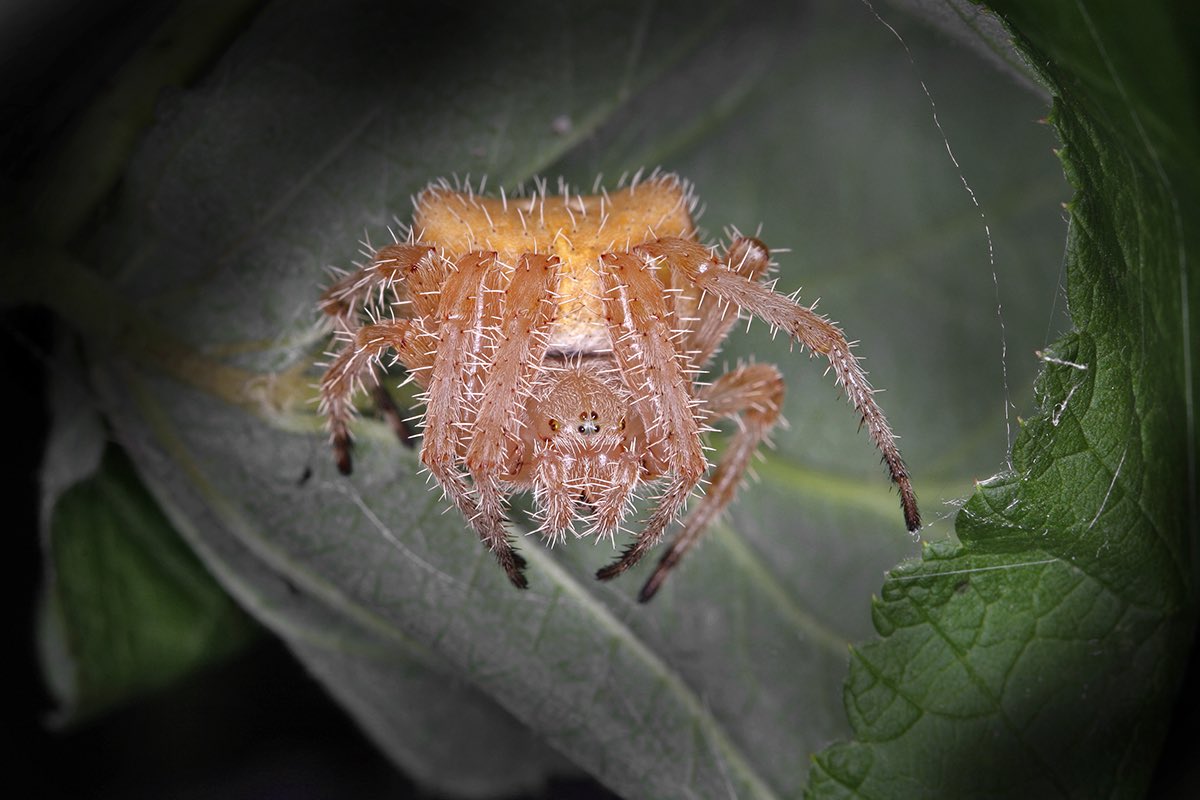
Today we’re looking at one of #Alberta’s largest orb-weavers: the cat-faced #spider (#Araneus gemmoides)! They vary in colour but always sport “cat ear” horns. Not uncommon in autumn, you might find them under eaves by porch lights, waiting for a meal! 📸: Al Poplin & Kirra Kent.
On Wednesdays, we wear pink!
Our #Orthopteran friend does too, thanks to #erythrism, usually caused by a mutation. Many #insects rely on concealing colouration to match their environment, so spotting a bright pink one when the expectation is something more covert is a treat!
Mayfly Monday! Today’s feature: one of the Western green drakes, Drunella grandis. The “green drake” name also applies to other species, like D. doddsii. These large nymphs crawl rocky riverbeds. Often, duns struggle to emerge, making them great for trout!
📸: Robert Hinchliffe