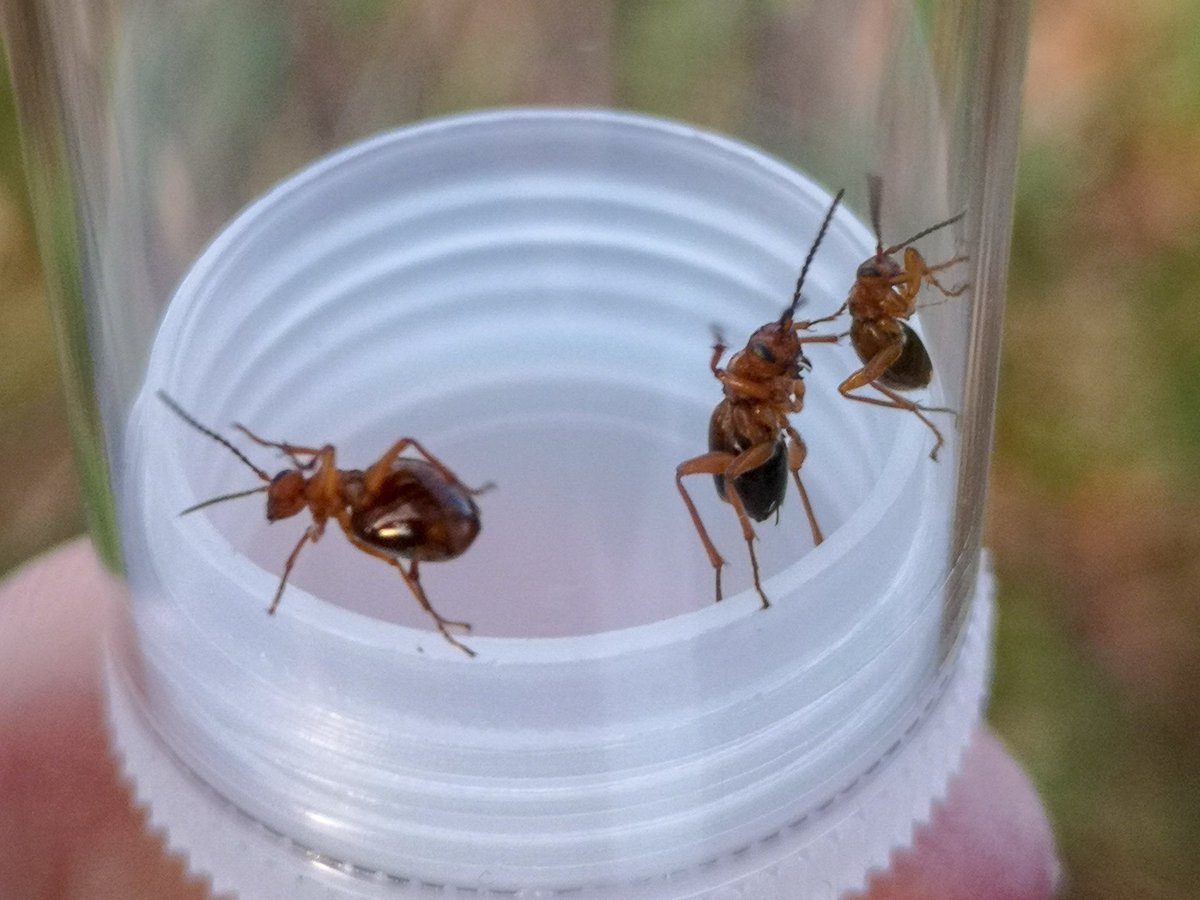
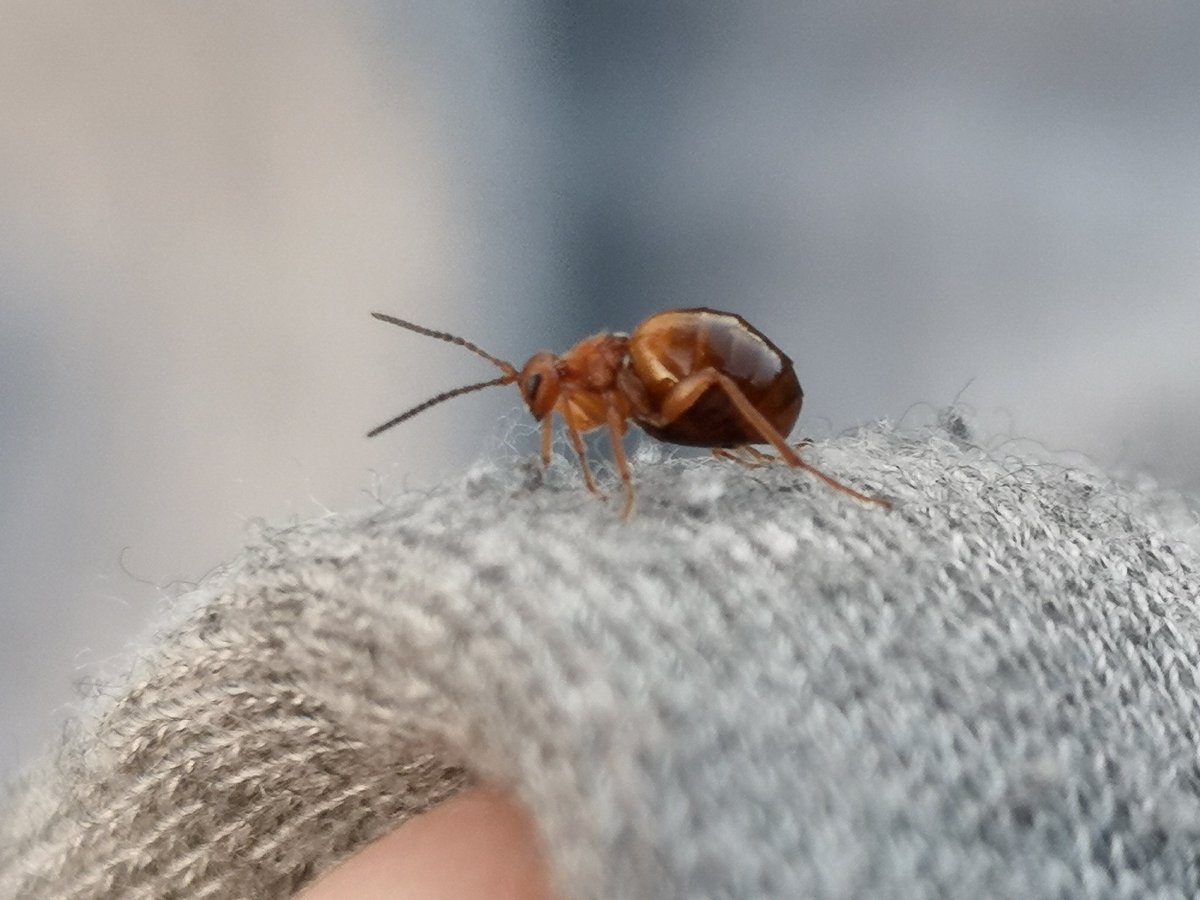
@Coleopterist @hydrarchos I think a direction towards non-lethal sampling is far more environmentally conscience. Especially considering most fields of insect study are geared for conservation efforts or ecosystem services. Why do you need 1000s of the same specimens dead in a collection?
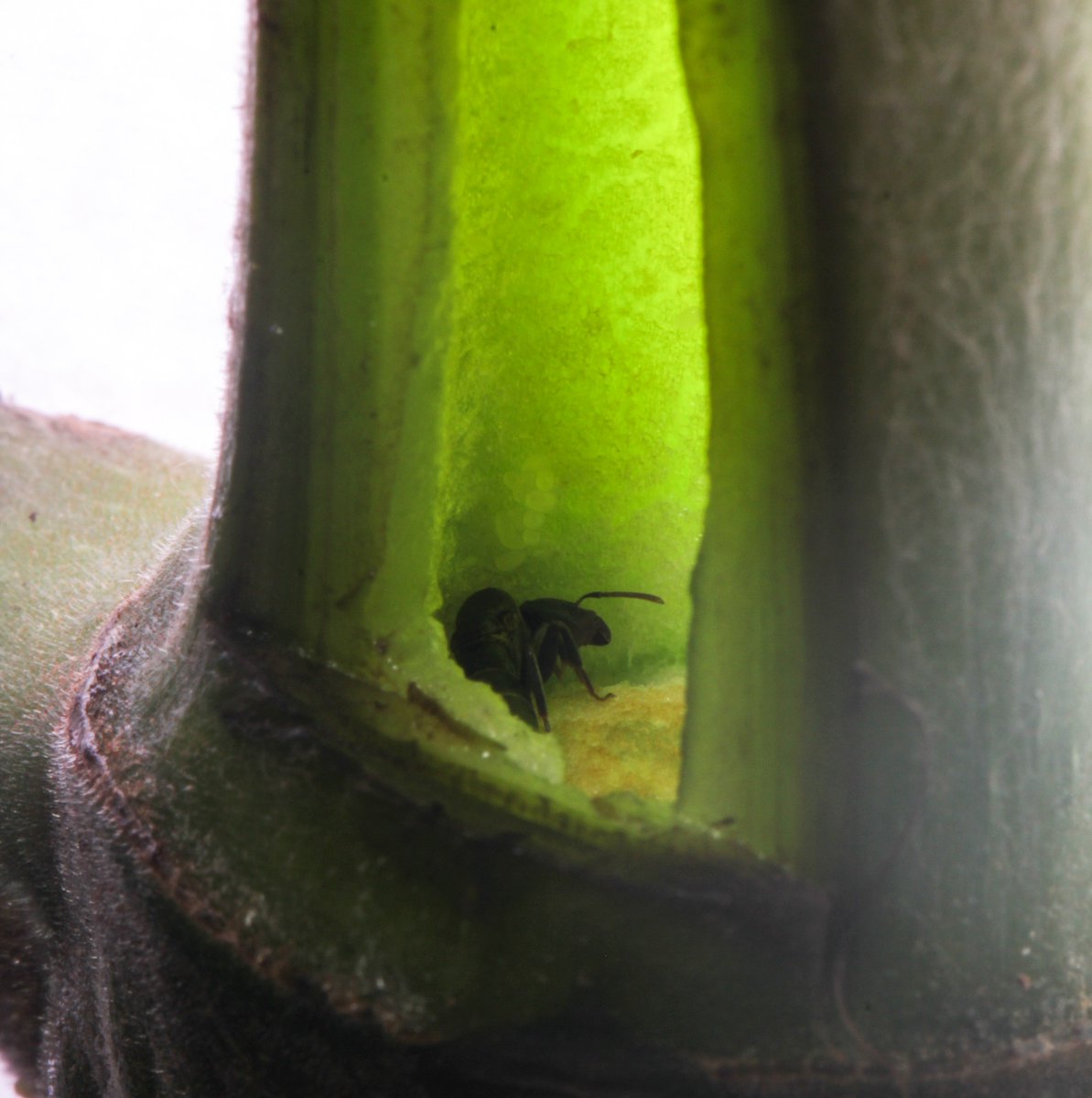
Experimenting with window slits into the stem of Cecropia trees to observe the real-time development of the incipient Azteca colony, nest organization, and worker behavior. This will let us explore aspects of the mutualism never seen before. I think it's working! #firstlook#cool
@BeesWivCharactr @tmink128 @serenitor@NaturelsWeird@Crommunist Maybe it is better for an escape. If you disconnect two ends the whole chain drops and all those ants are safer from the flying wasps. And any brood they got out of the nest will still be theirs to take.... That would be my guess
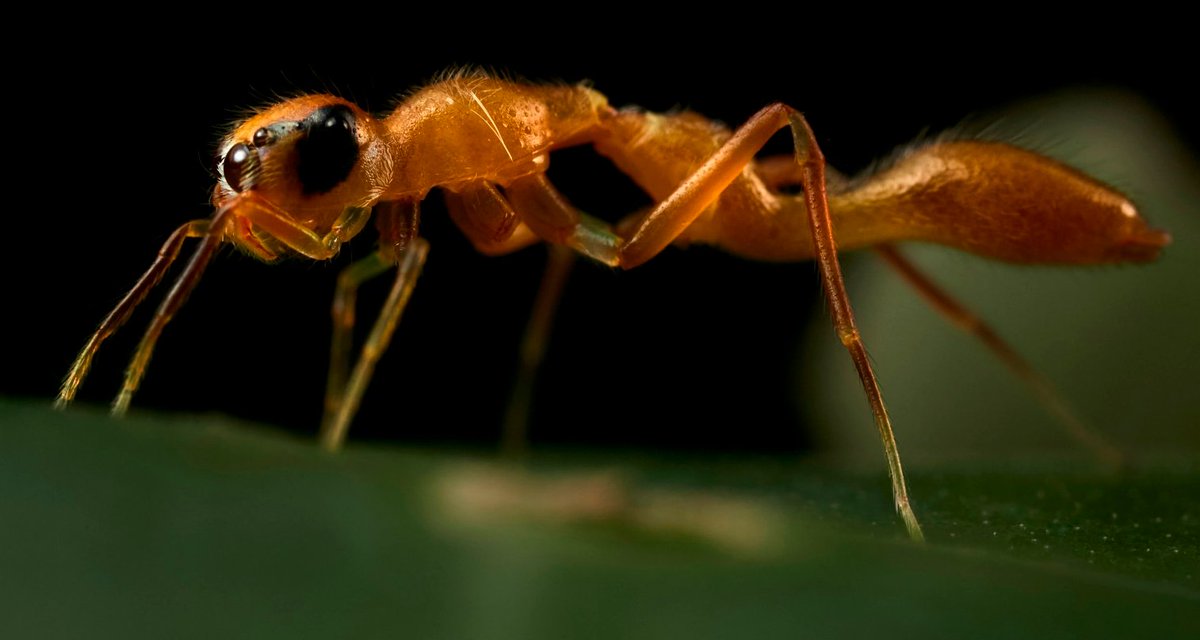
Insect of the day: Well, a jumping spider (Synemosyna sp.) pretending to be a Pseudomyrmex ant. Look at the false eyes on the side of the head. 📷 Paul Bertner
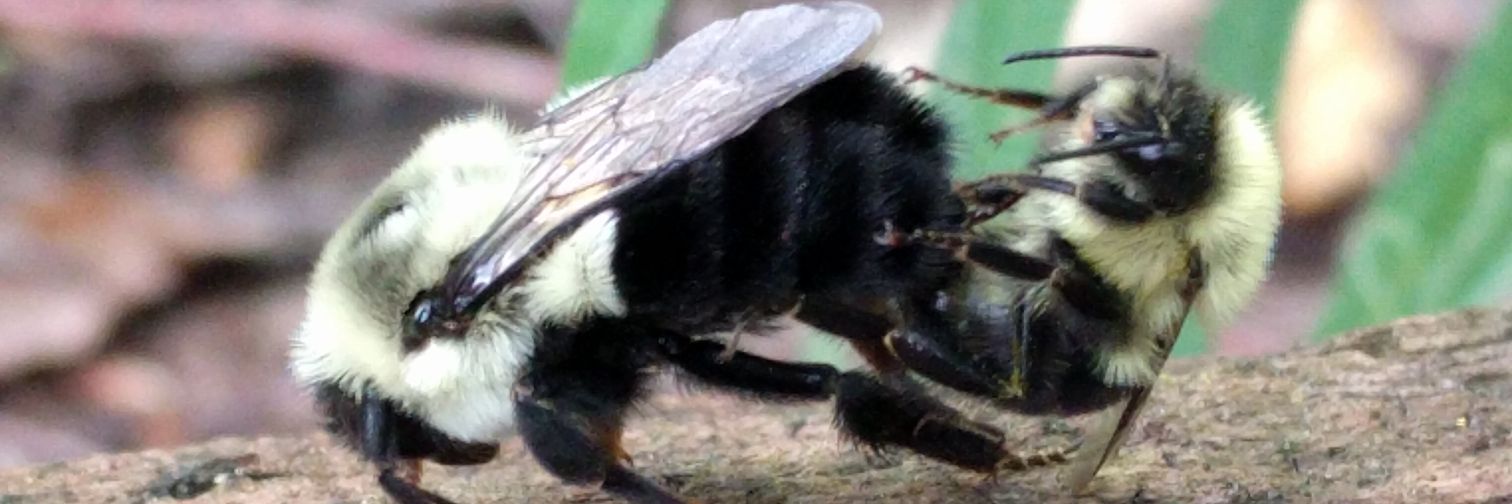
Our new paper is out at last "Bumble bee forager abundance on lowland heaths is predicated by specific floral availability rather than the presence of honey bee foragers: evidence for forage resource partitioning" @BU_Research@anita_adiaz https://t.co/qiOCgFfYbX
#Dynasties might have finished, but the stars of this series have nothing on the smaller animals that surround us. The challenges faced by these small beings and the unfolding dramas are utterly fascinating. They can also be enjoyed by anyone. All you have to do is look.
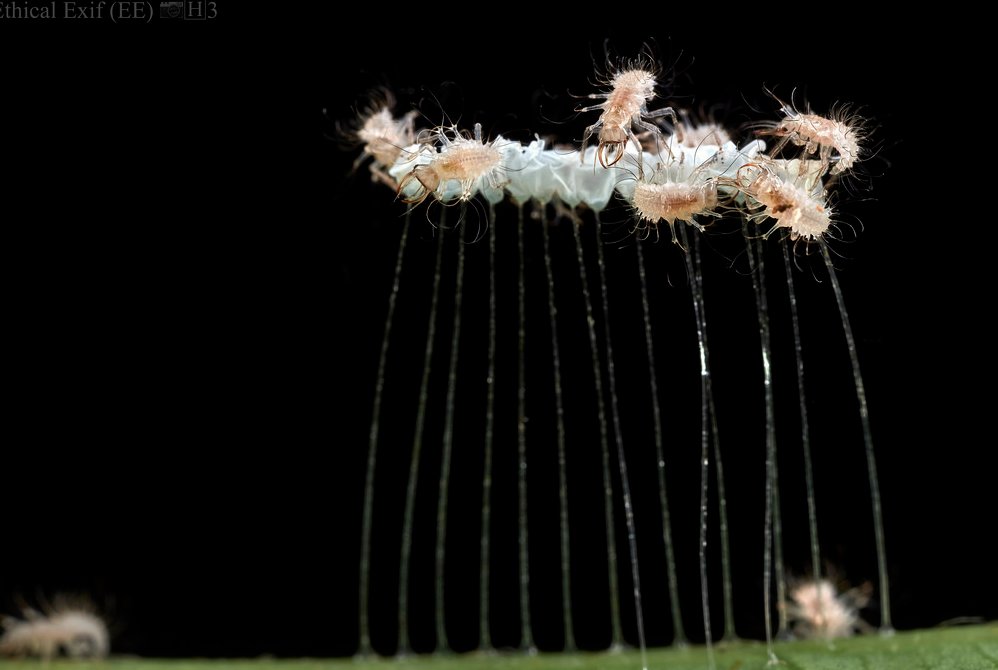
Insect of the day: Lacewing larvae hatching from their stalked eggs. The long stalks keep the eggs away from some predators. 📷 Paul Bertner. See more of Paul's images here: https://t.co/7h6ht62B46
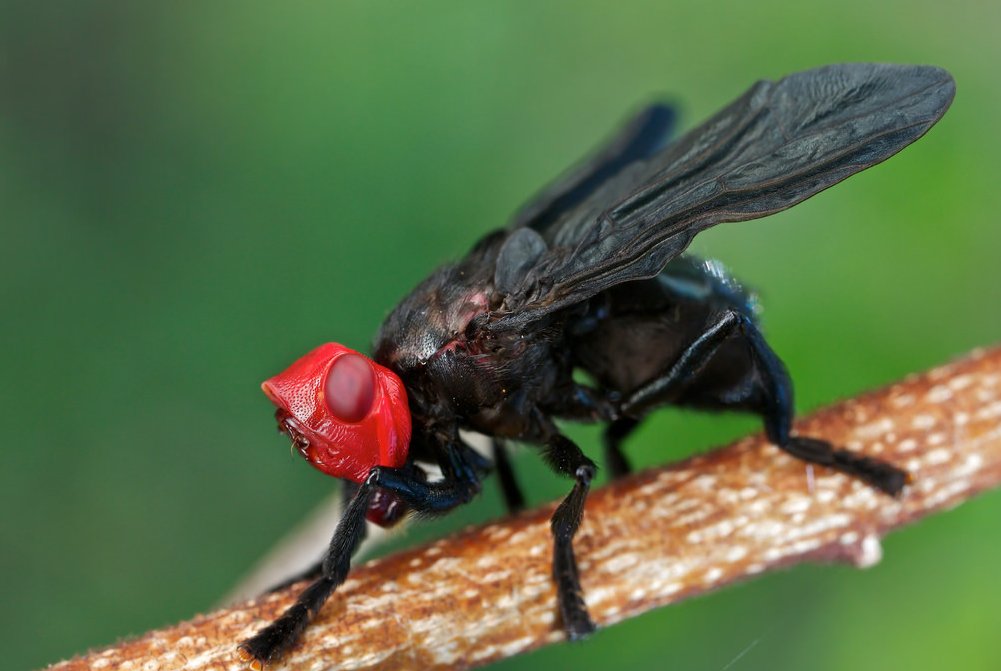
Insect of the day: Look at this for warning colouration. This big, sluggish fly (Bromophila caffra) has few enemies. It's thought the larvae sequester toxins from the roots of certain plants When handled it ejects bright yellow fluid from its mouth 📷 Paul Bertner
Special feature today, the Teddy Bear Bee! The male is shown being safely held, as males cannot sting! These bees are given their name due to their distinct golden color. You can find them flying around year round, with peak activity in March-August. Look out for these big guys!
Insect of the day. How about this for a thorax? From the rear, the humped thorax is a pretty convincing impression of a spider's face. The larvae of these flies (Megalybus sp.) are parasitoids of spiders. 📷 Vicente Valdes Guzman
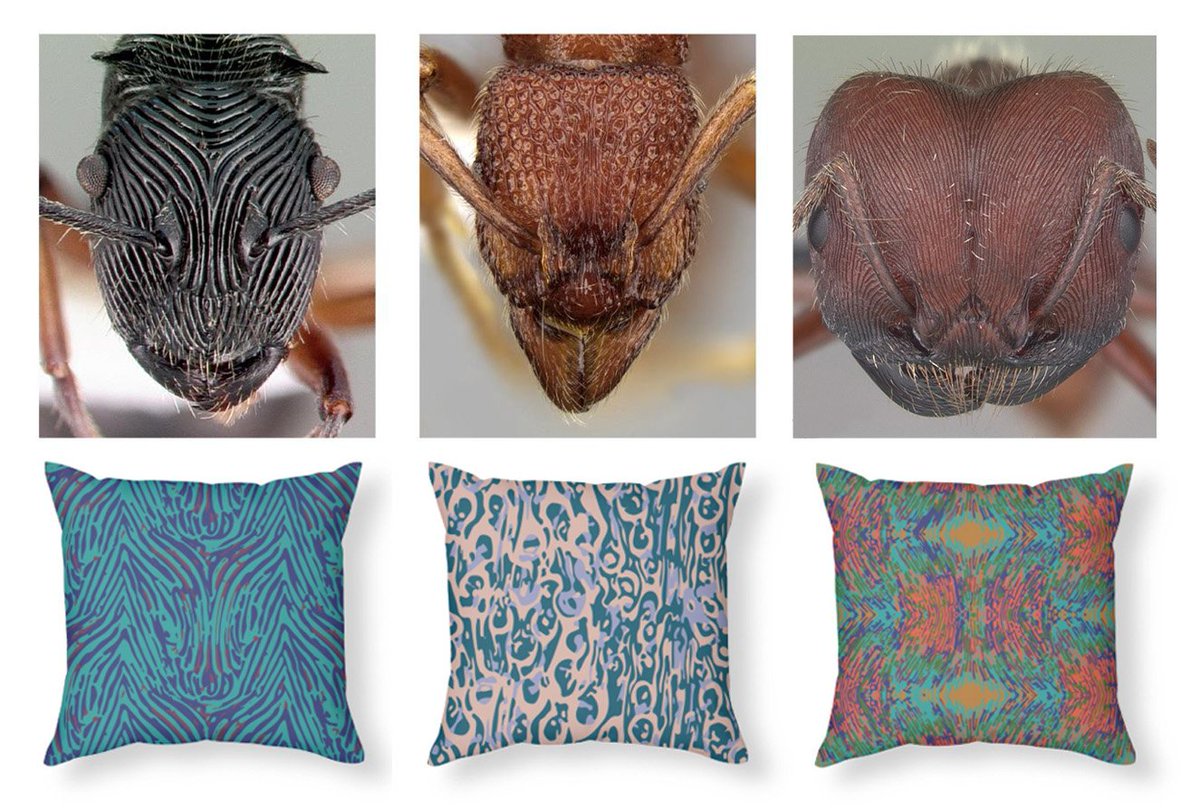
We made a whole line of pillows based on facial patterns of ants.
Seriously.
Like you can buy them now and stuff.
Here's the story: https://t.co/xtPYiboTH1
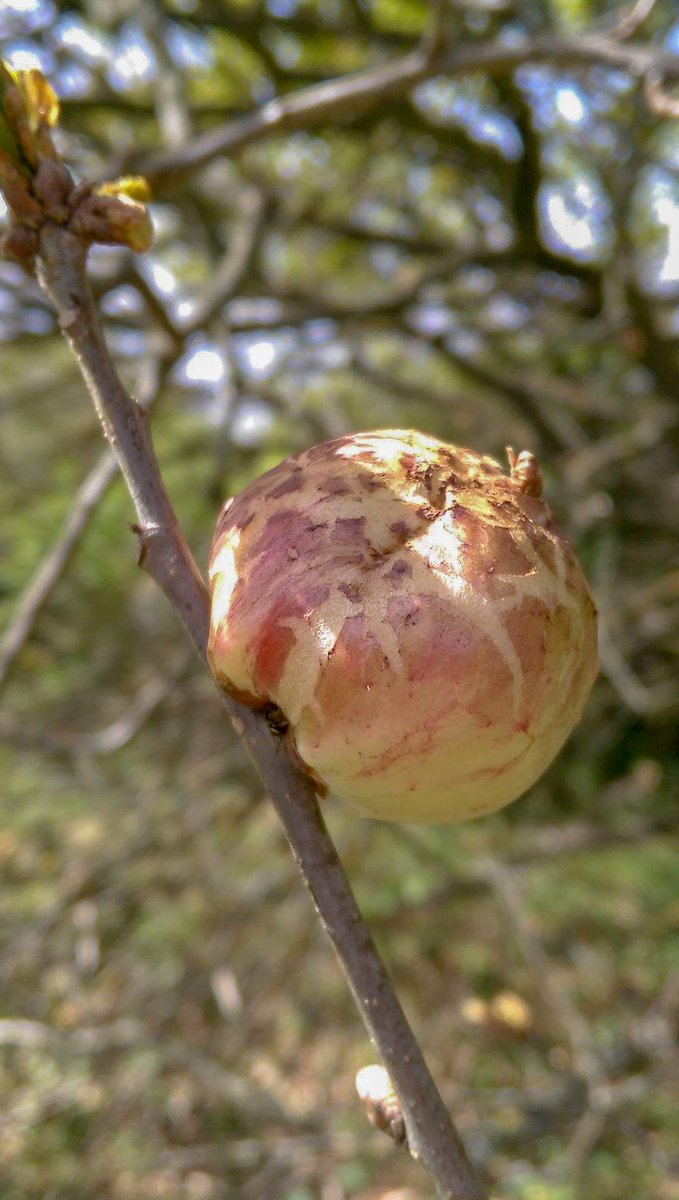
Finally found the agamic generation of the oak apple gall wasp Biorhiza pallida! Was very tempting to dig up the tiny tree and find the root galls of the sexual gen.! 😅
They will crawl up the trunk and lay their egg on a bud which causes the familiar oak apple gall (last pic)
Today is #WorldMentalHealthDay check in with someone make sure they are ok, do not be afraid to listen. You could make the difference they need today! You have the power!
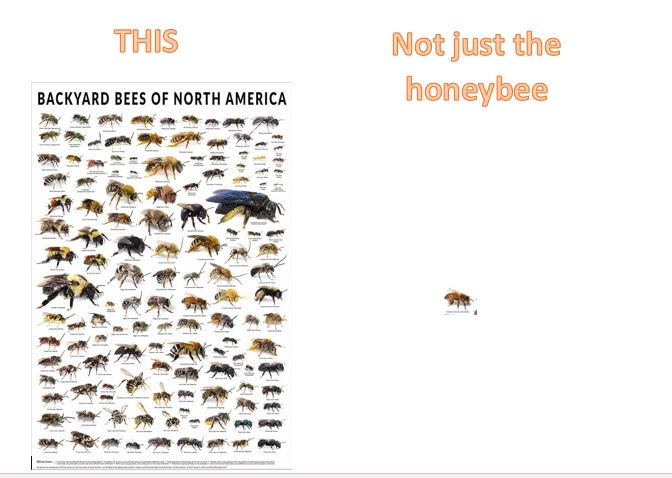
So when someone says save the bees!
See image
(Photo credit @beesbackyard )
Don’t get me wrong, honeybees are important and are really cool but they are not the whole story!