Associate professor of physiology @ Semmelweis University 🇭🇺. We create novel fluorescent tools to study tissue damage and inflammation biology. #inflamapping
Delighted to share our publication in @NatureComms describing GEM-LTB4: a novel genetically encoded fluorescent biosensor for the real-time measurement of the lipid chemoattractant Leukotriene B4.
https://t.co/emCFIkVN7m
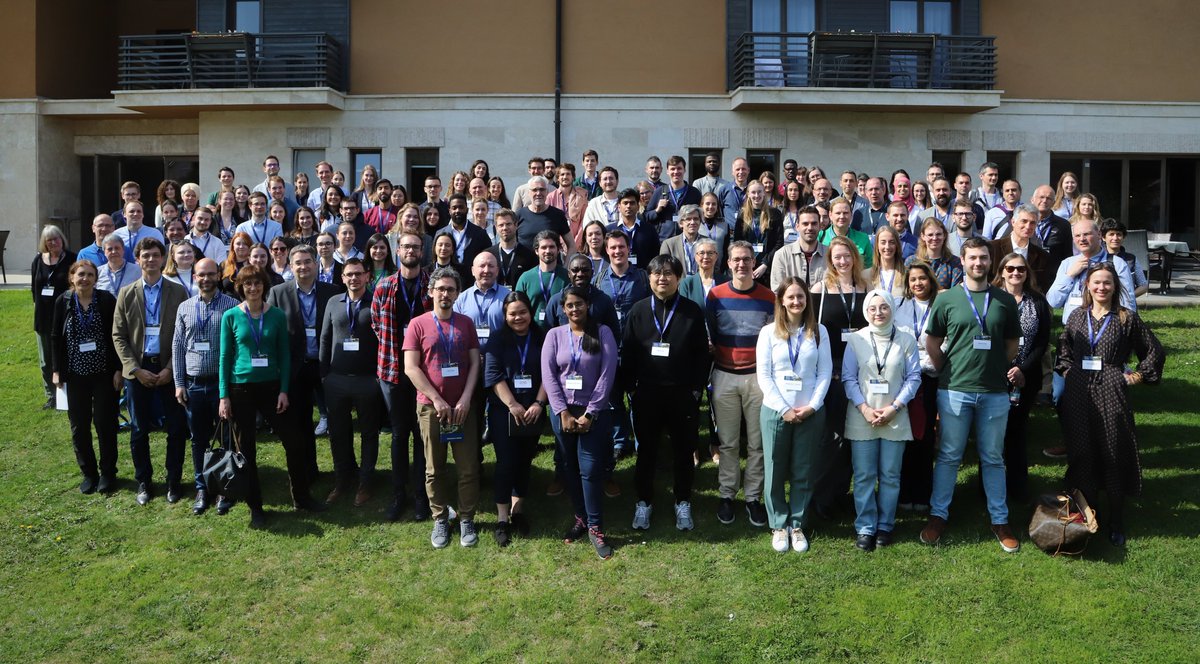
Thanks to all the #EPW2024 participants for their outstanding talks, great posters and engaging discussions over the past days! This year’s European Phagocyte Workshop is now over, and we are looking forward to #EPW2025 next year organized by @Carlos_Silvestr and @AcebesCasanova!
Don't miss out on the European Phagocyte Workshop 2024! 👇Extended abstract submission: Jan 19!
https://t.co/XOXKA8cJ2Y
Amazing invited speakers including: @SergioCatz1, @PhillipsonMia, @ScheiermannLab, @Soehnleinlab, @MarkusSperandio and many more!
Delighted to share our publication in @NatureComms describing GEM-LTB4: a novel genetically encoded fluorescent biosensor for the real-time measurement of the lipid chemoattractant Leukotriene B4.
https://t.co/emCFIkVN7m
With GEM-LTB4 we could for the first time visualize the live production of a chemoattractant: check out the video below showing a gradient of LTB4 released as a “puff” around one of the fMLP-stimulated #neutrophils.
Congrats to our PhD student @TamasSzimonetta for giving her first international talk and presenting about GEM-LTB4 at the #EPW2023! Great support from @Enyedilab.
In our quest to map chemoattractant gradients, we developed GEM-LTB4, the first genetically-encoded biosensor to detect leukotriene B4. #inflamapping#GEMSensors
@tlngy Thanks, the manuscript is currently in preparation, we hope to get the story published quickly! We will be posting here on the progress, just follow us!
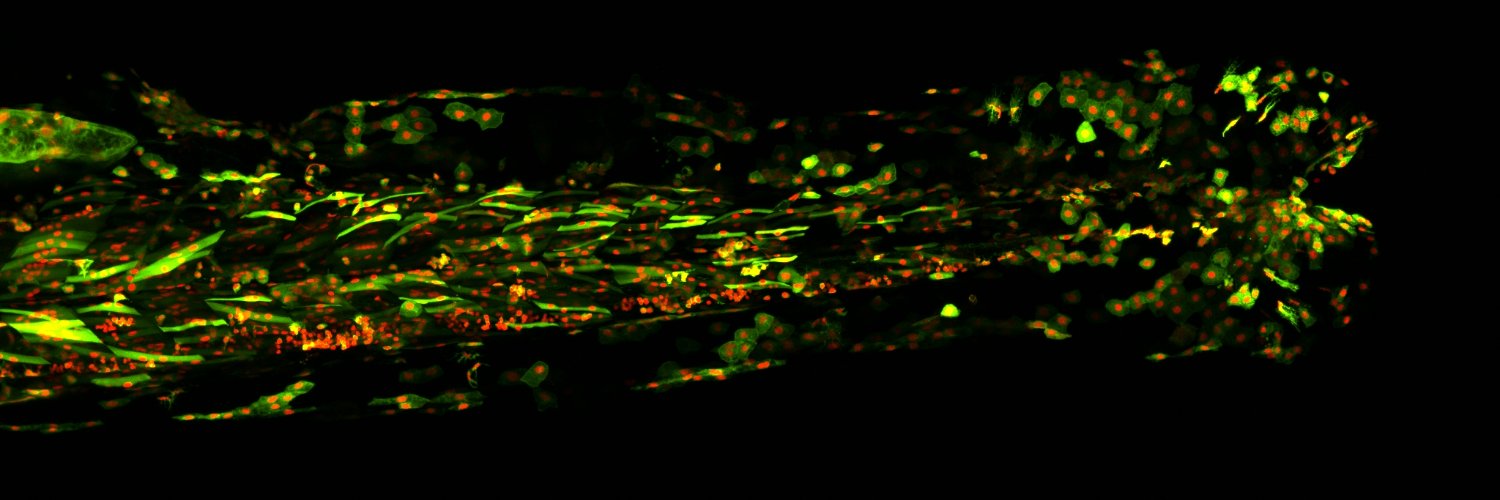
Just presenting @ZDM15 on the very first live visualization of a leukotriene B4 chemoattractant gradient with our brand new fluorescent biosensor: GEM-LTB4! #inflamapping#zebrafish