Six months of salary.
That's what Matt Mullenweg offered every Automattic employee to resign if they didn't believe in the company's direction.
About 9% took the offer and left.
"For the first time in decades, I have profound HOPE that everything I've sacrificed might not have been for nothing."
Isabell Springer
https://t.co/fqEnV5BeCh
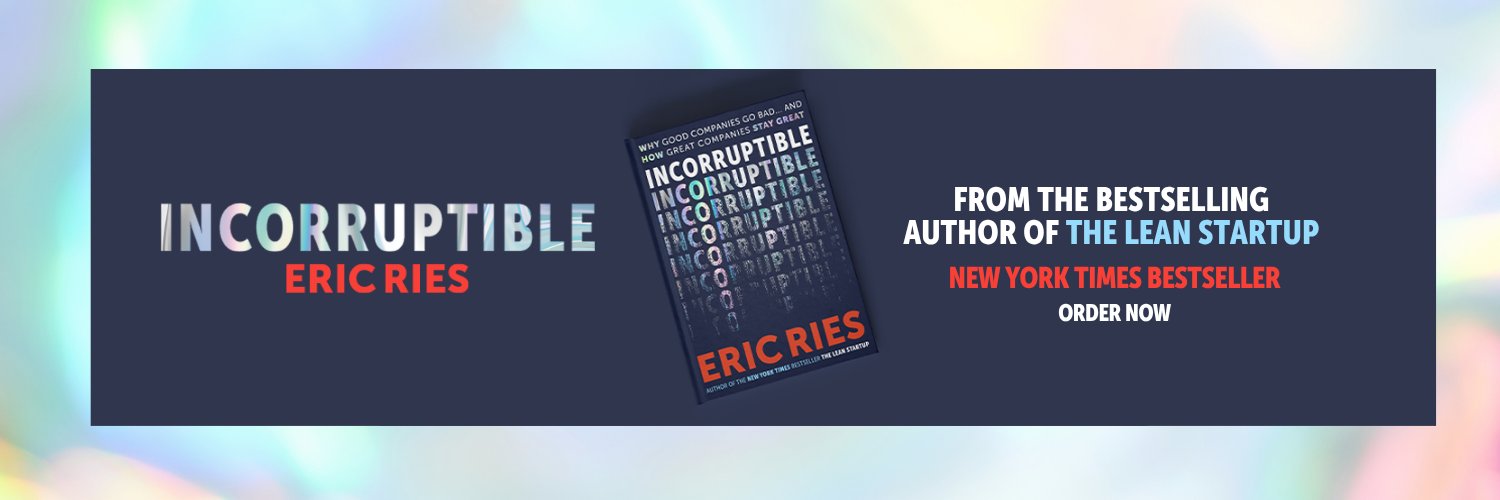
Good news! INCORRUPTIBLE is part of Amazon's Black Friday and Cyber Monday deals this year.
Starting tomorrow, November 27, through November 30, you can grab a copy at a special discounted price.
If you've been waiting to read it or know someone who is passionate about building companies that stand the test of time, this is a great opportunity to pick up a copy.
https://t.co/WU8E7aXQKp
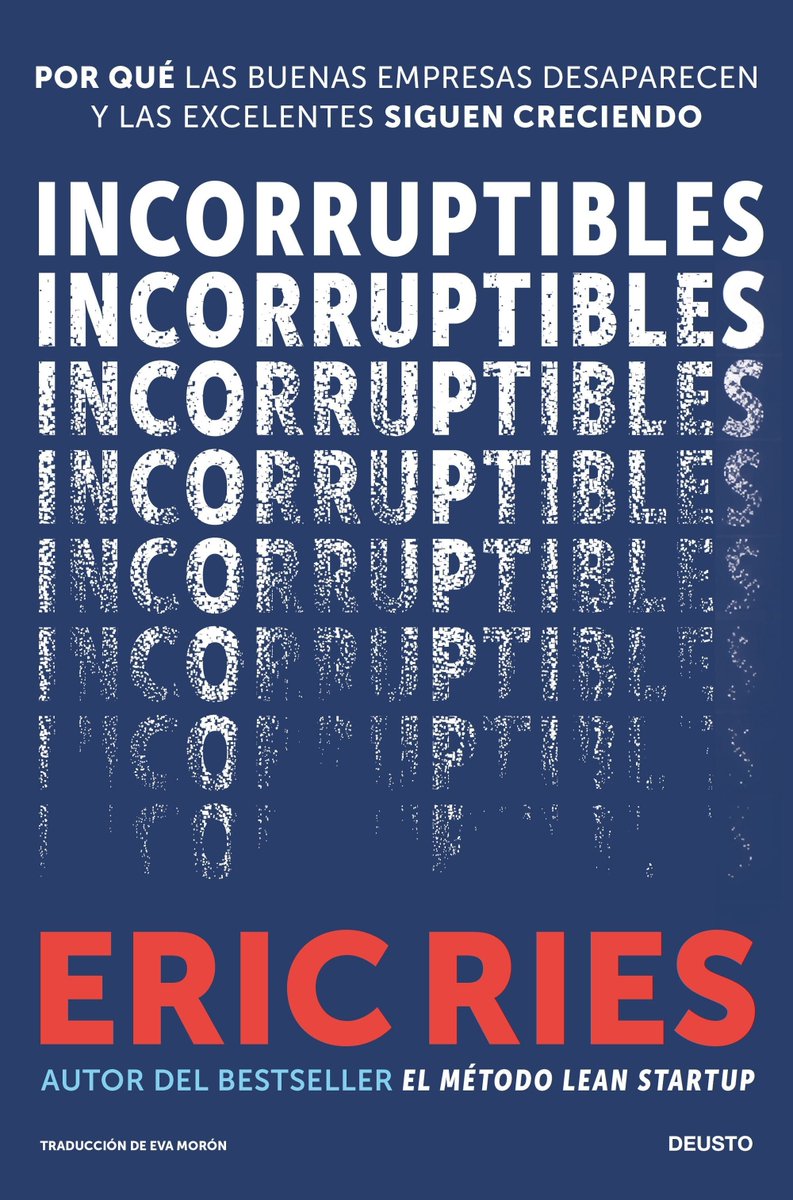
Incorruptible is out in Spanish today as Incorruptibles. Thank you to translator Eva Morón and to everyone at Deusto and Grupo Planeta who worked on this edition.
https://t.co/6gMnNuUGto
“Franchise systems don't usually go bad because something went wrong. They go bad because things went right. Success creates a pull toward extraction, and it arrives one reasonable decision at a time.”
Tony White
https://t.co/91tTuSjWZH
What if capital isn't actually the scarce resource in our economy?
We live in a world of extraordinary material abundance. Yet we often act as though founders must compromise their vision and values to access capital.
The truth is, great founders and great opportunities are far scarcer than money. And that means founders have more power to shape investor expectations than they might realize.
Maria Rotilu and I discuss on The Startup Leap Podcast why founders shouldn't underestimate their influence and how changing what entrepreneurs demand could reshape the way companies are funded and built.
#IncorruptibleBook #Leadership #Entrepreneurship #VentureCapital #BusinessStrategy #Founders #MissionDriven
“Most companies don’t go bad all at once. They go bad one small exception at a time, each one easy to justify.
Anyone can vociferate their values. The incorruptible keep them.”
Logan Lenz
https://t.co/1HP616sCLo
What if the biggest threat to a company's mission comes from the founder themselves?
Founders often build protections to keep their companies true to their values. But when financial rewards become tempting enough, they may be the very ones who choose to give those protections up.
And with investors, bankers, and advisors encouraging conventional decisions, it's easy to believe everything will work out.
Maria Rotilu and I discuss on The Startup Leap Podcast why protecting a company's integrity requires more than strong governance. It also requires founders to resist the temptation to compromise the principles they set out to protect.
#IncorruptibleBook #Leadership #Entrepreneurship #CorporateGovernance #BusinessStrategy #FounderJourney #MissionDriven
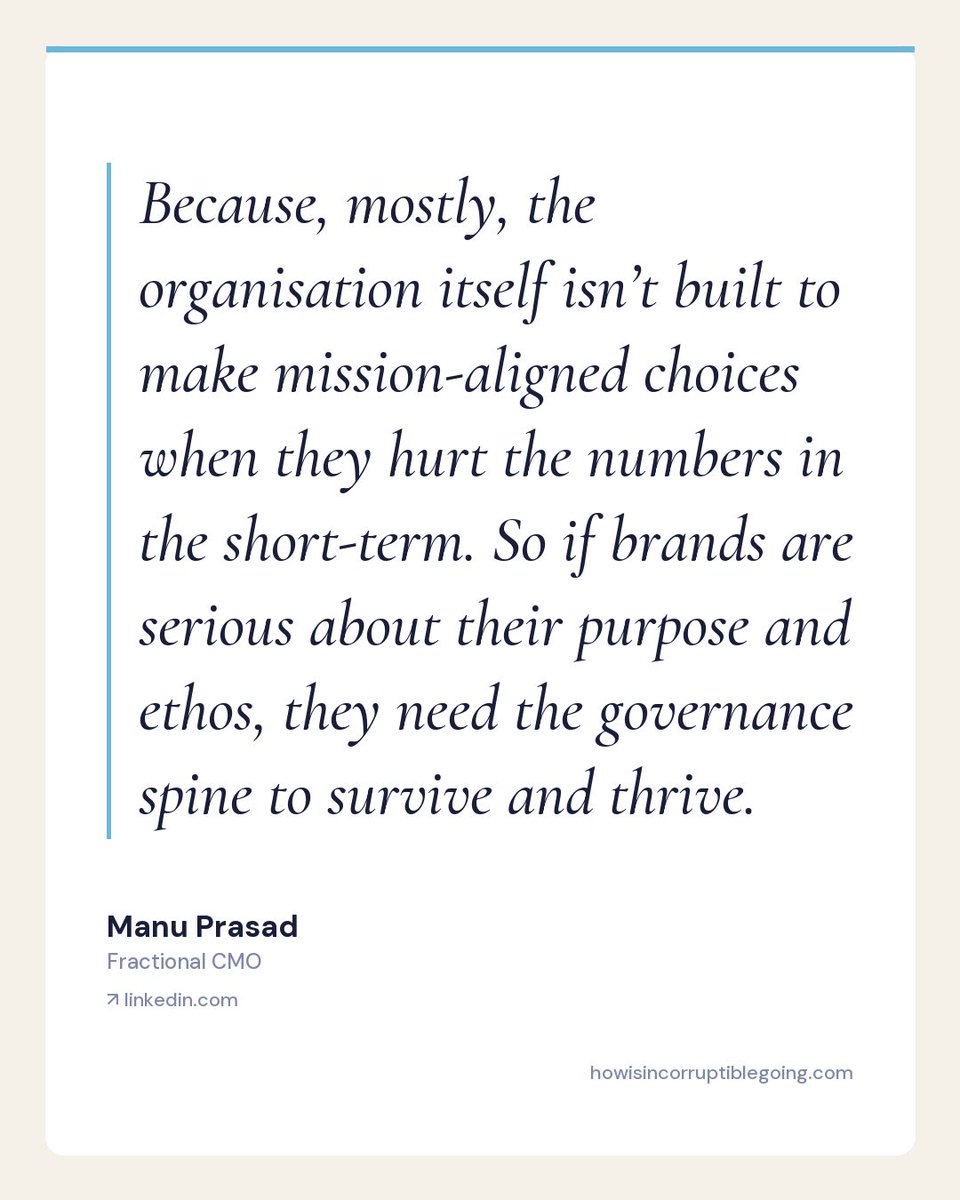
“Because, mostly, the organisation itself isn’t built to make mission-aligned choices when they hurt the numbers in the short-term. So if brands are serious about their purpose and ethos, they need the governance spine to survive and thrive.”
Manu Prasad
https://t.co/Yb6dkVmcj4
“Incorruptible totally changed my assumptions on how a company could be built. It gave me faith that the current corporate climate of shareholder primacy can be overcome long term, if we so choose.”
Wesley Knight
https://t.co/8RQkJxbivw
“ecomedes is exploring ‘mission lock’ as recommended by Eric. Do investors like this? Well, one of our largest investors, Jack McMackin from Mission Innovation Network is the one helping us work on it, so yes that seems to be the case.”
Kathleen Egan
https://t.co/moQ0f1I9s6
If you're worried about AI's effect on your problem solving and coding skills, or how to learn with AI - then look at SolveIt.
Concise by design, you can edit the AI's responses, allows close reading, and build skill mastery with AI. Thank you @jeremyphoward and @answerdotai
"We're killing the golden goose at an industrial scale."
Author @ericries took the #MoSSummit stage with @onbeing's @kristatippett to challenge how companies approach financial investment.
The full episode is live now. Watch or listen:
Youtube: https://t.co/jTjLszziYL
Apple Podcasts: https://t.co/9cyD4ETbCU
Spotify: https://t.co/kIaUwKhowu
When days of work take minutes, what are clients actually paying for?
Chad Pytel has spent more than two decades answering a version of that question at thoughtbot. His answer: writing the code was always the easiest part. The harder work is helping people figure out what to build in the first place.
On this episode of The Eric Ries Show, Chad and Eric explore how AI is changing software consulting, why billing for time is becoming harder to justify, and where human judgment becomes more valuable.
They also discuss another big decision: moving thoughtbot into a purpose trust. Chad shares how the company structured a transaction that paid its shareholders while protecting its independence and mission beyond its founders.
It’s a conversation about reinventing your business without losing the reasons you built it.
Pim de Morree, co-founder of Corporate Rebels, put Incorruptible first on his list of eight books for building a better organization.
https://t.co/swPZMPISSh
"A better definition of profit: leave people better off than you found them. If you don’t, you didn’t create profit. You destroyed value and moved the bill."
Justin Campbell
https://t.co/8qk7ec6hUX