What happens to the astronaut's heart during and after flight?
-New @CircAHA ISS astronauts study found early reductions in LV volume, stroke volume & myocardial deformation after entering microgravity—but these changes largely stabilized during flight.
https://t.co/m08PmnVZp1
This @APSPhysiology mini-review synthesizes current knowledge of musculoskeletal responses with a particular focus on tendon maladaptation and interorgan cross talk to spaceflight and partial gravity.💫
#spacemedicine
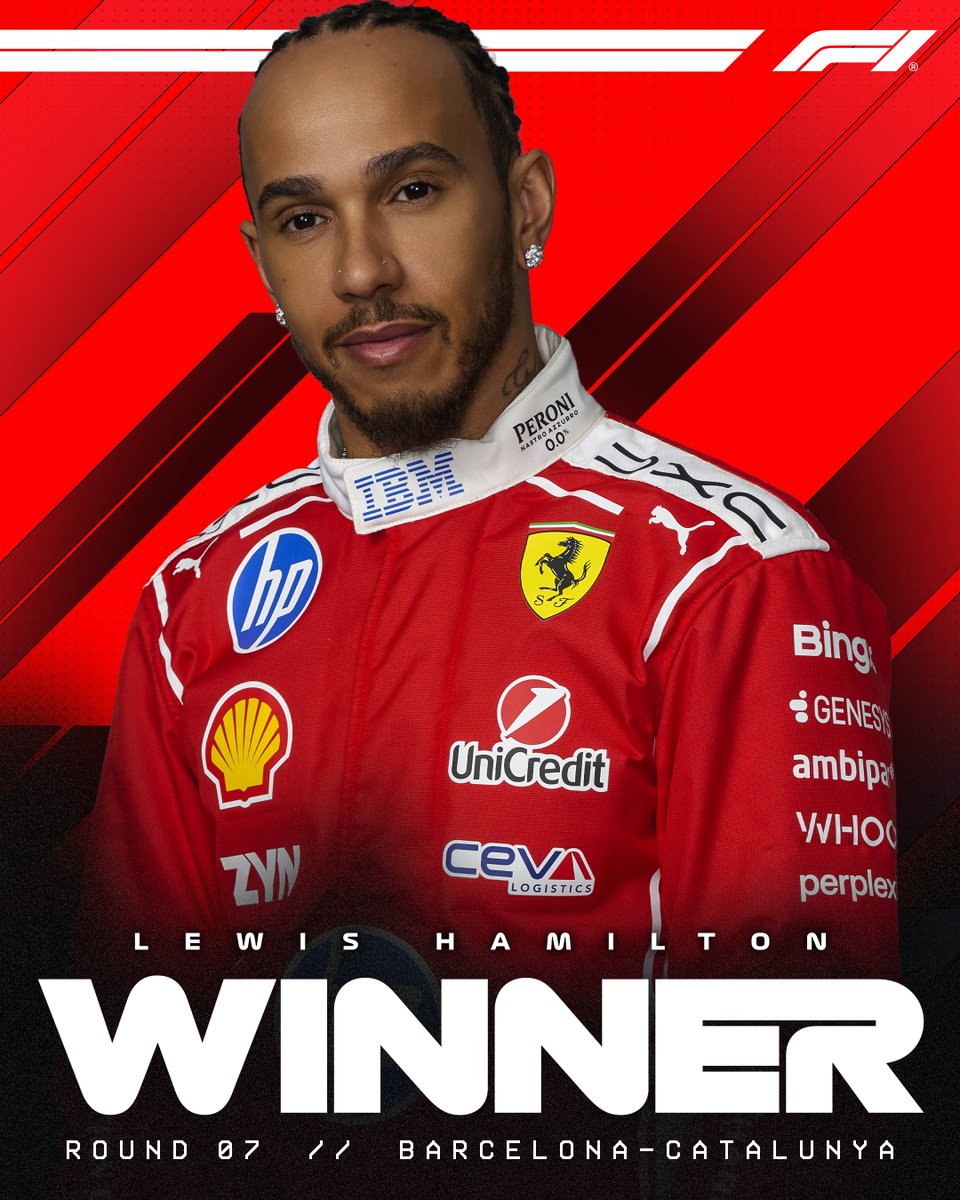
To this day I still cannot fathom how Max Verstappen wasn’t disqualified from the 2021 Saudi Arabian Grand Prix. If the stewards did what they were supposed to do that very weekend, then the shit that they pulled in Abu Dhabi wouldn’t even have mattered because Lewis Hamilton still would’ve won the 2021 world championship by 10 points.
Five seconds for what Russell called a racing incident. What Brundle, OF ALL PEOPLE, called a racing incident. What Ferrari called a racing incident. Then Leclerc at the same corner, seven laps later. Nothing.
Fighting for a championship requires a particular kind of inner certainty. A belief that the sport is ultimately fair. That if you are best, you’ll be rewarded. Every inconsistent decision since AD21 lands in that wound.
I don’t know who’ll win the stubbornness awards. Lewis’ resilience or the establishment’s determination to keep pretending none of this is happening. But we see through.
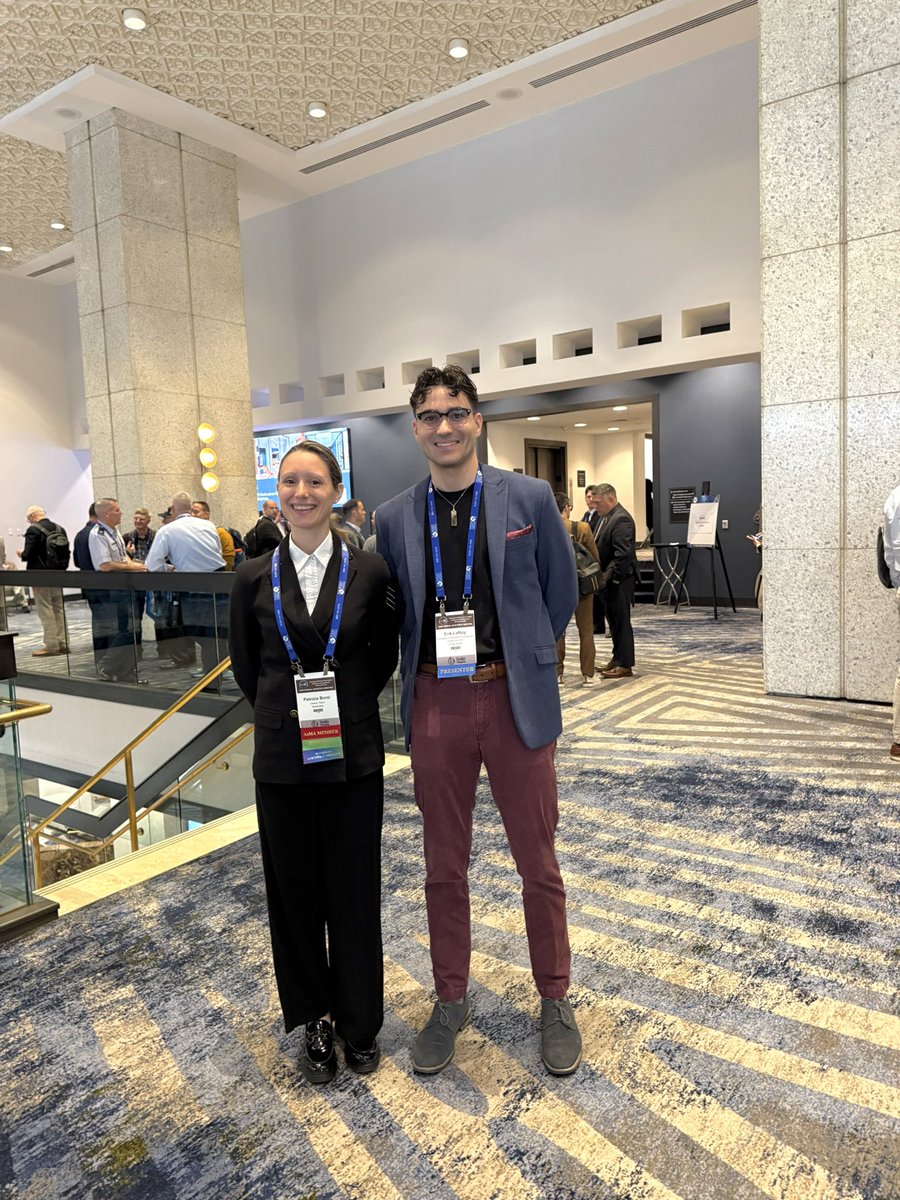
Beyond honored to present at this year’s @aero_med_1929 conference alongside so many incredible investigators. One of the best parts of the week was having 5 @asp_official members all in the same place - a rare opportunity to connect and collaborate in person. 🚀 🌖 👩🚀 🫀
Review: Musculoskeletal responses to spaceflight: mechanisms, countermeasures, and key gaps.
—Tendon maladaptation and interorgan feedback remain clear weak points in current countermeasures.
#spacemedicine#microgravity#deconditioning
https://t.co/SRzAxrZH7G
You use space technology every day. You just don’t think of it that way.
Beyond biotech, space engineering has quietly transformed everyday life.
⭐GPS works because satellites in orbit constantly transmit signals that locate you within meters.
⭐Smartphone cameras rely on imaging sensors refined through space research.
⭐Memory foam was developed to absorb extreme force.
⭐Fire-resistant materials accelerated by Apollo-era research now protect firefighters.
⭐Cordless tools were engineered so astronauts could drill on the Moon without power cords.
⭐Freeze-dried food you use on camping trips was optimized for space: lightweight, long-lasting, nutrient-dense.
Space forces better engineering under extreme constraints, and that upgrades life on Earth.
When you design for orbit, you redesign the everyday.
👀Keep an eye out for our next series: what space teaches us about the human body itself.
Featuring images courtesy of NASA.
#SpaceTechnology #Innovation #TechTransfer #Aerospace #HumanPerformance